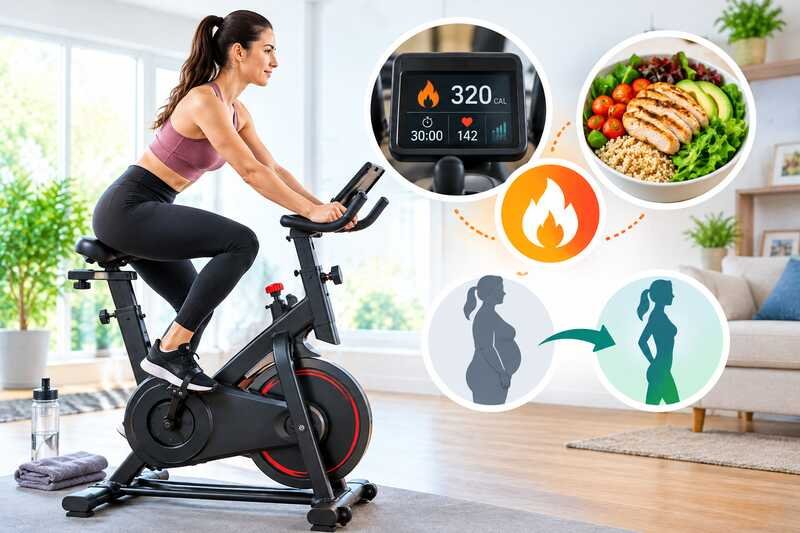
Wondering how to lose weight on an exercise bike? It comes down to three things: your workout intensity, your consistency, and pairing your rides with a modest calorie deficit.
An exercise bike is one of the easiest cardio machines to start with. It puts far less stress on your joints and knees than running does, yet it still delivers a real aerobic workout. If you’re new to exercise or coming back after time off, that low-impact motion is a major advantage.
Most people nowadays choose an exercise bike over other cardio equipment for exactly this reason. It lets them work hard without the pounding impact of running or the learning curve of other machines.
This guide covers how much weight you can realistically lose and what the research actually supports. It also covers the specific habits that separate people who see results from people who spin their wheels (literally) without progress, plus a sample weekly plan, common mistakes, and answers to frequent questions.
Key Takeaways
- Weight loss comes from a calorie deficit. Your exercise bike helps create that deficit, but your diet still matters just as much.
- A safe, sustainable pace is 1-2 pounds per week, according to the CDC.
- Higher intensity and longer duration both increase calorie burn, and interval training combines the two.
- The type of bike you choose (upright, recumbent, or folding) affects comfort and calorie burn, but consistency matters more than the model.
Why Exercise Bikes Work So Well for Weight Loss
Low Impact, High Output
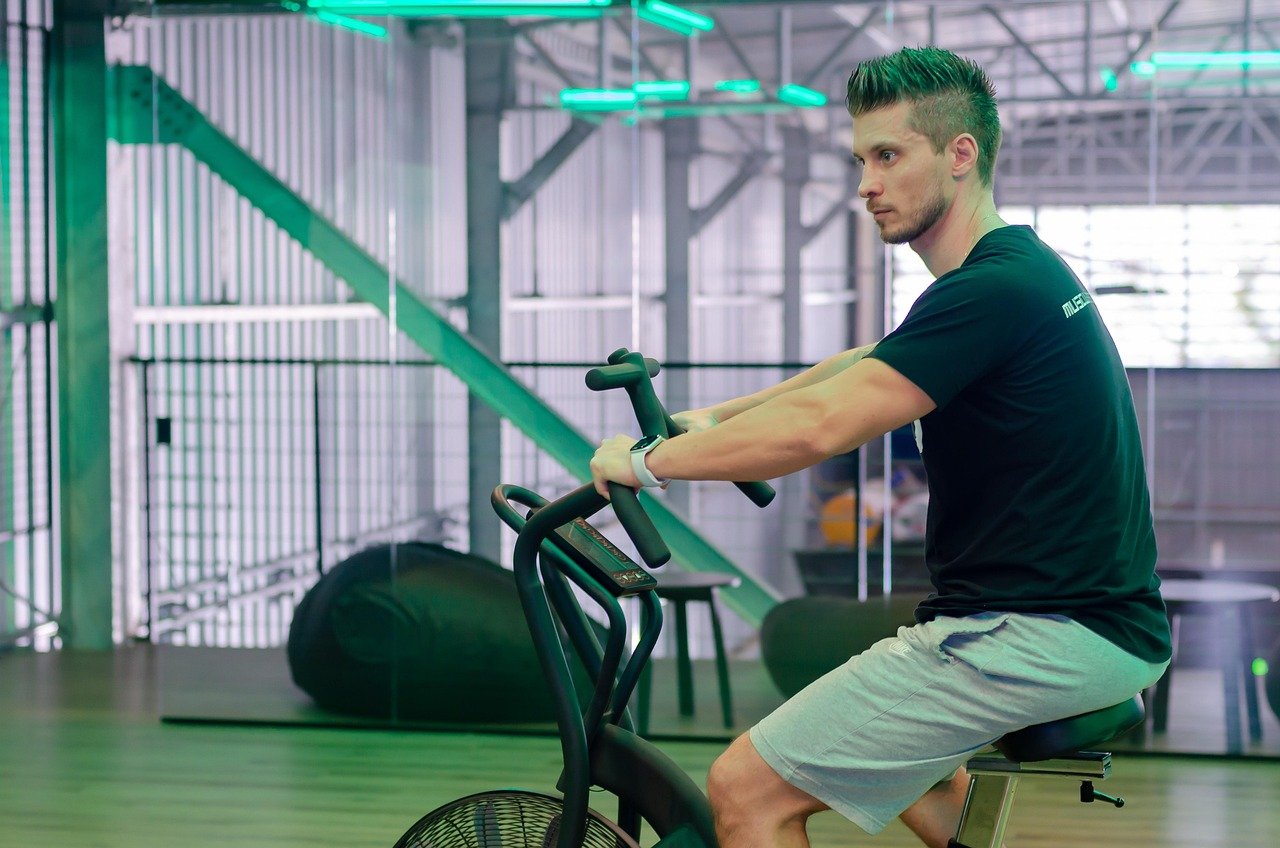
Cycling is a non-weight-bearing exercise. Your body weight rests on the seat and pedals instead of jarring through your knees and hips with every stride. That means you can train harder, more often, without the joint pain that sidelines many runners.
Whole-Body Engagement
Pedaling primarily works your quads, hamstrings, glutes, and calves, but maintaining posture and resistance also engages your core. More muscle engagement means more calories burned per session, especially at higher resistance levels.
Easy to Track and Progress
Most exercise bikes display your time, distance, resistance level, and estimated calories in real time. That immediate feedback makes it simple to see whether you’re actually increasing your effort week over week, which is what drives continued weight loss.
How Many Calories Can You Burn on an Exercise Bike?
Calorie burn depends on your body weight and effort level. The table below shows calories burned in 30 minutes of stationary cycling, based on data from Harvard Health Publishing.
| Effort Level (30 minutes) | 125 lbs | 155 lbs | 185 lbs |
| Moderate pace | 210 | 252 | 294 |
| Vigorous pace | 315 | 378 | 441 |
At a moderate pace, a 155-pound person burns roughly 252 calories in 30 minutes. Push to a vigorous pace, and that number climbs to 378 calories in the same time. Riding twice a day or extending your session naturally multiplies these numbers.
Source: Harvard Health Publishing, calorie chart by body weight.
What’s a Realistic Weight-Loss Timeline?
One pound of body fat represents roughly 3,500 calories. To lose one pound a week, you need a deficit of about 500 calories a day, through some combination of exercise and eating less.
The CDC recommends losing weight at a rate of about 1 to 2 pounds per week. People who lose weight this gradually are more likely to keep it off than people who try to lose it fast.
Your exercise bike can create part of that daily deficit. A 30-minute vigorous ride burns roughly 300-440 calories depending on your weight. Combine that with a modest reduction in daily food intake, and a 1-2 pound weekly loss becomes realistic and sustainable, not a one-off crash diet.
Source: CDC, Steps for Losing Weight.
6 Tips to Lose Weight Faster on an Exercise Bike
1. Increase Your Workout Intensity
Intensity is your pace or resistance level. Pedaling harder increases your oxygen consumption and energy demands, which burns more calories per minute. Riding at a higher resistance for 20 minutes often burns more than riding easy for twice as long. A simple way to gauge intensity without a heart rate monitor is the talk test. At a moderate pace you can speak in full sentences. At a vigorous pace, you can only manage a few words at a time.
2. Extend Your Workout Duration
Duration is simply how long you ride. The longer your session, the more total calories you burn. If you’re short on time, prioritize intensity. If you have more time, longer moderate sessions work just as well.
3. Choose the Right Type of Exercise Bike
There are three common types: upright, recumbent, and folding. An upright bike feels closest to a regular outdoor bicycle and tends to engage more muscles, which can mean a slightly higher calorie burn. A recumbent bike offers back support and a reclined seat, which is easier on your lower back. A folding bike is either style built to save space.
All three burn calories effectively. Your comfort and consistency matter more than which type you pick. See our guides on the best upright exercise bikes, best recumbent exercise bikes, and best folding exercise bikes if you’re still shopping.
4. Add High-Intensity Interval Training (HIIT)
HIIT alternates short bursts of hard effort with easier recovery periods. This style of training raises your metabolic rate for hours after your workout ends, on top of the calories burned during the ride itself. A simple starting structure is 30 seconds hard, 90 seconds easy, repeated for 15-20 minutes.
5. Mix Up Your Workouts
Modern exercise bikes often include dozens of preset programs: hill climbs, endurance rides, and interval sessions. Rotating between them prevents boredom and challenges different muscle groups, which keeps your calorie burn from plateauing as your fitness improves.
6. Pair Your Rides With a Calorie-Controlled Diet
No amount of cycling fully offsets a calorie surplus from food. Pairing your rides with a modest, sustainable reduction in daily calories is what actually produces the 1-2 pound weekly loss the CDC recommends. Our guide on diet and exercise for weight loss covers how to build that balance.
Sample Weekly Exercise Bike Plan
Here’s a beginner-friendly weekly structure that combines steady rides with intervals.
| Day | Workout |
| Monday | 30 minutes, moderate pace |
| Tuesday | 20 minutes HIIT intervals |
| Wednesday | Rest or light 15-minute recovery ride |
| Thursday | 30 minutes, moderate to vigorous pace |
| Friday | 20 minutes HIIT intervals |
| Saturday | 40-45 minutes, steady endurance pace |
| Sunday | Rest |
Adjust the durations to your fitness level. Beginners can start with shorter sessions, such as 15 minutes, and build up gradually over several weeks as their fitness and confidence improve.
How Does an Exercise Bike Compare to Other Cardio Machines?
An exercise bike isn’t the only option for cardio-based weight loss, and it’s worth knowing how it stacks up. Treadmills tend to burn slightly more calories per minute because running is weight-bearing, but that comes with a higher injury risk for your knees and hips. Ellipticals sit somewhere in between, offering low impact with a bit more upper-body involvement than cycling.
None of these machines is universally “better.” The right choice depends on your joints, your goals, and which machine you’ll actually use consistently. If you’re deciding between two specific options, our comparison of an exercise bike versus a treadmill breaks down the calorie and injury-risk differences in detail.
Safety Tips for Beginners
Check With Your Doctor First
If you have a heart condition, joint issues, or haven’t exercised in a long time, talk to your doctor before starting an intense cycling routine. Most healthy adults can start a moderate program without medical clearance, but it’s worth the quick conversation if you have any underlying concerns.
Adjust the Bike to Your Body
Your seat height should let your knee bend slightly at the bottom of each pedal stroke, not lock straight or bend sharply. A poorly fitted bike wastes effort and increases your risk of knee or lower back discomfort over repeated sessions.
Build Up Gradually
Jumping straight into daily hour-long sessions is a common way beginners burn out or get hurt within the first few weeks. Start with 3-4 sessions a week at a comfortable intensity, then add duration or intensity every week or two as your fitness improves.
Common Mistakes That Slow Down Your Progress
Riding at the Same Pace Every Time
Your body adapts quickly to a fixed routine. Without gradually increasing intensity or duration, your calorie burn plateaus even as your fitness improves.
Ignoring Bike Setup
A seat that’s too low or too high wastes energy and can cause discomfort that cuts workouts short. Check our guide on making your exercise bike seat more comfortable if longer rides feel painful.
Expecting the Scale to Move Every Day
Water retention, muscle gain, and daily fluctuations mean the scale doesn’t move in a straight line. Track your progress weekly instead of daily, and consider measurements or how your clothes fit as additional data points.
Skipping Warm-Up and Cool-Down
Jumping straight into a hard effort raises your injury risk and can shorten how long you’re able to sustain the workout. Spend 3-5 minutes pedaling easy before and after each session to ease your heart rate up and back down.
Watch: How to Structure Your Rides for Weight Loss
This video walks through pacing and structure for cycling-based weight loss:
Frequently Asked Questions
Getting Started
How long should I ride an exercise bike to lose weight?
Aim for 20-45 minutes per session, 4-6 days a week. Consistency over weeks and months matters more than any single ride.
Is 30 minutes on an exercise bike a day enough to lose weight?
Yes, when combined with a modest calorie deficit from your diet. Thirty minutes at a moderate to vigorous pace burns roughly 250-440 calories, depending on your weight and effort.
Can I lose belly fat specifically by cycling?
No single exercise spot-reduces fat. Cycling burns calories overall, and fat loss happens across your whole body as your total calorie balance goes negative.
Equipment and Technique
Which type of exercise bike burns the most calories?
An upright bike tends to engage slightly more muscle groups than a recumbent bike. That can translate to a modestly higher calorie burn at the same effort level.
Do I need to do HIIT to lose weight on an exercise bike?
No. Steady, moderate-pace rides work too, especially for beginners. HIIT is simply a time-efficient option once you’ve built a base level of fitness.
How soon will I see results?
Most people notice changes in energy and endurance within 2-3 weeks, with visible weight changes typically appearing after 4-6 weeks of consistent riding and eating.
Should I eat before or after riding an exercise bike?
A light snack 30-60 minutes before a longer or harder session can help your performance. For weight loss specifically, your total daily calorie intake matters more than the exact timing of meals around your workout.
Is it normal to feel sore after starting an exercise bike routine?
Mild soreness in your quads and glutes is common for the first one to two weeks as your muscles adapt. It should ease as your fitness builds, and consistent, moderate effort tends to cause less soreness than going all-out on day one.
Conclusion
Losing weight on an exercise bike is entirely realistic, but it depends on more than just showing up. Combine a gradually increasing intensity with consistent weekly sessions and a modest calorie deficit from your diet. A safe 1-2 pound weekly loss is well within reach.
The bike itself, upright, recumbent, or folding, matters far less than whether you actually use it. Pick the version you’ll ride consistently, build up your intensity and duration gradually, and stay patient with the process. Sustainable weight loss is rarely dramatic week to week, but it adds up reliably over months when you stick with it.
If you want to compare your bike to other cardio equipment, see our guide on the best exercise machine for weight loss. Or check exactly how many calories an exercise bike burns at your own weight and pace.

Hi, I’m Mamon, the content creator behind this blog. I share my experience in blogging, WordPress, SEO, and affiliate marketing through honest product reviews, in-depth buying guides, and practical how-to articles. Every piece of content is thoroughly researched and written to help readers make informed decisions.
Leave a Reply