Do back braces really work? For many people with lower back pain, the honest answer is yes, but only for certain goals and only when used the right way. A back brace can ease pain, help you move with more confidence, and remind you to lift carefully. What it cannot do is fix the underlying cause of your pain or protect a healthy back from injury on its own.
This guide walks through what the latest research says, who is most likely to benefit, when a brace is a waste of money, and how to use one so it helps rather than holds you back. If you are still learning the basics, start with our explainer on what a back brace does.

The Short Answer: What Back Braces Can and Cannot Do
A back brace is a tool, not a treatment. It works by compressing the abdomen and lower back, limiting extreme bending and twisting, and giving you a physical reminder to move with care. Those effects can make a sore back feel steadier during daily tasks.
Here is a quick summary of what the evidence supports:
- Pain and function during a flare-up: Good recent evidence that a soft lumbar belt can help, alongside usual care
- Confidence and movement: Many people move more when they feel supported, which aids recovery
- Preventing injury in healthy workers: Not proven
- Curing chronic back pain: No. A brace does not repair discs, joints, or muscles
- Long-term, all-day use: Not recommended without medical advice, because it may let core muscles do less work
So when people ask whether back braces work, the better question is, “Work for what?” The answer changes depending on your goal.
What the Latest Research Says
Research on back braces has been mixed for decades, partly because many older studies were small or poorly designed. A large new trial has added much clearer evidence.
The 2026 JAMA Network Open Trial
In August 2026, researchers published a randomized clinical trial of a lumbar belt for nonspecific low back pain in JAMA Network Open. The trial ran at 17 medical centers in France and included 168 adults whose low back pain had lasted between one and six months.
Half the patients wore a soft, stretchy lumbar belt for 12 weeks on top of their usual care. The other half received usual care alone. The results were clear:
| Measure at 12 weeks | Belt group | Usual care only |
|---|---|---|
| Improvement in disability score (ODI) | -10.0 points | -5.3 points |
| Difference between groups | -4.7 points in favor of the belt |
In plain terms, people who wore the belt improved almost twice as much on a standard back pain disability scale as people who did not. The authors noted that most guidelines have said evidence was not strong enough to recommend lumbar belts, which makes this trial an important update.
Two details matter. First, the belt was soft and flexible, not a rigid brace. Second, it was used for subacute pain lasting weeks to months, not for long-term chronic pain or for healthy people trying to prevent injury.
Earlier Research Pointed the Same Way
The same research group published a smaller randomized trial in 2009 in the journal Spine. It also tested an elastic lumbar belt for subacute low back pain and found improvements in function and pain compared with a control group. The newer trial confirms that finding with a larger, better-designed study.
Concerns About Weak Muscles
Not all findings are positive. A 2019 study in PLOS One tracked 36 people with acute back pain and found that those wearing an elastic belt showed lower activity in their oblique abdominal muscles over time. That supports a common worry from physical therapists: if you lean on a brace too much, your core muscles may do less of the work. This is why most experts recommend wearing a brace for specific activities, not all day.
Do Back Braces Prevent Back Injuries?
This is where the evidence is weakest. Many workplaces once handed out back belts to warehouse and retail staff, hoping to cut injuries.
The National Institute for Occupational Safety and Health (NIOSH) studied this question in depth. In its review, Back Belts: Do They Prevent Injury?, NIOSH concluded that the potential effectiveness of back belts in reducing low back injuries remains unproven. The Institute does not recommend back belts to prevent injuries among workers who have never been injured.
NIOSH later ran a large study of material handlers in retail stores. It found that elastic back belt use was not linked to fewer back injury claims or less low back pain. NIOSH also noted that back injuries account for nearly 20% of all workplace injuries and illnesses, so the stakes are high.
The takeaway is that a back belt is not a substitute for good lifting technique, lighter loads, and smart workplace design. NIOSH’s own advice is that the most effective way to prevent back injury is an ergonomics program that reduces lifting hazards.
Who Is Most Likely to Benefit From a Back Brace?
Based on the research and on how physical therapists use them, a back brace is most likely to help if you:
- Have a recent flare-up of lower back pain that has lasted days to a few months
- Need to stay active with work, childcare, or chores while you recover
- Feel more confident moving when your back is supported
- Are recovering from a strain and want a reminder not to twist or lift carelessly
- Have been told by a doctor to use a specific brace after surgery or for a diagnosed condition
People with these goals often find that a brace helps them keep moving instead of resting in bed, which most guidelines now discourage for back pain.
If you need help choosing a style, our guide to the best lumbar support belt compares elastic, pulley, and rigid options.
When a Back Brace Is Likely a Waste of Money
A brace is unlikely to help much, and may not be worth buying, if you:
- Have no back pain and want to prevent injury while lifting
- Expect it to fix chronic pain that has lasted many months or years
- Plan to wear it all day, every day, without exercising
- Have pain caused by something a brace cannot reach, such as a kidney problem or hip arthritis
- Choose the wrong size or type, so it rides up, digs in, or slips
In these cases, money is usually better spent on physical therapy, a supportive chair, or good shoes. Our guide to the best shoes for lower back pain is a good place to start.
How Back Braces Work in Your Body
Understanding how a brace works helps explain why it helps some people and not others. Most braces act in four ways:
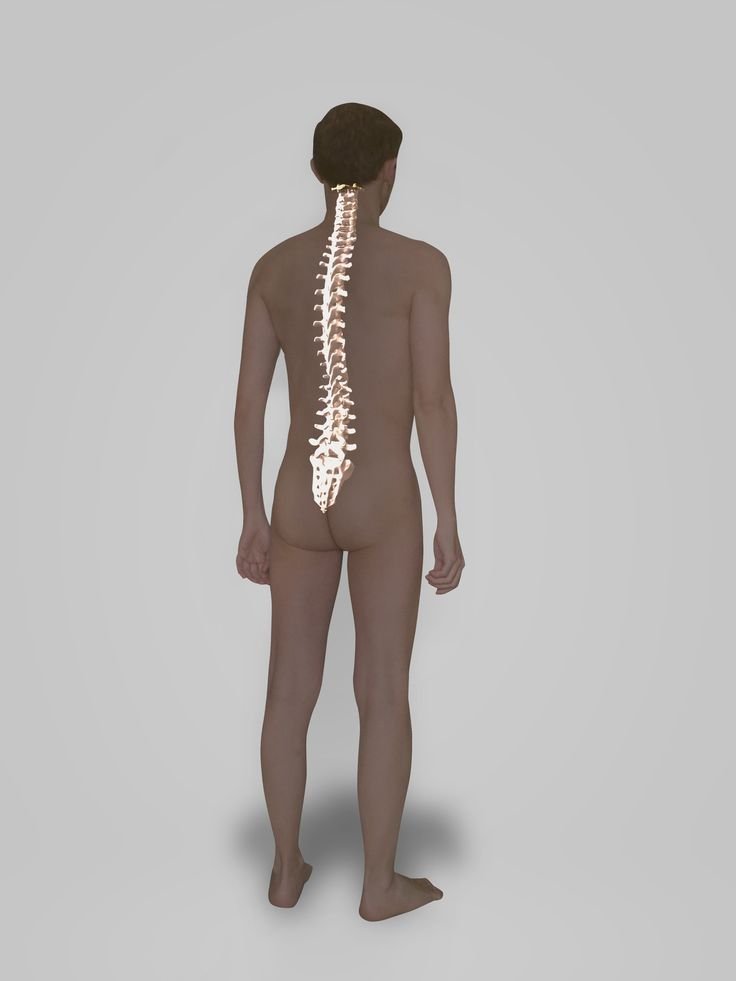
Photo: Robystarm07, CC0, via Wikimedia Commons
- Abdominal compression. Squeezing the stomach area raises pressure inside the abdomen, which may take some load off the lower spine.
- Motion limits. Stays, panels, or stiff fabric make extreme bending and twisting harder, which can reduce painful movements.
- Warmth. Neoprene and knit fabrics hold body heat, which many people find soothing for tight muscles.
- Body awareness. Feeling the brace reminds you to keep your back straight and lift with your legs.
Of these, body awareness may be underrated. Several researchers believe part of a brace’s benefit comes from simply making you more mindful of how you move.
Types of Back Braces and What Each Is Best For
Not every brace works the same way. Matching the type to your needs is one of the biggest factors in whether it helps.
| Type | Support level | Best for |
|---|---|---|
| Soft elastic belt | Light to moderate | Flare-ups, chores, long walks |
| Elastic with stays | Moderate | Work shifts, lifting, recovery from strain |
| Inelastic pulley brace | Firm | Chronic pain, people with weak grip |
| Rigid LSO brace | Maximum | Doctor-directed use after surgery or for fractures |
| Posture corrector | Upper back | Rounded shoulders, not lower back pain |
The 2026 trial used a soft, extensible belt, so the strongest evidence supports that style for everyday back pain. Rigid braces are a different tool and should usually be chosen with your doctor.
Older adults have their own needs, such as easy-on closures and lighter weight. See our guide to the best back braces for seniors for options designed with those needs in mind.
How to Get the Most Out of a Back Brace
If you decide to try a brace, these habits make it far more likely to help:
Wear It for Activities, Not All Day
Put the brace on for the tasks that trigger your pain, such as lifting, cleaning, gardening, or long drives. Take it off when you are resting, watching TV, or sleeping. This gives you support when you need it while keeping your core muscles active the rest of the time.
Get the Fit Right
A brace that is too loose does nothing, and one that is too tight can restrict breathing and dig into your skin. Measure around your belly button and follow the size chart. Our step-by-step guide on how to properly wear a back brace shows exactly where it should sit.
Pair It With Exercise
The best results come when a brace is part of a wider plan. Gentle walking, core strengthening, and stretching help your back recover and lower the chance of another flare-up. A brace can make it easier to stay active, but it should not replace that activity.
Combine It With Other Self-Care
Heat, gentle massage, and pain relief devices can work well alongside a brace. Our guide to lower back massage techniques covers simple methods you can try at home, and a TENS machine for body pain relief is another drug-free option some people find helpful.
Watch the Clock
Start with an hour or two at a time and see how your back and skin respond. If you notice red marks that do not fade, numbness, or new pain, loosen the brace or stop wearing it.
What Physical Therapists Say About Back Braces
In the video below, two physical therapists explain when a back corset or brace makes sense, and when it can hold you back.
Their view reflects what many clinicians say: use a brace as a short-term aid to get you through a painful period, then wean off it as your strength and confidence return.
Photo: Staff Sgt. Anthony Hyatt, U.S. Air Force, public domain
Signs You Should See a Doctor Instead
A back brace is for common aches and strains. See a doctor promptly if your back pain:
- Follows a fall, car accident, or other injury
- Comes with numbness, tingling, or weakness in your legs
- Comes with loss of bladder or bowel control
- Comes with fever, chills, or unexplained weight loss
- Is severe at night or does not ease with rest
- Has not improved after about four to six weeks
These can be signs of a problem that needs medical care rather than a brace.
Frequently Asked Questions
Do back braces really work for lower back pain?
Yes, for many people with recent lower back pain. A 2026 trial of 168 adults found that wearing a soft lumbar belt for 12 weeks, along with usual care, improved disability scores nearly twice as much as usual care alone.
Do back braces weaken your core?
They can if you wear one all the time. A 2019 study found lower oblique muscle activity in people who wore an elastic belt. Wearing a brace only for specific activities and doing core exercises helps prevent this.
Do back braces help prevent injury when lifting?
There is no strong evidence that they prevent injury in healthy people. NIOSH does not recommend back belts for preventing injuries in workers who have never been injured.
How long should you wear a back brace each day?
Most people do best wearing it for a few hours during the activities that cause pain, rather than all day. Follow your doctor’s advice if they have given you a specific schedule.
Is a rigid brace better than a soft one?
Not for everyday back pain. The strongest recent evidence supports soft, flexible belts. Rigid braces are usually reserved for specific medical situations under a doctor’s guidance.
Can a back brace replace physical therapy?
No. A brace can make movement more comfortable, but exercise and physical therapy address the strength and flexibility that help your back recover long term.
The Bottom Line
So, do back braces really work? For recent lower back pain, the best current evidence says yes. A soft lumbar belt worn alongside usual care can improve pain and daily function, as shown in a large 2026 randomized trial. Back braces are much less useful for preventing injuries in healthy people, and they are not a cure for long-term chronic pain.
If you try one, choose the right type and size, wear it for activities rather than all day, and pair it with exercise. When in doubt, ask a doctor or physical therapist which kind of support fits your situation. For a full comparison of options, see our guide to the best back braces.
This article is for general information and is not medical advice. Talk to your doctor before starting a new treatment for back pain.

Hi, I’m Mamon, the content creator behind this blog. I share my experience in blogging, WordPress, SEO, and affiliate marketing through honest product reviews, in-depth buying guides, and practical how-to articles. Every piece of content is thoroughly researched and written to help readers make informed decisions.
Leave a Reply