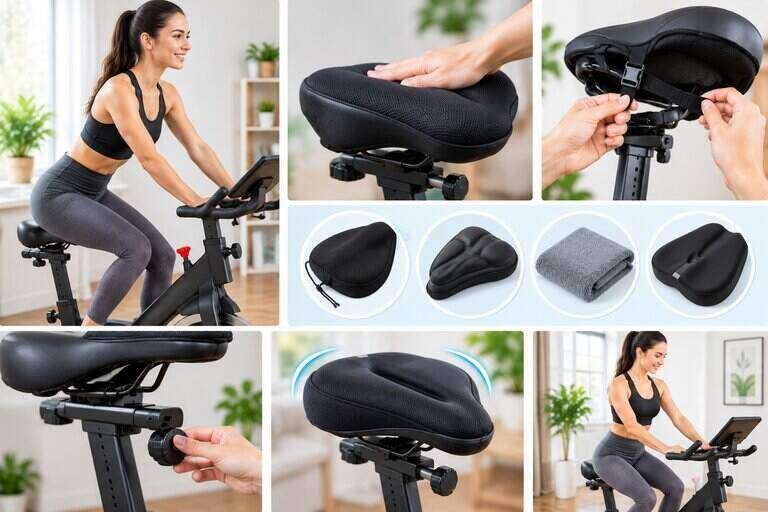
Figuring out how to make exercise bike seat more comfortable is one of the most common problems new riders run into. It is also one of the biggest reasons people quit a workout routine before it ever becomes a habit. A sore, numb, or aching seat area is not something you have to accept as the price of getting fit. Most of the discomfort comes down to a handful of fixable issues: seat position, clothing, friction, and how your body adapts over time.
This guide covers exactly how to make exercise bike seat more comfortable, starting with why the pain happens in the first place. From there, it walks through practical, low-cost fixes you can try today, along with a few signs that mean it is time to talk to a doctor instead of just switching shorts.
Understand the Problem
Before you can fix a painful seat, it helps to understand what is actually causing the discomfort. According to Cleveland Clinic, seat-related soreness on a bike generally comes down to three factors working together. The first is friction, from skin rubbing repeatedly against the seat. The second is moisture, since sweat softens skin and makes it more prone to irritation. The third is prolonged pressure on a small, sensitive area of the body.
Exercise bike seats are also narrower and firmer than a regular chair. That design concentrates your body weight onto a much smaller surface than what you are used to sitting on for long stretches. New riders tend to feel this the most, since the skin and muscles in the seat area have not yet adjusted to cycling-specific pressure. That does not mean you are doing anything wrong. It usually means your setup, clothing, and riding habits need a few adjustments before the discomfort goes away for good.
Adjust Your Seat Position First
Before buying anything or changing your clothes, check your bike’s fit. This is the fastest and cheapest way to make exercise bike seat more comfortable, and it is the step most riders skip entirely. Your seat height should allow a slight bend in your knee at the bottom of the pedal stroke. It should not be a fully locked leg or a knee that stays sharply bent through the whole stroke. A seat that sits too low forces more of your body weight directly onto the seat instead of your legs. That single issue is a common reason a seat suddenly feels unbearable after just a few minutes of riding.
Seat angle matters just as much as height. A nose that tilts up even slightly can dig into soft tissue and create pressure points within minutes. Most riders do best with the seat level, or tilted very slightly downward at the front. According to REI, a good fit and riding position should distribute your weight so that roughly a third rests on the seat, a third on the handlebars, and the rest on your feet. That balance keeps you from dumping most of your body weight straight down onto the saddle. If you are still learning how to make exercise bike seat more comfortable, start with this adjustment before trying anything else on this list.
Fore-and-aft position is the third piece of the puzzle, and it is easy to overlook. If the seat sits too far forward or too far back relative to the pedals, your weight shifts unevenly and certain areas take on more pressure than they should. Small adjustments here, an inch at a time, can make a noticeable difference in how a ride feels after 20 or 30 minutes.
Wear the Right Clothing
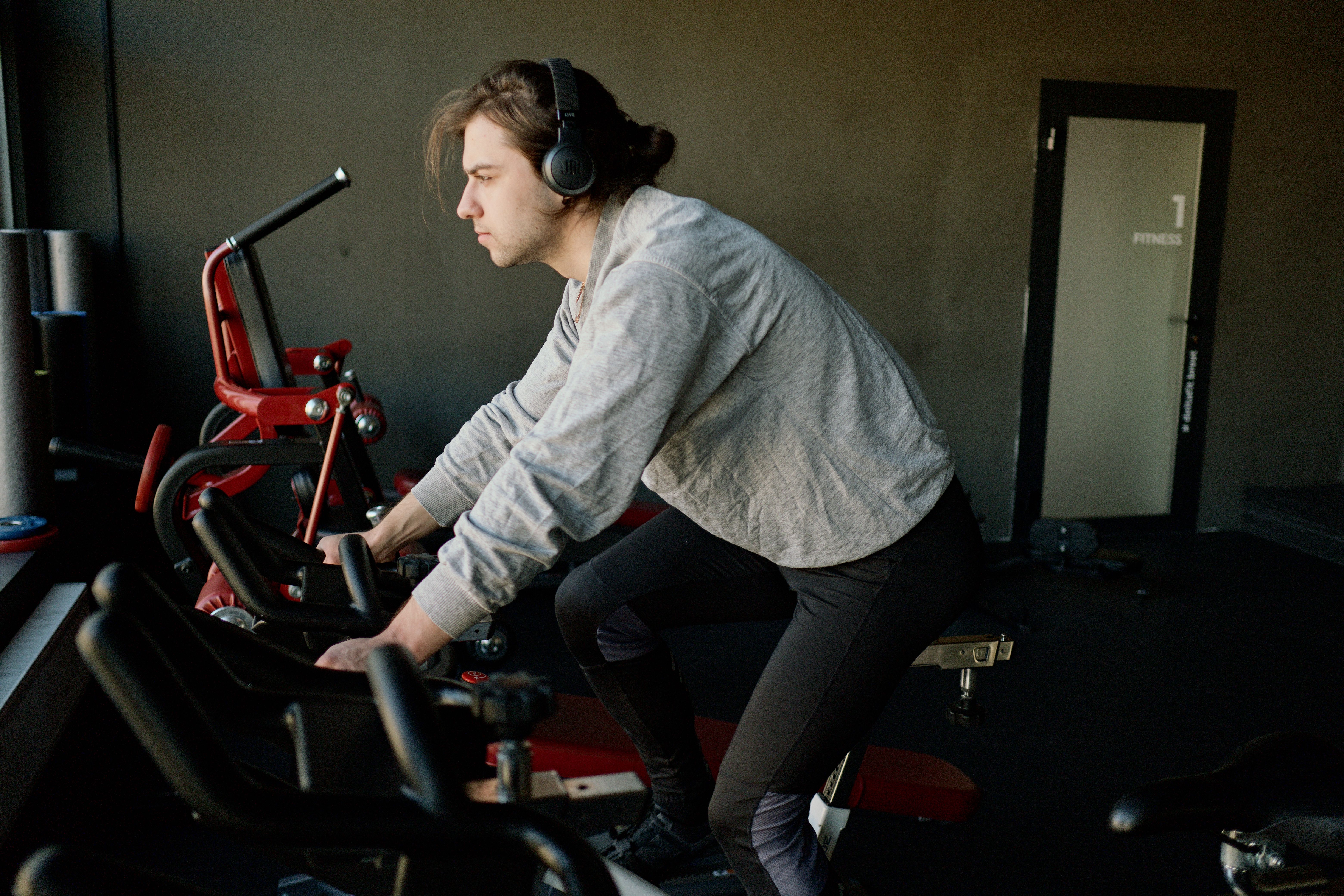
What you wear while riding has a bigger impact on comfort than most people expect. Padded cycling shorts, often called chamois shorts, are built with a layer of foam or gel padding sewn into the seat area. That padding exists specifically to reduce pressure and absorb friction during a ride. They are worn without underwear underneath, since the extra seam from regular underwear can rub and create new irritation of its own.
If you do not own cycling shorts yet, thicker sweatpants or leggings without prominent seams are a reasonable short-term substitute. Avoid anything with a thick center seam or rough inner fabric. That seam becomes the main point of contact with the seat over a 30- or 45-minute ride, and it can cause more irritation than the seat itself. Moisture-wicking fabric also helps, since trapped sweat is one of the three core causes of seat discomfort identified above.
Use Chamois Cream to Cut Down on Friction
Chamois cream, sometimes just called “shammy cream,” is a lubricant designed specifically for cyclists. It gets applied directly to the skin or to the padding of your shorts before a ride. Used correctly, it dramatically reduces the friction that builds up over repeated pedal strokes.
A thin layer is usually enough to make a difference. You do not need to soak the area, and reapplying mid-ride is rarely necessary for shorter home workouts under an hour. This one product solves a surprisingly large share of seat discomfort on its own. That is especially true for riders who already have a decent seat and reasonably padded shorts, but are still chafing after 15 or 20 minutes.
Chamois cream is inexpensive and widely available at sporting goods stores and online. It is one of the simplest answers to how to make exercise bike seat more comfortable without spending money on new equipment or a replacement bike.
Add a Padded Seat Cover
If your seat is simply too hard no matter what you wear, a gel or foam seat cover is often the next step. These slip over your existing seat and add an extra layer of cushioning. No tools or full seat replacement are required.
Look for a cover that is slightly wider than your current seat. A narrow cover just adds padding on top of the same pressure-distribution problem you already had. Wider covers spread your weight over more surface area, which is usually the actual goal.
Covers are not a permanent fix for every bike. If your exercise bike’s original seat is unusually small, oddly shaped, or simply worn out after years of use, replacing it outright may work better than layering a cover on top of a bad foundation. Our guide to the best upright exercise bikes is a useful starting point if you are shopping for a model with a genuinely comfortable stock seat. Our breakdown of what to look for in an exercise bike before buying covers seat width, padding type, and adjustability in more depth, which is worth reading before you spend money on either a cover or a whole new machine.
Stand Up and Take Short Breaks
Even with a perfectly adjusted seat, good shorts, and chamois cream, staying in one seated position for an entire workout puts continuous pressure on the same small area. Standing up periodically during your ride gives that area a break and improves blood flow to the tissue that has been under pressure.
Cleveland Clinic notes that riders who are prone to seat soreness often benefit from standing roughly once every couple of minutes. REI recommends standing on the pedals briefly every 10 minutes or so as a general guideline for longer rides. The exact interval matters less than the habit itself.
You do not need a formal interval structure to get the benefit. Simply shifting your weight, standing for 10 to 15 seconds every few minutes, or alternating between seated and standing intervals during your workout is enough. Over a full session, that small habit meaningfully reduces pressure-related discomfort by the time you finish.
Build Tolerance With Consistent Use
Even after making every adjustment above, most riders still notice some soreness during the first one to two weeks of a new routine. This is normal and expected. The skin and soft tissue in the seat area gradually toughen up with repeated, moderate exposure. It works a bit like how hands develop calluses from consistent manual work over time.
Riding for shorter sessions several times a week tends to build this tolerance faster than one long ride followed by a week off. Consistency matters more than intensity in these early weeks. Pushing through a single punishing session is far less effective than four shorter, more manageable rides spread across the same week.
Sticking with the habit pays off well beyond comfort, too. Our guide on how many calories an exercise bike burns breaks down what consistent riding can do for your fitness goals once the seat is no longer holding you back. Our article on how to lose weight on an exercise bike covers how to structure your workouts for results. If you are still deciding between equipment, our comparison of exercise bikes versus treadmills for weight loss is a helpful next read.
Common Mistakes That Make Seat Pain Worse
A few habits tend to undo all of the fixes above without riders realizing it. Riding in regular street clothes with thick seams is one of the most common. Another is leaving a seat cover loose or poorly secured, which lets it shift during a workout and creates new friction points instead of removing them.
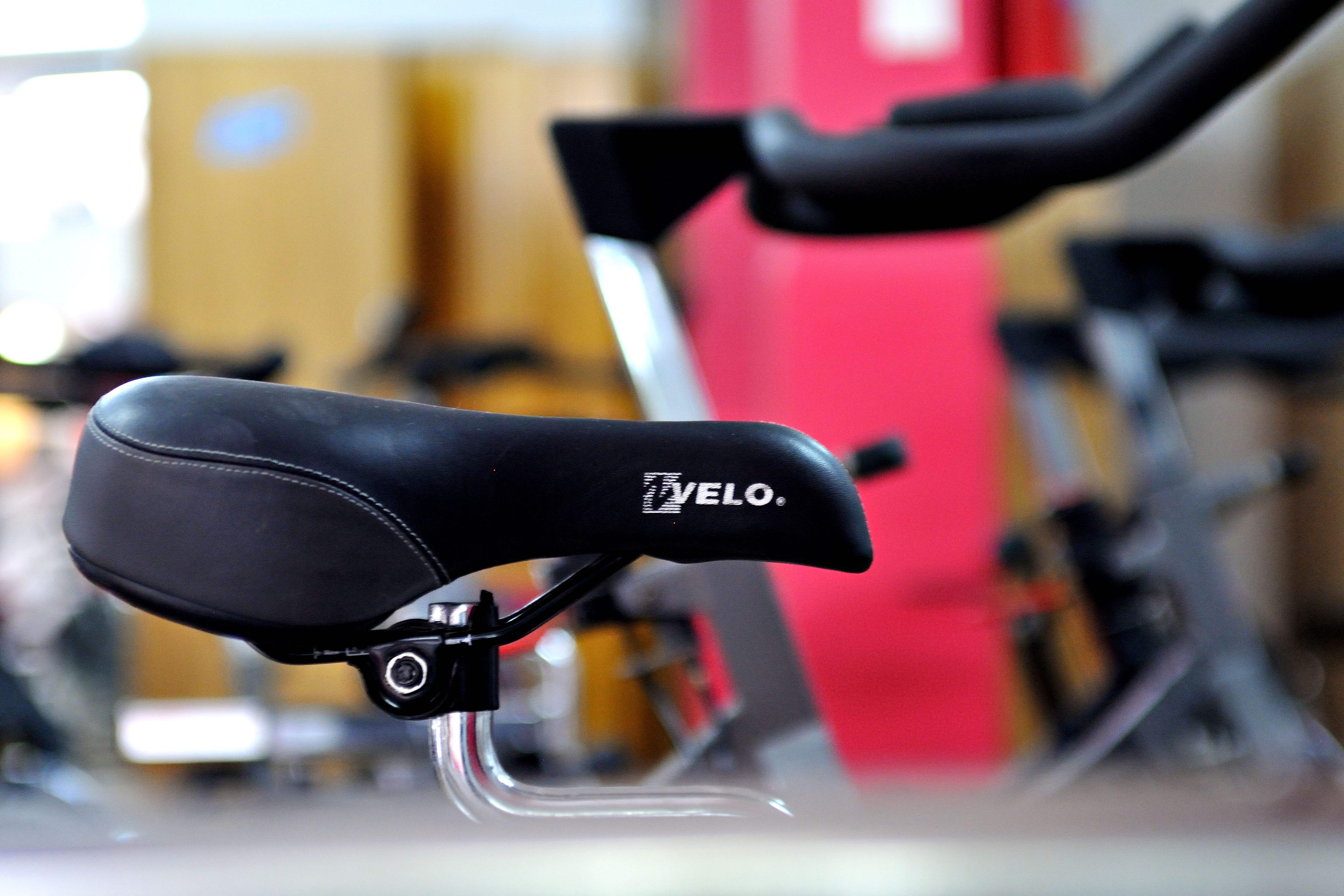
Skipping the seat-height check is another frequent mistake, especially for anyone who bought a used bike or shares one with someone of a different height. A seat that fits one household member perfectly can be genuinely painful for someone several inches taller or shorter. It is worth rechecking the height and angle any time a different person uses the same machine regularly.
Finally, some riders assume more padding always equals more comfort. That is not always true. An overly soft or thick cushion can compress unevenly under body weight and create new pressure points of its own, particularly for heavier riders or longer sessions.
Does the Type of Exercise Bike Matter?
Upright bikes and recumbent bikes distribute pressure differently, and that difference affects how urgent these fixes are. An upright bike puts more weight directly on the seat, similar to a traditional road bike, which is why seat discomfort tends to show up faster on this style of machine. A recumbent bike, with its wider, chair-like seat and reclined position, spreads weight across a larger area and typically causes less seat pressure from the start.
That does not mean recumbent riders never deal with discomfort, but it does mean the fixes above matter more for upright riders. If you are shopping around rather than troubleshooting a bike you already own, it is worth comparing both styles before you buy. Either way, the goal is the same: figure out how to make exercise bike seat more comfortable for your specific body and your specific machine, since a fix that works well for one rider does not always work the same way for another.
When Seat Pain Means More Than Discomfort
Occasional soreness during the adjustment period is expected. Persistent pain is not, and neither is numbness that does not go away after a ride. Signs of a sore that looks infected, such as increasing redness, swelling, or warmth, are also worth mentioning to a doctor rather than pushing through.
Cleveland Clinic points out that some seat-related sores form deeper under the skin, similar to an infected hair follicle. Those can need medical treatment rather than just a softer seat or better shorts. Knowing how to make exercise bike seat more comfortable is mostly about prevention, but it is still worth knowing when a simple fix is not enough and professional care is the better next step.
Conclusion
Learning how to make exercise bike seat more comfortable usually comes down to a short list of practical fixes rather than one dramatic solution. Start with your seat height and angle, since a poor fit is the most common and most overlooked cause of pain. From there, padded shorts, chamois cream, and a properly sized seat cover address friction and pressure directly. Standing periodically during your ride gives your body regular relief on top of those fixes.
Give your body a week or two to adjust before deciding a fix has not worked. Some initial soreness is a normal part of building tolerance, not a sign that something is wrong. If pain persists well beyond that adjustment period, or if you notice signs of infection, check in with a doctor rather than continuing to push through it. With the right combination of setup and habits, seat discomfort does not have to be the reason your workouts stall out before they really get started.

Hi, I’m Mamon, the content creator behind this blog. I share my experience in blogging, WordPress, SEO, and affiliate marketing through honest product reviews, in-depth buying guides, and practical how-to articles. Every piece of content is thoroughly researched and written to help readers make informed decisions.
Leave a Reply