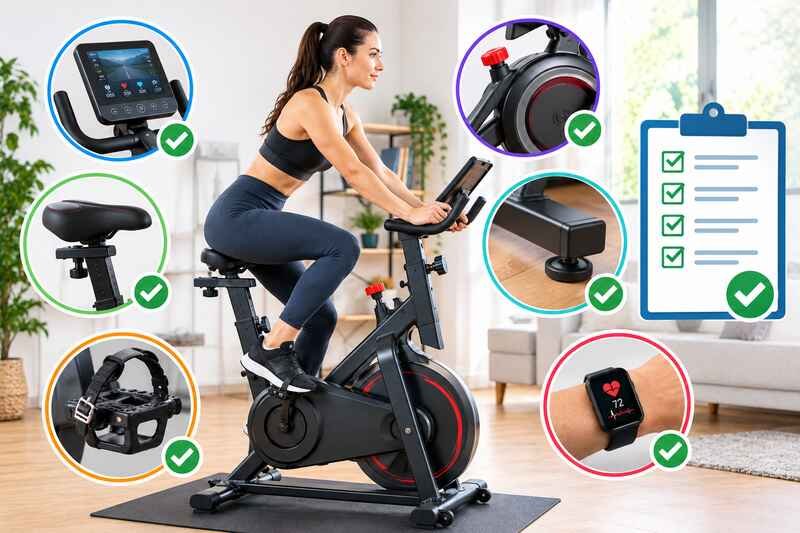
What should you look for in an exercise bike before you buy one? Eight things matter most: your purpose, the features, weight capacity, safety, ease of use, connectivity, price, and warranty.
Exercise bikes have been around for decades, but demand exploded during the pandemic, and dozens of brands now compete for your money. That’s great for choice, but it also makes picking the right one more confusing than it needs to be.
There are several types of exercise bikes, including upright, recumbent, indoor cycling (spin), and folding models. Each type has real advantages, and the “best” one depends entirely on your body, your space, and your goals.
All exercise bikes offer real benefits: lower disease risk, better weight management, stronger bones and muscles, and improved physical and mental health. But those benefits only show up if you actually use the bike consistently, which is exactly why fit matters more than any single spec sheet. This guide walks through exactly what to check before you buy, so you don’t end up with an expensive bike gathering dust in the corner.
Key Takeaways
- Start with your purpose. A casual rider and a serious HIIT trainer need different features and price points.
- Weight capacity and seat comfort determine whether you’ll actually keep riding after week one.
- Safety features like a covered flywheel matter most in homes with children or pets.
- Price ranges from under $300 for basic models to over $2,000 for connected bikes with app-based classes.
Types of Exercise Bikes to Consider
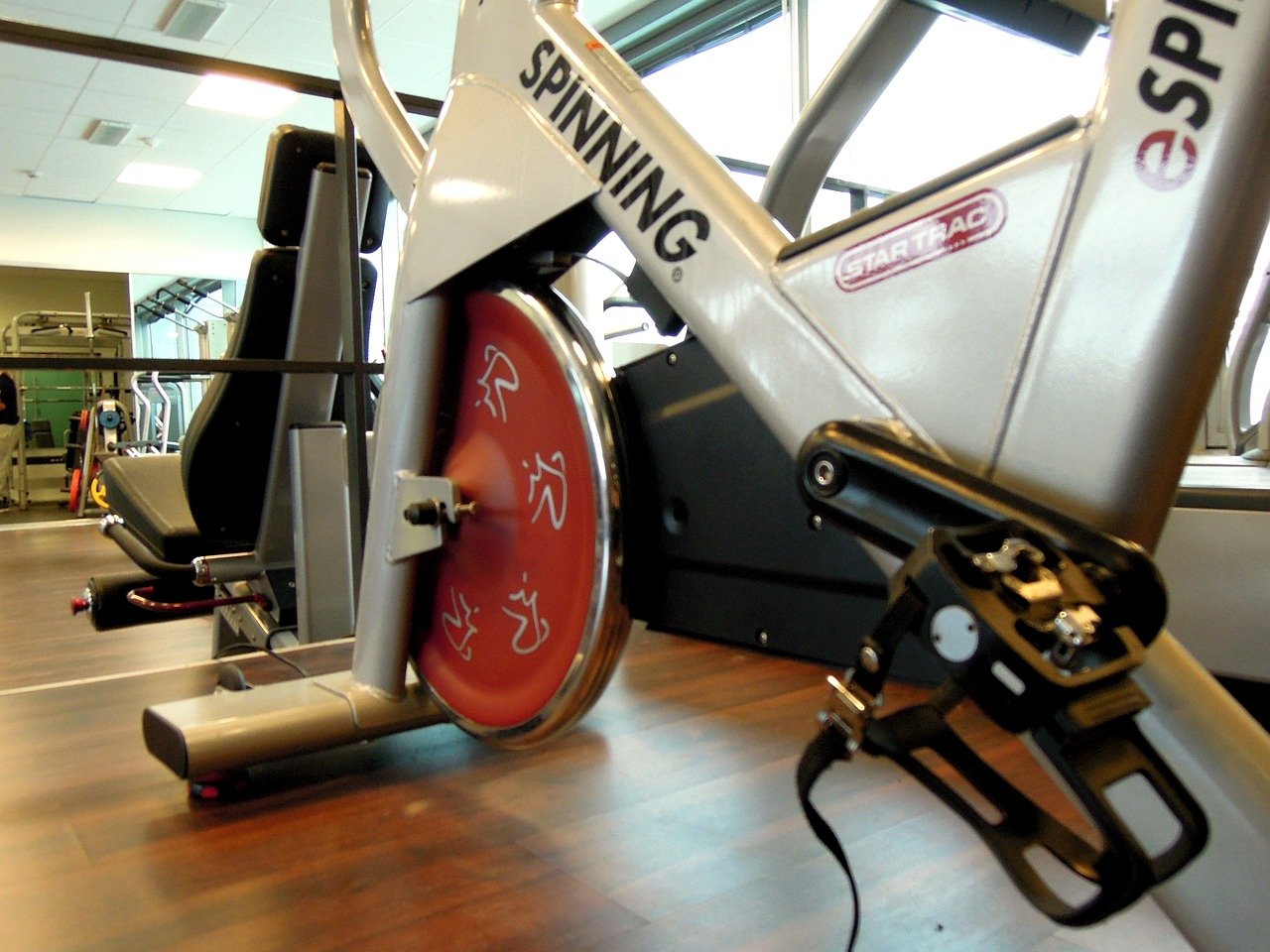
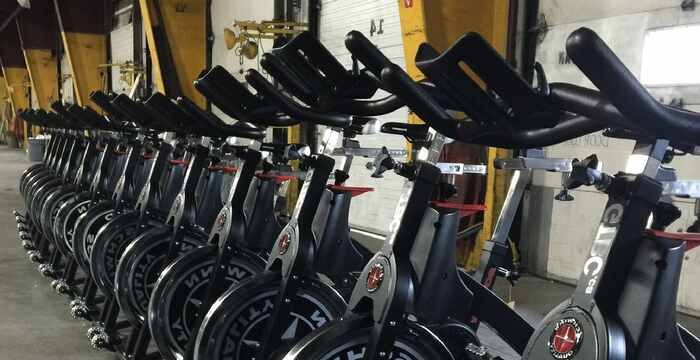 An upright bike feels closest to a regular outdoor bicycle and tends to engage more muscle groups. A recumbent bike has a reclined seat with back support, which is easier on your lower back and joints. An indoor cycling or spin bike is built for standing, high-intensity intervals and typically has a heavier flywheel. A folding bike is either style built with a hinge to save floor space when you’re not using it.
None of these is objectively “better.” See our guides on the best upright exercise bikes, best recumbent exercise bikes, and best folding exercise bikes for model-specific comparisons of each type.
Upright vs. Recumbent vs. Spin: Which Type Fits You Best?
Each bike type suits a different rider. Use this table as a starting point, then narrow down using the eight factors below.
| Bike Type | Best For | Watch Out For |
| Upright | Riders who want an outdoor-bike feel and higher calorie burn | Seat comfort on longer rides |
| Recumbent | Beginners, seniors, or anyone with back or joint pain | Larger footprint than upright models |
| Indoor cycling (spin) | High-intensity interval training and standing climbs | Narrower, firmer seat than recumbent models |
| Folding | Small apartments or shared living spaces | Slightly less stable frame than fixed models |
8 Factors to Consider When Buying an Exercise Bike
1. Purpose and Fitness Goals
Start by evaluating how often you’ll actually use the bike and what you want from it. A basic model is fine for light, occasional cardio. If you’re training for weight loss or plan to do structured interval workouts, you’ll want a bike with more resistance levels and a sturdier frame.
Be honest about your habits, not your intentions. Someone who rides three times a week needs less bike than someone planning daily hour-long sessions. Our guide on how to lose weight on an exercise bike can help you set a realistic goal before you shop.
2. Key Features
Look for an adjustable, cushioned seat. A hard, non-adjustable seat is one of the top reasons people stop using their bike. Check whether the display tracks time, distance, resistance level, and calories, and whether it includes a pulse or heart rate monitor. If seat discomfort becomes an issue after you buy, our guide on making your exercise bike seat more comfortable covers practical fixes.
3. Weight Capacity and Stability
Every exercise bike lists a maximum weight capacity. Choose a model rated comfortably above your body weight, not right at the limit. If you’re shopping in person, test whether the bike wobbles while pedaling from a standing position. If you’re buying online, the weight capacity listed in the specs is your best proxy for how stable and well-built the frame is.
Heavier bikes, generally with a steel frame and a substantial flywheel, tend to feel more stable during hard efforts than lightweight budget models. If you plan to do standing intervals or use higher resistance levels, prioritize a bike with a higher stated weight capacity. This holds even if it exceeds your own body weight by a wide margin.
4. Safety Design
Exercise bikes have moving parts, including the flywheel and chain or belt drive, and these should be fully covered on any bike you buy. This matters most in households with children or pets nearby. The U.S. Consumer Product Safety Commission’s fitness safety guidance is a useful resource on general home exercise equipment safety.
5. Ease of Use
A bike loaded with features is only useful if you can actually operate them without frustration. Before buying, check reviews or demo videos for how intuitive the console and resistance controls are. A simpler bike you actually understand beats an advanced one that intimidates you into skipping workouts. Pay attention to how resistance is adjusted, too. A manual dial is simple and reliable. Electronic resistance is more precise, but it’s also another part that can eventually break.
6. Connectivity and Compatibility
If you want to stream workout apps, sync with a fitness tracker, or use wireless headphones, check for Bluetooth or Wi-Fi support before you buy. Not every bike offers this, and it’s much easier to check the spec sheet than to add connectivity after the fact.
7. Price and Budget
Exercise bikes range from a couple hundred dollars to well over $2,000. According to Consumer Reports’ exercise bike buying guide, connected bikes with app-based classes typically start around $1,400, while conventional, non-connected bikes usually run under $1,000. A basic model covers the fundamentals; advanced features and connected apps raise the price quickly.
8. Warranty Coverage
Check what the manufacturer’s warranty actually covers and for how long. Ideally, look for lifetime coverage on the frame and at least two to three years on parts and labor. Ask whether extended warranty options are available for discounted future repairs.
Exercise Bike Price Ranges at a Glance
| Category | Typical Price | What You Get |
| Budget | $150-$400 | Basic resistance, simple display, manual adjustments |
| Mid-range | $400-$1,000 | Better build quality, more resistance levels, heart rate monitor |
| Connected/Premium | $1,400+ | Touchscreen, app-based classes, live or on-demand instructors |
Where Should You Put Your Exercise Bike?
Space is a practical factor buyers often overlook until after delivery. Measure the footprint of the model you’re considering. Add a couple of feet of clearance on each side for your arms and knees during standing intervals. A folding bike is worth considering in small apartments or shared living spaces, since it can be tucked against a wall between sessions.
Prefer to keep a full-size bike but tuck it away when guests come over? Our guide on hiding exercise equipment in your living room has practical setup ideas. Also consider flooring: a mat under the bike protects your floor and reduces noise and vibration, especially in apartments.
How Long Should an Exercise Bike Last?
A well-built exercise bike used a few times a week can reasonably last 7-10 years with basic maintenance. Cheaper models with plastic components tend to wear out sooner, especially the pedals, seat post, and resistance mechanism.
Regular maintenance extends this considerably. Wipe down the frame after sweaty sessions, keep the flywheel free of dust, and check pedal and seat bolts periodically for looseness. This is also where warranty coverage becomes relevant again. A bike backed by a strong warranty is a signal. It tells you the manufacturer expects it to hold up over years of regular use, not just the return window.
Buying Checklist: Questions to Ask Before You Buy
- What’s my main goal: general fitness, weight loss, or structured training?
- Is the seat adjustable, and does it look comfortable for longer sessions?
- Is the weight capacity comfortably above my body weight?
- Are the flywheel and moving parts fully covered?
- Do I need Bluetooth, Wi-Fi, or app compatibility?
- Does the price fit my budget once I include delivery and assembly?
- What exactly does the warranty cover, and for how long?
Common Mistakes to Avoid When Buying an Exercise Bike
Buying Based on Price Alone
The cheapest bike often has the least stable frame and the shortest warranty. Weigh the price against build quality and what you’ll actually use.
Skipping the Weight Capacity Check
Buying a bike rated right at or below your body weight leads to premature wear and a wobbly, unstable ride. Always leave a comfortable margin.
Ignoring Where It Will Actually Live
A bike that doesn’t fit your space, or one you have to disassemble to store, quickly turns into a bike you stop using. Measure your space before you buy, not after delivery.
Not Checking Assembly and Delivery Details
Some bikes arrive fully assembled, while others require an hour or more of setup, sometimes with a second person. Check the listing or ask the retailer before you buy if you’d rather avoid a complicated build.
Watch: How to Choose the Right Exercise Bike
This video walks through the practical differences between bike types and features:
Frequently Asked Questions
Choosing a Bike
What’s the most important thing to look for in an exercise bike?
Match the bike to your actual purpose and workout habits first. Features and price matter less than whether you’ll consistently use the bike you choose.
Is a recumbent or upright bike better for beginners?
A recumbent bike is often more comfortable for beginners and anyone with back or joint concerns, thanks to its reclined seat and back support.
How much should I expect to spend on a decent exercise bike?
A solid mid-range bike with good build quality and a heart rate monitor typically falls between $400 and $1,000, depending on the brand and features.
Practical Concerns
Do I need a bike with a screen or app connectivity?
No. A screen and app subscription add convenience and structure, but a bike without them still delivers a full workout if you’re motivated to use it consistently.
How do I know if a bike’s weight capacity is safe for me?
Choose a model with a maximum weight capacity comfortably above your own body weight, not one that’s rated right at your limit.
What should I check before buying a used exercise bike?
Test the pedals, resistance dial, and seat adjustment for smooth operation, and check the flywheel cover and frame for cracks, rust, or looseness before you buy.
Should I buy an exercise bike online or in a store?
Buying in person lets you test the seat and stability firsthand. Buying online usually offers a wider selection and often better prices, so check the return policy if you can’t test the bike beforehand.
Is a more expensive exercise bike always better?
Not necessarily. A higher price often buys app connectivity and touchscreens rather than a fundamentally better workout. A well-built mid-range bike delivers the same core fitness benefits as a premium connected model.
Conclusion
Whether you want a basic model or a fully connected one, there’s an exercise bike suited to your goals, space, and budget. Work through your purpose, the key features, weight capacity, safety, ease of use, connectivity, price, and warranty, and you’ll narrow the field quickly.
These factors are guidelines, not rules. The right exercise bike is simply the one that fits your body, your space, and your budget well enough that you’ll actually ride it. Take your time comparing a few models against the checklist above rather than buying on impulse. A little research now saves you from an expensive bike that ends up as a clothes rack within a month.
Want to see exactly how much a bike like this can help with weight loss? Check our guide on exercise bike versus treadmill for weight loss. Or find out how many calories an exercise bike burns at your pace.

Hi, I’m Mamon, the content creator behind this blog. I share my experience in blogging, WordPress, SEO, and affiliate marketing through honest product reviews, in-depth buying guides, and practical how-to articles. Every piece of content is thoroughly researched and written to help readers make informed decisions.
Leave a Reply