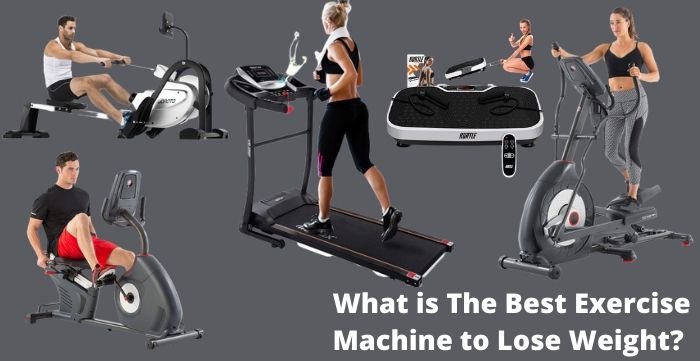
What is the best exercise machine to lose weight? For most people, it’s the one that burns the most calories in a way they’ll actually keep doing. Rowing machines and treadmills tend to burn the most calories per session for a given effort level, ellipticals and exercise bikes are easier on the joints, and the honest answer is that consistency matters more than any single machine’s calorie count on paper.
Obesity and being overweight remain major health concerns in the U.S., linked to higher risk of heart disease, high cholesterol, and other chronic conditions. That’s why so many people start their weight loss journey by asking which piece of equipment will get them there fastest. This guide breaks down the four most popular exercise machines, treadmill, exercise bike, elliptical, and rowing machine, with real calorie-burn data, honest pros and cons, and guidance on picking the machine that fits your body and your life, not just the one with the best marketing.
Key Takeaways
- According to Harvard Health, calorie burn varies by body weight and intensity, but rowing and treadmill running at a solid pace tend to burn the most calories per 30-minute session among home machines.
- The elliptical and exercise bike put the least strain on your joints, making them a better fit if you have knee, hip, or lower back concerns.
- The CDC recommends at least 150 minutes of moderate-intensity aerobic activity a week for adults; any of these four machines can help you meet that target.
- The best exercise machine to lose weight is ultimately the one you’ll use consistently, since adherence matters more for long-term results than small differences in calories burned per session.
How to Choose the Best Exercise Machine for Your Goals
Before comparing individual machines, it helps to know what actually determines whether a machine works for you. A few factors matter more than brand or price:
- Calories burned per session. More muscle mass engaged generally means a higher calorie burn, which is why full-body machines like rowers tend to top the charts.
- Impact on your joints. If you have knee, hip, or lower back issues, a low-impact machine like an elliptical or exercise bike will let you exercise consistently without aggravating pain.
- How likely you are to actually use it. The machine that burns the most calories on paper is worthless if it sits unused in a corner. Pick equipment you find at least somewhat enjoyable.
- Available space and budget. Rowing machines and treadmills generally need more floor space than exercise bikes; prices vary widely within each category.
- Noise level, especially in shared or apartment living. Rowing machines and some treadmills can be noticeably louder than exercise bikes, which is worth considering if you live in close quarters with neighbors below or beside you.
None of these factors matters in isolation. A rowing machine with the highest calorie burn on paper is still the wrong choice if chronic lower back pain makes proper form difficult, just as the quietest exercise bike is the wrong choice if you find cycling sessions boring enough to skip. Weigh all of these factors together against your own circumstances before deciding.
With those factors in mind, here’s how each of the four major exercise machines stacks up.
Treadmill
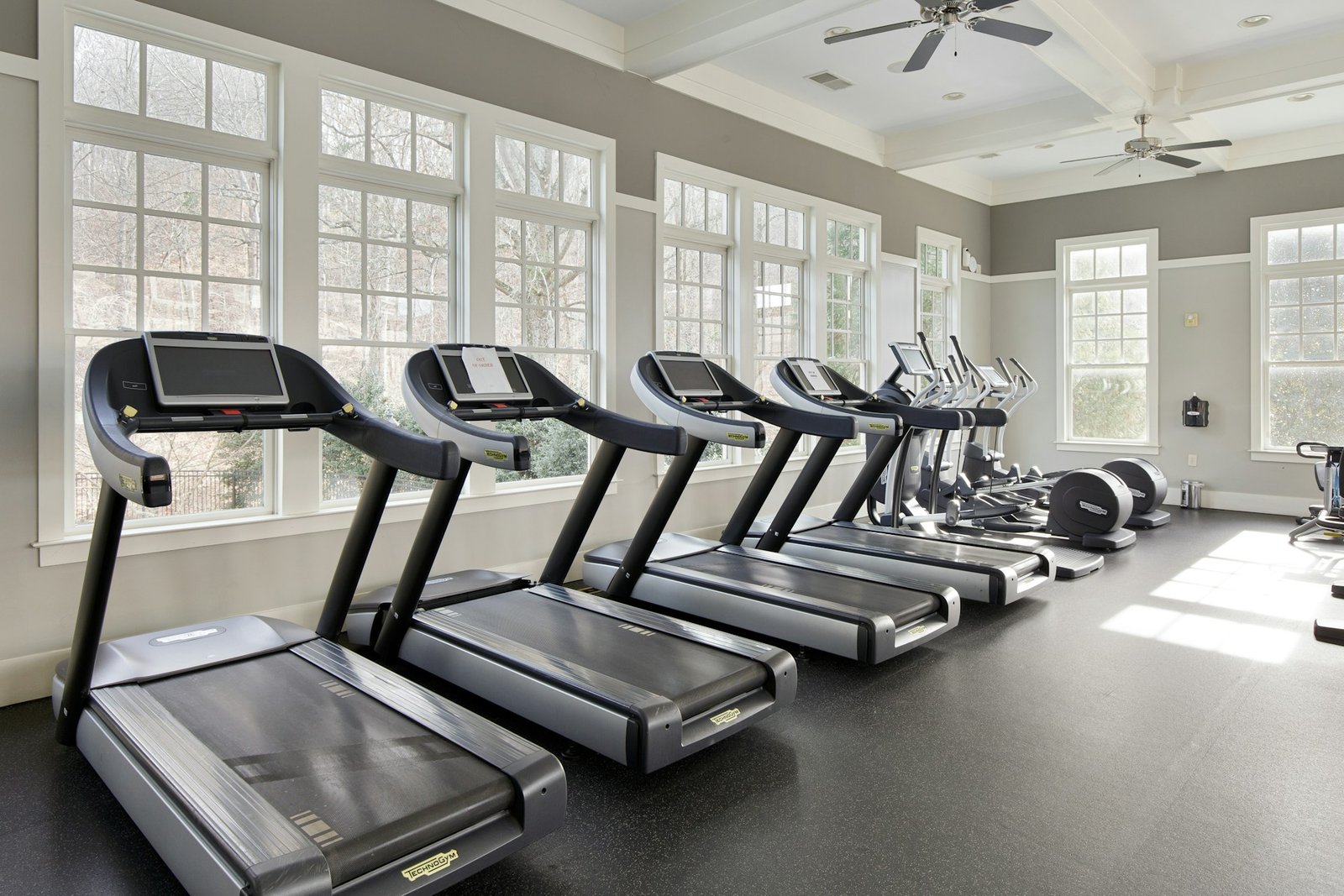
The treadmill remains the most popular piece of home and gym cardio equipment, and for good reason: it’s simple, versatile, and closely mimics the walking and running most people already know how to do. Running on a treadmill is generally easier on your joints than running outdoors on pavement, since most treadmill decks have some shock absorption built in. You can vary your workout with incline changes, intervals, or a steady jog, which helps keep sessions from feeling repetitive.
According to Harvard Health, a person running at a 10-minute-mile pace for 30 minutes burns roughly 298 to 372 calories depending on body weight, and adding incline increases that further. Walking briskly on a treadmill still burns a meaningful amount, roughly 167 calories in 30 minutes for a 155-pound person at a moderate pace, which makes the treadmill flexible enough for both beginners and more advanced exercisers.
Treadmill Pros
- Simulates real running and walking, so there’s little learning curve
- Easier on joints than running outdoors, thanks to deck cushioning
- Burns a high number of calories, especially with incline or speed intervals
- Easy to watch TV, listen to a podcast, or read while walking at a moderate pace
Treadmill Cons
- Primarily works the lower body; doesn’t engage your arms, back, or core as directly as a rower
- Running, even on a treadmill, carries more impact than elliptical or cycling workouts
- Can feel monotonous without variety in incline, speed, or entertainment
Exercise Bike
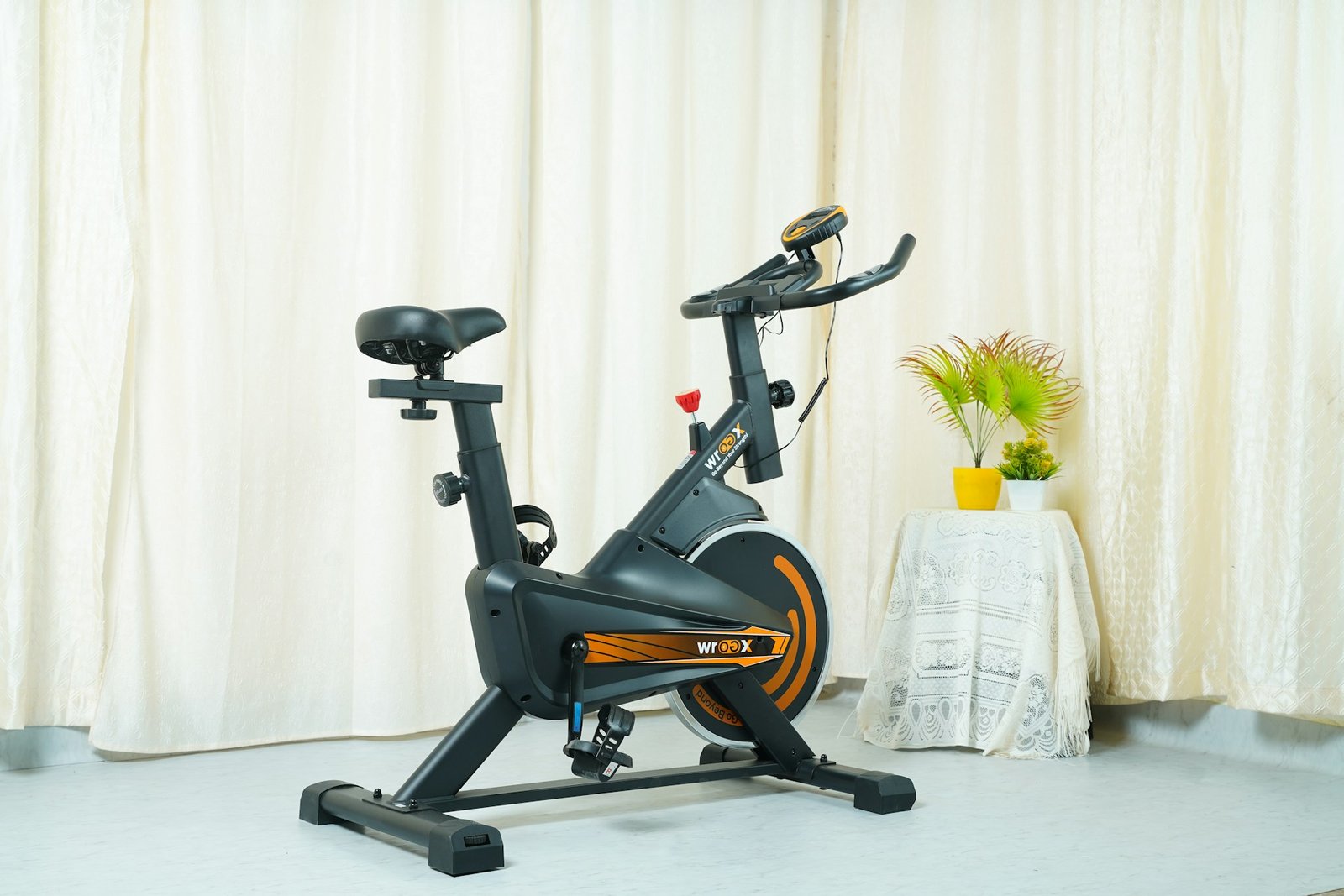
Exercise bikes are typically the most affordable and space-efficient of the four options, and they put substantially less strain on your knees, hips, and lower back than running does. That makes them a common starting point for beginners, people returning to exercise after an injury, or anyone managing joint pain.
Harvard Health data suggests a 155-pound person cycling at a moderate pace burns about 260 calories in 30 minutes, and that number climbs significantly with higher resistance or a vigorous pace, up to roughly 400 calories in 30 minutes for more intense sessions. A vigorous spin class can burn closer to 700 calories an hour. The wide range in intensity is part of what makes exercise bikes appealing: you can dial the workout up or down without changing machines.
Exercise Bike Pros
- Low impact on knees, hips, and lower back
- Wide range of resistance levels for beginners through advanced users
- Generally quieter and more compact than treadmills or rowers
- Some models fold for easier storage
Exercise Bike Cons
- Works primarily the lower body, with limited upper-body engagement
- Long sessions can cause seat discomfort for some users
- Calorie burn at a light pace is lower than treadmill running or vigorous rowing
Elliptical
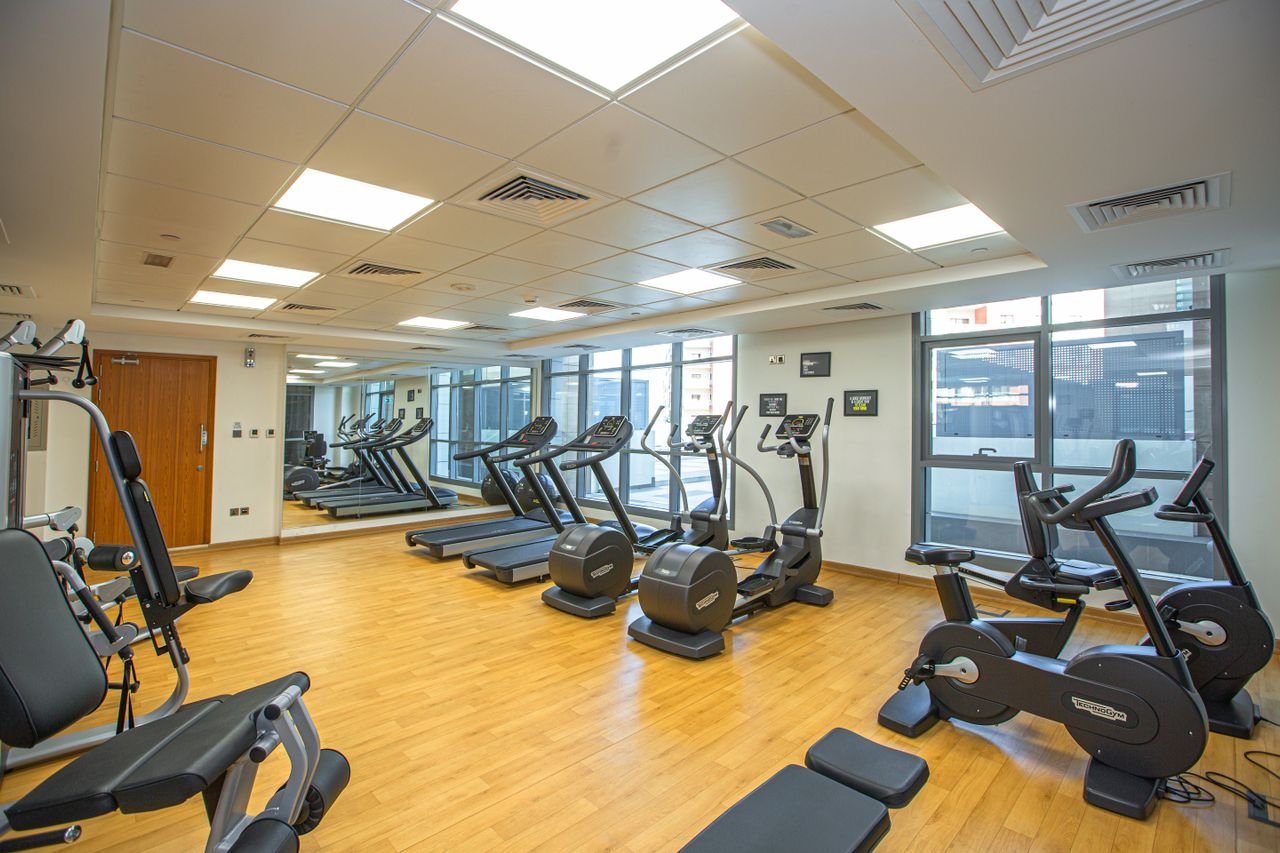
The elliptical is often positioned as the low-impact alternative to the treadmill, and that reputation is well earned. The gliding motion combined with moving handlebars means your feet never leave the pedals and your joints absorb very little shock, while still letting you engage your arms, chest, and back along with your legs.
According to a Harvard Health-sourced comparison, a 155-pound person burns about 335 calories on an elliptical in 30 minutes, which is close to, though slightly below, treadmill running at a similar intensity. Other sources put elliptical calorie burn in the 270 to 378 calorie range over 30 minutes depending on body weight, making it one of the more efficient low-impact options available.
Elliptical Pros
- One of the best low-impact options for weight loss
- Engages the upper body (chest, back, and arms) in addition to the legs
- Reversing your stride lets you target different muscle groups in one session
- Comparable calorie burn to treadmill running with far less joint stress
Elliptical Cons
- No true incline feature the way most treadmills have
- Quality ellipticals with a smooth stride tend to cost more than comparable treadmills or bikes
- The fixed stride pattern can feel less natural than walking or running to some users
Rowing Machine
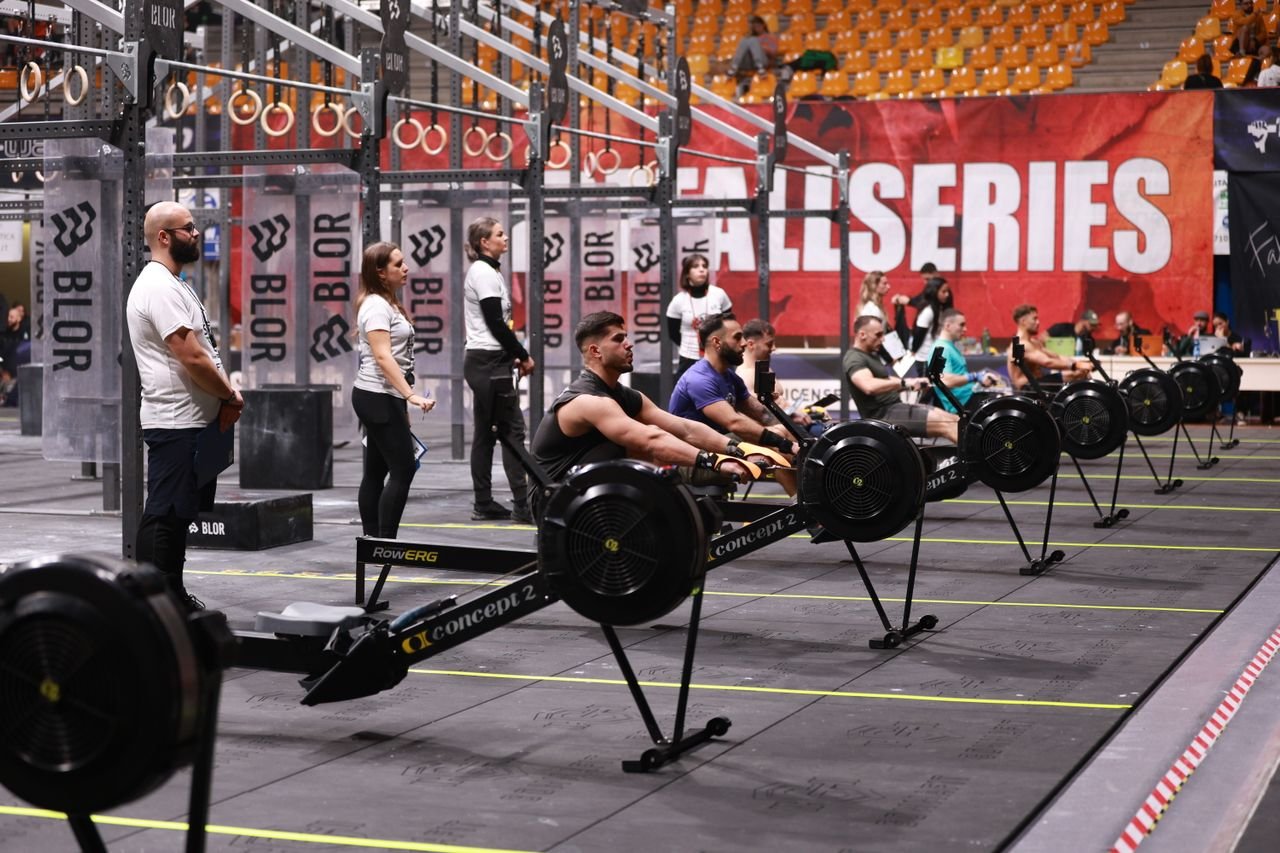
Of the four machines, the rowing machine offers the most complete full-body workout. Each stroke engages your legs, core, back, and arms in sequence, which is why rowing machines are frequently cited as the highest calorie-burning option among common home cardio equipment, engaging an estimated 86% of the body’s major muscle groups in a single movement pattern.
Harvard Health data shows rowing at a moderate pace burns about 210 to 311 calories in 30 minutes depending on body weight, climbing to roughly 255 to 377 calories at a vigorous pace. Because rowing recruits so much muscle mass at once, some sources report hourly totals well over 600 calories for sustained, higher-intensity sessions.
Rowing Machine Pros
- Works nearly your entire body in a single, efficient movement
- One of the highest calorie burns per session among home cardio machines
- Low impact on the joints despite the intensity of the workout
- Doubles as both a cardio and light strength-training tool
Rowing Machine Cons
- Poor form can strain your lower back, so proper technique matters more here than on other machines
- Some models are noisier than treadmills, bikes, or ellipticals
- The learning curve for correct rowing form is steeper than simply walking or pedaling
Which Machine Fits Your Situation Best
Beyond the general pros and cons, it helps to match the machine to your specific situation:
If you’re completely new to structured exercise, an exercise bike is usually the most forgiving starting point. The seated position removes balance concerns, resistance is easy to adjust in small increments, and there’s essentially no technique to learn before you can start pedaling effectively.
If you have knee, hip, or lower back pain, lean toward the elliptical first, and consider the exercise bike as a close second. Both minimize the repetitive impact that can aggravate existing joint issues, while still letting you reach a moderate-to-vigorous effort level.
If you’re short on time and want maximum calorie burn per minute, the rowing machine or treadmill running are your best options, since both recruit large amounts of muscle mass and elevate your heart rate quickly. A 20-minute rowing session at a strong pace can rival a 30-minute session on a lower-intensity machine.
If you want a full-body workout without lifting separate weights, the rowing machine stands out, since it’s the only one of the four that meaningfully works your back, arms, and core alongside your legs in every stroke.
If space or budget is your main constraint, a compact or folding exercise bike typically offers the best value, since bikes tend to be less expensive than comparable treadmills or rowing machines and take up less floor space.
Common Mistakes That Slow Down Results
Regardless of which machine you choose, a few habits tend to undercut results across the board:
- Staying at the same low intensity indefinitely. Your body adapts to a consistent workload over time, so calorie burn from an identical session gradually decreases. Periodically increasing speed, resistance, or incline keeps your workouts effective.
- Skipping strength training entirely. Cardio machines are excellent for calorie burn, but the CDC also recommends muscle-strengthening activity at least twice a week. More muscle mass supports a higher resting metabolic rate, which helps with long-term weight management.
- Overestimating calories burned. Built-in machine calorie counters are frequently inaccurate, sometimes overestimating burn by a meaningful margin. Use the numbers as a rough guide rather than an exact figure to base your diet around.
- Choosing a machine based on trends rather than fit. The most talked-about equipment on social media isn’t necessarily the right choice for your joints, goals, or available space. The comparison above is a better starting point than what’s currently popular.
- Expecting the machine to work without dietary changes. Exercise supports a calorie deficit; it rarely creates one on its own for most people, especially if increased hunger leads to eating back the calories burned.
How Much Exercise Do You Actually Need?
Regardless of which machine you choose, it helps to know the target you’re working toward. The CDC recommends adults get at least 150 minutes of moderate-intensity aerobic activity a week, or 75 minutes of vigorous-intensity activity, along with muscle-strengthening activity at least two days a week. That works out to about 30 minutes a day, five days a week, of brisk walking, cycling, or a similar moderate-effort activity, and any of the four machines covered here can help you meet that goal.
It’s worth noting that weight loss itself comes primarily from a calorie deficit, meaning you burn more than you consume, and physical activity is what helps you maintain that loss over time. In other words, the machine supports your effort; it doesn’t replace attention to diet.
Quick Comparison Summary
- Highest calorie burn per session: Rowing machine and treadmill running are typically the top performers, assuming a solid intensity level.
- Best for joint concerns: Elliptical and exercise bike put the least stress on knees, hips, and lower back.
- Best full-body engagement: Rowing machine, since it recruits the legs, core, back, and arms in one motion.
- Best for beginners: Exercise bike, thanks to its low learning curve and adjustable resistance.
- Most space-efficient: Exercise bike, especially folding models.
Frequently Asked Questions
What is the best exercise machine to lose weight if I have knee pain?
An elliptical or exercise bike is generally the better choice, since both put significantly less stress on the knees than treadmill running or high-impact rowing.
Which machine burns the most calories in 30 minutes?
Based on Harvard Health data, treadmill running at a solid pace and vigorous rowing tend to burn the most calories per 30-minute session, though the exact number depends heavily on your body weight and effort level.
Do I need to use the same machine every day?
No. Many people rotate between machines to reduce boredom, work different muscle groups, and lower the risk of overuse injuries from repeating the same motion daily.
How many minutes a week should I aim for?
The CDC recommends at least 150 minutes of moderate-intensity activity a week, which can be split across multiple machines or sessions in whatever way fits your schedule.
Is a more expensive machine always better for weight loss?
Not necessarily. A less expensive machine you’ll actually use consistently will do more for your weight loss goals than an expensive one that goes unused. Prioritize a machine that fits your budget, space, and preferences.
Can I lose weight using just one of these machines without changing my diet?
It’s possible but slower and harder to sustain. Weight loss ultimately comes down to a calorie deficit, and diet changes are typically the more efficient lever to pull, with exercise machines playing a supporting role in both the deficit and, importantly, in maintaining weight loss over time.
Should beginners start with short or long sessions?
Shorter sessions, around 15 to 20 minutes, are usually more sustainable when you’re just starting out. Building consistency first, then gradually extending session length or intensity, tends to produce better long-term adherence than starting with an ambitious 45-minute routine you can’t maintain.
Conclusion
So, what is the best exercise machine to lose weight? Rowing machines and treadmills tend to burn the most calories for a given effort level, while ellipticals and exercise bikes offer a gentler option for anyone managing joint concerns. The honest answer, though, is that the most effective machine is the one you’ll actually use regularly. Evaluate your own joints, goals, available space, and what keeps you motivated, then commit to consistent sessions that add up to the CDC’s recommended 150 minutes a week. For more on building out your home gym, browse our exercise equipment category, our guides to treadmills and rowing machines, or check out our whole body vibration machine guide if you’re considering a different kind of equipment altogether.

Hi, I’m Mamon, the content creator behind this blog. I share my experience in blogging, WordPress, SEO, and affiliate marketing through honest product reviews, in-depth buying guides, and practical how-to articles. Every piece of content is thoroughly researched and written to help readers make informed decisions.
Leave a Reply