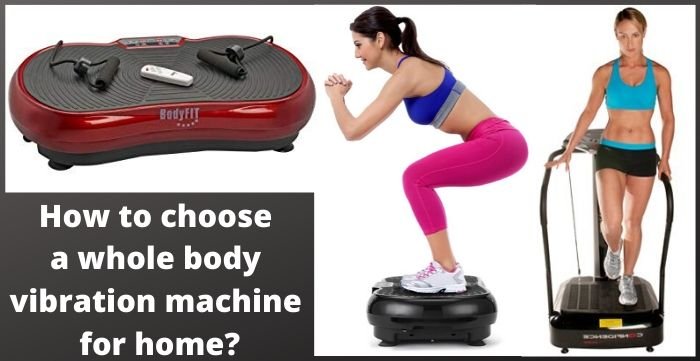
How to choose a whole body vibration machine comes down to five key factors: the type of vibration it produces, its frequency and amplitude range, its motor power and weight capacity, its platform size, and how well it fits your specific goal, whether that’s muscle toning, circulation, or bone health support. Get these factors right, and almost any other feature is a bonus.
Vibration machines have plates that oscillate rapidly, sending energy through your body and causing your muscles to contract and relax dozens of times a second. Used correctly, they can supplement a workout routine or support recovery. The challenge is that these machines are not built the same way. Two models that look similar in a product photo can perform very differently once you’re standing on them. This guide breaks down exactly how to choose a whole body vibration machine that matches your goals, budget, and body, along with what the research actually says about what these machines can and can’t do.
Key Takeaways
- The type of vibration (pivotal, linear, triplanar, dual, or sonic) matters more than any other spec, since it determines what the machine is actually good for.
- Look past marketing terms like “speed level” and check the actual frequency (Hz) and amplitude (mm) range, plus motor wattage relative to the heaviest user’s weight.
- According to the Mayo Clinic, whole-body vibration may offer modest benefits for strength, flexibility, and blood flow, but it’s not established as a substitute for regular exercise.
- Pregnant women, people with pacemakers or other implanted devices, and anyone with uncontrolled cardiovascular disease should get medical clearance before using one.
Factors to Consider When Choosing a Whole Body Vibration Machine
1. Type of Vibration
The vibration type is the most important factor when you’re figuring out how to choose a whole body vibration machine, because it determines the entire experience. Whole-body vibration machines generally use one of five vibration types.
Pivotal vibration (also called oscillation) has the highest amplitude of the five types. The platform moves in a seesaw motion, so when one side goes up the other goes down, similar to the movement your body feels when running. This design is a solid choice for users focused on blood flow and stronger muscle stimulation.
Linear vibration machines move straight up and down. They’re geared toward circulation and muscle relaxation, and tend to be easier to stand on at higher frequencies, though some users find the buzzing sensation less pleasant than a pivotal motion. These aren’t the best pick if your main goal is strength training.
Triplanar vibration machines pulse across three planes using separate motors, reaching frequencies up to roughly 5,000 RPM. They’re considered the most intense option and are popular for weight loss, bone density support, and fast muscle toning, though the intensity can be discouraging for longer sessions.
Dual vibration machines combine linear and oscillation modes in one platform, letting you switch between them or blend both for a more customizable workout.
Sonic vibration machines use powerful speakers under the platform to create a gentler, more therapeutic up-and-down motion. They tend to be the most expensive of the five types, aimed at users who want a softer, wellness-focused session rather than an intense workout.
2. Vibration Intensity (Frequency and Amplitude)
Intensity is where marketing language gets confusing. Frequency, measured in Hertz (Hz), is how many oscillations the plate makes per second. Amplitude, measured in millimeters, is how far the plate physically travels. Together, these two numbers, not a vague “speed level” printed on the box, determine how much force actually reaches your body.
Pivotal vibration machines typically offer frequencies up to around 40Hz. Triplanar models run mid-range, from about 30Hz to 50Hz. Linear models usually top out lower, around 15Hz, while sonic machines span a wider range, from about 3Hz to 50Hz. Lower frequencies in the 15 to 25Hz range tend to suit beginners and balance training, while the 25 to 35Hz range better supports strength-focused sessions. If a listing doesn’t disclose amplitude at all, treat that as a warning sign rather than an oversight.
3. Power and Weight Capacity
The motor is what determines whether a machine can actually deliver its advertised frequency and force under real-world load. An underpowered motor will bog down the moment a heavier user steps on, which quietly reduces the intensity you’re supposed to be getting. As a rough guideline, a linear plate needs roughly 80 to 120 watts to comfortably support users up to 300 lbs, while a pivotal oscillation plate typically needs 200 to 300 watts for the same weight range. Always check the stated weight capacity against the heaviest person who’ll use the machine, not just yourself, since a motor working at its limit won’t perform as intended.
4. Platform Size
A larger vibration plate gives you more room for wider stances, squats, lunges, and even planks, which matters if you plan to do more than just stand still. The tradeoff is that bigger platforms need more floor space and are usually heavier to move. A smaller platform is easier to tuck away in an apartment, but it limits the range of exercises you can comfortably perform on it.
5. Display Panel
Much like a treadmill or elliptical, a good vibration machine includes a display panel that shows metrics like time, program, and intensity level, and lets you switch between preset fitness programs. If tracking progress matters to you, budget for a model with a clear, responsive display rather than treating it as an afterthought.
6. Platform Grip
Comfort and safety both come down to how well the platform holds your feet in place. Look for a machine with horizontal, vertical, or textured ribbed treads. A slick platform surface becomes a real hazard once vibration and sweat combine, so don’t skip this detail just because it seems minor on a spec sheet.
7. Poled or Poleless?
Some vibration machines include a mounting pole to hold onto while standing; others don’t. A pole adds stability and is a smart choice if you’re new to whole-body vibration or unsteady on your feet. If you have good balance and coordination, a poleless design frees up more room for varied exercises, though a flimsy add-on handlebar can sometimes be less stable than no pole at all, since a lightweight unit may tip rather than support your weight.
What the Research Actually Says About Benefits
It’s worth separating the marketing claims from the evidence before you spend money. According to the Mayo Clinic, whole-body vibration can offer some fitness and health benefits, but it’s not clear that it matches the benefits of exercise you actively engage in, like walking, biking, or swimming. Advocates say 15 minutes a day, three times a week, may help with flexibility, blood flow, muscle soreness, and strength, though Mayo Clinic notes that comprehensive research on the topic is still limited.
Bone health is where the research is furthest along. A 2025 systematic review and meta-analysis in PeerJ looked at whole-body vibration training in adults over 55 and found a measurable positive effect on total femur bone mineral density, though the effects at the femoral neck and lumbar spine weren’t statistically significant. That’s a meaningful, if partial, result: it suggests real promise for older adults concerned about bone density, without supporting the broader claim that vibration training rebuilds bone everywhere it’s applied.
Weight loss and fat-burning claims are the shakiest part of the pitch. Reporting from Consumer Reports notes that while some early research suggests possible improvements in balance, back pain, and bone loss, more rigorous clinical trials haven’t consistently supported the dramatic transformation claims that circulate on social media. Consider a vibration machine a complement to an existing exercise routine rather than a replacement for it.
Who Should Avoid Whole-Body Vibration Machines
Vibration machines are generally safe for healthy adults, but certain groups should get medical clearance first, or skip them entirely. You should not use a vibration machine without a doctor’s approval if you:
- Are pregnant
- Have a pacemaker or another implanted medical device
- Have cardiovascular disease, uncontrolled high blood pressure, or a serious heart condition
- Have had recent surgery, especially joint replacement or spinal procedures
- Have deep vein thrombosis, blood clots, or a clotting disorder
- Have severe osteoporosis, epilepsy, or an active cancer diagnosis
The concern with implanted devices is mechanical: vibration can potentially interfere with how a pacemaker or similar device functions, or in rare cases affect the positioning of recently implanted hardware. If you fall into a gray-area category, such as moderate osteoporosis or a past clotting issue, get sign-off from a physician or physical therapist before your first session rather than assuming a low intensity setting is automatically safe.
Getting Started Safely
Once you’ve chosen a machine, ease into it rather than maxing out the settings on day one. Start with the lowest frequency and shortest session length, keep a slight bend in your knees to avoid transmitting excess vibration straight up your spine, and use the handrail if your model has one, especially for the first few sessions. Stop immediately if you feel dizzy, nauseated, or experience sharp joint pain, and give your body a few sessions to adjust before increasing intensity or duration.
Frequently Asked Questions
What is the best vibration type for weight loss?
Triplanar vibration machines are generally considered the most intense option and are popular for weight loss goals because of their higher frequency range, but the underlying research on fat loss specifically is limited. Pairing any vibration machine with an active exercise routine will do more for weight loss than the machine alone.
How long should a beginner use a vibration machine?
Start with short sessions of a few minutes at the lowest intensity, and build up gradually. Some advocates suggest working toward 15 minutes a day, three times a week, once you’re comfortable, though there’s no single universally recommended duration.
Do I need a display panel on a vibration machine?
It’s not strictly necessary, but a display panel makes it easier to track your session length, program, and intensity level over time, which matters if you want to progress gradually rather than guess at settings.
Is a vibration machine safe to use every day?
For most healthy adults, short daily sessions are generally considered safe, but check the specific guidance that comes with your machine and consult a doctor if you have any underlying health condition.
What’s the difference between a vibration machine and an inversion table?
They target different goals. A vibration machine uses rapid oscillation to stimulate muscles and circulation while standing, sitting, or lying on a platform, while an inversion table uses gravity and body positioning to decompress the spine. Some users incorporate both into a broader home recovery setup.
Conclusion
There you have it: the key factors in how to choose a whole body vibration machine. The type of vibration, frequency and amplitude range, motor power relative to weight capacity, platform size, and safety features all matter more than price alone. Start by figuring out which features actually support your goals, whether that’s circulation, muscle toning, or bone health, then compare prices across the machines that check those boxes. That approach gets you a whole-body vibration machine that will actually help you meet your goals, instead of one that just looked good in a listing.
For more background, see our whole body vibration machine reviews and buyer’s guide, our breakdown of the benefits of a vibration platform, or browse our full vibration machines category for more reviews and guides.

Hi, I’m Mamon, the content creator behind this blog. I share my experience in blogging, WordPress, SEO, and affiliate marketing through honest product reviews, in-depth buying guides, and practical how-to articles. Every piece of content is thoroughly researched and written to help readers make informed decisions.
Leave a Reply