If your back hurts, you are far from alone. According to a CDC National Center for Health Statistics data brief, 39% of U.S. adults had back pain in the past three months, making it the most common site of pain. With so many products, treatments, and tips out there, it can be hard to know which back pain relief solutions are worth your time.
This guide sorts the most common back pain relief solutions by what the evidence says, from at-home self-care to braces, devices, hands-on therapies, and medical care. Use it to build a plan that fits your pain, your budget, and your daily life.
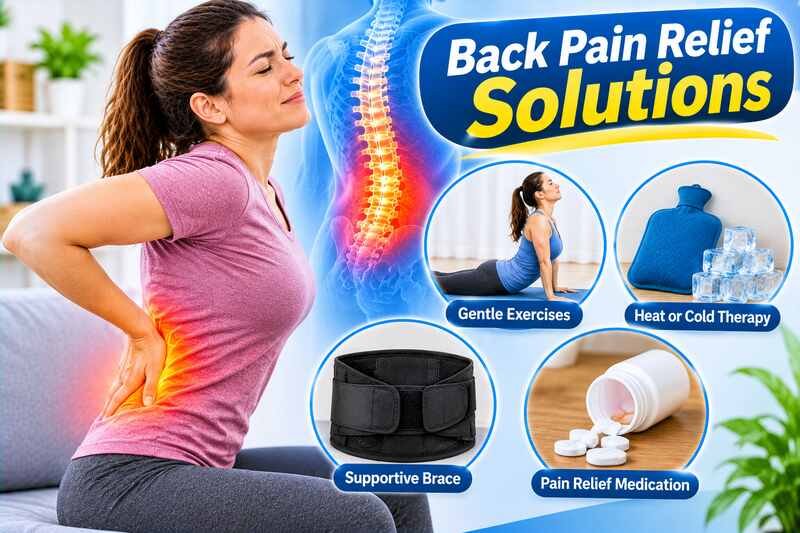
First, Understand Your Back Pain
The right back pain relief solution depends on the type of pain you have.
| Type | How long it lasts | Common causes |
|---|---|---|
| Acute | Less than 4 weeks | Muscle strain, lifting, awkward movement |
| Subacute | 4 to 12 weeks | Slow-healing strain, ongoing posture issues |
| Chronic | More than 12 weeks | Arthritis, disc problems, long-term muscle issues |
Most back pain gets better on its own. The American College of Physicians notes that most patients with acute or subacute low back pain improve over time regardless of treatment. That is why the first step is usually simple, low-risk care.
Back pain also becomes more common with age. The CDC data brief found back pain rose from 28.4% of adults aged 18 to 29 to 45.6% of adults aged 65 and over.
Quick Comparison of Back Pain Relief Solutions
| Solution | Best for | Strength of evidence | Cost |
|---|---|---|---|
| Staying active and walking | Most back pain | Strong support from guidelines | Free |
| Heat therapy | Acute and subacute pain | Moderate | Low |
| Stretching and exercise | Acute, subacute, and chronic pain | Moderate | Free to low |
| Massage | Acute and chronic pain | Low to moderate | Low to medium |
| Back brace | Short-term support during activity | Mixed | Low to medium |
| TENS unit | Some chronic pain | Limited | Low |
| Spinal manipulation | Acute and chronic pain | Low | Medium |
| Acupuncture | Acute and chronic pain | Low to moderate | Medium |
| Yoga, tai chi, mindfulness | Chronic pain | Low to moderate | Low to medium |
| Physical therapy | Recurring or lasting pain | Moderate | Medium |
| Medicines | When non-drug options are not enough | Varies | Varies |
Evidence ratings are based on the American College of Physicians 2017 guideline and related research. Your experience may differ.
At-Home Back Pain Relief Solutions
Stay Active
Bed rest used to be standard advice, but it is no longer recommended for most back pain. Gentle walking and normal daily activity, within your comfort level, help muscles recover and prevent stiffness.
Use Heat or Ice
In its guideline, the American College of Physicians recommends that patients treat acute or subacute low back pain with non-drug therapies such as superficial heat, massage, acupuncture, or spinal manipulation. Heat had the stronger evidence of these options. Many people also use ice in the first day or two after an injury. Use either for 15 to 20 minutes at a time, with a cloth between the pack and your skin.
Stretch Daily
Gentle stretching eases tight muscles in the back, hips, and legs. Our step-by-step guide to low back pain stretches includes a simple 10-minute routine.
Strengthen Your Core
Strong abdominal, back, and glute muscles support the spine. Exercises such as bird dogs, bridges, and side planks are a good start once acute pain eases.
Improve Your Sleep Position
Sleep on your back with a pillow under your knees, or on your side with a pillow between your knees. A medium-firm mattress suits many people with back pain.
Fix Your Posture and Workstation
Raise your screen to eye level, keep your feet flat, and take breaks every 30 to 45 minutes. Our guide to wearing a back brace while sitting covers desk setup tips.
Back Support and DevicesBack Braces
A back brace can provide compression and support during activity, especially in the first days of a flare-up or during chores and work. Braces work best for short-term use alongside exercise, not as a permanent fix. Our article on whether back braces really work reviews the research, and our guide to the best back braces compares popular options.
If you mainly need lower back support, see our guide to the best lumbar support belt. Older adults may prefer the easy-on options in our guide to the best back braces for seniors.
TENS Units
A TENS unit sends mild electrical pulses through pads on the skin. Some people find it eases muscle pain, though research results are mixed. Our guide to the best TENS machine for pain relief explains how they work.
Massage Tools
Handheld massagers and massage guns can ease muscle tension at home. Our guides to the best handheld back massager and the best massage gun compare options.
Supportive Shoes
Shoes with good cushioning and arch support can reduce strain on the lower back, especially if you stand or walk a lot. See our guide to the best shoes for lower back pain.
Inversion Tables
Some people use inversion tables to gently stretch the spine. They are not safe for everyone, especially people with high blood pressure, glaucoma, or heart problems. Our guide on how to use an inversion table for herniated disc explains the safety rules.
Hands-On and Mind-Body Therapies
Massage Therapy
Professional massage can reduce muscle tension and pain for many people. See the benefits of massage for more detail.
Spinal Manipulation
Chiropractors and some physical therapists use hands-on spinal manipulation. The ACP guideline lists it as an option for both acute and chronic low back pain, based on low-quality evidence.
Acupuncture
Acupuncture is another non-drug option included in the ACP guideline for acute and chronic low back pain.
Yoga and Tai Chi
For chronic low back pain, the ACP guideline includes exercise, yoga, tai chi, and mindfulness-based stress reduction as first-line non-drug options.
Mindfulness and Cognitive Behavioral Therapy
Long-term pain affects sleep, mood, and stress, which can make pain feel worse. Mindfulness and cognitive behavioral therapy help some people manage chronic pain more effectively.
Watch: Simple Moves to Reset Your Lower Back
The video below demonstrates a short routine of gentle movements to loosen a stiff lower back.
Professional Care
Photo: U.S. Air Force, Staff Sgt. Chanceler Nardone, public domain
Physical Therapy
A physical therapist can design an exercise plan for your body and your type of pain. This is a smart step if your back pain keeps coming back or lasts more than a few weeks.
Medicines
If non-drug options are not enough, the ACP suggests that people with acute or subacute low back pain may use nonsteroidal anti-inflammatory drugs or skeletal muscle relaxants. The ACP also noted that acetaminophen was not effective at improving low back pain outcomes compared with placebo. Always talk to a doctor or pharmacist before starting a new medicine, especially if you have other health conditions.
Injections and Surgery
Injections and surgery are usually only considered for specific problems, such as severe nerve compression, that do not improve with other treatments. If you have had back surgery, our guide to a back brace after surgery explains recovery support.
Back Pain Relief Solutions by Condition
| Condition | Helpful solutions to discuss with a doctor |
|---|---|
| Muscle strain | Gentle activity, heat or ice, short-term brace, stretching |
| Sciatica | Activity, specific exercises, physical therapy, short-term support |
| Herniated disc | Activity, physical therapy, medicines, sometimes injections |
| Poor posture | Exercises, workstation changes, posture reminders |
| Pregnancy back pain | Gentle exercise, maternity support belt, good sleep position |
| Arthritis | Regular exercise, heat, weight management, physical therapy |
For more detail, see our guides on a back brace for back strain, a back brace for sciatica, back support for herniated disc, and a pregnancy back brace.
Back Pain Relief Solutions to Be Careful With
Not every popular option is worth your money or time. Be cautious with:
- Long bed rest. Staying in bed for days can weaken muscles and slow recovery. Short rest breaks are fine, but keep moving.
- Copper and magnetic products. A randomized trial in PLOS ONE found copper bracelets and magnetic wrist straps worked no better than placebo for rheumatoid arthritis pain. Our Copper Fit back brace review explains why the support, not the copper, is what matters.
- Wearing a brace all day for months. Long-term, constant use without exercise may leave your core weaker.
- Gadgets with big promises. Be wary of products claiming to cure back pain fast or replace medical care.
- Opioid pain medicines. These carry serious risks, including dependence, and guidelines do not recommend them as a first choice for most back pain.
- Imaging too early. X-rays and MRIs are rarely needed for simple back pain without warning signs and can lead to unnecessary worry or treatment.
Lifestyle Habits That Prevent Back Pain
The best back pain relief solution is often prevention. These habits lower your risk of new flare-ups:
- Move every day. Aim for regular walking, swimming, or cycling. Our guide to the components of physical fitness explains how to build a balanced routine.
- Lift smart. Bend your knees, keep loads close, and avoid twisting while lifting.
- Keep a healthy weight. Extra weight adds load to the lower back.
- Do not smoke. Smoking reduces blood flow to spinal tissues and is linked to more back pain.
- Manage stress. Stress tightens muscles and can make pain feel worse.
- Sleep well. Poor sleep and back pain often feed each other, so protect your sleep routine.
- Strengthen your upper back too. Our guide to upper back exercises for better posture helps with slouching and shoulder tension.
How to Build Your Back Pain Relief Plan
- Rule out red flags. Check the warning signs below first.
- Start with the basics. Keep moving, use heat, and stretch gently.
- Add support if needed. A brace or supportive shoes can help during activity.
- Try hands-on care. Massage, spinal manipulation, or acupuncture if pain lingers.
- Build strength. Add core and hip exercises once pain allows.
- See a professional if pain lasts more than a few weeks or keeps coming back.
- Track what works. Keep a simple log of activities, treatments, and pain levels.
When to See a Doctor
Get medical care if you have:
- Back pain after a fall, car accident, or other injury
- Numbness, tingling, or weakness in your legs
- Loss of bladder or bowel control, or numbness in the groin area (seek emergency care)
- Fever, unexplained weight loss, or a history of cancer
- Pain that is severe, getting worse, or lasts more than a few weeks
- Pain that wakes you at night or does not ease with rest
Frequently Asked Questions
What is the fastest back pain relief?
For many people, gentle movement, heat, and a few simple stretches bring the quickest relief from muscle-related back pain. Short-term over-the-counter medicines may also help, but ask a doctor or pharmacist first.
What is the best back pain relief solution for chronic pain?
For chronic low back pain, the ACP guideline recommends starting with non-drug options such as exercise, physical therapy, yoga, tai chi, mindfulness, acupuncture, or spinal manipulation.
Do back braces help back pain?
Back braces can help some people in the short term by adding support and compression during activity. They work best combined with exercise rather than used on their own.
Is walking good for back pain?
Yes. Walking keeps muscles active and blood flowing, and it is one of the simplest back pain relief solutions for most people.
Should I see a chiropractor or a physical therapist?
Both can help. A physical therapist focuses on exercise and long-term strength, while a chiropractor often uses spinal manipulation. Some people use both. Ask your doctor which suits your condition.
When is back pain an emergency?
Seek emergency care if back pain comes with loss of bladder or bowel control, numbness in the groin, sudden leg weakness, or follows a serious injury.
How much should I spend on back pain relief?
Many of the most effective back pain relief solutions, such as walking, stretching, and heat, cost little or nothing. Try these first, then add products such as a brace or TENS unit only if you need extra support.
Can I combine several back pain relief solutions?
Yes, and most people get the best results that way. For example, you might use heat in the morning, stretch for 10 minutes, wear a brace during yard work, and take a short walk after dinner. Add one change at a time so you can tell which steps actually help, and share your plan with your doctor or physical therapist if your pain lasts more than a few weeks.
The Bottom Line
The best back pain relief solutions are often the simplest: stay active, use heat, stretch, strengthen your core, and fix your posture. Support devices such as back braces, TENS units, and massage tools can add short-term relief, while massage, spinal manipulation, acupuncture, yoga, and physical therapy help many people with lingering or chronic pain.
Medicines and procedures have a place, but guidelines recommend trying non-drug options first for most people. Start with low-risk steps, track what helps, and see a doctor if pain is severe, lasting, or comes with warning signs.
This article is for general information and is not medical advice. Talk to a doctor about back pain that is severe, lasting, or comes with other symptoms.

Hi, I’m Mamon, the content creator behind this blog. I share my experience in blogging, WordPress, SEO, and affiliate marketing through honest product reviews, in-depth buying guides, and practical how-to articles. Every piece of content is thoroughly researched and written to help readers make informed decisions.
Leave a Reply