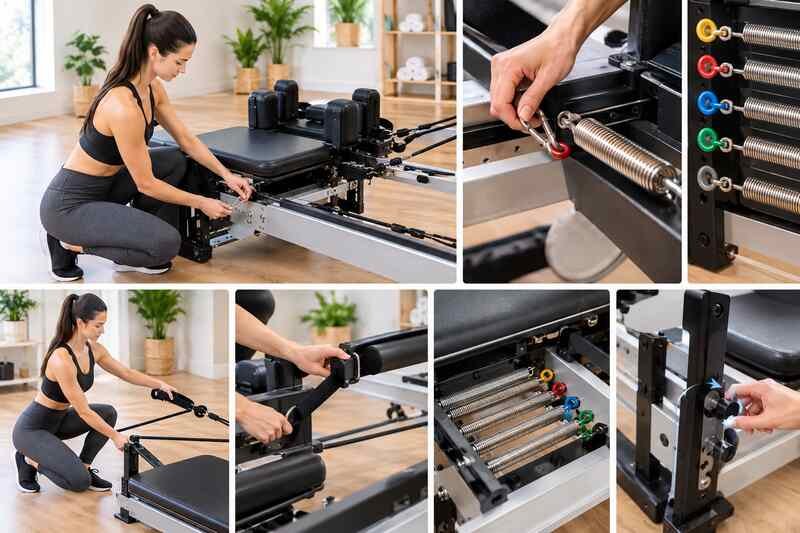
The Aeropilates Reformer lets you change the workout’s resistance. It’s not like weight training, where more weight always means a harder workout. Adjusting the resistance helps you match the workout to your fitness level and focus on certain muscles. Learning how to adjust resistance on Aeropilates reformer settings properly makes your workouts more effective and helps you find balance in body and mind.
The Aeropilates Reformer has adjustable resistance thanks to its tension cords, which attach to the frame in different combinations. This lets you increase the challenge as you get stronger and more fit. Whether you’re new to Pilates or have been doing it for a while, knowing how to adjust the resistance is essential. It unlocks the full potential of your Aeropilates Reformer workouts, and this guide walks U.S. readers through the process step by step.
Key Takeaways
- The Aeropilates Reformer uses resistance cords, not springs, to adjust workout intensity and target specific muscle groups.
- Learning how to adjust resistance on Aeropilates reformer settings helps improve balance, boost energy levels, and support correct form during exercises.
- The Aeropilates Reformer offers a versatile home gym experience that combines strength, flexibility, and light cardio training in one machine.
- Understanding how to adjust resistance is crucial for getting the most out of your Aeropilates Reformer workouts.
- Adjusting resistance allows you to progress your workouts and challenge yourself at your own pace.
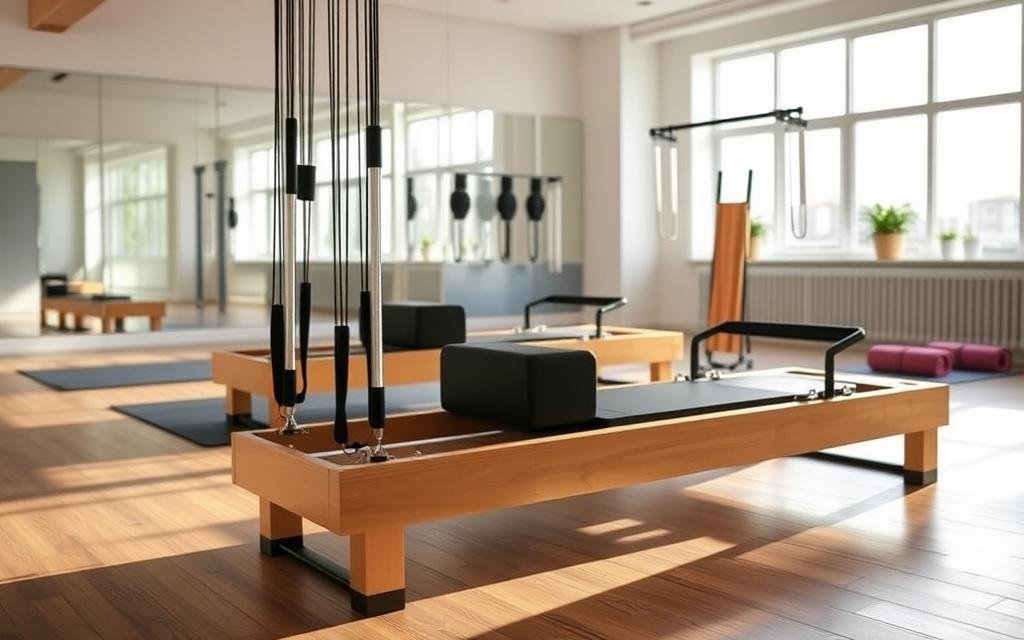
Understanding Aeropilates Resistance Levels
Resistance is key to getting the most out of Aeropilates workouts, and knowing how to adjust resistance on Aeropilates reformer settings starts with understanding what creates that resistance in the first place. By adjusting the resistance levels, you can focus on specific muscles and increase workout intensity, which helps you reach your fitness goals faster.
What is Aeropilates Resistance?
Aeropilates resistance is the force needed to move the reformer’s carriage. It comes from tension cords attached to the frame, not from metal springs like some studio reformers use. You can change the resistance to fit your fitness level and workout goals by adjusting how many cords are engaged.
Importance of Proper Resistance
Proper resistance is vital for a good Aeropilates workout. It helps you challenge your muscles and reach your fitness goals. Using the right resistance ensures you work out effectively and safely, without straining muscles or joints that aren’t ready for the load.
Overview of Resistance Settings
Aeropilates reformers have various resistance levels, from light to heavy. You can adjust the resistance by securing more or fewer tension cords in the slots on the frame. Knowing how to use these settings helps you tailor your workouts to your needs.
| Resistance Level | Muscle Engagement | Suitable for |
|---|---|---|
| Light | Endurance and toning | Beginners, rehabilitation, or recovery |
| Moderate | Strength and muscle building | Intermediate users, athletes, and those seeking a challenging workout |
| Heavy | Muscular power and explosive movements | Advanced users, experienced Pilates practitioners, and those with specific strength training goals |
Knowing the different resistance levels helps you tailor your Aeropilates workouts. This ensures you get the most out of your sessions and reach your fitness goals.
How the Aeropilates Cord Resistance System Works
Unlike traditional studio reformers, which typically rely on interchangeable metal springs, every Aeropilates Reformer model uses tension cords instead. Understanding this cord-based system is the foundation of adjusting your resistance correctly.
Why AeroPilates Uses Cord Resistance
The cords secure into slots on the front frame, and engaging more cords increases the tension on the carriage. This cord-based design is lighter and more portable than a spring system, which makes it well suited to home use. Cords do feel a little softer and more elastic through a movement than metal springs, so it helps to test a few configurations before settling on your usual setup.
Adjusting Your Cord Configuration
Because AeroPilates reformers don’t use springs, adjusting resistance means changing how many cords you secure in the frame’s slots rather than swapping spring hooks. Models like the AeroPilates Reformer 651 come with four heavy-duty resistance cords, and securing more of them in the available slots increases the challenge. Try different cord combinations to see what works best for your fitness goals.
Adjusting Resistance During Your Workout
This section covers how to adjust resistance on Aeropilates reformer settings step by step, whether you’re new to the machine or have used one for years. The adjustable resistance lets you customize your exercises and target specific muscles.
Steps to Adjust Resistance
- First, check the current resistance level. This helps you make smart changes during your workout.
- To adjust the resistance, secure or release tension cords in the slots on the front frame. Do it slowly to avoid sudden changes.
- Test the new tension with a slow, controlled movement before starting your next exercise.
- Keep proper form when changing resistance. This ensures your safety and effectiveness.
Tips for Comfortable Adjustments
- Practice adjusting the resistance between exercises. It helps you get used to it.
- Pay attention to your body. Adjust the resistance based on how you feel. Some exercises need more or less resistance.
- Try different resistance levels to find what works best for you. It helps you reach your fitness goals faster.
Learning how to adjust resistance on Aeropilates reformer settings mid-workout takes some practice, but it becomes second nature quickly. It helps you build strength, flexibility, and fitness. If you’re working toward specific strength goals, our guide on building strength on an Aeropilates reformer pairs well with resistance adjustments.

Safety Considerations When Adjusting Resistance
Using the AeroPilates Reformer safely is key. Taking the right steps can prevent injuries and make your workout better.
Ensuring Secure Settings
Check the AeroPilates Reformer for wear or damage before you start. Make sure all cords are securely connected after adjusting the resistance. This prevents any sudden movements during your workout.
Avoiding Injury While Adjusting
Getting how to adjust resistance on Aeropilates reformer right also means avoiding common safety mistakes. Don’t adjust the resistance while on the reformer, since it could cause accidents. Instead, get off the platform and adjust from a safe spot. Start with a low resistance and increase it slowly to avoid injury. Always keep your posture and alignment right, no matter the resistance.
Warming up properly before you start adjusting resistance also reduces injury risk. See our guide on warming up before using an Aeropilates reformer. If you’re not sure about the right form or resistance, talk to a certified Pilates instructor. They can help you use the AeroPilates Reformer safely and effectively.
| Safety Precaution | Recommendation |
|---|---|
| Weight Limit | The AeroPilates Reformer 287 has a weight limit of 300 lbs. |
| Assembly | Safety Instructions recommend that two people be available for the assembly of the product. |
| Workout Surface | The product should be used on an equipment mat to ensure stability and safety. |
| Inspection | Inspect the product for worn or loose components before each use. |
| Latex Allergy | The product contains natural rubber latex in the Tension Cord, which may cause allergic reactions. |

Prioritizing safety when you adjust the resistance on your AeroPilates Reformer helps prevent injuries and leads to a more successful workout.
Finding Your Ideal Resistance Level
Finding how to adjust resistance on Aeropilates reformer settings to match your fitness level is key to a safe, effective workout. It helps you get the most out of your sessions and keeps you safe from injuries.
Assessing Your Fitness Level
First, check where you are in terms of fitness. Beginners should start with lower resistance and slowly increase it. This way, you build a strong base and avoid muscle pain or strains.
Testing Different Resistance Settings
- Start with a medium resistance and try different levels as you get better at the exercises.
- Consider your body weight, fitness level, and the specific exercise when picking the right resistance, since these factors all affect how much challenge you actually need.
- Try out different resistance levels to find the perfect mix of challenge and proper form. Adjust the resistance based on the exercise and your fitness goals, like getting stronger or more flexible.
The Aeropilates reformer lets you change the resistance easily, making it great for all levels. By finding the right resistance, you can make your Aeropilates workouts more effective and reach your fitness goals with confidence.

Common Mistakes When Adjusting Resistance
Adjusting the resistance on your Aeropilates reformer is key for a good workout. Even those who are experienced can make mistakes. Let’s look at some common errors to avoid.
Overestimating Your Strength
Starting with too much resistance is a common mistake. It can cause movements to be jerky and out of control. This can hurt your form and increase injury risk. Start with a lower setting and increase it as you get more comfortable.
Not Adjusting Mid-Workout
Another mistake is not changing the resistance during your workout. Your muscles can get tired or your form might change. Listen to your body and adjust the resistance as needed.
By avoiding these mistakes, you can have a safe and effective Aeropilates workout. Proper resistance adjustment is essential to get the most out of your reformer.

Adjusting the resistance on your Aeropilates reformer is a crucial part of your workout, and doing it correctly helps prevent injury while getting the most out of your session.
Maintaining Your Aeropilates Reformer for Optimal Performance
Keeping your Aeropilates reformer in top shape is key for safe and effective workouts. Regular care and maintenance are vital. They help your equipment stay in great condition and offer a rewarding Pilates experience.
Regular Inspection of Cords
Check the tension cords of your Aeropilates reformer often for wear or damage. These cords can stretch, fray, or get damaged over time, which can affect the resistance and safety of your workouts. Look closely at each cord, and replace any that seem worn or damaged to keep your reformer working well.
Cleaning and Care Recommendations
After each workout, clean your Aeropilates reformer properly with a mild soap solution and dry it well. This stops sweat, dirt, and other debris from damaging the equipment. Also, use the recommended lubricant on moving parts for smooth operation.
When not in use, keep your reformer in a cool, dry spot to avoid rust or damage. Don’t let it get direct sunlight or extreme temperatures, as this can also cause wear and tear. When you’re done for the day, proper storage matters too. See our guide on folding your Aeropilates reformer for storage.
By following these easy Aeropilates equipment maintenance and Pilates reformer care tips, you can keep your Aeropilates reformer in top shape for years. This ensures a safe and rewarding Pilates practice every time.
Getting the Most Out of Your Aeropilates Workouts
To get the most from Aeropilates, try adjusting the resistance in your workouts. The Aeropilates Reformer has different resistance levels, and this lets you keep challenging your body and see your progress grow. By changing the resistance, you can focus on specific muscles, which makes your workouts more interesting and dynamic.
Keeping a workout log helps track your progress. Write down the resistance levels for each exercise and any improvements you notice. This way, you can increase the resistance as you get stronger and improve your form.
If you haven’t settled on a model yet, our guide on choosing the best Aeropilates reformer model can help you find the right fit. And if you’re still getting familiar with the basics, our beginner’s guide to using a Pilates machine is a good place to start.
Adding cardio or strength training to your routine is also a good idea. The Aeropilates Reformer works well with other exercises, so you can enjoy Pilates while also working on your overall health and fitness goals. Look for new Aeropilates exercises and techniques online or with a certified instructor to keep your workouts fresh.
Conclusion
Now that you know how to adjust resistance on Aeropilates reformer settings, you can tailor every session to your fitness level and keep progressing safely. Gradually increasing resistance over time follows a principle known as progressive overload, one of the most reliable ways to keep building strength without hitting a plateau. Check your cords regularly, adjust gradually, and pay attention to your form, and your Aeropilates Reformer will keep delivering safe, effective workouts for years to come.

Hi, I’m Mamon, the content creator behind this blog. I share my experience in blogging, WordPress, SEO, and affiliate marketing through honest product reviews, in-depth buying guides, and practical how-to articles. Every piece of content is thoroughly researched and written to help readers make informed decisions.
Leave a Reply