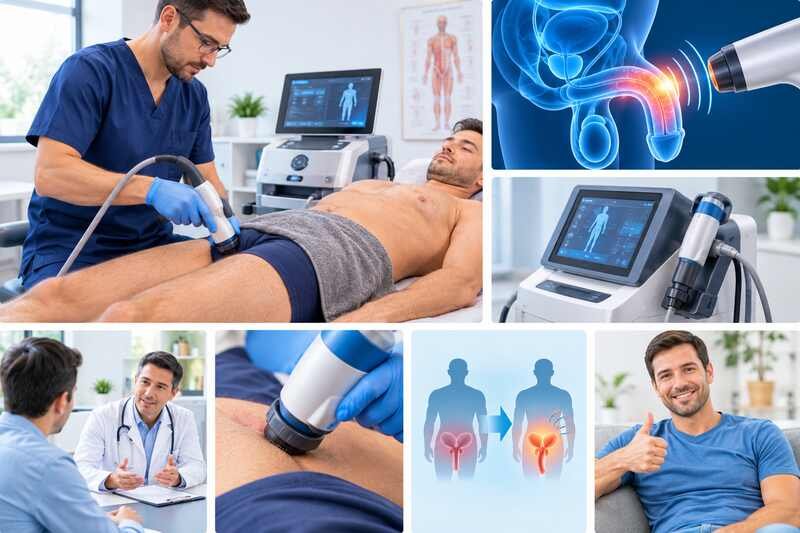
Erectile dysfunction does real damage beyond the bedroom. It can strain a relationship, chip away at confidence, and lead men to avoid intimacy altogether. Many men also feel isolated by the topic. It still carries an unfair stigma that keeps people from talking about it openly. The good news is that several treatment options exist today. One of the newer, less invasive options is shockwave therapy. This guide explains exactly how it works. It also covers what the research actually shows, and how it compares with other ways to treat erectile dysfunction.
Shockwave therapy is not only used for ED. Doctors also use it for kidney conditions and certain cardiovascular conditions. They also use it for pain from issues like plantar fasciitis, hip pain, tennis or golf elbow, and heel spurs. You can read more about those other uses here. This guide focuses specifically on how doctors use shockwave therapy to treat erectile dysfunction. That use case affects millions of American men and raises the most questions.
The National Institute of Diabetes and Digestive and Kidney Diseases tracks this condition closely. It reports that 30 million to 50 million men in the United States have ED. Prevalence rises sharply with age. Roughly 40 percent of men experience ED by age 40. That figure climbs to about 70 percent by age 70. Many men go years without seeking treatment out of embarrassment. That delay often makes the underlying cause harder to address. Understanding the available options is the first step. Knowing where shockwave therapy fits in helps you find a treatment that actually works for you.
What Causes Erectile Dysfunction?
Before trying any treatment, it helps to understand what is actually causing the problem. Many men jump straight to a fix without asking why ED started in the first place. That approach often means treating a symptom instead of the underlying cause. A doctor’s evaluation usually uncovers the likely cause within a single visit. That evaluation typically includes basic bloodwork and a review of current medications.
Erectile dysfunction is frequently a side effect of another health condition. Heart disease, diabetes, obesity, high blood pressure, and Parkinson’s disease are all common culprits. Reduced blood flow to the penis is the most frequent physical cause overall. Nerve damage from surgery, injury, or certain chronic conditions is another common physical contributor. Low testosterone can play a role as well, though it is a less common cause than most men assume.
Psychological factors matter just as much as physical ones. Stress, anxiety, and relationship strain can all contribute to ED, sometimes alongside a physical cause. Depression and certain medications, including some blood pressure drugs and antidepressants, can also trigger or worsen symptoms. Even a single stressful life event can trigger a temporary episode. That episode may have nothing to do with any underlying physical condition at all. Identifying the root cause matters. It determines whether shockwave therapy, medication, lifestyle changes, or some combination will actually help.
What Is Low-Intensity Shockwave Therapy?
Urologists are the medical specialists who treat conditions of the urinary tract and male reproductive system. They are typically the ones who use this method to treat erectile dysfunction. Their clinical term for it is LiSWT, short for Low-Intensity Shockwave Therapy. The “low-intensity” part matters. It distinguishes this treatment from higher-intensity shockwave devices used for other medical purposes, such as breaking up kidney stones.
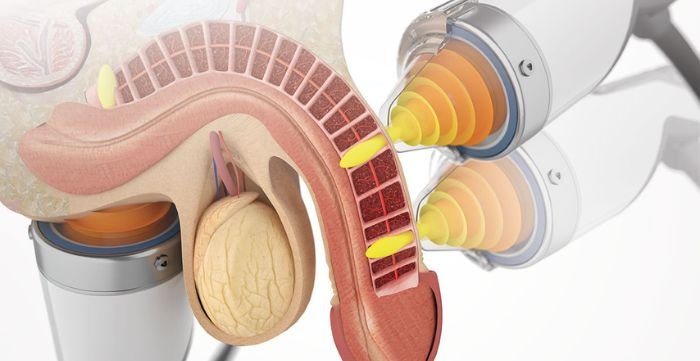
During treatment, a provider uses a wand-like device against the skin near the penis. The device delivers gentle, focused sound waves into the tissue. Those waves aim to improve blood flow to the area over time. They may also stimulate the growth of new, small blood vessels. Healthy blood flow is essential for a firm erection. Improving circulation is really the whole point of the treatment. The device also appears to stimulate penile tissue directly. Some research suggests that tissue stimulation plays a role in erectile function too, separate from blood flow alone.
Sessions themselves are quick and generally painless. Most appointments last between fifteen and twenty minutes. Patients typically return to normal activities immediately afterward, with no recovery time needed. There is no anesthesia, no incisions, and no medication involved in the procedure itself. That combination is part of why so many men consider it an appealing way to treat erectile dysfunction. It avoids the risks that come with surgery.

Does Shockwave Therapy Actually Work? Cost and What to Expect
This is the part most men want to know before they commit to treatment. According to Cleveland Clinic, shockwave therapy is not currently FDA-approved specifically to treat erectile dysfunction in the United States. The FDA has cleared shockwave devices for other uses, including plantar fasciitis and chronic wound care. Doctors who use it for ED are prescribing it off-label. That practice is legal and common in medicine, but it is worth knowing upfront.
Because it lacks FDA approval for this specific use, insurance typically does not cover it. Out-of-pocket costs commonly run from around $1,800 for a full course at some clinics. Other providers charge up to $2,700 or more, depending on the provider and protocol. A typical course involves multiple short sessions spread over several weeks. Many clinics use a protocol of around six weekly sessions, though exact schedules vary.
Success rates vary across studies. Some clinics report roughly 75 percent of appropriately selected patients seeing meaningful improvement. Broader research reviews put the figure closer to 60 percent. Benefits tend to last up to a year or two in many cases before patients need a repeat course. Men with mild to moderate ED tied to blood flow problems tend to see the best results. That is especially true for men who already respond to oral medications like sildenafil. The Sexual Medicine Society of North America recommends using shockwave therapy mainly under structured research protocols. Larger, more definitive studies are still needed to confirm exactly how well it works and for whom.
Doctors sometimes order a penile Doppler ultrasound before recommending shockwave therapy. This imaging test checks blood flow to the penis directly. It helps confirm whether reduced circulation is really the main issue behind your ED. Skipping this step means guessing at the cause instead of confirming it. That guesswork makes it harder to predict whether treatment will actually help in your specific case.
Radial Wave Therapy Is Not the Same Treatment
Some men confuse radial wave therapy with low-intensity shockwave therapy, but they are different treatments. Radial wave devices spread energy more broadly across the tissue instead of focusing it. Low-intensity shockwave devices focus the energy at a specific depth and point.
There is currently more research supporting low-intensity shockwave therapy’s ability to improve blood flow and stimulate new vessel formation. Radial wave therapy does not have the same level of supporting data for its ability to treat erectile dysfunction. Licensing requirements also differ between the two. Providers who administer low-intensity shockwave treatment generally need specific training and licensing. Radial wave therapy carries fewer formal requirements in many places. That difference is one more reason to ask exactly which technology a provider is using before you book an appointment.
Who Should Consider Shockwave Therapy for ED?

A few groups of men tend to be good candidates for this treatment. Those not getting sufficient results from ED medications are one group. Oral medications work well for many men. They do not work for everyone, though, and some men see only partial improvement.
Men who prefer to avoid medication altogether are another group worth mentioning. Drug interactions, personal preference, or unwanted side effects all lead some men toward non-drug options. Men who want to avoid more invasive treatments, such as penile implant surgery or injections, are a third group. Shockwave therapy is one of the least invasive options available for ED. There are no needles, incisions, or downtime involved.
Men managing an underlying condition that contributes to ED are a fourth group worth noting. They may see shockwave therapy as one piece of a larger plan. Mild hypertension and early-stage vascular disease are two common examples. Shockwave therapy generally works best alongside those efforts, not instead of them. Managing the underlying condition matters just as much as treating the ED symptom itself. Doing both together tends to produce better long-term results than tackling either one alone.
Cardiovascular health and body weight both influence blood flow and erectile function. Managing those factors also supports any plan built to treat erectile dysfunction long-term. Keeping tabs on blood pressure at home is a simple habit worth building. Our guide to professional blood pressure monitors can help you choose one. Our roundup of the best exercise machines for weight loss covers practical equipment options. It is a useful starting point for men carrying extra weight who want to build healthier habits at home.
The video below from Dr. Rena Malik, a board-certified urologist, explains how shockwave therapy works and what the current evidence says about its effectiveness.
Other Ways to Treat Erectile Dysfunction
Shockwave therapy is not the only path forward, and it is not always the right first step. Lifestyle changes such as quitting smoking and losing excess weight often improve erectile function on their own. Treating underlying conditions like high blood pressure or diabetes tends to help too, sometimes more than any single ED-specific treatment. Some men explore complementary and natural approaches alongside or instead of medical treatment. Our guide on natural remedies and treatments for erectile dysfunction covers several of those options in more depth.
Stress and performance anxiety can also worsen ED. This sometimes creates a frustrating cycle where anxiety about the problem makes the problem itself worse. Our article on how to break the cycle of health anxiety offers strategies that apply well beyond ED specifically.
Male-factor issues, including erectile and reproductive health concerns, sometimes surface during fertility treatment too. Couples pursuing IVF treatment often work through related male reproductive health questions as part of that broader process. Fertility and sexual health frequently overlap in ways couples do not always expect going in. A urologist can often address both concerns at once. That approach beats treating them as entirely separate issues handled by different specialists.

What to Ask Before You Try Shockwave Therapy
A few questions are worth asking any provider before starting treatment. What is their specific success rate with patients who have a similar diagnosis to yours? How many sessions does their protocol typically involve? What is the full cost, including any follow-up sessions? Are they a licensed urologist or a trained medical provider? That last question matters. Some spas and wellness centers now offer the treatment as an add-on service. They typically do not provide the same level of medical oversight a urology clinic does.
Low-intensity shockwave therapy for erectile dysfunction is not currently FDA-approved for this use. That makes working with an experienced, licensed provider even more important than it would be with an approved treatment. A thorough consultation should always start with identifying the likely cause of your ED. Only then should a provider recommend a specific plan to treat erectile dysfunction. That plan might involve shockwave therapy, or it might point toward something else entirely.
Conclusion
Shockwave therapy is a promising, low-risk option for men looking to treat erectile dysfunction without medication or surgery. It works especially well when reduced blood flow is the primary issue. It is not FDA-approved for this specific use, and the research base is still developing. Out-of-pocket costs can also add up quickly. None of those factors rule it out entirely. They do mean it deserves a clear-eyed conversation with a qualified provider rather than a quick decision.
Start by understanding what is actually causing your ED. That answer shapes which treatment makes the most sense for you specifically. Ask providers direct questions about their experience, success rates, and total cost before committing to anything. You might end up trying shockwave therapy, medication, lifestyle changes, or some combination of all three. The goal stays the same either way. Build an honest, informed plan around your specific diagnosis rather than guesswork. Revisit that plan with your doctor if it is not working after a reasonable trial period.

Hi, I’m Mamon, the content creator behind this blog. I share my experience in blogging, WordPress, SEO, and affiliate marketing through honest product reviews, in-depth buying guides, and practical how-to articles. Every piece of content is thoroughly researched and written to help readers make informed decisions.
Leave a Reply