Photo: Lubyanka / Wikimedia Commons (CC BY-SA 3.0)
Your hands work all day: typing, gripping, scrolling, cooking, carrying, and more. It is no surprise they get stiff and sore. Hand massager machines are small devices you slip your hand into for a few minutes of squeezing, warmth, and kneading. They have become popular in the U.S. with office workers, gamers, crafters, and older adults with stiff fingers.
But how do these machines actually work, and do they help? This guide explains the technology inside a hand massager machine, what research says about hand massage, who benefits most, how to use one safely, and what features matter when you shop.
Key Takeaways
- Most hand massager machines combine air compression, heat, and sometimes kneading nodes or vibration.
- Air bags inflate and deflate in cycles to squeeze the palm, fingers, and wrist.
- In a 2026 pilot trial of people with early rheumatoid arthritis, 10 hand massage sessions over two weeks improved grip strength and hand function.
- In a 2026 ICU trial, hand massage lowered pain and anxiety and improved comfort.
- Use low settings, short sessions, and talk to your doctor first if you have diabetes with nerve damage, a recent hand injury, or poor circulation.
What Is a Hand Massager Machine?
A hand massager machine is an electric device shaped like a glove or a small enclosed box. You slide your hand inside, choose a mode, and the device squeezes, warms, and sometimes kneads your hand. Most models are cordless and rechargeable, and many run on an automatic timer of about 10 to 15 minutes.
People use them to ease stiffness, relax tired hands after work, and enjoy a soothing routine at the end of the day.
How Do Hand Massager Machines Work?
Most devices use a mix of three or four technologies.
1. Air Compression
This is the core feature of most hand massager machines. Inside the shell are small air chambers, often called air bags. A tiny pump fills them with air, then releases it, in a repeating pattern. As the bags inflate, they press against your palm, fingers, and the back of your hand. As they deflate, the pressure eases.
The result feels like a firm, rhythmic squeeze. Many devices offer several pressure levels and patterns, such as gradual waves or quick pulses.
2. Heat
Many models include a heating element, usually in the palm area. Warmth can make stiff joints and muscles feel more relaxed. Most hand massagers warm to a comfortable level within a few minutes.
3. Kneading Nodes or Acupressure Points
Some devices have raised nodes or bumps on the inner lining. When the air bags inflate, these nodes press into specific spots on the palm, similar to a therapist’s thumb.
4. Vibration
A few models add small motors that vibrate. Vibration feels lighter than compression and adds a buzzing sensation.
| Technology | What it does | How it feels |
|---|---|---|
| Air compression | Inflates and deflates air chambers around the hand | Rhythmic squeezing |
| Heat | Warms the palm and fingers | Soothing warmth |
| Kneading nodes | Press into points on the palm | Targeted pressure |
| Vibration | Shakes gently | Light buzzing |
| Timer and modes | Control cycle length and pattern | Hands-free sessions |
The same air compression idea is used in foot massagers and leg compression boots. If you like the feel, see our review of the best foot massagers.
Does Hand Massage Help? What the Research Says
There is little research on hand massager machines as a product category. Most studies look at hands-on hand massage. Those studies still show what pressure and touch can do for the hands.
Hand Function in Early Rheumatoid Arthritis
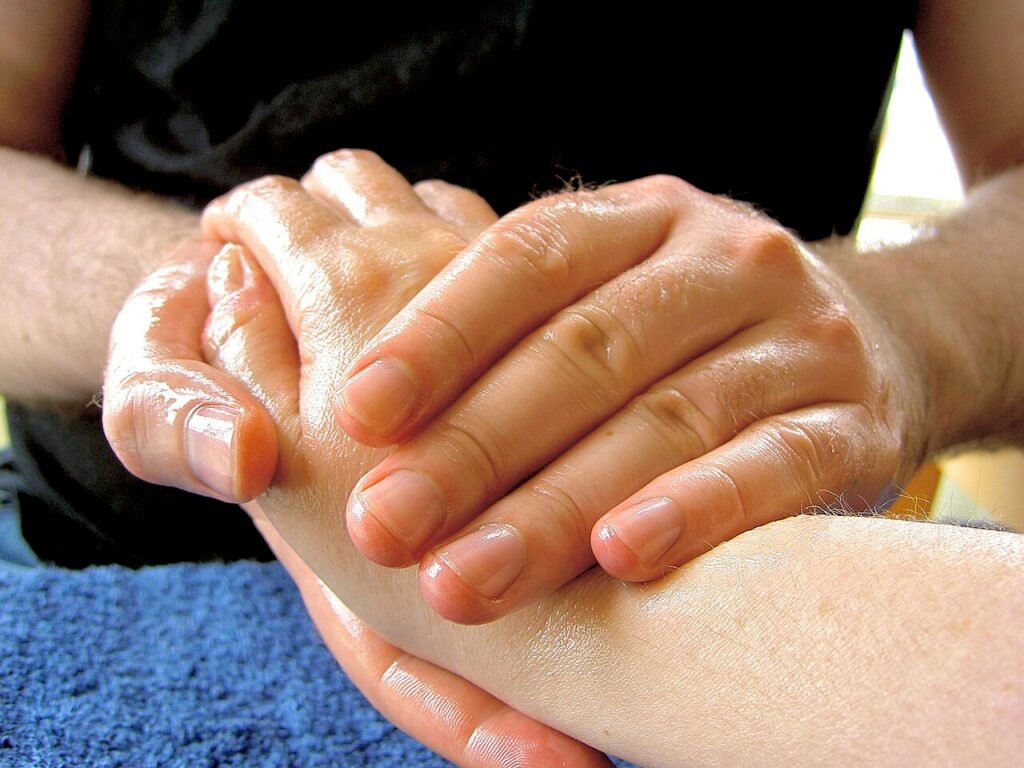
A 2026 randomized pilot trial included 30 women with early, well-controlled rheumatoid arthritis and no hand deformity. Half received 10 hand massage sessions over two weeks on top of regular care. The other half received regular care only.
| Measure | Massage group before | Massage group after | Control group before | Control group after |
|---|---|---|---|---|
| Median grip strength | 55 kg | 65 kg | 45 kg | 45 kg |
| Median pinch strength | 15 kg | 16 kg | 14 kg | 14 kg |
The massage group also reported better hand function and overall well-being. The control group showed no significant change. The study was small, so the results need confirming in larger trials.
Pain and Anxiety in Hospital Patients
In a 2026 randomized trial in intensive care patients, people who received hand massage had lower pain and anxiety and higher comfort at both 15 and 60 minutes afterward, compared with a control group. The authors called hand massage a safe, low-cost option.
What This Means for Home Devices
A machine is not the same as skilled human hands. But many of the same ingredients, such as rhythmic pressure, warmth, and a quiet break, are present. A hand massager machine may help you relax and ease everyday stiffness, though it should not replace medical treatment for arthritis or nerve problems.
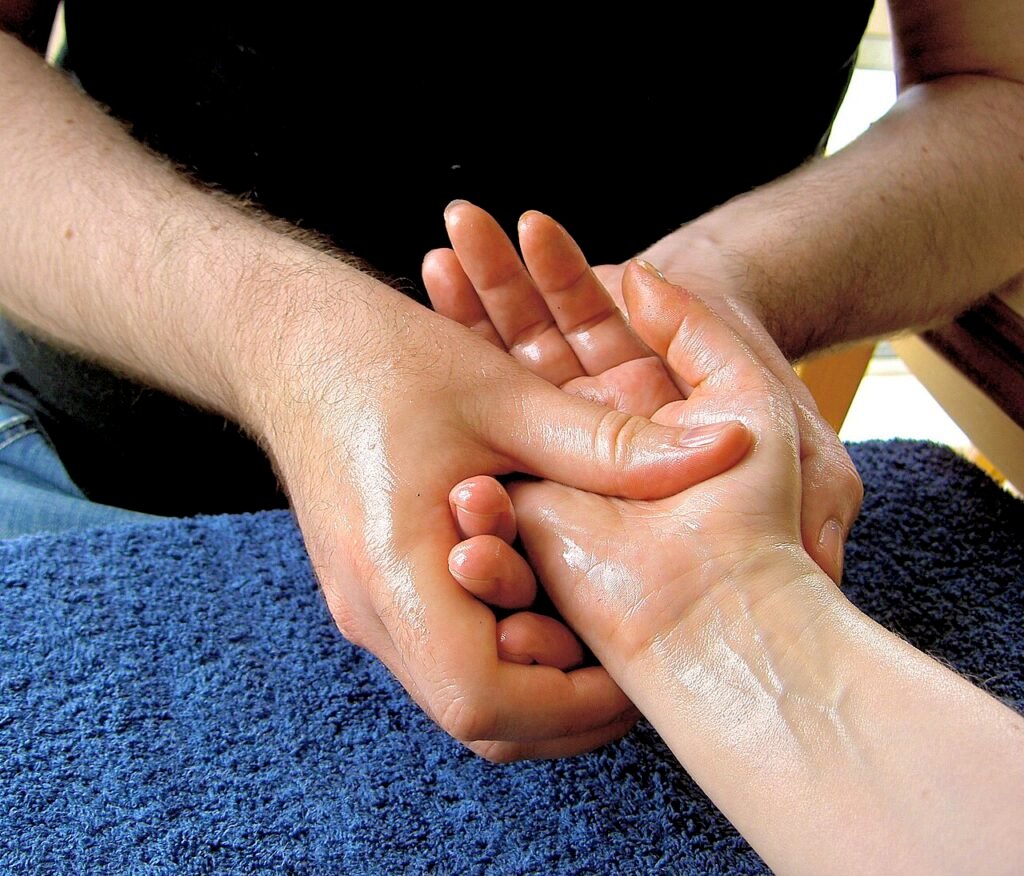
Photo: Lubyanka / Wikimedia Commons (CC BY-SA 3.0)
Who Can Benefit From a Hand Massager Machine?
- Office workers and gamers: Long hours of typing and mouse use can leave hands and forearms tight.
- Crafters and musicians: Knitting, sewing, painting, and playing instruments all strain the hands.
- People with stiff fingers in the morning: Gentle warmth and compression can make the start of the day more comfortable.
- Older adults: Many enjoy the warmth and gentle squeeze, especially in cold weather.
- People who work with their hands: Mechanics, hairstylists, and cooks often have tired hands at the end of a shift.
If you have a diagnosed condition such as arthritis or carpal tunnel syndrome, ask your doctor or hand therapist whether a device is right for you.
Watch: A Physical Therapist on Hand Massagers
In this video, physical therapist Tim Fraticelli looks at hand massagers for arthritis and thumb pain and what to expect from them:
How to Use a Hand Massager Machine
- Step 1: Read the manual. Check session length, modes, and any warnings.
- Step 2: Remove rings and watches. Jewelry can press into your skin under compression.
- Step 3: Start on the lowest pressure. Let your hand get used to the squeeze.
- Step 4: Add heat if you like it. Skip heat if your hand is swollen or freshly injured.
- Step 5: Keep sessions short. About 10 to 15 minutes per hand is enough for most people.
- Step 6: Switch hands and rest. Give each hand a break between sessions.
- Step 7: Follow with gentle stretches. Open and close your fist slowly, and spread your fingers wide.
For general device tips, see our guide on how to use a personal massager.
Safety Tips
Hand massager machines are low risk for most adults, but follow these rules:
- Stop right away if you feel numbness, tingling, sharp pain, or your fingers change color.
- Do not use on cuts, rashes, burns, or a hand that is red, hot, and swollen.
- Avoid use right after a hand injury or surgery unless your doctor approves.
- Never fall asleep with the device running, especially with heat on.
- Keep the pressure comfortable. Strong compression is not more effective.
Talk to Your Doctor First If You Have
- Diabetes with nerve damage or reduced feeling in your hands
- Poor circulation, Raynaud’s phenomenon, or peripheral artery disease
- A history of blood clots in the arm
- Lymphedema or swelling after breast cancer treatment
- Active rheumatoid arthritis flares
- A pacemaker, if the device uses electrical stimulation
People with reduced feeling may not notice when pressure or heat is too much.
Types of Hand Massager Machines
| Type | How it fits | Pros | Cons |
|---|---|---|---|
| Enclosed shell (box style) | Hand slides into a hard, padded shell | Even pressure, often stronger compression and heat | Bulkier to store |
| Glove style | Soft wrap that closes around the hand | Lightweight and flexible | Pressure may feel less even |
| Handheld roller or point massager | You hold it against the palm | Cheap, portable | Not hands-free |
| Hand and wrist combo | Shell extends up the wrist | Covers wrist and forearm | Larger and heavier |
Most people who want a hands-free, relaxing session choose an enclosed shell. Glove styles suit people who want something light and easy to travel with.
How to Clean and Care for a Hand Massager
- Wipe the inner lining after each use with a slightly damp cloth.
- Remove and wash liners if your model has them, following the maker’s instructions.
- Let the device dry fully before storing it.
- Charge with the cable that came with the device, and unplug it once it is full.
- Store it in a cool, dry place away from bathrooms.
- Stop using it if the shell cracks or the charger gets very hot.
What to Look for in a Hand Massager Machine
| Feature | Why it matters |
|---|---|
| Adjustable pressure levels | Lets you start gently and increase slowly |
| Heat with an off switch | Warmth helps stiffness, but you may not want it every time |
| Auto shut-off timer | Prevents overuse |
| Fits your hand size | A device that is too small can squeeze too hard |
| Wrist coverage | Some models cover the wrist, others stop at the palm |
| Cordless design | Easier to use on the couch or at a desk |
| Quiet pump | Air pumps can hum, so check noise levels |
| Washable lining | Keeps the inside clean |
| Easy controls | Buttons you can press with your free hand |
Hand Massager Machine vs. Other Options
| Option | Pros | Cons |
|---|---|---|
| Hand massager machine | Hands-free, warm, consistent pressure | Costs more, needs charging |
| Self-massage with your thumb | Free, precise | Tiring for the working hand |
| Massage ball | Cheap, portable, targets the palm | Limited to rolling pressure |
| Professional hand massage | Skilled, personalized | Less convenient, ongoing cost |
| TENS unit | Pain relief through electrical stimulation | Not a massage; different safety rules |
If pain relief is your main goal, some people pair massage with a TENS unit. Learn more in our guide to the best TENS machine for body pain relief.

Photo: Shopify Burst
A Simple Hand Care Routine for Desk Workers
- Every hour: Shake out your hands and do a few wrist circles.
- Midday: Use a massage ball to roll your palm for one minute per hand.
- After work: Use a hand massager machine on a low setting for 10 minutes per hand.
- Before bed: Massage lotion into your hands, using your thumb to make small circles on the palm and base of the thumb.
Tight forearms and shoulders often go along with sore hands. A long-handled device can help with the upper back and shoulders. See our best handheld back massager review. For tight forearm muscles, a massage gun on its lowest setting with a soft head can help, as long as you stay off the wrist bones.
How to Massage Your Hands Without a Machine
- Palm circles: Press your thumb into the center of the opposite palm and make slow circles.
- Finger slides: Gently pull and slide along each finger from the base to the tip.
- Thumb web: Squeeze the soft area between your thumb and index finger for a few seconds.
- Wrist glide: Stroke from the wrist toward the elbow along the inner forearm.
- Back of hand: Smooth the back of the hand with long strokes from the knuckles toward the wrist.
Common Mistakes
- Using the highest pressure first: Start low to avoid discomfort.
- Wearing rings: Jewelry can pinch or bruise under compression.
- Long sessions: More time is not better. Stick to the timer.
- Ignoring numbness: Tingling or numb fingers are a sign to stop.
- Expecting a cure: A hand massager eases stiffness but does not treat underlying conditions.
Frequently Asked Questions
How do hand massager machines work?
Most use air bags that inflate and deflate to squeeze the hand, often with heat and sometimes kneading nodes or vibration.
Are hand massager machines good for arthritis?
Many people with arthritis find warmth and gentle compression soothing. Research on hands-on massage shows promise, but talk to your doctor before use, especially during a flare.
Can a hand massager help carpal tunnel?
Some people find gentle massage relaxing for tight hands and forearms. Carpal tunnel involves a compressed nerve, so see a doctor for numbness or weakness.
How long should I use a hand massager?
About 10 to 15 minutes per hand is common. Many devices shut off automatically.
Can I use a hand massager every day?
Yes, at low settings for short sessions. Stop if you notice increased pain or numbness.
Are hand massagers safe for people with diabetes?
Ask your doctor first. Reduced feeling can make it hard to notice when pressure or heat is too much.
Do hand massager machines fit large hands?
Sizes vary. Check the inner length and width in the product details, and read reviews from people with larger hands. A device that is too small can squeeze uncomfortably.
Conclusion
Hand massager machines work by combining air compression, heat, and sometimes kneading nodes or vibration to squeeze and warm your hands. Research on hand massage shows promising benefits, including better grip strength in a small arthritis trial and lower pain and anxiety in hospital patients.
For everyday stiffness from typing, crafting, or cold weather, a hand massager machine can be a soothing, hands-free tool. Start on low settings, keep sessions short, and check with your doctor if you have nerve, circulation, or joint conditions.
Health note: This article is for general information only and is not medical advice. Talk to your doctor before using a massage device if you have a health condition, injury, or are pregnant.

Hi, I’m Mamon, the content creator behind this blog. I share my experience in blogging, WordPress, SEO, and affiliate marketing through honest product reviews, in-depth buying guides, and practical how-to articles. Every piece of content is thoroughly researched and written to help readers make informed decisions.
Leave a Reply