Photo: Shopify Burst
Some massages are about fixing a sore shoulder. Others are about helping your whole body slow down, rest, and recover. A restorative massage falls into the second group. It uses gentle, steady techniques to calm the nervous system, ease everyday muscle tension, and help you feel renewed. Many U.S. spas and wellness centers now list it on their menus, often for people who feel run down, stressed, or short on sleep.
This guide explains what a restorative massage is, how it differs from other styles, what research says about massage and the body’s stress response, what to expect at a session, and how to bring a restorative routine home.
Key Takeaways
- A restorative massage is a gentle, recovery-focused massage meant to calm the body and mind rather than work out deep knots.
- It usually uses light to moderate Swedish-style strokes, slow pacing, and a quiet setting.
- In a study at Cedars-Sinai, one 45-minute Swedish massage lowered vasopressin and cortisol and raised some immune cell counts compared with light touch.
- Restorative massage suits people dealing with stress, poor sleep, fatigue, or recovery after a busy period.
- Home tools like massage chairs and shiatsu cushions can help you keep the benefits going between visits.
What Is a Restorative Massage?
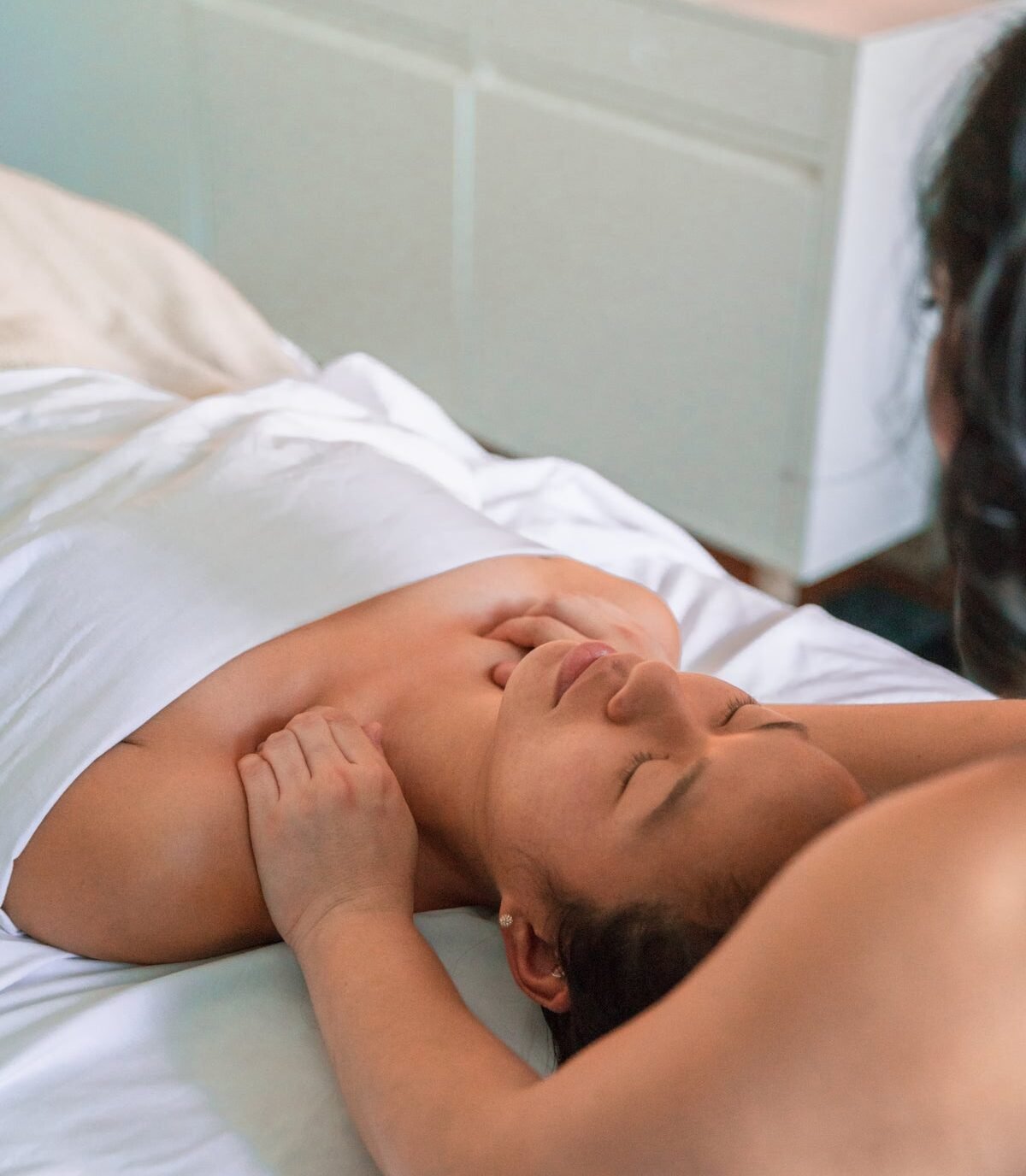
A restorative massage is a massage designed to help your body recover and reset. The focus is on relaxation and renewal, not intense muscle work. Therapists use slow, rhythmic strokes with comfortable pressure so your body can let go of tension without bracing against pain.
The term is not a single, strictly defined technique. Different spas and therapists use it in slightly different ways. In most cases, a restorative session:
- Uses mainly Swedish massage strokes, such as long gliding movements and gentle kneading
- Keeps pressure light to moderate
- Moves at a slow, steady pace
- Covers most of the body, often from head to toe
- Takes place in a quiet, warm, dimly lit room
- May include extras like heat, calming scents, or gentle stretching
In some settings, such as senior living communities, “restorative” can also refer to care that helps people maintain comfort and function. This article focuses on restorative massage as a spa or wellness service.
Restorative Massage vs. Other Massage Types
| Feature | Restorative massage | Swedish massage | Deep tissue massage | Sports massage |
|---|---|---|---|---|
| Main goal | Rest, recovery, and renewal | Relaxation | Chronic tension relief | Performance and recovery |
| Pressure | Light to moderate | Light to moderate | Firm | Moderate to firm |
| Pace | Very slow | Flowing | Slow and focused | Varies |
| Focus | Whole body and nervous system | Whole body | Problem areas | Muscles used in sport |
| After-effects | Calm, sleepy, refreshed | Relaxed | Possible soreness | Looser muscles, some soreness |
A restorative massage is closest to Swedish massage. The main difference is intention: it puts extra emphasis on helping you recover from stress and fatigue.
How Does a Restorative Massage Work?
It Calms the Stress Response
Your body has a built-in stress system that releases hormones like cortisol and vasopressin. Gentle touch may help turn that system down. In a study from Cedars-Sinai Medical Center, healthy adults received either a 45-minute Swedish massage or a light-touch session. Compared with light touch, massage caused:
- A large drop in arginine vasopressin, a hormone linked to stress and blood pressure
- A small drop in cortisol, a key stress hormone
- Increases in several types of circulating immune cells, called lymphocytes
- Lower levels of several inflammatory signaling proteins (cytokines) after lab stimulation
The study was small and preliminary, and the authors called for more research. Still, it offers a biological clue for why many people feel so renewed after a gentle massage.
Frequency May Matter
A follow-up study by the same research group compared weekly and twice-weekly Swedish massage over five weeks. The effects lasted for several days and differed depending on how often people received massage. That suggests restorative benefits may build with regular sessions.
It Eases Everyday Muscle Tension
Slow, rhythmic strokes help release the low-level tension many people carry in their neck, shoulders, and back without noticing.
It Gives the Mind a Break
A quiet room, warm hands, and no screens allow your attention to settle. For many people, that mental rest is just as important as the physical effects.
Benefits of Restorative Massage
| Benefit | What to expect |
|---|---|
| Stress relief | Many people feel calmer during and after a session |
| Lower stress hormones | Early research shows drops in vasopressin and cortisol after Swedish massage |
| Muscle relaxation | Gentle easing of everyday tension |
| Better rest | Many people feel drowsy and sleep well afterward |
| Immune changes | Early research shows shifts in immune cell counts |
| Mood boost | A sense of comfort and well-being |
Why Rest Matters
Sleep is a big part of recovery, and many Americans fall short. According to the CDC, the share of adults not getting enough sleep in 2022 ranged from 30% in Vermont to 46% in Hawaii, depending on the state. A restorative massage is not a sleep treatment, but helping your body relax may make it easier to wind down at night.
Watch: The Biological Benefits of Frequent Massage
In this video from Emory University, researchers discuss what they learned about the biological effects of regular massage:
Who Is a Restorative Massage Best For?
- People feeling stressed, burned out, or mentally drained
- Anyone who sleeps poorly or wakes up tense
- Busy parents and caregivers who rarely get time to rest
- People recovering from a demanding period at work or travel
- Older adults who prefer gentle pressure
- First-time massage clients who feel nervous about deep pressure
- Athletes on rest days who want light recovery work
If you have a specific injury or chronic knot, a therapeutic or deep tissue massage may be a better fit. You can also ask your therapist to blend restorative work with a little extra attention on one area.
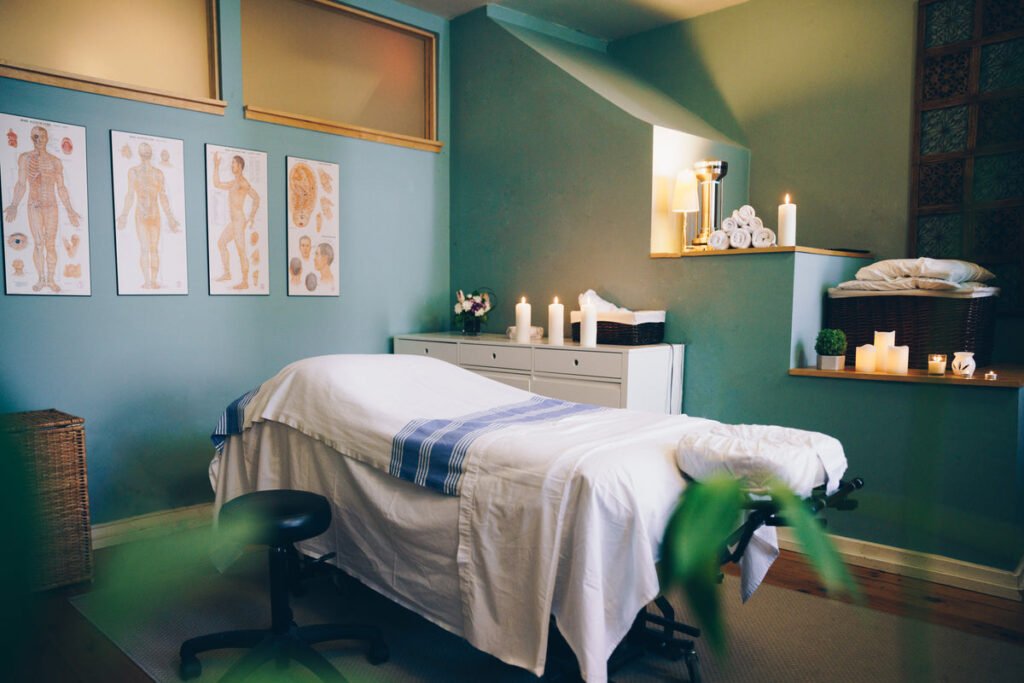
Photo: Shopify Burst
What to Expect During a Restorative Massage
Before the Session
The therapist will ask about your health, stress level, sleep, and any areas to avoid. Mention if you are pregnant, take blood thinners, or have had recent surgery.
During the Session
- Step 1: Settling in. You lie on a warm table under a sheet in a quiet room. The therapist may begin with a few slow breaths or a gentle hold on your back.
- Step 2: Slow gliding strokes. Long, light strokes warm the back, shoulders, and neck.
- Step 3: Gentle kneading. Soft kneading eases tension in the shoulders and legs.
- Step 4: Whole-body flow. The therapist works through the arms, hands, legs, and feet at an unhurried pace.
- Step 5: Calming finish. Many sessions end with gentle scalp or face work and a few moments of stillness.
Most restorative sessions last 60 to 90 minutes. Longer sessions allow a slower pace.
After the Session
You may feel relaxed, sleepy, or a little light-headed. Get up slowly, drink some water, and give yourself a few quiet minutes before driving.
How to Get the Most From a Restorative Massage
- Book at the right time: An evening appointment can help you carry the calm into a restful night.
- Arrive early: Rushing in stressed makes it harder to relax.
- Silence your phone: Give yourself a true break from notifications.
- Breathe slowly: Long exhales help signal rest to your body.
- Speak up: Ask for lighter pressure, more warmth, or no talking if you prefer.
- Plan a quiet afterward: Skip intense workouts and busy errands right after.
- Be consistent: Regular sessions may build benefits over time.
Add-Ons That Can Deepen Relaxation
Many U.S. spas offer extras you can add to a session. These are optional, but they can make the experience even more calming:
| Add-on | What it is | Good for |
|---|---|---|
| Hot stones | Smooth, heated stones placed on or moved over the body | Extra warmth and muscle relaxation |
| Aromatherapy | Diluted essential oils such as lavender | A calming scent (skip if you have allergies) |
| Heated table | A warm pad under the table sheet | Staying cozy and relaxed |
| Scalp massage | Gentle pressure and circles on the scalp | Head tension and stress |
| Foot treatment | Extra time on the feet, sometimes with a warm soak | Tired feet after standing |
Ask about each add-on before your appointment, and mention any skin sensitivities or scent allergies.
Questions to Ask When Booking
- What style of massage do you use for restorative sessions?
- Is the therapist licensed in this state?
- Can I request light pressure throughout?
- Are calming extras like heat or aromatherapy included or extra?
- Is there a quiet relaxation area before or after the session?
- What is the cancellation policy?
Is Restorative Massage Safe?
For most healthy adults, yes. Gentle massage carries less risk than vigorous techniques. Still, talk to your doctor first if you:
- Have a history of blood clots or take blood thinners
- Are pregnant, and choose a therapist trained in prenatal massage
- Had recent surgery or a recent fracture
- Have cancer or are in cancer treatment
- Have osteoporosis
- Have a fever, infection, or contagious skin condition
Tell your therapist about any health conditions so they can adjust the session.
Creating a Restorative Massage Routine at Home
Home devices cannot fully copy a skilled therapist, but they can help you build a calming habit between visits.
Tools That Help
- Massage chair: The most hands-free way to get full-body relaxation. Many chairs include gentle or sleep programs. See our best massage chair under $1,000 roundup.
- Handheld massager: A long-handled vibration massager can gently ease back and shoulder tension. Compare options in our best handheld back massager review.
- Massage gun on low: Useful for light recovery on the legs after exercise. See our best massage gun guide, and keep the speed low for restorative use.
- Gym massage chairs: If your gym offers them, our guide on how to use massage chairs at Planet Fitness explains how to get the most from each session.
For tips on using devices safely, read our guide on how to use a personal massager.
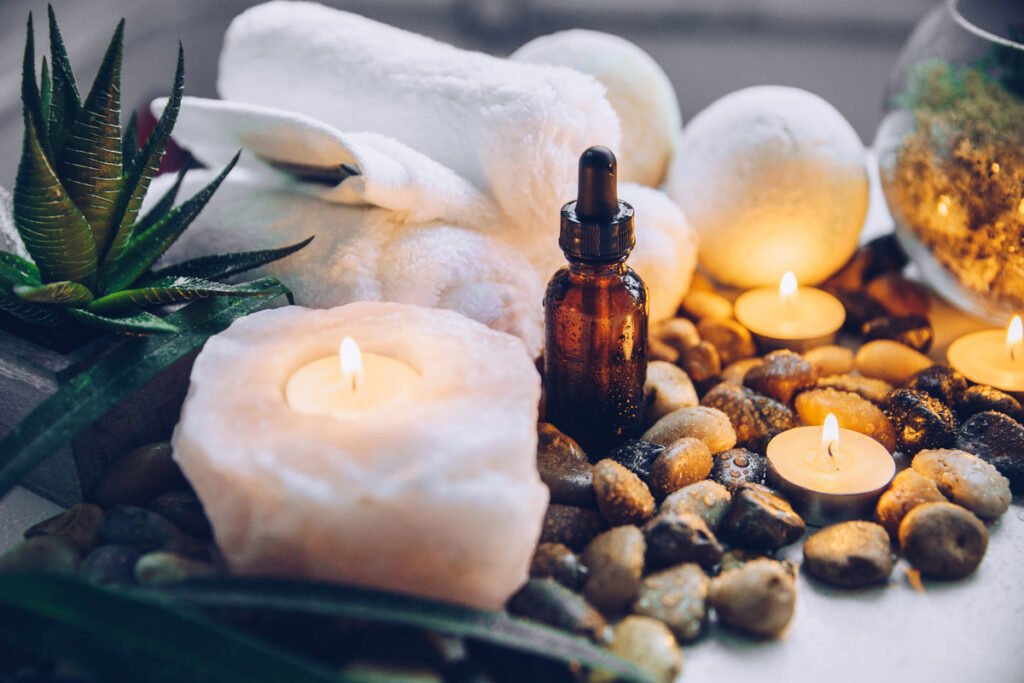
Photo: Shopify Burst
A 20-Minute Evening Restorative Routine
- Minutes 1 to 3: Take a warm shower or bath to loosen muscles.
- Minutes 4 to 6: Dim the lights and breathe slowly, in for four counts and out for six.
- Minutes 7 to 14: Use a massage chair or shiatsu cushion on a gentle setting for your back and shoulders.
- Minutes 15 to 18: Massage your hands and feet with lotion, using slow circles with your thumbs.
- Minutes 19 to 20: Finish with gentle neck stretches, then head to bed without screens.
Partner Restorative Massage Tips
- Use warm oil or lotion and slow, light strokes.
- Keep the room warm and quiet.
- Work toward the heart on the arms and legs.
- Avoid the spine, the front of the neck, and any sore or injured spots.
- Check in about pressure, then let the person rest in silence.
How Often Should You Get a Restorative Massage?
There is no set rule. Many people book a session every two to four weeks. During stressful periods, some choose weekly sessions. Research on Swedish massage found that effects lasted several days and changed with frequency, so regular sessions may offer more benefit than occasional visits.
Common Myths About Restorative Massage
- Myth: Gentle massage does not do anything. Early research shows measurable changes in stress hormones and immune markers after Swedish massage.
- Myth: You need deep pressure to recover. Light pressure can be very effective for relaxation and rest.
- Myth: Restorative massage flushes toxins. There is no good evidence for this claim.
- Myth: It is only for spa days. Many people use restorative massage as regular self-care.
Frequently Asked Questions
What is a restorative massage?
It is a gentle, recovery-focused massage that uses slow, light to moderate strokes to calm the body and mind.
Is restorative massage the same as Swedish massage?
They are very similar. Restorative massage usually uses Swedish strokes but places extra emphasis on slow pacing and recovery.
How long does a restorative massage last?
Most sessions last 60 to 90 minutes.
Can a restorative massage help me sleep?
Many people feel relaxed and sleepy afterward. It is not a treatment for insomnia, so see a doctor if sleep problems continue.
Will I be sore after a restorative massage?
Soreness is uncommon because pressure is gentle. Tell your therapist if anything feels too strong.
Can I get a restorative massage while pregnant?
Ask your doctor first and book a therapist trained in prenatal massage.
Do I need to undress for a restorative massage?
You undress only to your comfort level and stay covered with a sheet. Some people keep on underwear or loose clothing, and the therapist will work around it.
Should I talk during the session?
It is up to you. Many people prefer silence so they can fully rest. You can tell the therapist at the start that you would like a quiet session, and they will only check in about pressure and comfort.
Conclusion
A restorative massage is a gentle, unhurried massage designed to help your body and mind recover. It relies on slow Swedish-style strokes, comfortable pressure, and a calm setting. Early research suggests a single session can lower stress hormones and shift immune markers, and regular sessions may offer lasting benefits.
If you feel stressed, tired, or tense, try booking a restorative massage and pairing it with a simple evening routine at home. It is an easy way to give your body the rest it needs.
Health note: This article is for general information only and is not medical advice. Talk to your doctor before getting a massage if you have a health condition, injury, or are pregnant.

Hi, I’m Mamon, the content creator behind this blog. I share my experience in blogging, WordPress, SEO, and affiliate marketing through honest product reviews, in-depth buying guides, and practical how-to articles. Every piece of content is thoroughly researched and written to help readers make informed decisions.
Leave a Reply