Do posture braces work? Yes, but mostly while you are wearing them. A posture brace can pull your shoulders back, remind you to sit up straight, and ease tension in tight neck and upper back muscles during long hours at a desk. What it cannot do on its own is permanently change your posture. That takes stronger muscles and better daily habits.
This guide explains what posture braces are, what the research shows, how they compare with a regular back brace, who should and should not use one, and how to wear one so it actually helps. If you are comparing models, our main guide to the best back braces reviews several posture correctors side by side.
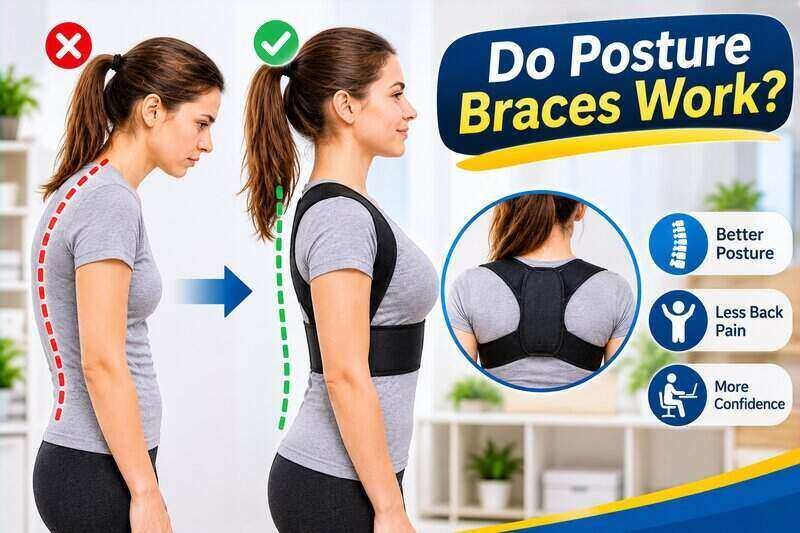
What Is a Posture Brace?
A posture brace, also called a posture corrector, is a wearable support that gently pulls your shoulders back and holds your upper spine in a straighter position. Most target the upper and middle back rather than the lower back.
Common styles include:
- Figure-eight straps that loop around both shoulders and cross between the shoulder blades
- Vest or harness styles with a back panel and shoulder straps
- Full-back braces that combine shoulder straps with a lumbar belt
- Elastic resistance trainers that use bands to nudge your shoulders back
- Smart sensors that buzz when you slouch, with no straps at all
They are designed for posture problems such as rounded shoulders, forward head posture, and slouching from long hours at a computer or phone.
Do Posture Braces Work? What the Research Shows
Research on posture braces is limited, and most studies are small and short-term. Still, a few clear patterns stand out.
They Can Improve Posture While You Wear Them
In a randomized controlled trial of overhead athletes with forward head and rounded shoulder posture, wearing a scapular stabilization brace decreased the forward shoulder angle and slightly increased activity in the lower trapezius muscle, which helps pull the shoulder blades down and back.
They May Reduce Muscle Tension
A 2023 randomized crossover trial in the journal Healthcare studied university students during long typing sessions. Wearing a shoulder brace led to significantly lower activity in the trapezius muscles on both sides. That matters because overworked trapezius muscles are a common source of neck and shoulder tension in desk workers. However, rounded shoulder posture was only slightly better with the brace, and the difference was not statistically significant.
There Is Little Proof of Lasting Change
The bigger gap is long-term evidence. No strong trials show that posture is better after you take the brace off for good, or that a brace alone relieves chronic back pain. Most studies measure posture only while the brace is on, and many include only healthy, pain-free people.
What Experts Recommend
Physical therapists at the Hospital for Special Surgery (HSS) explain that posture correctors are designed to address muscle imbalances that come from spending long periods in fixed positions. Most experts agree a brace works best as a short-term reminder, paired with stretching and strengthening, rather than a long-term fix.
Posture Brace vs. Back Brace: What Is the Difference?
People often mix up posture braces and back braces, but they do different jobs.
| Feature | Posture brace | Lumbar back brace |
|---|---|---|
| Main area | Upper and middle back, shoulders | Lower back |
| Main goal | Pull shoulders back, reduce slouching | Support and stabilize the lumbar spine |
| Typical design | Shoulder straps or harness | Wide belt around the waist |
| Best for | Rounded shoulders, desk posture | Lower back pain, strains, lifting |
| Evidence | Short-term posture and muscle effects | Recent trial support for lower back pain |
If your main problem is lower back pain, a posture brace probably will not help much. A lumbar belt is a better fit. Our guide to the best lumbar support belt compares the main options, and our article on whether back braces really work covers the research on lower back support.
Some products combine both, with shoulder straps attached to a lumbar belt. These can suit people with both rounded shoulders and lower back aches.
Types of Posture Braces Compared
Not all posture braces work the same way, and the style you pick affects comfort and results.
| Style | How it works | Pros | Cons |
|---|---|---|---|
| Figure-eight strap | Loops around shoulders, crosses at back | Cheap, light, hides under clothes | Can rub armpits, gentle pull only |
| Vest or harness | Back panel with shoulder straps | More even pressure | Warmer, bulkier |
| Full-back brace | Shoulder straps plus lumbar belt | Supports upper and lower back | Heavier, more fiddly to put on |
| Elastic resistance trainer | Bands nudge shoulders back | Encourages muscle use | Can feel strong at first |
| Smart posture sensor | Vibrates when you slouch | No straps, builds awareness | Needs charging and an app |
How to Choose a Posture Brace
If you decide a posture brace could help, keep these points in mind when shopping:
Match the Brace to Your Problem
For rounded shoulders from desk work, a figure-eight strap or light harness is usually enough. If you also have lower back aches, a full-back style with a lumbar belt may suit you better. If you mainly want to build awareness without anything pulling on you, a smart sensor is worth considering.
Check the Sizing
Most posture braces are sized by chest measurement, not waist size like lumbar belts. Measure around your chest just under your armpits and compare it to the chart. A brace that is too small will dig in, while one that is too big will not pull your shoulders back.
Look for Soft Straps and Padding
Armpit chafing is the most common complaint. Wide, padded straps and breathable fabric make a big difference if you plan to wear the brace for an hour or more.
Make Sure You Can Put It On Alone
Some designs need help to fasten, especially back-closing harnesses. Look for front closures or styles you slip on like a backpack.
Be Wary of Big Claims
Ignore promises that a brace will cure back pain, fix scoliosis, or permanently correct your posture in a week. The evidence does not support those claims, and the best products describe themselves as reminders or training aids.
Who Can Benefit From a Posture Brace?
A posture brace is most likely to help if you:
- Sit for long hours at a computer and tend to slump as the day goes on
- Have neck and shoulder tension from forward head posture
- Want a reminder to sit and stand taller while building new habits
- Are starting a posture exercise program and want extra cues in the early weeks
- Look at your phone a lot, which pulls the head forward
Many people find the main benefit is awareness. Feeling the straps tug when you slouch trains you to notice and correct your position.
Who Should Avoid a Posture Brace or Check With a Doctor First?
A posture brace is not right for everyone. Talk to a doctor before using one if you:
- Have scoliosis. Posture correctors are not the same as scoliosis braces, which are rigid medical devices fitted by specialists.
- Notice a rounded upper back that appeared quickly, especially if you are over 50, since it can be linked to bone changes such as osteoporosis
- Have a shoulder injury or recent shoulder surgery
- Have numbness or tingling in your arms or hands
- Have breathing problems, since tight straps around the chest can feel restrictive
Older adults with posture changes should be checked by a doctor, because the cause is sometimes structural rather than a habit. For gentler options, our guide to the best back braces for seniors includes an elastic posture trainer.
Possible Downsides of Posture Braces
Used the wrong way, a posture brace can cause problems:
- Muscle dependence. If the brace does the work all day, your postural muscles may not get stronger.
- Armpit rubbing. Figure-eight straps often chafe under the arms. Many reviewers mention this.
- Nerve pressure. Straps that are too tight can press on nerves and blood vessels near the armpit, causing tingling.
- False confidence. A brace can make you feel your posture is fixed when the underlying habits have not changed.
Most of these can be avoided by wearing the brace for short periods and keeping the straps snug but not tight.
How to Use a Posture Brace the Right Way
Follow these steps to get the most out of a posture brace:
- Start small. Wear it for 15 to 30 minutes a day at first.
- Build up slowly. Add time gradually, up to about one to two hours a day.
- Wear it during slouch-prone tasks. Computer work, driving, and phone use are good times.
- Keep it snug, not tight. You should be able to move your arms and breathe freely.
- Pad the armpits. Wear a T-shirt underneath, or use the soft pads many braces include.
- Pair it with exercise. Use the brace as a reminder while you strengthen the muscles that hold you upright.
- Wean off over time. As your posture improves, use the brace less, not more.
In the video below, a physical therapist explains whether posture correction braces work and how to use them.
Exercises That Make Posture Changes Last
The research and experts agree: lasting posture change comes from strength and movement. These simple exercises target the muscles that help you stand tall.
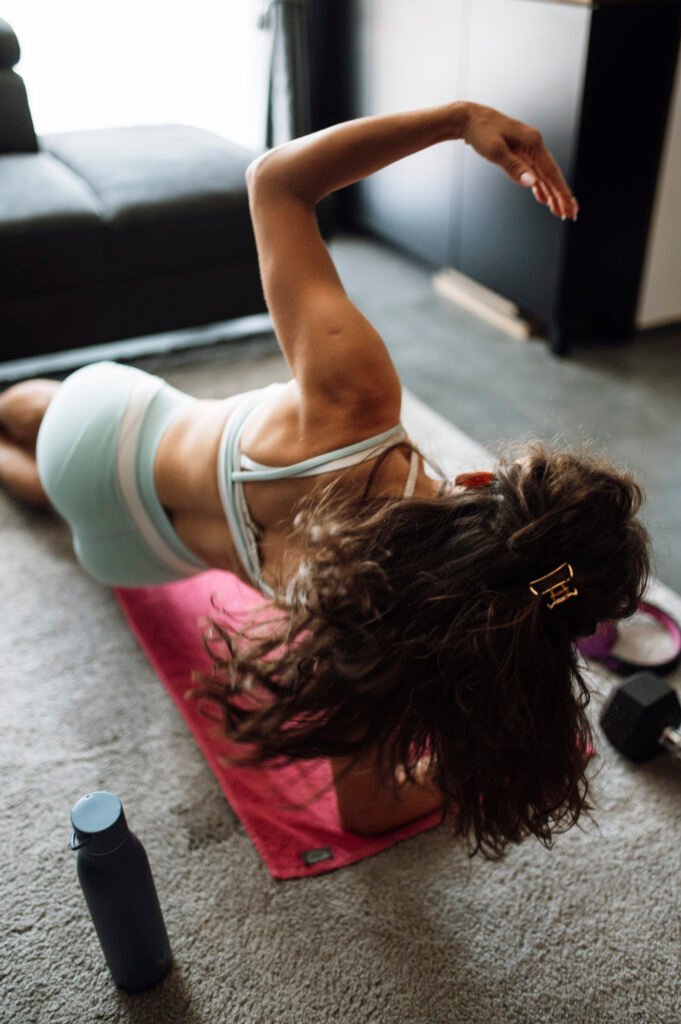
Photo: Shixart1985, CC BY 2.0, via Wikimedia Commons
Shoulder Blade Squeezes
Sit or stand tall. Squeeze your shoulder blades together and down, as if trying to hold a pencil between them. Hold for five seconds, then relax. Repeat 10 times.
Chin Tucks
Sit tall and look straight ahead. Gently draw your chin straight back, making a slight double chin, without tilting your head. Hold for five seconds. Repeat 10 times.
Doorway Chest Stretch
Stand in a doorway with your forearms on the frame and elbows at shoulder height. Step forward gently until you feel a stretch across your chest. Hold for 30 seconds. Repeat three times.
Wall Angels
Stand with your back against a wall, arms bent like a goal post. Slowly slide your arms up and down the wall while keeping your back and arms in contact. Do 10 slow reps.
Rows With a Band
Loop a resistance band around a sturdy object. Pull the ends toward your ribs, squeezing your shoulder blades together. Do two sets of 12.
For a fuller routine, see our guide to upper back exercises for better posture. Pilates is another good option, and our article on improving posture with Aeropilates reformer exercises shows how.
Fix Your Setup, Too
No brace can make up for a poor workspace. These changes help your posture all day:
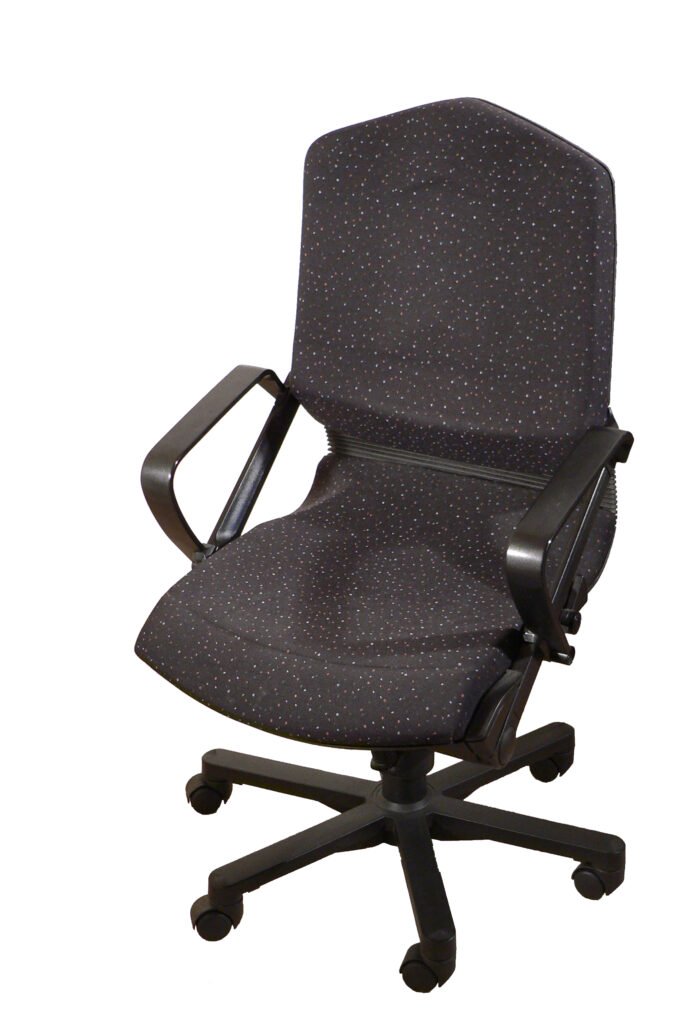
Photo: Frank C. Muller, CC BY-SA 4.0, via Wikimedia Commons
- Raise your screen so the top is at or slightly below eye level
- Keep your keyboard close so your elbows stay by your sides
- Use a chair with lumbar support, or add a cushion
- Keep your feet flat on the floor
- Hold your phone up near eye level instead of looking down
- Stand up and move every 30 to 45 minutes
If neck tension is your main issue, a supportive pillow or brace for the neck may help. Our neck support brace guide covers options.
Frequently Asked Questions
Do posture braces work?
Posture braces can improve shoulder position and reduce neck and shoulder muscle tension while you wear them, according to small studies. There is little evidence that they permanently change posture on their own. They work best as a short-term reminder alongside exercise.
How long should you wear a posture brace each day?
Start with 15 to 30 minutes and build up to about one to two hours a day. Wearing it all day may let your postural muscles rely on the brace instead of getting stronger.
Can a posture brace fix a hunchback?
Not on its own. A rounded upper back from habit can improve with exercise, and a brace may help as a reminder. A curve caused by bone changes, such as osteoporosis, needs medical assessment.
Do posture braces help back pain?
They may ease upper back and neck tension from slouching, but they are not designed for lower back pain. A lumbar back brace is a better choice for pain in the lower back.
Can you sleep in a posture brace?
No. Posture braces are meant for use while sitting or standing. Remove yours before bed.
Are posture braces safe?
They are generally safe for healthy adults when worn for short periods and not too tight. Check with a doctor first if you have scoliosis, a shoulder injury, or numbness in your arms.
The Bottom Line
So, do posture braces work? They can help while you wear them, by pulling your shoulders back and reducing tension in overworked neck and shoulder muscles. But they are not a permanent fix. Lasting posture improvement comes from strengthening your upper back, stretching your chest, and changing how you sit and use screens.
Use a posture brace as training wheels: wear it for short periods, keep it comfortable, and pair it with daily exercises. If you have scoliosis, a rapidly worsening curve, or arm numbness, see a doctor before using one.
This article is for general information and is not medical advice. Talk to a doctor or physical therapist about posture problems or ongoing pain.

Hi, I’m Mamon, the content creator behind this blog. I share my experience in blogging, WordPress, SEO, and affiliate marketing through honest product reviews, in-depth buying guides, and practical how-to articles. Every piece of content is thoroughly researched and written to help readers make informed decisions.
Leave a Reply