A pulled back muscle can stop you in your tracks. One wrong lift, twist, or sudden move, and suddenly bending over to tie your shoes feels impossible. Many people reach for a back brace for back strain to get through the first painful days. Used the right way, a brace can make moving easier while the muscle heals. Used the wrong way, it may slow your recovery.
This guide explains what a back strain is, how long it usually takes to heal, when a back brace for back strain helps, how to wear one, and the self-care steps that matter most. If you want a deeper look at brace research, see our article on whether back braces really work.
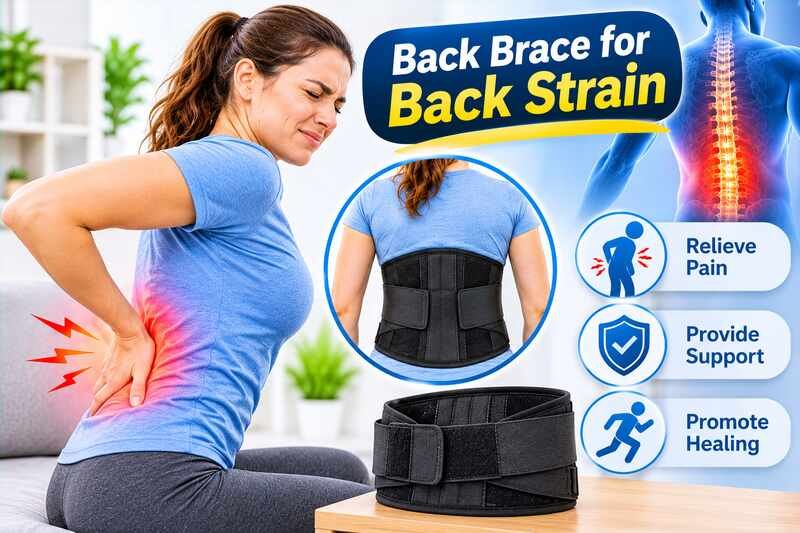
What Is a Back Strain?
According to Cleveland Clinic, a back strain happens when a muscle or tendon gets injured, while a back sprain occurs when a ligament stretches or tears. In daily life, people often use the two terms the same way, and the symptoms and treatment are very similar.
Common Causes
- Lifting something heavy, especially with a rounded back
- Twisting while lifting or carrying
- A sudden fall or awkward movement
- Overuse during sports, yard work, or moving house
- Poor posture over long periods
- Weak core and back muscles
Common Symptoms
- Dull or sharp pain in the lower back
- Muscle spasms or cramping
- Stiffness and trouble bending
- Pain that gets worse with movement and eases with rest
- Tenderness when you press on the area
Unlike a pinched nerve, a simple back strain usually does not cause pain, numbness, or tingling that travels down the leg. If you have those symptoms, see our guide on a back brace for sciatica.
How Long Does a Back Strain Take to Heal?
The good news is that most back strains heal well. Cleveland Clinic says most people with back strains or sprains improve in about two weeks. The American Association of Neurological Surgeons reports that more than 90% of patients completely recover from an episode of lumbar strain or sprain within one month.
| Severity | What it feels like | Typical recovery |
|---|---|---|
| Mild | Soreness and stiffness, can still move | A few days to about 2 weeks |
| Moderate | Sharp pain, spasms, trouble bending | About 2 to 4 weeks |
| Severe | Intense pain, hard to stand or walk | 6 weeks or more, see a doctor |
Recovery can take longer as you get older, if you re-injure the area, or if you stop moving entirely.
Does a Back Brace Help With Back Strain?
A back brace for back strain can help in the short term, mainly by:
- Adding compression, which can ease the feeling of instability
- Limiting painful movements, such as deep bending and twisting
- Providing warmth, which may relax tight muscles
- Reminding you to move carefully, so you are less likely to re-injure the muscle
The key word is short term. Cleveland Clinic notes that the most common complication of a back strain or sprain is being less active, which can weaken muscles and reduce flexibility. A brace should help you stay active, not replace activity.
When a Brace Makes the Most Sense
- During the first few days, when pain makes everyday tasks hard
- When you must return to work that involves lifting or standing
- During chores, yard work, or long car rides
- When you feel nervous about moving and need extra confidence
When a Brace Is Less Helpful
- Sitting on the couch all day, where it may encourage too much rest
- After the first couple of weeks, once pain has mostly eased
- As a long-term replacement for core strength
Best Type of Back Brace for Back Strain
| Brace type | Support level | Best for |
|---|---|---|
| Elastic lumbar belt | Light to moderate | Mild strains, daily activity |
| Lumbar belt with stays and pull straps | Moderate to firm | Moderate strains, work and chores |
| Brace with heat or ice pack pocket | Light to moderate | Pain relief plus support |
| Rigid lumbar orthosis | Firm | Severe injuries, usually by prescription |
For most people with a muscle strain, a breathable lumbar belt with adjustable compression works well. Look for one with a lumbar pad or stays, side pull straps, and a size based on your waist. Our guide to the best lumbar support belt compares ten options, and our back brace size chart explains how to measure.
How to Wear a Back Brace for Back Strain
- Position it low. The center of the brace should sit over the painful area of your lower back, usually just above the tailbone.
- Fasten it snugly. It should feel supportive but not tight enough to restrict breathing.
- Wear it during activity. Put it on for walking, chores, work, or driving.
- Take it off during rest. Remove it when you are lying down or relaxing.
- Limit total wear. Aim for a few hours a day, not all day and night.
- Wean off gradually. As pain improves, wear it less each day over one to two weeks.
For step-by-step fitting tips, see our guide on how to properly wear a back brace.
Self-Care Steps That Speed Healing
A brace works best as one part of a recovery plan.
Stay Gently Active
Short walks, gentle movement, and normal daily tasks help more than bed rest. Avoid the specific movements that hurt, but keep moving within your comfort level.
Use Heat or Ice
In a major 2017 guideline, the American College of Physicians recommended superficial heat as a first-line, non-drug treatment for acute low back pain, based on moderate-quality evidence. Many people use ice in the first day or two after an injury, then switch to heat. Apply either for 15 to 20 minutes at a time, with a cloth between the pack and your skin.
Try Gentle Massage
Massage can ease muscle tension and spasms. Our guide to lower back massage techniques explains simple at-home methods. A TENS unit is another drug-free option some people find helpful for muscle pain.
Consider Over-the-Counter Pain Relief
Some people use over-the-counter anti-inflammatory medicines for a short time. Ask a doctor or pharmacist first, especially if you take other medicines or have stomach, kidney, or heart problems.
Sleep Smart
Try sleeping on your back with a pillow under your knees, or on your side with a pillow between your knees. These positions reduce strain on the lower back.
Exercises for Back Strain Recovery
Once the sharp pain eases, usually after a few days, gentle exercises can help you recover faster and lower the chance of future strains.
In the video above, a physical therapist shows simple exercises to help you recover from a low back strain.
Gentle Movements to Start
- Pelvic tilts: Lie on your back with knees bent. Flatten your lower back against the floor, hold for five seconds, and relax. Repeat 10 times.
- Knee-to-chest stretch: Lie on your back and gently pull one knee toward your chest. Hold for 20 seconds. Switch sides.
- Child’s pose: Kneel, sit back on your heels, and reach your arms forward on the floor. Hold for 20 to 30 seconds.
- Cat-cow: On hands and knees, slowly arch and round your back. Repeat 10 times.
Strengthening Moves for Later
- Glute bridges: Lie on your back, knees bent, and lift your hips. Hold for a few seconds. Do 10 reps.
- Bird dog: On hands and knees, extend one arm and the opposite leg. Hold for five seconds. Switch sides.
- Side plank from knees: Hold for 10 to 20 seconds per side.
Stop any exercise that causes sharp pain. For more stretches, see our guide to low back pain stretches.
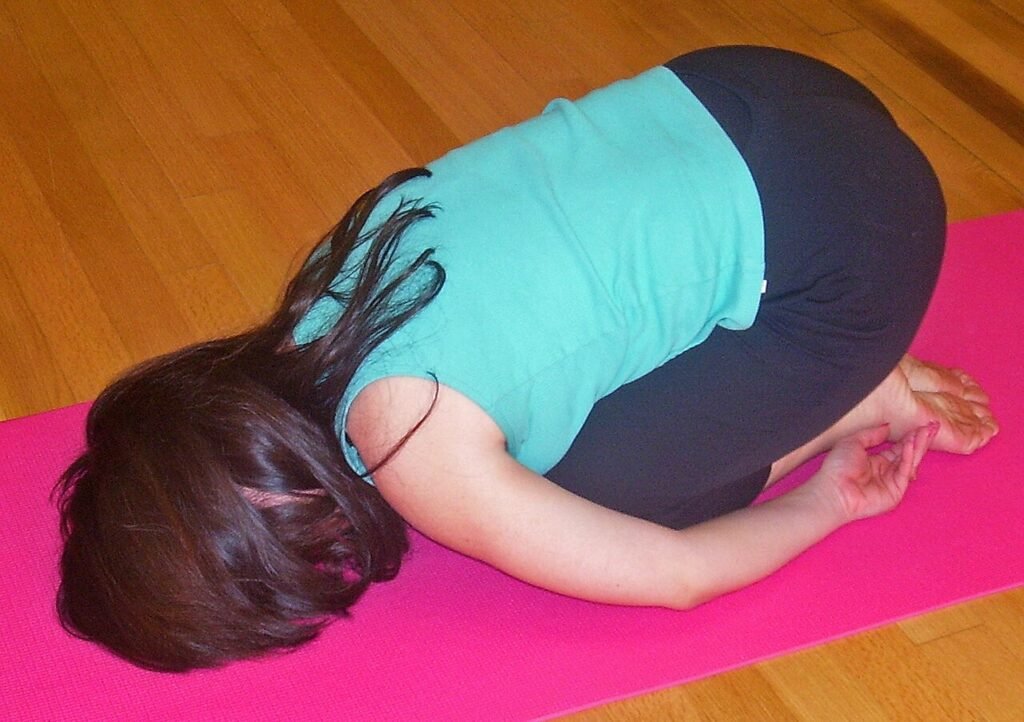
Photo: Daniel Case, CC BY-SA 3.0, via Wikimedia Commons
Back Strain vs. Other Causes of Back Pain
Not every sudden backache is a muscle strain. Knowing the difference helps you choose the right care and decide whether a brace makes sense.
| Condition | Typical signs | Is a brace useful? |
|---|---|---|
| Muscle strain or sprain | Pain and spasms in the back, no leg symptoms, gets better within weeks | Yes, short term during activity |
| Herniated disc | Back pain plus pain, numbness, or tingling down one leg | Sometimes, for short-term comfort |
| Sciatica | Burning or shooting pain from the buttock down the leg | Sometimes, alongside other care |
| Compression fracture | Sudden pain after a minor fall, especially in older adults with osteoporosis | Only a doctor-prescribed brace |
| Kidney or other organ problems | Pain with fever, urinary symptoms, or feeling unwell | No, see a doctor |
If your symptoms match anything other than a simple strain, get checked before relying on a brace. Our guide on back support for herniated disc covers disc-related pain in more detail.
Returning to Work After a Back Strain
Many people with back strains can keep working, sometimes with small changes. Staying at work, or returning soon, often helps recovery because it keeps you moving.
- Desk workers: Get up every 30 to 45 minutes, keep your feet flat, and use a small cushion behind your lower back. A brace can help during the first days, but take it off once you are comfortable sitting.
- Standing or retail jobs: Shift your weight often, use supportive shoes, and consider a brace for the first week or two of shifts.
- Lifting and manual jobs: Ask about lighter duties at first. Use safe lifting technique and team lifts for heavy loads. A brace may make you feel more secure, but it does not make heavy lifting safe on a fresh injury.
- Drivers: Take breaks on long trips and adjust your seat so your knees are slightly lower than your hips.
If your job involves heavy lifting and your pain is not improving, talk to your doctor or occupational health team before returning to full duties.
How to Prevent Future Back Strains
- Lift with your legs. Bend your knees, keep the load close, and avoid twisting.
- Build core strength. Strong abdominal and back muscles protect the spine.
- Warm up before sports or heavy chores.
- Take breaks from long periods of sitting or repetitive work.
- Keep a healthy weight, which reduces load on your lower back.
- Wear supportive shoes, especially if you stand or walk a lot. See our guide to the best shoes for lower back pain.
If you lift weights, our guide to a back brace for working out explains when a lifting belt helps.
When to See a Doctor
Most back strains get better at home, but see a doctor if:
- Your pain is severe or getting worse after a few days
- Pain does not improve after about two weeks
- You have numbness, tingling, or weakness in your legs
- The pain followed a fall, car accident, or other major injury
- You have fever, unexplained weight loss, or a history of cancer
- You lose control of your bladder or bowels (seek emergency care)
Frequently Asked Questions
Should I wear a back brace for a pulled back muscle?
A back brace can help you move more comfortably for the first few days to two weeks after a pulled back muscle. Wear it during activity, take it off during rest, and keep moving gently.
How long should I wear a back brace for back strain?
Most people only need a brace for a short time, often a few days to two weeks. Wear it a few hours a day during activity and reduce wear time as you feel better.
Can a back brace make back strain worse?
Wearing a brace too much or for too long may lead to stiffness and weaker core muscles. Using it while staying active and doing gentle exercises reduces that risk.
Is it better to rest or move with a back strain?
Gentle movement is usually better than bed rest. Avoid the movements that cause sharp pain, but keep walking and doing light daily tasks.
Can I sleep in a back brace for a back strain?
Most people should not sleep in a back brace. Remove it at night and use supportive sleeping positions instead.
What is the fastest way to heal a back strain?
Stay active within your comfort level, use heat or ice, sleep in a supportive position, and start gentle stretches once sharp pain eases. A brace can help you stay active during the first days.
Do I need an X-ray or MRI for a back strain?
Usually not. Most back strains are diagnosed with a physical exam and your description of how the injury happened. Imaging is usually only needed if you have red-flag symptoms, a major injury, or pain that does not improve with treatment.
The Bottom Line
A back brace for back strain is a helpful short-term tool. It can ease pain, add support, and give you confidence to move while the muscle heals. Most back strains improve within about two weeks, and more than 90% recover fully within a month.
The best recovery plan combines short-term brace use with gentle activity, heat or ice, smart sleeping positions, and exercises that build core strength. Wean off the brace as you improve, and see a doctor if pain is severe, lasts longer than expected, or comes with leg symptoms. For a full list of brace options, visit our guide to the best back braces.
This article is for general information and is not medical advice. Talk to a doctor about severe or lasting back pain.

Hi, I’m Mamon, the content creator behind this blog. I share my experience in blogging, WordPress, SEO, and affiliate marketing through honest product reviews, in-depth buying guides, and practical how-to articles. Every piece of content is thoroughly researched and written to help readers make informed decisions.
Leave a Reply