Photo: Pexels
Walk down any store aisle or scroll through Amazon, and you will find dozens of gadgets that promise to melt away tension. With so many types of massagers, it is hard to know which one fits your body, your pain, and your budget. Some tap deep into muscle, others knead, squeeze, or simply vibrate.
Massage is more popular than ever in the U.S. According to the National Center for Complementary and Integrative Health, 10.9% of U.S. adults used massage therapy in 2022, up from 4.8% in 2002. Home massagers make that relief easier to get between appointments. This guide explains the main types of massagers, how each one works, and how to pick the right one.
Key Takeaways
- The main types of massagers are percussion guns, vibration wands, shiatsu devices, massage chairs and pads, foot massagers, air compression devices, scalp massagers, and manual tools.
- Percussion massagers work deepest, while vibration and shiatsu devices feel gentler.
- TENS units are not massagers. They use electrical current and fall under a different FDA class.
- Choose a massager by target area first, then by intensity, size, and budget.
- Most home massagers are low risk for healthy adults when used gently and briefly.
What Is a Massager Called?
A massager is any device or tool that rubs, presses, taps, squeezes, or vibrates the body to relax muscles. People use many names for the same products, which adds to the confusion.
- Personal massager or body massager: General terms for small handheld devices
- Massage gun or percussion massager: A handheld device with a piston that taps the muscle
- Shiatsu massager: A device with rotating nodes that knead like fingers
- Wand massager: A long-handled vibration massager
- Massage tool: Usually a manual item, such as a foam roller or massage ball
In medical terms, the FDA groups many of these products as “therapeutic massagers.” Electric versions are meant to relieve minor muscle aches and pains.
Types of Massagers at a Glance
Here is a quick comparison of the most common types of massagers:
| Type | How it works | Feels like | Best for |
|---|---|---|---|
| Percussion massager | Piston taps the muscle | Firm, fast knocking | Large muscles after exercise |
| Vibration wand | Head vibrates rapidly | Buzzing, surface-level | General relaxation, back |
| Shiatsu massager | Rotating nodes knead | Thumbs pressing in circles | Neck, shoulders, lower back |
| Massage chair | Rollers, airbags, heat | Full-body, hands-free | Whole-body relaxation |
| Massage chair pad | Rollers in a seat pad | Rolling along the spine | Back on a budget |
| Foot massager | Rollers, airbags, heat | Kneading and squeezing | Tired, achy feet |
| Air compression | Inflating sleeves or wraps | Rhythmic squeezing | Legs, hands, eyes |
| Scalp massager | Prongs or bristles | Light tingling | Head tension, relaxation |
| Manual tools | Your own pressure | Varies by tool | Trigger points, budget use |
10 Types of Massagers Explained
1. Percussion Massager (Massage Gun)
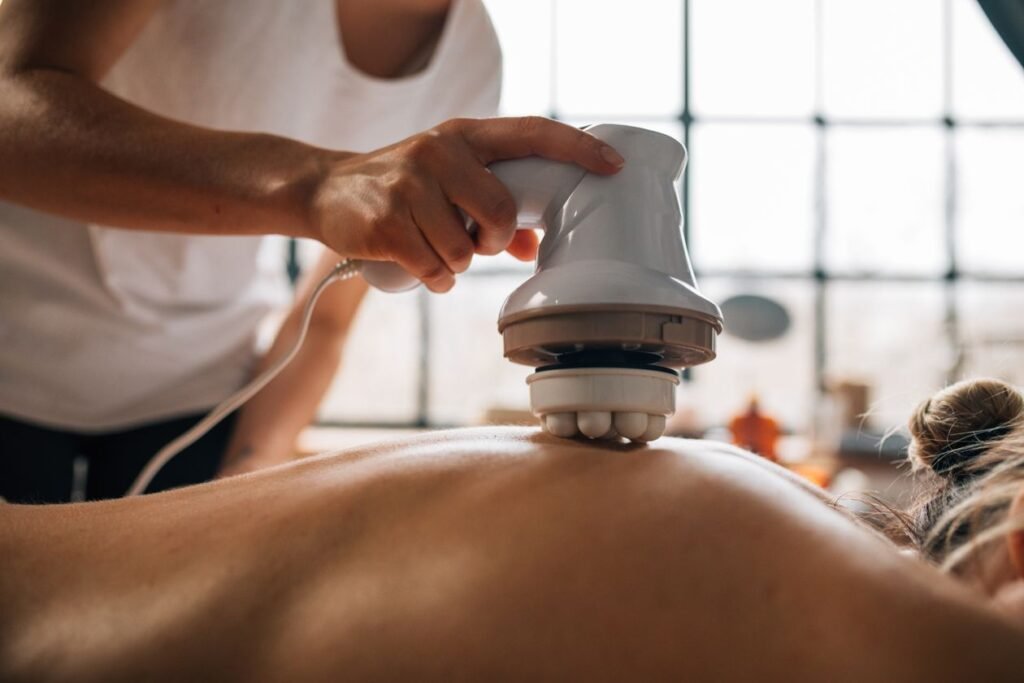
A percussion massager uses a motor-driven piston to tap the muscle again and again. Popular models move the head 7 to 16 mm per stroke at about 1,800 to 3,200 taps per minute. That depth makes massage guns the strongest option for large, tight muscles like the quads, glutes, and calves.
They are popular with runners and gym-goers, but they can feel too intense on bony or sensitive areas. Compare top models in our best massage gun guide.
Good to know: Research links massage guns to short-term gains in flexibility, not to more strength or power. Keep each muscle to about 2 minutes.
2. Vibration Wand Massager
A wand massager has a long handle and a round head that vibrates quickly. The movement stays near the surface, so it feels softer than a massage gun. The long handle makes it easy to reach your own back and shoulders.
Good to know: Wands are a good first massager for beginners because the pressure is easy to control.
Many handheld back massagers blend vibration with light tapping. See our best handheld back massager review for options.
3. Shiatsu Massager
Shiatsu massagers use rotating nodes that press and knead in circles, much like a therapist’s thumbs. They come as neck and shoulder wraps, back cushions, and pillows. Many add gentle heat.
Good to know: Choose a model with an auto shut-off and adjustable heat, and use a thin layer of clothing between the nodes and your skin.
Shiatsu is a Japanese massage style, and NCCIH lists it among the Eastern-derived methods people use. Devices only mimic the style, but the kneading motion feels soothing for tight necks and shoulders.
4. Massage Chair
A full-body massage chair combines rollers, airbags, heat, and recline in one seat. It is the most hands-free option and covers the back, hips, legs, and feet at once. The tradeoff is cost, size, and weight.
If you are shopping, start with our best massage chair under $1,000 roundup.
5. Massage Chair Pad or Seat Cushion
A massage pad straps onto a regular chair and runs rollers or shiatsu nodes along your back. It gives a taste of a massage chair for a fraction of the price and space. Many plug into a car outlet, so you can use them on long drives as a passenger.
Good to know: Check that the roller travel matches your back length. A pad that is too short will miss your shoulders.
6. Foot Massager
Foot massagers knead the soles, heels, and arches with rollers, airbags, or both. Some wrap around the calves too. They suit people who stand all day, such as nurses, teachers, and retail workers. Compare options in our best foot massagers review.
Good to know: People with diabetes and reduced foot sensation should talk to a doctor first, since they may not feel too much pressure or heat.
7. Air Compression Massager
Air compression devices use sleeves that inflate and deflate in a pattern. You will find them as leg boots, hand wraps, and eye masks. The squeezing feels like a firm, steady hug and is popular for tired legs after long days on your feet.
Good to know: Anyone with a history of blood clots or circulation problems should get medical advice before using compression devices.
8. Scalp and Head Massager
Scalp massagers range from simple wire “head scratchers” to electric devices with rotating, soft-tipped prongs. They offer light, tingling relief and are often used to unwind before bed.
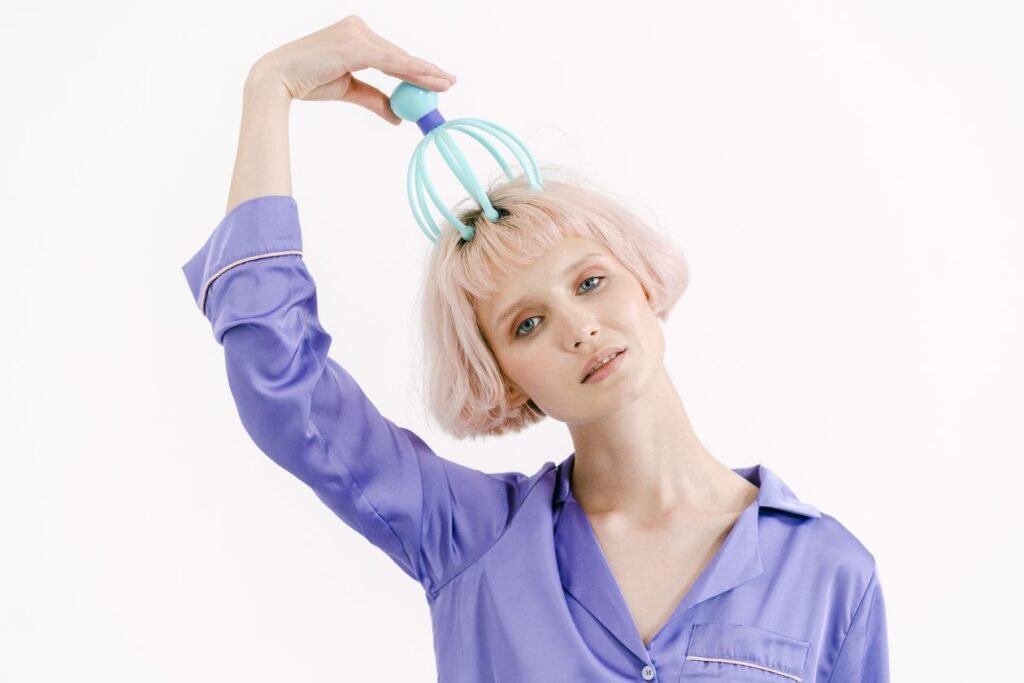
Photo: Pexels
9. TENS Unit (Not Technically a Massager)
A TENS unit sends a mild electrical current through pads on the skin. It can feel like a tingle or twitch, so it is often sold beside massagers. However, it works on nerves, not by moving muscle.
The FDA also treats it differently. A TENS device for pain relief is a Class II device under 21 CFR 882.5890, while electric therapeutic massagers are Class I. If you have a pacemaker, epilepsy, or heart condition, ask your doctor before using a TENS unit. Learn more in our guide to the best TENS machine for body pain relief.
10. Manual Massage Tools
Manual tools use your own pressure instead of a motor. Common options include foam rollers, massage balls, trigger point canes or hooks, and wooden rollers. They are cheap, quiet, and never need charging.
A foam roller covers large areas like the back of the legs. A small ball or cane hook works well for knots in the shoulders and glutes.
Good to know: Manual tools are the easiest way to try self-massage before spending money on an electric device.
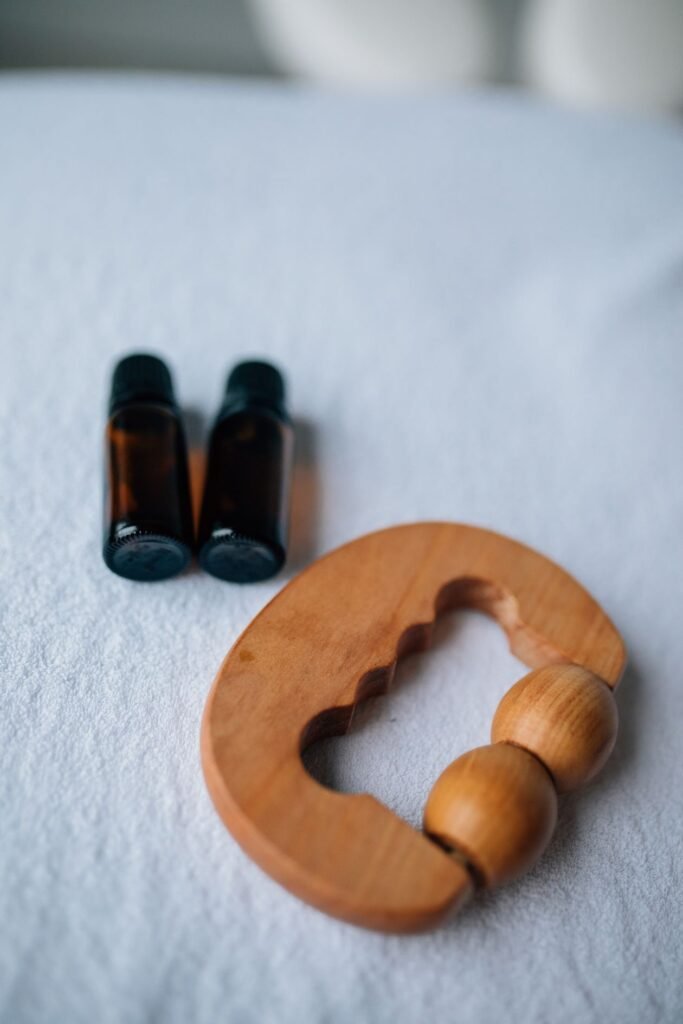
Photo: Pexels
Electric vs. Manual Massagers
Both kinds have a place in a home routine. Here is how they compare:
| Factor | Electric massagers | Manual tools |
|---|---|---|
| Effort | Low; the motor does the work | You supply the pressure |
| Intensity control | Speed and mode settings | Body weight and angle |
| Cost | Moderate to high | Low |
| Noise | Some hum or buzz | Silent |
| Portability | Needs charging or an outlet | Works anywhere |
| Best for | Daily recovery and relaxation | Budget use and trigger points |
Watch: A Physical Therapist Reviews Home Massagers
This video shows a physical therapist testing several at-home massage products and explaining which ones are worth it:
How to Choose the Right Type of Massager
Start with the area you want to treat, then match the device to your comfort level:
| Your goal | Best types of massagers |
|---|---|
| Sore legs after exercise | Percussion massager, foam roller, air compression boots |
| Tight neck and shoulders | Shiatsu neck wrap, vibration wand, dampener head on a massage gun |
| Lower back tension | Shiatsu cushion, massage chair pad, wand massager |
| Aching feet | Foot massager, massage ball |
| Whole-body relaxation | Massage chair |
| Stress and sleep | Scalp massager, massage chair sleep program |
| Small budget | Manual tools, massage chair pad |
Also think about these factors before you buy:
- Intensity: Gentle devices suit beginners and older adults. Deep devices suit athletes.
- Size and weight: Light, cordless devices are easier to use on your own back.
- Heat: Heat feels soothing for stiff muscles, especially in cold weather.
- Noise: Quieter models are better for offices and late-night use.
- Warranty: Motorized devices can fail, so a solid warranty matters.
Best Types of Massagers for Specific Groups
- Older adults: Gentle vibration wands, shiatsu cushions with low heat, and massage chairs with soft programs. Avoid high-intensity massage guns.
- Athletes and runners: Full-size massage guns, foam rollers, and air compression boots for the legs.
- Office workers: Shiatsu neck wraps, massage chair pads, and small massage balls for desk breaks.
- Frequent travelers: Mini massage guns and lacrosse-style massage balls that fit in a carry-on.
- People on their feet all day: Foot massagers and compression devices for tired legs.
Types of Massagers by Cost
Prices change often, but the types of massagers fall into clear cost tiers:
| Cost tier | Types of massagers |
|---|---|
| Lowest | Manual tools, scalp massagers, massage balls |
| Low to moderate | Vibration wands, mini massage guns, shiatsu neck wraps |
| Moderate | Full-size massage guns, foot massagers, massage chair pads, compression boots |
| Highest | Full-body massage chairs |
If you are not sure what you like, start in a lower tier. You can always upgrade once you know which kind of massage feels best.
Are Massagers Safe?
For most healthy adults, home massagers carry little risk. NCCIH notes that the risk of harmful effects from massage therapy appears to be low. Rare serious events, such as blood clots, nerve injury, and bone fractures, have been reported. They were mostly linked to vigorous massage or to at-risk people, such as older adults.
Follow these simple rules with any type of massager:
- Start on the lowest setting and keep sessions short, about 10 to 15 minutes total.
- Avoid bones, the front of the neck, bruises, open wounds, and swollen areas.
- Do not use a massager over a known blood clot or varicose veins.
- Ask your doctor first if you are pregnant, take blood thinners, or have nerve damage from diabetes.
- Stop right away if you feel sharp pain, numbness, or tingling.
For step-by-step tips, read our guide on how to use a personal massager at home.
How to Care for Your Massager
- Clean after use: Wipe heads, nodes, and fabric covers with a damp cloth. Many covers are removable and washable.
- Charge correctly: Use the cable and charger the brand recommends to protect the battery.
- Let it rest: Many devices shut off after 10 to 15 minutes to prevent overheating. Let them cool before the next session.
- Store it dry: Keep electric massagers away from bathrooms and other damp spaces.
Common Mistakes When Buying a Massager
- Buying the strongest device first. Deep power is wasted if it is too intense for your body.
- Ignoring the target area. A massage gun is great for legs but awkward for the neck.
- Skipping return policies. Comfort is personal, so buy from a seller with easy returns.
- Expecting a cure. Massagers ease tightness, but they do not fix the cause of chronic pain.
Frequently Asked Questions
What type of massager is most effective?
It depends on the goal. Percussion massagers work deepest on large muscles, while shiatsu and vibration massagers feel better on the neck and back. The most effective massager is the one you will use regularly.
What is the difference between a massager and a massage gun?
“Massager” is the general term for any device that massages the body. A massage gun is one specific type that uses percussion.
Are shiatsu massagers good for you?
For most people, yes. They offer gentle kneading that can ease neck and shoulder tension. Avoid using them directly on the spine or the front of the neck.
Is a TENS unit better than a massager?
They do different jobs. A TENS unit uses electrical current on nerves, while a massager moves muscle tissue. Ask a doctor or physical therapist which suits your pain.
Which massager is best for the neck?
A shiatsu neck wrap or a gentle vibration wand is usually more comfortable than a massage gun. Keep any device on the back and sides of the neck, never the front.
Are massagers FSA or HSA eligible?
Some are. Several massage guns and foot massagers list FSA or HSA eligibility, but plan rules vary. Check with your plan administrator before you buy.
What type of massager is best for beginners?
A vibration wand or a shiatsu cushion is a good place to start. Both are gentle, easy to control, and work on common problem areas like the back and shoulders. If you mostly want leg recovery after workouts, a mini massage gun on its lowest speed is a safe first step.
Do I need a massager with heat?
Heat is optional, but many people find it soothing for stiff muscles, especially in winter. Look for adjustable heat and an auto shut-off. Skip heat on fresh injuries, swollen areas, or skin with reduced feeling.
Can I use a massager every day?
Most healthy adults can use a massager daily for short sessions. Give tender areas a day off if they still feel sore.
Conclusion
There are many types of massagers, from deep-tapping massage guns to gentle shiatsu wraps and simple foam rollers. Each one suits a different body area and comfort level.
Choose by the area you want to treat, start gently, and keep sessions short. With the right match, a home massager can be an easy way to ease daily tension between professional massages.
Health note: This article is for general information only and is not medical advice. Talk to your doctor before using a massage device if you have a health condition or injury.

Hi, I’m Mamon, the content creator behind this blog. I share my experience in blogging, WordPress, SEO, and affiliate marketing through honest product reviews, in-depth buying guides, and practical how-to articles. Every piece of content is thoroughly researched and written to help readers make informed decisions.
Leave a Reply