


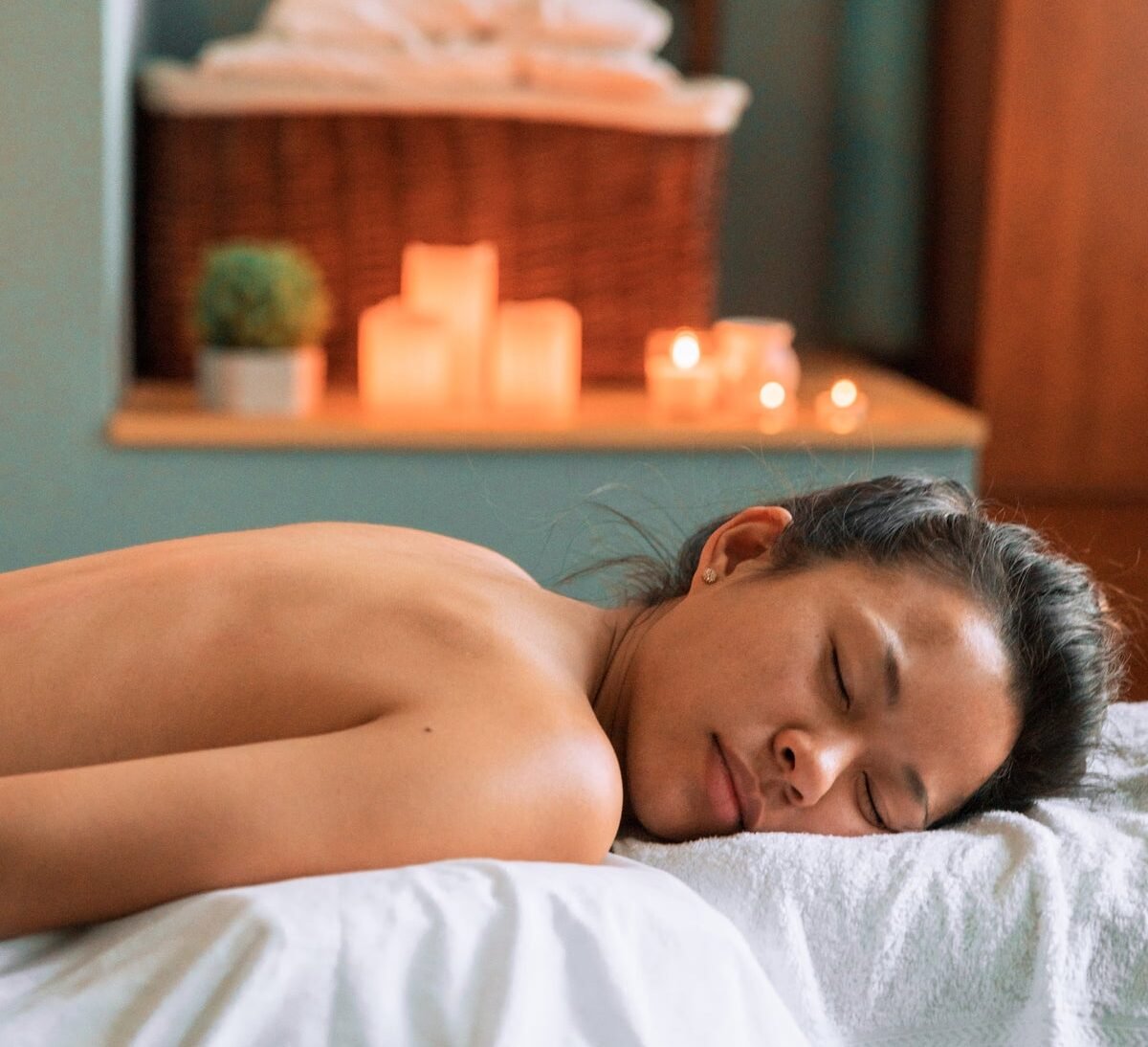
Photo: Shopify Burst
This guide explains what makes a massage relaxing, what science says about pleasant touch, ten techniques you can use, how to set up the room, and how to adapt them for different needs. It is written for U.S. readers who want practical, evidence-based tips.
Key Takeaways
- A relaxing massage uses slow, rhythmic strokes, light to moderate pressure, and a calm setting.
- Research on touch nerves found that stroking at about 1 to 10 cm per second (roughly 0.4 to 4 inches per second) felt the most pleasant.
- In a U.S. trial, Swedish massage twice a week for six weeks reduced anxiety more than light touch.
- The core relaxation massage techniques are gliding, slow kneading, palm compression, rocking, and gentle holds.
- Setting matters as much as technique: warmth, quiet, dim light, and clear communication.
What Is a Relaxing Massage?
A relaxing massage is a massage designed to calm the nervous system rather than fix a specific problem. The goal is comfort and stress relief. Most relaxing massages are based on Swedish massage, which uses long gliding strokes and gentle kneading.
A relaxing massage usually has these traits:
- Slow pace: Strokes are unhurried and steady.
- Comfortable pressure: Light to moderate, never painful.
- Rhythm: Movements flow in a predictable pattern.
- Full-body flow: It often covers the back, shoulders, arms, legs, and feet.
- Calm setting: Warm room, soft lighting, and little noise.
The Science of Relaxing Touch
Your Skin Has “Pleasant Touch” Nerves
Scientists have found special nerve fibers in hairy skin called C-tactile afferents. In a study published in Nature Neuroscience, researchers stroked volunteers’ skin with a soft brush at different speeds. These nerves fired most strongly at intermediate speeds of 1 to 10 centimeters per second. Those same speeds were rated as the most pleasant.
In practical terms, that is about 0.4 to 4 inches per second. That is a slow, gentle stroke, much slower than most people move when they rub someone’s back without thinking.
Massage Can Lower Anxiety
In a randomized trial at Emory University, adults with generalized anxiety disorder received Swedish massage or light touch twice a week for six weeks. Anxiety scores fell by 11.67 points with massage, compared with 8.41 points with light touch. The difference was significant by the end of week three.
Why Slow, Steady Touch Works
- It may help shift the body from “fight or flight” into “rest and digest.”
- Predictable rhythm helps the brain stop scanning for surprises.
- Warmth and gentle pressure encourage tight muscles to soften.
- Focusing on sensation pulls attention away from worries.
10 Relaxation Massage Techniques
1. Effleurage (Long Gliding Strokes)
Place your palms flat and glide slowly along the muscle, usually toward the heart. Keep your hands relaxed and in full contact. This is the foundation of every relaxing massage.
Tip: Count slowly. A stroke from the lower back to the shoulders should take several seconds.
2. Slow Kneading (Petrissage)
Gently lift and squeeze the muscle, then release, like kneading soft dough. On the shoulders, this feels especially soothing. Keep it slow and light.
3. Palm Compression
Place your palms on the back or thighs and lean in slowly, hold for a breath, then release. The steady weight feels grounding and calm.
4. Rocking
Rest your hands on the back, hips, or legs and gently rock the body side to side in a slow rhythm. Rocking can be deeply soothing and is often used at the start or end of a session.
5. Feather Strokes
Use your fingertips to make very light, sweeping strokes across the skin. Feather strokes are often used to finish an area or close the session.
6. Static Holds
Simply rest your warm hands on one area, such as the upper back or the feet, without moving. A still, gentle hold can feel surprisingly calming.

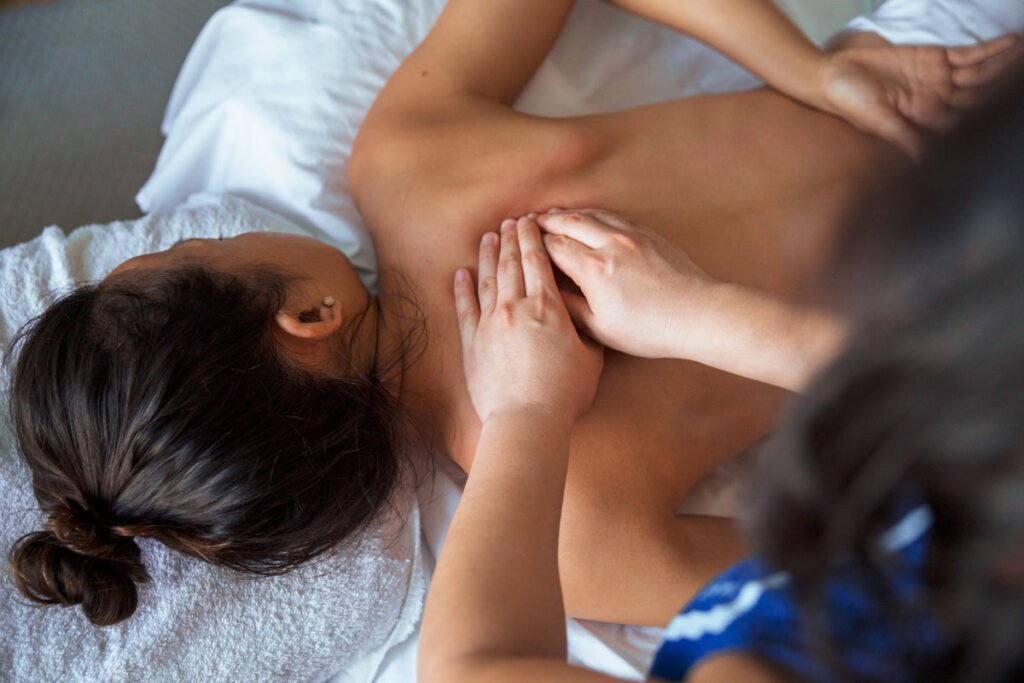
Photo: Shopify Burst
7. Scalp Massage
Use your fingertips to make small, slow circles across the scalp, as if shampooing. Many people find this one of the most relaxing techniques of all.
8. Hand Massage
Press your thumbs in slow circles across the palm, then gently pull along each finger. Hands have many nerve endings, so hand massage can feel very comforting.
9. Foot Massage
Hold the foot firmly, which prevents a tickling feeling, and press slow circles into the sole and heel with your thumbs.
10. Breath-Synced Strokes
Ask the person to breathe slowly. Glide your hands upward as they inhale and down as they exhale. This links the massage to their breathing and slows both down.
Relaxation Massage Techniques at a Glance
| Technique | Pressure | Speed | Best area |
|---|---|---|---|
| Effleurage | Light to moderate | Slow | Back, legs, arms |
| Slow kneading | Moderate | Slow | Shoulders, calves |
| Palm compression | Moderate | Still, then release | Back, thighs |
| Rocking | Light | Slow rhythm | Back, hips, legs |
| Feather strokes | Very light | Slow | Back, arms |
| Static holds | Light | Still | Upper back, feet |
| Scalp massage | Light | Slow circles | Head |
| Hand massage | Light to moderate | Slow | Palms, fingers |
| Foot massage | Moderate, firm grip | Slow | Soles, heels |
| Breath-synced strokes | Light to moderate | Matches breathing | Back |
Watch: Basic Swedish Back Massage for Relaxation
This step-by-step video demonstrates basic Swedish back massage techniques you can use for a relaxing massage at home:

Relaxation Massage Techniques vs. Therapeutic Techniques
| Factor | Relaxation techniques | Therapeutic techniques |
|---|---|---|
| Goal | Calm and comfort | Fixing a specific problem |
| Pressure | Light to moderate | Moderate to firm |
| Speed | Slow and steady | Slow but focused on one area |
| Common strokes | Gliding, rocking, holds | Friction, trigger point work, deep strokes |
| After-effects | Calm, sleepy | Possible soreness |
At home, stick with relaxation massage techniques. Leave deep, targeted work to trained professionals.
How to Set Up a Relaxing Massage at Home
The setting can make or break a relaxing massage. Prepare these before you start:
- Warm room: People cool down quickly when lying still. Aim for a comfortably warm space.
- Soft lighting: Dim the lights or use a lamp instead of overhead lights.
- Quiet: Turn off the TV and silence phones. Soft music is optional.
- Comfortable surface: A firm bed or a padded mat on the floor works well.
- Pillows and towels: Place a pillow under the ankles when lying face down and under the knees when face up.
- Warm oil or lotion: Rub it between your palms before touching the skin.
- Clean, warm hands: Remove rings and keep nails short.
A 20-Minute Relaxing Back Massage Routine
- Minutes 1 to 2: Rest your warm hands on the upper back for a few breaths.
- Minutes 3 to 6: Slow effleurage strokes from the lower back up to the shoulders and back down.
- Minutes 7 to 10: Gentle kneading on the tops of the shoulders.
- Minutes 11 to 13: Palm compression along each side of the spine, never on the spine itself.
- Minutes 14 to 16: Breath-synced strokes, moving up on the inhale and down on the exhale.
- Minutes 17 to 18: Gentle rocking from the hips.
- Minutes 19 to 20: Feather strokes, then a final still hold on the upper back.
End by letting the person rest for a minute before they get up.
Tips for a More Relaxing Massage
- Keep contact: Try not to lift both hands at once. Steady contact feels safe.
- Stay predictable: Repeat strokes so the body knows what to expect.
- Go slower than you think: Most people rush. Slow is more relaxing.
- Check in early, then stay quiet: Ask about pressure at the start, then let the person rest.
- Use your body weight: Lean in with your body instead of squeezing with your thumbs.
- Finish gently: Close with light strokes instead of stopping suddenly.
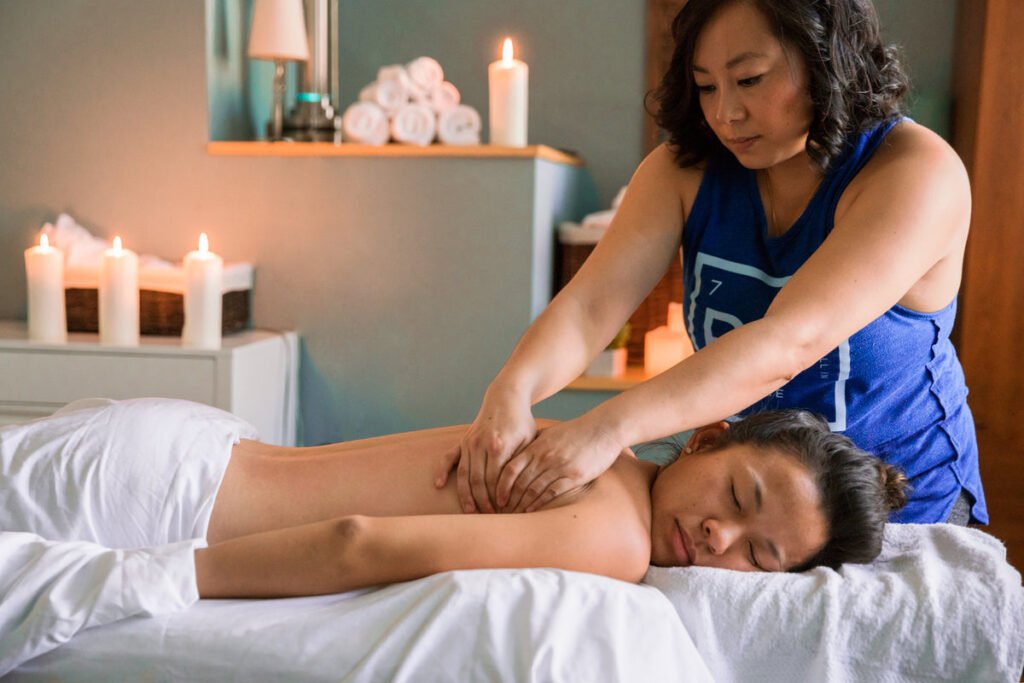
Photo: Shopify Burst
Relaxing Techniques by Body Area
Neck and Shoulders
With the person seated or lying face down, rest your palms on the tops of the shoulders. Knead slowly, then glide your thumbs outward from the base of the neck toward the shoulder tips. Work only the back and sides of the neck with light fingertip circles, never the front.
Lower Back
Place your palms on either side of the spine just above the hips. Glide slowly upward, fan out to the sides, and slide back down. Add gentle palm compression on the muscles beside the spine.
Face
Use your fingertips to stroke from the center of the forehead out to the temples. Make tiny circles at the temples and along the jaw. Keep pressure very light and avoid the eyes.
Arms
Glide from the wrist up toward the shoulder, then gently squeeze down the arm. Finish with a slow hand massage.
Adapting a Relaxing Massage for Different People
- Older adults: Use lighter pressure, keep the room extra warm, and support joints with pillows. Skin may be thinner, so avoid rubbing hard.
- Pregnant people: Use a side-lying position with pillows between the knees. Avoid deep pressure and check with their doctor first.
- People who feel anxious about touch: Start with the hands or shoulders over clothing and explain each step before you begin.
- People with sensitive skin: Use a fragrance-free lotion and test a small patch first.
- Very tense people: Spend extra time on slow gliding strokes before any kneading.
Calming Extras to Try
- Warmth: Warm a towel in the dryer and lay it over the back for a minute before you start.
- Scent: A few drops of lavender essential oil diluted in carrier oil can add to the calm, if there are no allergies.
- Sound: Soft instrumental music or nature sounds can mask household noise.
- Breathing cue: Ask the person to take three slow breaths before the first stroke.
Relaxation Massage Techniques With Devices
If you do not have a partner, devices can recreate some relaxing effects:
- Massage chairs: Many include gentle or sleep programs with slow rollers and air pressure. See our best massage chair under $1,000 roundup.
- Gym massage chairs: Learn how to get the most from them in our guide on how to use massage chairs at Planet Fitness.
- Handheld vibration massagers: Use the lowest setting and glide slowly. Compare models in our best handheld back massager review.
- Foot massagers: Slow rolling and warmth can feel very calming after a long day. See our review of the best foot massagers.
For step-by-step device tips, see our guide on how to use a personal massager.
Safety Tips
Relaxation massage is gentle and low risk, but keep these points in mind:
- Avoid pressing on the spine, the front of the neck, and bony areas.
- Skip bruises, rashes, open wounds, varicose veins, and swollen areas.
- Ask before massaging someone who is pregnant, and avoid deep pressure.
- Check with a doctor first if the person has a history of blood clots, takes blood thinners, or has a serious health condition.
- Test oils on a small patch of skin if allergies are a concern. Avoid nut-based oils for anyone with nut allergies.
Common Mistakes That Ruin Relaxation
- Pressing too hard: Pain makes muscles tense up.
- Moving too fast: Quick strokes feel energizing, not calming.
- Cold hands or oil: Warm them first.
- Talking too much: Let the person rest in silence after the first check-in.
- Tickling: Light touch on the feet or sides can tickle. Use a firmer, steady grip.
- Ending abruptly: Finish with slow strokes and a gentle hold.
Frequently Asked Questions
What makes a massage relaxing?
Slow, rhythmic strokes, comfortable pressure, warmth, and a quiet setting. Research suggests stroking at about 0.4 to 4 inches per second feels the most pleasant.
What is the most relaxing type of massage?
Swedish massage is the classic choice. Hot stone and aromatherapy massages are also designed mainly for relaxation.
How long should a relaxing massage last?
At home, 15 to 30 minutes is plenty. Professional sessions usually run 60 to 90 minutes.
Should a relaxing massage hurt?
No. It should feel comfortable throughout. Ask for lighter pressure if anything feels sore.
Can a relaxing massage help with sleep?
Many people feel calm and drowsy afterward, which may help them fall asleep. See a doctor if sleep problems continue.
What oil is best for a relaxing massage?
Light, unscented oils such as sunflower or grapeseed work well. Lavender-scented oils are popular, but check for allergies first.
Can I give myself a relaxing massage?
Yes. Try slow scalp circles, a hand massage with lotion, or a foot massage with a massage ball. A massage chair or handheld device on a gentle setting can help with the back.
Conclusion
The best relaxation massage techniques are simple: slow gliding strokes, gentle kneading, steady compression, rocking, and calm holds. Science backs the idea that slow touch feels best, and research shows massage can lower anxiety over time. Add a warm, quiet setting and clear communication, and you have the recipe for a truly relaxing massage.
Try the 20-minute routine above with a partner, or use a massage chair or handheld device on its gentlest setting when you are on your own.
Health note: This article is for general information only and is not medical advice. Talk to your doctor before massage if you have a health condition, injury, or are pregnant.


Hi, I’m Mamon, the content creator behind this blog. I share my experience in blogging, WordPress, SEO, and affiliate marketing through honest product reviews, in-depth buying guides, and practical how-to articles. Every piece of content is thoroughly researched and written to help readers make informed decisions.