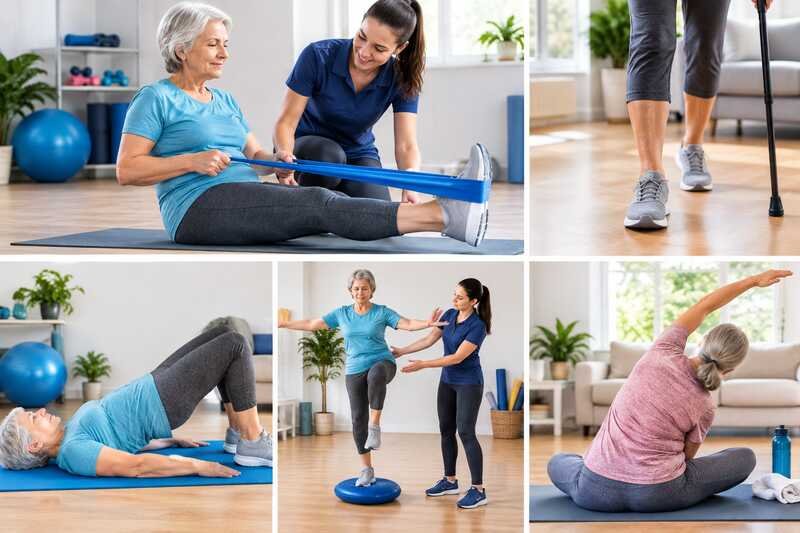
Slip and fall injuries can happen to anyone — on a wet floor, an uneven sidewalk, or an icy driveway. One moment you’re upright, and the next, you’re dealing with pain, swelling, and a recovery timeline that can stretch from weeks to months. While rest is critical in the early stages, a structured fitness program is what truly accelerates your return to full health.
Recovery isn’t just about waiting for the pain to go away. It’s about rebuilding strength, restoring mobility, and retraining your body to move safely and confidently again. The best fitness program to recover from a slip and fall injury isn’t a single workout. It’s a phased plan that changes as you heal, and knowing which phase you’re in changes what “safe exercise” actually looks like.
Get a Medical Clearance Before You Begin
Before starting any exercise regimen after a slip and fall, visiting your doctor or physical therapist is non-negotiable. A medical professional will assess the extent of your injuries — whether it’s a sprained ankle, fractured wrist, or strained lower back — and advise what movements are safe.
Skipping this step can worsen your injury significantly. What feels like a minor muscle strain could involve a hairline fracture or ligament damage that requires rest before any loading. Your clearance is your green light — don’t move without it.
Warning Signs That Need Medical Attention Right Away
Most slip and fall injuries are manageable with rest and a gradual return to activity. A few warning signs mean you should skip the wait-and-see approach and get checked out immediately instead. Watch for these: you can’t put any weight on the injured leg or ankle, a joint looks visibly deformed or out of place, numbness or tingling spreads beyond the injury site, swelling gets dramatically worse within the first few hours, or you hit your head and develop confusion, repeated vomiting, or a worsening headache. Any of these calls for urgent evaluation rather than a home fitness plan.
Phase One: Protect, Reduce Swelling, and Keep Moving Gently
The first stage of recovery is about protecting the injured area without shutting it down completely. For decades, the standard advice was the RICE method — Rest, Ice, Compression, and Elevation. Sports medicine guidance has since moved on. A widely cited 2019 editorial in the British Journal of Sports Medicine, by Dubois and Esculier, introduced the PEACE & LOVE framework instead. Most physical therapists now follow this newer model.
In the first few days, PEACE stands for Protection from further injury, Elevation, Avoiding anti-inflammatory habits that can blunt your body’s natural healing response, Compression, and Education about what to expect. Ice can still help take the edge off pain and swelling in the short term. Current research no longer treats it as something that speeds tissue repair, though. Think of it as optional comfort care, not a required step.
Once the acute swelling settles, the LOVE half of the framework takes over. Load the tissue gradually instead of resting it indefinitely. Stay Optimistic, support blood flow (Vascularisation) with light activity, and reintroduce Exercise. Gentle range-of-motion work, light stretching, and controlled breathing routines prevent stiffness from setting in. Think of this phase as maintaining circulation and gently reintroducing movement, not building fitness.
Phase Two: Rebuilding Strength and Stability
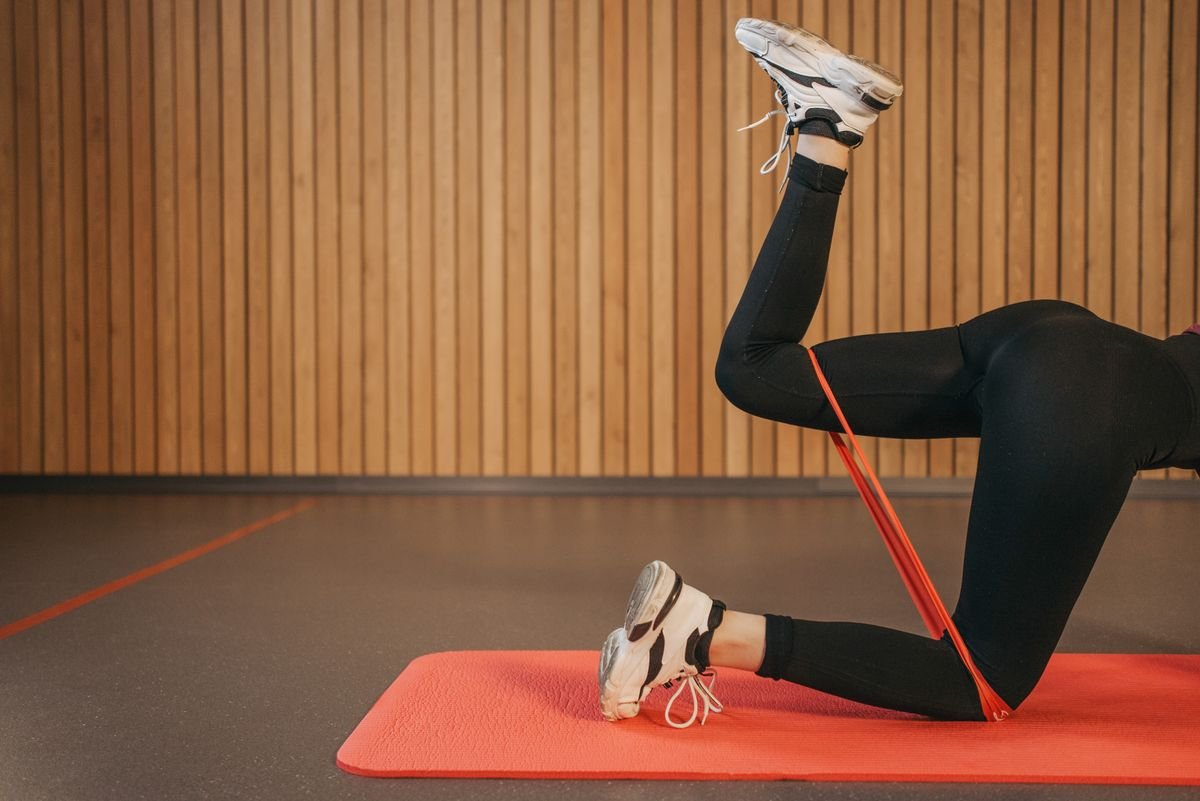
Once the acute phase passes, typically after two to four weeks depending on injury severity, it’s time to focus on rebuilding. Muscle weakness around the injured area is common after a fall, and this weakness increases your risk of falling again if not addressed.
Begin with bodyweight exercises that target the stabilizing muscles around your injury. For lower body injuries, exercises like seated leg raises, clamshells, and wall sits are excellent starting points. They activate the muscles without placing excessive load on healing tissue. If your fall left you with a sprain, pairing these exercises with proper support matters too. See our guide on how ankle braces support healing for guidance on when bracing helps, and when it can get in the way of regaining strength.
For upper body or wrist injuries, resistance band exercises offer a safe way to rebuild grip strength and shoulder stability. If you’re still wearing a brace during this phase, our guide on how long to wear a wrist brace for a sprain can help. It covers when it’s appropriate to start easing off support and reintroducing light resistance work. The key in this phase is consistency over intensity — showing up daily with moderate effort is far more valuable than one intense session per week.
Phase Three: Balance and Coordination Training

Many people overlook this phase, yet it is arguably the most important for long-term recovery. Falls — especially those involving joint or soft-tissue damage such as an ankle sprain — can disrupt proprioception, your body’s internal sense of position and balance. Without retraining this system, you remain more vulnerable to future falls. This link is well documented in fall-prevention research from the CDC’s STEADI initiative, as well as physical therapy literature on post-sprain rehabilitation.
Single-leg standing exercises, balance board work, and heel-to-toe walking are excellent tools for this phase. Start with supported versions, such as holding onto a wall or chair, and progressively reduce support as your confidence and stability improve.
Yoga and tai chi are also worth adding during this stage. A landmark Cochrane review of over 100 trials found that balance and functional exercise programs cut fall rates by roughly 24%. Combined multi-component exercise programs performed even better, and tai chi specifically showed a smaller but still meaningful reduction. Most of the trials behind these numbers used two to three or more sessions per week, so treat that as a reasonable target rather than a strict minimum.
Phase Four: Returning to Full Functional Fitness
The final phase is about returning to the activities you enjoyed before your injury — whether that’s running, hiking, sports, or simply keeping up with daily tasks without pain or fear. This phase should be gradual and guided by how your body responds to increasing demands.
Introduce cardiovascular exercise progressively. Swimming and cycling are low-impact options that build endurance without hammering the joints. As strength and confidence grow, you can reintroduce higher-impact activities like jogging or sport-specific drills with caution.
Functional movement patterns — squatting, hinging, pushing, and pulling — should form the backbone of your strength training at this stage. These movements mirror real-life activities and ensure that your fitness translates directly into safer, more capable daily living. For a broader look at how these patterns fit into overall conditioning, see our guide on the components of physical fitness. It breaks down how strength, balance, and endurance work together. Always prioritize form over load.
The Role of a Physical Therapist in Your Recovery
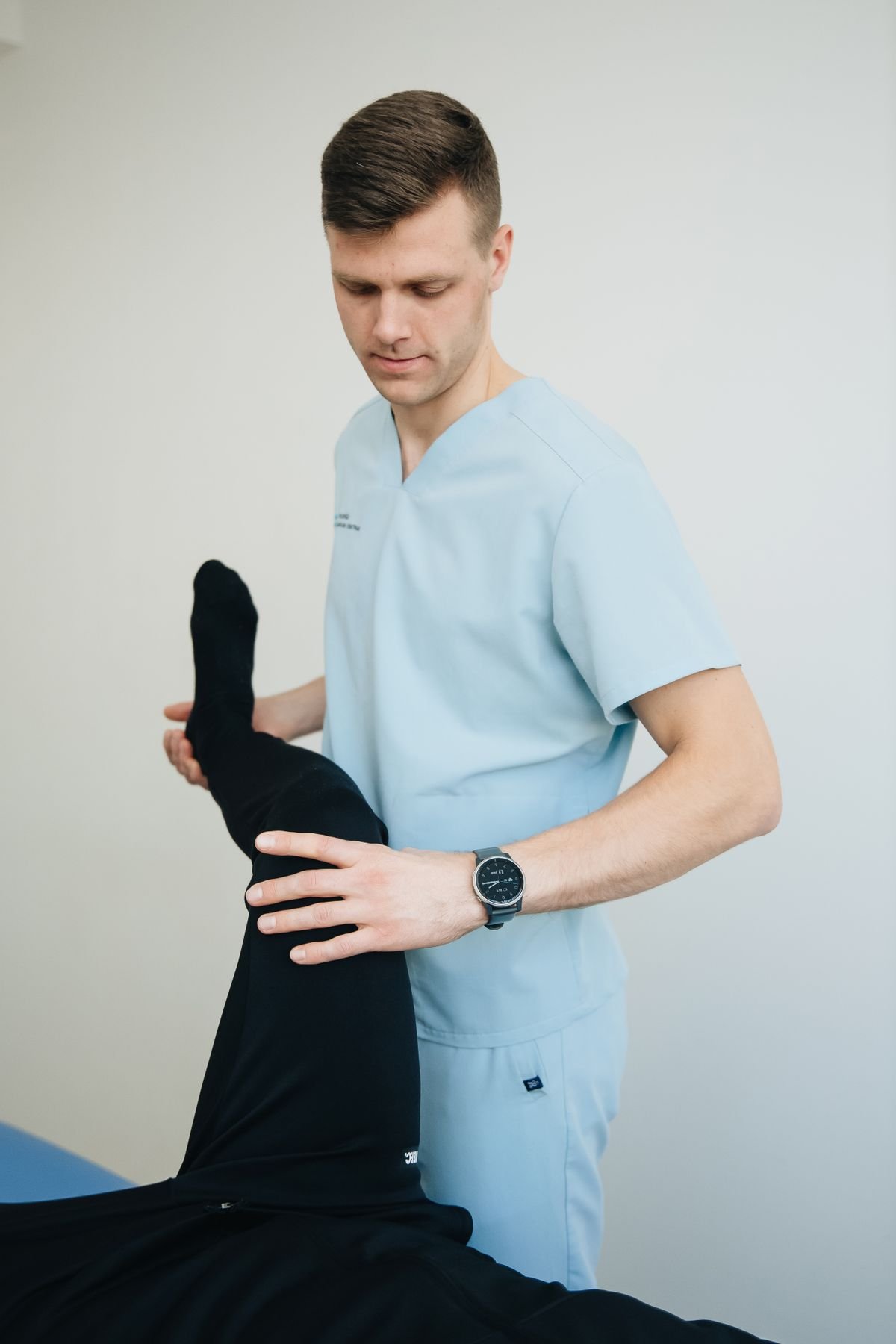
Working with a licensed physical therapist throughout your recovery is one of the wisest investments you can make. A physical therapist doesn’t just prescribe exercises — they monitor your movement quality, identify compensations, and adjust your program as your body heals. If you’re weighing your options, our guide on which physiotherapy approach is best for you can help you understand the different specialties available.
They also provide manual therapy techniques, such as soft tissue mobilization and joint manipulation. Current research on how manual therapy works points mainly to pain relief and short-term mobility gains through nervous-system effects, rather than directly speeding up tissue repair. That pain relief still matters, though. It often makes it easier to show up and do the rehab exercises that drive the actual healing.
Many people attempt to self-manage their recovery through YouTube videos and online programs, only to stall or reinjure themselves because of poor movement patterns. The personalized attention a physical therapist provides is simply irreplaceable during a complex recovery. If mobility is limited in the meantime, a properly fitted walking stick used correctly can help you stay active and safe between sessions.
How Long Does Recovery Actually Take?
Recovery timelines vary widely depending on what was actually injured, so it helps to have a rough frame of reference rather than a single number. A mild soft-tissue sprain or bruise often improves within two to four weeks. A more significant sprain, strain, or minor fracture typically takes six to twelve weeks before you’re back to normal activity. Fractures requiring a cast, surgical repair, or significant soft-tissue damage can take three to six months or longer, especially for older adults or anyone with underlying bone-density concerns.
These ranges assume you’re following a structured rehab plan. Skipping phases, returning to full activity too early, or ignoring pain signals commonly extends recovery rather than shortening it. If your progress stalls for more than a couple of weeks at any phase, take that as a signal. It’s a good reason to check back in with your physical therapist or doctor rather than pushing through on your own.

Nutrition and Sleep: The Unsung Heroes of Recovery
Your fitness program will only be as effective as the recovery environment you create around it. Nutrition and sleep are two pillars that are frequently underestimated after an injury. Protein intake is particularly important — your body needs amino acids as the building blocks to rebuild damaged tissue, ligaments, and muscle fibers.
Aim for a diet rich in lean proteins, anti-inflammatory foods like fatty fish, berries, and leafy greens, and adequate hydration. Early research on collagen paired with vitamin C is promising but still preliminary. Small human studies show it can boost markers of collagen production when taken shortly before light activity. The evidence for omega-3 fatty acids directly speeding ligament repair, by contrast, currently comes mostly from animal studies rather than large human trials. They’re reasonable additions to a balanced diet, just not a substitute for the structured exercise progression above. For more general guidance on filling nutritional gaps, see our overview of supplements worth considering for overall health.
Sleep is when a large share of the real healing happens. Growth hormone, which plays a key role in tissue repair, is released primarily during deep, slow-wave sleep. Prioritizing seven to nine hours of quality sleep each night, the range generally recommended for adults, is one of the most powerful recovery strategies available to you. Best of all, it’s completely free.
Take Necessary Legal Action to Cover Medical Costs
Recovery from a slip and fall injury can be expensive. Between doctor’s visits, physical therapy sessions, imaging scans, and medications, the financial burden can become overwhelming. That’s especially true if the accident was caused by someone else’s negligence.
“If you slipped and fell due to a property owner’s failure to maintain safe conditions, an unmarked wet floor in a store, a broken step on a staircase, or a poorly lit public walkway, you may be legally entitled to compensation,” says the legal team at Chopin Law, a firm that handles slip and fall and personal injury cases.
Premises liability law exists specifically to hold negligent parties accountable for the harm their carelessness causes. An attorney can help you understand whether your specific circumstances qualify and what documentation, such as photos of the hazard and medical records, will support your case.
Frequently Asked Questions
How soon after a slip and fall should I start exercising again?
Once you have medical clearance, gentle range-of-motion movement can often begin within the first few days, well before any strength work starts. The right starting point depends entirely on what was injured. Let your provider’s clearance guide the timeline rather than a fixed number of days.
Is it normal to still feel pain weeks after a fall?
Mild discomfort during activity, especially as you progress through strength and balance phases, is common. Sharp pain, pain that worsens rather than improves over a few weeks, or new swelling are signals to check back in with your doctor or physical therapist rather than push through.
Can I do balance training if I’m still afraid of falling again?
Yes, and in most cases you should. Fear of falling is common after an injury, and avoiding balance work tends to make the underlying instability worse. Start with fully supported versions, such as holding a counter or chair. Let your confidence build gradually alongside your physical ability.
Do I need a physical therapist, or can I recover on my own?
For minor bruises and sprains, a self-guided approach with clear medical clearance can work. For fractures, significant ligament damage, or stalled progress, working with a physical therapist makes a real difference. It substantially lowers your risk of reinjury and helps catch compensation patterns you wouldn’t notice on your own.
Final Thoughts
The best fitness program to recover from a slip and fall injury requires patience, consistency, and a smart progression through each phase of healing. From gentle, guided movement in the earliest days to full functional fitness down the line, every step matters. Pair the right exercise progression with good sleep and solid nutrition. Add professional guidance when you need it. Together, these give your body the best possible environment to heal completely.

Hi, I’m Mamon, the content creator behind this blog. I share my experience in blogging, WordPress, SEO, and affiliate marketing through honest product reviews, in-depth buying guides, and practical how-to articles. Every piece of content is thoroughly researched and written to help readers make informed decisions.
Leave a Reply