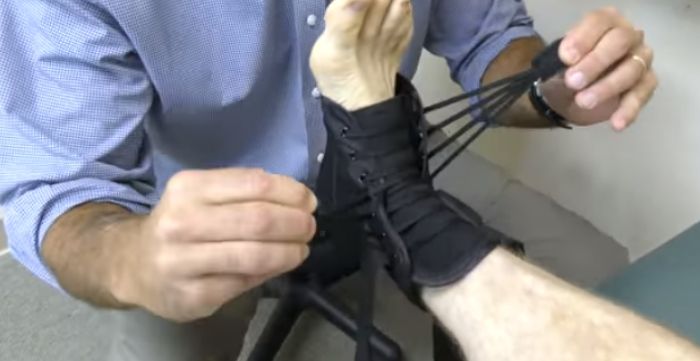
How do ankle braces work, and can they really prevent an injury before it happens? An ankle brace supports the joint by limiting harmful side-to-side motion, compressing the area to reduce swelling, and improving your brain’s awareness of joint position. U.S. physical therapists recommend braces for both recovery and prevention, especially for people with a history of sprains. This guide breaks down the mechanics behind ankle bracing and how to choose the right type for your situation.
Key Takeaways
- Ankle braces limit the inward rolling motion that causes most sprains.
- Compression from the brace helps reduce swelling and supports healing tissue.
- Braces improve proprioception, which is your body’s sense of joint position.
- Different brace styles offer different levels of rigidity and support.
- Braces work best alongside strengthening exercises, not as a replacement for them.
How Do Ankle Braces Work?
Ankle braces work through three main mechanisms. First, they physically limit how far your ankle can roll inward or outward, which is the motion responsible for most sprains. Second, they compress the soft tissue around the joint, which helps control swelling and supports the healing process. Third, they improve proprioception, the sense that tells your brain where your joint is positioned in space without you having to look at it.
Proprioception often weakens after an ankle injury, which raises your risk of a repeat sprain. A brace presses against the skin around your ankle, which sends extra sensory signals to your brain during movement. This feedback helps you react faster to an unstable surface or an awkward step, even before a full sprain occurs.
The Anatomy Behind Ankle Bracing
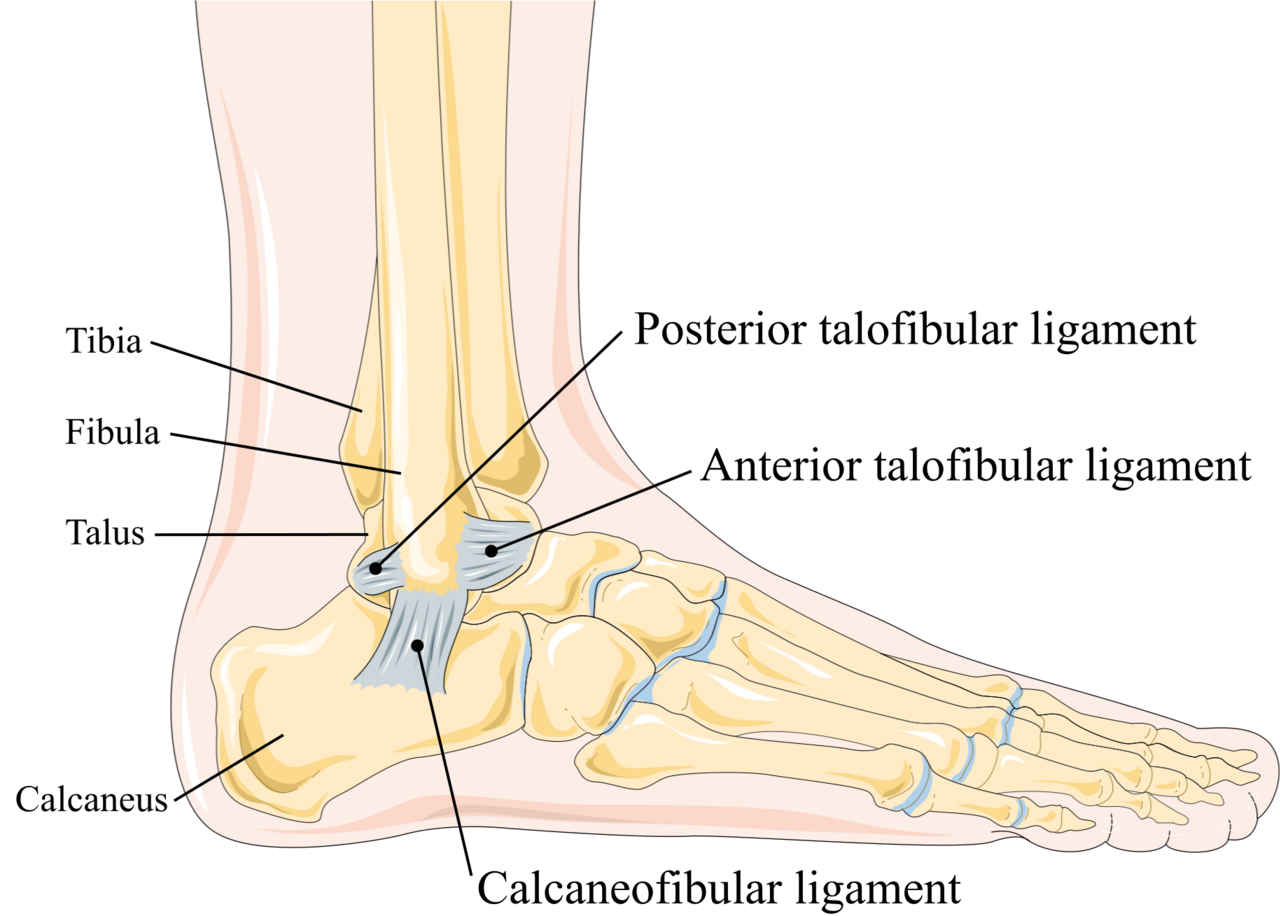
Most ankle sprains involve the ligaments on the outer side of the ankle. These lateral ligaments stretch or tear when the foot rolls inward too far, which is an extremely common way to sprain the joint. An ankle brace targets this exact motion by adding resistance right where the ligaments are most vulnerable.
Understanding this anatomy explains why braces focus so heavily on limiting inversion, the technical term for the foot rolling inward. A brace will not stop every possible ankle movement, since that would make walking difficult. Instead, it selectively resists the specific motion that causes the most damage.
Types of Ankle Braces and How Each One Works
Lace-Up Braces
A lace-up brace wraps around the ankle and laces up like a shoe. Straps often criss-cross over the top for extra reinforcement. This style offers a good balance of support and flexibility for daily activity and light exercise.
Rigid or Hinged Braces
A rigid brace uses stiff plastic supports on either side of the ankle. This style limits side-to-side motion the most out of any brace type. It works well for serious sprains, chronic instability, or the first stage of recovery after a significant injury.
Compression Sleeves
A compression sleeve offers the least rigid support of the three styles. It focuses mainly on swelling control and mild proprioceptive feedback. This style suits mild strains or general support during exercise rather than serious injury recovery.
Choosing between these styles depends on your specific injury and activity level. Our ankle brace comparison guide breaks down specific options that match each support level.
Ankle Braces vs. Athletic Taping: Which Works Better?
Athletic tape and ankle braces work through similar mechanisms, but they behave differently over time. Tape provides strong initial support and tight compression, but it loosens significantly within twenty to thirty minutes of activity as sweat and movement break down the adhesive. A brace maintains consistent support throughout an entire game or workout without needing reapplication.
Tape requires a trained person to apply it correctly, while most braces are simple enough to put on independently. Cost also favors braces over time, since tape gets used once and discarded while a quality brace lasts through many seasons of activity. Many athletic trainers now recommend braces over tape for these practical reasons, even though both options work through comparable mechanisms.
How to Choose the Right Ankle Brace
Picking the right brace starts with an honest look at your specific injury and activity level. Someone with a first-time mild sprain has very different needs than someone managing years of chronic instability. Understanding how do ankle braces work for each level of severity makes this decision much easier. Consider these factors before buying a brace.
Injury Severity
Mild sprains often respond well to a compression sleeve or a light lace-up brace. Severe sprains or repeated injuries usually call for a rigid or hinged design that limits motion more aggressively during the early healing period.
Activity Type
High-impact sports like basketball and soccer involve fast direction changes that put extra stress on the joint. These activities often call for more rigid support than walking or light gym work would require.
Comfort and Fit
A brace that feels too bulky or restrictive often ends up sitting unused in a drawer. Try on multiple styles if possible, and prioritize a brace you will actually wear consistently over one that offers marginally more support on paper.
Do Ankle Braces Prevent Injuries or Just Support Recovery?
Research supports ankle braces for both purposes, though the evidence is strongest for prevention in people with a prior sprain. Watch this quick explanation from the Mayo Clinic on when bracing makes the most sense.
People with a history of ankle sprains benefit the most from preventive bracing during high-risk activities like basketball, soccer, and trail running. First-time injuries with no history of instability may not need a brace for every future activity, though your doctor can help you decide based on your specific case.
Wearing a Brace During Daily Activity
Many people wonder how they can wear a brace with regular shoes throughout a normal day. The short answer is that most low-profile braces fit inside supportive athletic shoes without much trouble. Our guide on how to wear an ankle brace with shoes covers brace styles, shoe choices, and fitting tips in more detail.
When Ankle Braces Help Most

Ankle braces provide the most benefit in a few specific situations. Chronic ankle instability, where the joint gives way repeatedly during normal activity, responds especially well to consistent bracing. Athletes returning to high-impact sports after a sprain also benefit from the added support and sensory feedback during the transition back to full activity.
People recovering from a broader injury may need support beyond the ankle alone. Our fitness program for recovering from a slip and fall injury can help you rebuild strength safely once your ankle brace is providing steady support.
Limitations of Ankle Braces
Braces are not a complete substitute for strengthening exercises. Research on joint position sense shows that bracing improves proprioceptive feedback in the short term, but long-term ankle stability still depends on muscle strength and balance training. A peer-reviewed study on ankle bracing and taping found that both interventions improve joint position sense, though neither replaces a full rehabilitation program.
Wearing a brace constantly without addressing the underlying weakness can also lead to over-reliance on the device. Most physical therapists recommend pairing brace use with balance and strengthening exercises rather than depending on the brace alone for the long term. Simple single-leg balance drills, calf raises, and resistance band work all target the muscles that support the ankle joint directly, complementing whatever protection the brace itself provides.
Common Myths About Ankle Braces
A few persistent myths keep people from using ankle braces effectively. Addressing them helps clarify exactly how do ankle braces work in real-world situations.
Myth: Braces Make Your Ankle Weaker
Occasional brace use for sports or recovery does not meaningfully weaken the ankle. Weakness comes from skipping strengthening exercises, not from wearing a brace during high-risk activities.
Myth: Any Brace Works as Well as Another
Brace styles differ significantly in how much motion they restrict and how much proprioceptive feedback they provide. Matching the brace type to your specific injury matters more than simply wearing any brace at all.
Myth: Braces Are Only for Athletes
Anyone with ankle instability, whether from sports, an old injury, or a medical condition, can benefit from bracing. You do not need to be an athlete to gain real support from a well-fitted brace.
How Long Should You Wear an Ankle Brace?
Wear time depends on your specific injury and goals. A mild sprain may only need a brace for one to two weeks during the acute healing phase. Chronic instability or high-risk sports may call for a brace every time you play, indefinitely. According to the Cleveland Clinic, recovery timelines vary based on the grade of the sprain and how well you follow your treatment plan.
Other joints follow similar timelines. If you are managing multiple injuries, our guide on how long to wear a wrist brace for a sprain covers comparable healing principles for a different joint.
Frequently Asked Questions
How do ankle braces work to prevent sprains specifically?
They limit the inward rolling motion of the foot, which is the primary cause of most ankle sprains, while also improving your body’s awareness of joint position.
Can an ankle brace weaken my ankle over time?
Occasional use is unlikely to cause weakness, but constant reliance without strengthening exercises may slow long-term improvement in stability.
Do ankle braces work for chronic instability?
Yes. Consistent bracing helps many people with chronic instability stay active with fewer episodes of the ankle giving way.
Is a rigid brace better than a compression sleeve?
Rigid braces offer more support for serious injuries, while compression sleeves suit mild strains or general preventive use. The right choice depends on your specific situation.
Should athletes wear ankle braces even without a prior injury?
Some athletes in high-risk sports wear braces preventively, though the strongest evidence supports bracing for people with a history of sprains.
Can I still play sports while wearing an ankle brace?
Yes, most athletes can play sports with a properly fitted brace, though very rigid styles may feel restrictive during fast direction changes.
Do ankle braces work as well as taping?
Braces generally maintain support longer than tape, since tape loosens with sweat and movement. Both options work through similar mechanisms of limiting motion and adding compression.
How do ankle braces work for people without a prior injury?
For people without a prior sprain, braces mainly add a preventive layer of compression and proprioceptive feedback during high-risk activities, though the evidence for benefit is strongest in people with a history of instability.
Bottom Line
Understanding how do ankle braces work helps you choose the right style for your specific situation. Braces limit harmful motion, control swelling, and improve your body’s sense of joint position, all of which support recovery and reduce re-injury risk. Pair brace use with strengthening exercises rather than relying on it alone, and follow your doctor’s guidance on how long and how often to wear one.

Hi, I’m Mamon, the content creator behind this blog. I share my experience in blogging, WordPress, SEO, and affiliate marketing through honest product reviews, in-depth buying guides, and practical how-to articles. Every piece of content is thoroughly researched and written to help readers make informed decisions.
Leave a Reply