Do back braces help sciatica? They can, for some people, as a short-term comfort aid. A brace may ease pain during activity by limiting the bending and twisting that irritate the nerve, and it can make it easier to stay on your feet while sciatica settles. But a brace does not treat the cause of sciatica, and the research on braces for nerve pain specifically is thin.
This guide explains what sciatica is, how a back brace may help, which types make sense, when a brace can make things worse, and what else works. If you are new to braces, our explainer on what a back brace does covers the basics.
What Is Sciatica?
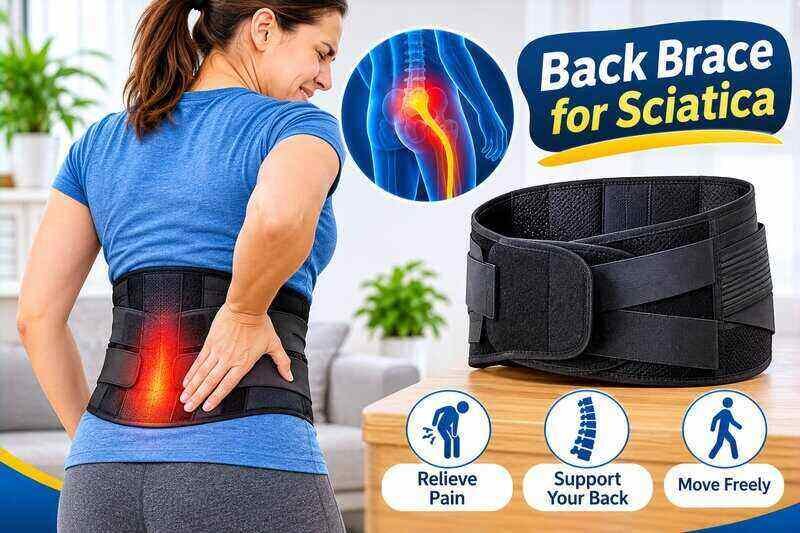
Sciatica is pain that travels along the path of the sciatic nerve, which runs from your lower back through your buttock and down the back of each leg. It usually affects one side. People describe it as sharp, burning, or like an electric shock, and it can come with tingling, numbness, or weakness in the leg.
Sciatica is a symptom, not a diagnosis. It happens when a nerve root in the lower spine is pinched or irritated. Common causes include:
- A herniated or bulging disc pressing on a nerve root, the most frequent cause
- Spinal stenosis, a narrowing of the spinal canal that is more common in older adults
- Spondylolisthesis, when one vertebra slips forward over another
- Piriformis syndrome, when a tight muscle in the buttock presses on the nerve
The good news is that most cases get better without surgery. According to Harvard Health Publishing, most people with sciatica feel better within six weeks, and pain lasting longer than six to 12 weeks should prompt a follow-up visit with your doctor.
Sciatica vs. Ordinary Back Pain: How to Tell the Difference
It helps to know whether you have true sciatica or ordinary lower back pain, because braces are better studied for the second. Here are the main differences:
| Feature | Ordinary lower back pain | Sciatica |
|---|---|---|
| Where it hurts | Across the lower back | Buttock and down one leg, often below the knee |
| How it feels | Dull ache or stiffness | Sharp, burning, or electric |
| Other symptoms | Muscle tightness | Tingling, numbness, or leg weakness |
| What makes it worse | Bending, lifting, long standing | Sitting, coughing, sneezing, bending |
If your pain stays in your back, a lumbar belt has stronger evidence behind it. If your pain shoots below the knee, think of a brace as a comfort aid while you work on other treatments.
Do Back Braces Help Sciatica? The Evidence
Here is the honest picture: there is good recent evidence that a soft lumbar belt can help ordinary lower back pain, but much less evidence for sciatica in particular.
That is partly because many brace trials deliberately leave out people with sciatica. For example, a randomized crossover trial published in Orthopedic Reviews compared a sacroiliac belt with a lumbar brace for back pain. It excluded people with pain radiating below the knee or with nerve signs, including sciatica. Its criteria were adapted from earlier lumbar belt trials that did the same.
That means the strong results you may read about braces mostly apply to back pain that stays in the back. For sciatica, the benefit is based more on how braces work and on clinical experience than on direct trial results.
That does not mean a brace cannot help. Many people with sciatica report that a brace makes standing, walking, or driving more bearable. It just means you should treat it as one part of your plan, not the main treatment.
How a Back Brace May Ease Sciatica Pain
A brace cannot move a disc back into place or free a pinched nerve. It may help in these indirect ways:
- Limiting painful movements. Bending forward and twisting often make disc-related sciatica worse. A brace makes those movements harder, so you are less likely to set off a flare.
- Reducing load on the lower spine. Compression around the abdomen may take some pressure off the lower back.
- Steadying sore muscles. Back muscles often tighten or spasm around an irritated nerve. Gentle compression and warmth can feel soothing.
- Helping you stay active. Feeling supported can make it easier to walk, which is one of the best things you can do for sciatica.
- Reminding you to move carefully. The feel of the brace prompts you to lift with your legs and avoid slouching.
Which Type of Back Brace Is Best for Sciatica?
The right brace depends on what is causing your sciatica and when your pain is worst.
| Brace type | How it works | May suit |
|---|---|---|
| Soft elastic lumbar belt | Gentle compression and warmth | Mild sciatica, daily activities |
| Elastic belt with stays and pad | Firmer support, pad presses lower back curve | Disc-related sciatica during work or chores |
| Pulley lumbar brace | Strong, adjustable compression | Moderate pain, people with weak grip |
| Sacroiliac (SI) belt | Wraps the hips, not the waist | Sciatica-like pain from the SI joint |
| Rigid LSO brace | Hard panels limit movement | Doctor-directed use only |
For most people, a flexible lumbar belt with stays and a lumbar pad is a sensible place to start. Our guide to the best lumbar support belt compares 10 models, from elastic wraps to pulley braces.
If your pain seems to start low in the buttock rather than the lower back, ask your doctor whether your symptoms could come from the sacroiliac joint. In that case, a hip-level SI belt may help more than a lumbar brace. Our hip support brace guide covers options that wrap the pelvis.
Brace Tips by Cause of Sciatica
Because sciatica has different causes, the way you use a brace may change too. Always confirm the cause with a doctor first.
Herniated or Bulging Disc
Disc-related sciatica often gets worse when you bend forward or sit for long periods. A lumbar belt with firm stays can help discourage forward bending while you walk or do light chores. Take it off or loosen it when sitting, and get up to move every 30 minutes or so.
Spinal Stenosis
People with stenosis often feel better when they lean slightly forward, such as when pushing a shopping cart, and worse when standing straight or leaning back. A very stiff brace that forces an upright posture may not feel good. A softer, flexible belt that you can wear while walking is usually more comfortable. This is more common in older adults, and our guide to the best back braces for seniors covers lighter, easy-on options.
Piriformis Syndrome
When a tight buttock muscle irritates the nerve, a lumbar brace often does little because the problem is lower down. Stretching the hip and buttock, massage, and avoiding sitting on a wallet usually help more.
Driving and Long Car Rides
Sitting in a car can be tough with sciatica. A brace with a lumbar pad can help keep your lower back from slumping. Also move the seat close enough that your knees stay slightly bent, and stop every hour to stand and walk for a few minutes.
When a Back Brace Can Make Sciatica Worse
A brace is not always helpful. Watch for these problems:
- Too tight. Over-tightening can press on nerves in the groin and thigh, adding numbness or tingling.
- Worn while sitting for hours. Many braces dig into the hips when you sit, which can push you into a slumped posture.
- Used instead of moving. If the brace makes you rest more and walk less, it may slow recovery.
- Worn all day for weeks. Long-term constant use may let your core muscles do less work.
- Hiding warning signs. A brace may dull pain enough that you ignore symptoms that need a doctor.
If your leg symptoms get worse when you wear a brace, loosen it or stop wearing it and talk to your doctor.
How to Wear a Back Brace for Sciatica
If you decide to try one, these tips help:
- Position it low. The back panel should sit over the lower curve of your spine, with the bottom edge near the top of your buttocks.
- Tighten it snug, not hard. You should be able to breathe deeply and slide a flat hand under the edge.
- Wear it for activities. Use it for walking, standing tasks, and car rides, not for lying down.
- Loosen it when you sit. Ease off the straps when you sit down, then tighten again when you stand.
- Take regular breaks. Start with an hour or two at a time and check your skin.
Our step-by-step guide on how to properly wear a back brace shows exactly where it should sit.
In the video below, a chiropractor explains when wearing a back brace for low back pain, a pinched nerve, or sciatica makes sense.
What Else Helps Sciatica?
A brace works best alongside other proven self-care steps. Most sciatica improves with simple measures.
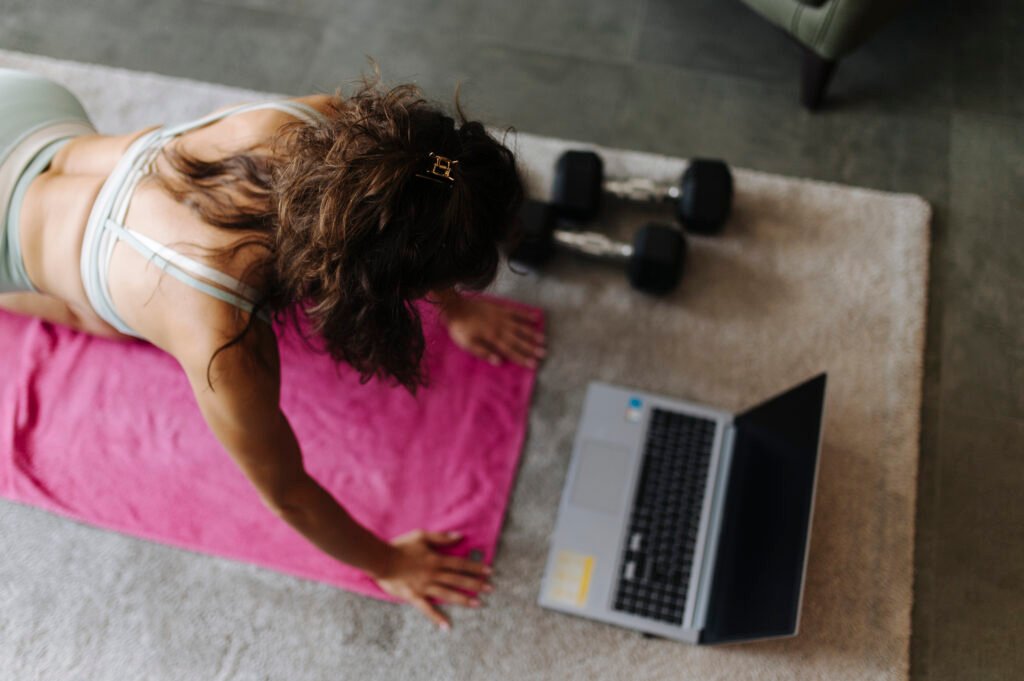
Photo: Shixart1985, CC BY 2.0, via Wikimedia Commons
Keep Moving
Long bed rest is no longer recommended. Short walks several times a day help keep the spine mobile and blood flowing to irritated tissues. Harvard Health advises avoiding prolonged bed rest.
Use Heat or Ice
Ice can calm a fresh flare in the first few days, while heat may relax tight muscles later on. Use either for about 15 to 20 minutes at a time with a cloth between the pack and your skin.
Try Gentle Stretches
Stretches for the lower back, hips, and hamstrings may ease pressure on the nerve. Stop any stretch that sends pain further down your leg.
Consider Massage and Pain Relief Devices
Massage can relax tight muscles around the lower back and buttock. Our guide to lower back massage techniques covers simple methods. A TENS machine for pain relief is another drug-free option some people find helpful.
Check Your Shoes and Seat
Harvard Health notes that high heels over 1.5 inches shift your weight forward and throw the body out of alignment. Supportive, low shoes can help. See our picks for the best shoes for lower back pain.
Ask About Physical Therapy
A physical therapist can identify which movements ease your sciatica and give you exercises to strengthen your back and core. This is often the most effective step for preventing future flares.
Photo: National Museum of Health and Medicine, CC BY 2.0, via Wikimedia Commons
When to See a Doctor About Sciatica
Most sciatica can be managed at home, but some symptoms need prompt medical attention. Seek care right away if you have:
- Loss of bladder or bowel control, or numbness in the groin or inner thighs
- Weakness in your leg or foot, such as foot drop or trouble standing on your toes
- Sciatica in both legs
- Sciatica after a fall or accident
- Fever along with back pain
The first two can be signs of cauda equina syndrome, a rare emergency. Also see a doctor if your pain has not improved after about six weeks, or if it keeps getting worse.
Frequently Asked Questions
Do back braces help sciatica?
They can help some people feel more comfortable during activity by limiting painful bending and twisting. However, most brace research excludes people with sciatica, so the evidence is limited. Use a brace as a short-term aid alongside walking, stretching, and medical advice.
Should I sleep with a back brace for sciatica?
Usually not. Lying down already takes pressure off your spine. Only sleep in a brace if your doctor tells you to.
What kind of back brace is best for sciatica?
For most people, a flexible lumbar belt with stays and a lumbar pad is a good starting point. If your pain starts in the buttock, a sacroiliac belt may help more. Rigid braces should be used only on a doctor’s advice.
Can a back brace make sciatica worse?
Yes, if it is too tight, worn for too long, or worn while sitting for hours. Loosen or remove it if your leg symptoms increase.
How long does sciatica take to heal?
Most people with sciatica feel better within six weeks. If pain lasts longer than six to 12 weeks, see your doctor.
Is walking good for sciatica?
Yes. Gentle walking is one of the best things you can do. It keeps your back mobile and can ease pressure on the nerve.
Is it better to sit or stand with sciatica?
It depends on the cause, but many people with disc-related sciatica feel worse after long periods of sitting. Changing position often helps most. Try standing or walking for a few minutes every half hour, and use a lumbar pad or rolled towel behind your lower back when you do sit.
The Bottom Line
So, do back braces help sciatica? A brace can make some people more comfortable while they stay active, mainly by limiting movements that irritate the nerve. But it does not treat the cause, and the research on braces for sciatica specifically is limited. Most sciatica improves within about six weeks with walking, gentle stretches, heat or ice, and time.
If you try a brace, choose a flexible lumbar belt, wear it for activities rather than all day, and keep it snug but not tight. For a full comparison of options, see our guide to the best back braces, and talk to your doctor if your symptoms are severe or not improving.
This article is for general information and is not medical advice. See a doctor for a diagnosis and treatment plan for sciatica.

Hi, I’m Mamon, the content creator behind this blog. I share my experience in blogging, WordPress, SEO, and affiliate marketing through honest product reviews, in-depth buying guides, and practical how-to articles. Every piece of content is thoroughly researched and written to help readers make informed decisions.
Leave a Reply