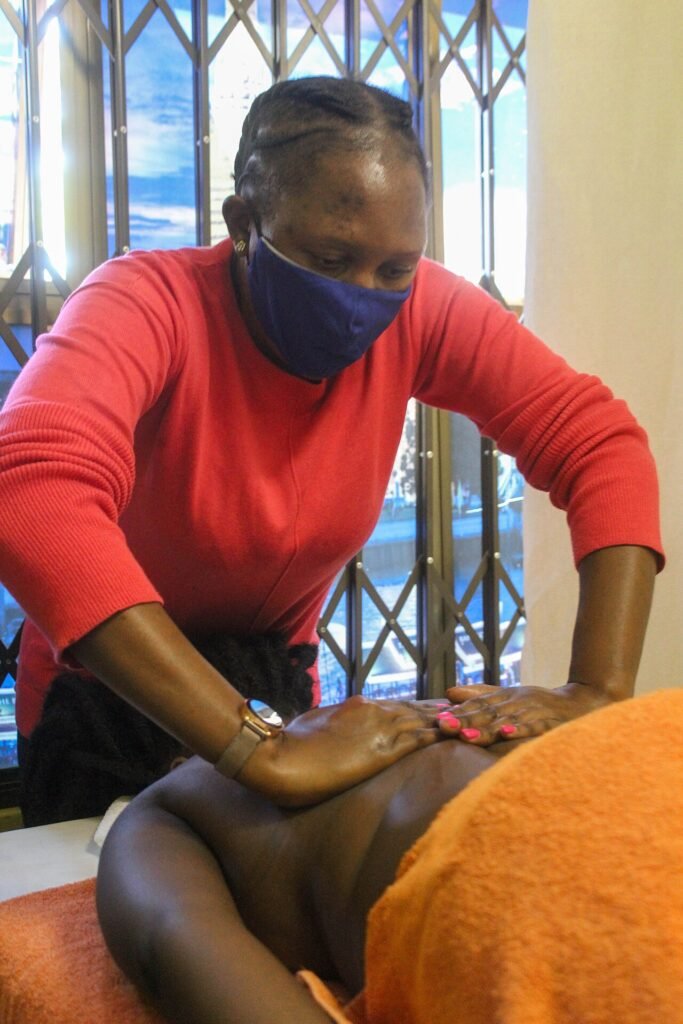
Photo: Kolobetsoo / Wikimedia Commons (CC BY-SA 4.0)
A sore lower back can make sitting, sleeping, and even tying your shoes feel like a chore. The right lower back massage techniques can loosen tight muscles, ease stiffness, and help you move with less pain. You can use them on a partner, on yourself with simple tools, or with a massage device.
Back pain is one of the most common health complaints in the U.S. According to the CDC’s National Center for Health Statistics, 39.0% of U.S. adults had back pain in the past three months in 2019. That makes it more common than pain in the legs (36.5%) or arms (30.7%). This guide walks through nine back massage techniques, step by step, plus the safety rules that keep them helpful.
Key Takeaways
- Massage can ease short-term lower back pain, and U.S. doctors list it as a first-line, drug-free option for new back pain.
- Core lower back massage techniques include gliding, kneading, thumb pressure, forearm strokes, and work on the hips and glutes.
- Always work the muscles beside the spine, never press on the spine itself.
- Tennis balls, foam rollers, and massage guns let you massage your own lower back.
- See a doctor for back pain with numbness, leg weakness, fever, or bladder changes.
Does Massage Help Lower Back Pain? What the Research Says
Research gives massage a real but modest role. A 2015 Cochrane review pooled 25 randomized trials with 3,096 people. For subacute and chronic low back pain, massage beat sham or no treatment for pain and function in the short term, but not in the long term. Compared with other active treatments, massage was slightly better for pain. None of the trials reported serious side effects.
The authors rated the evidence as low to very low quality, mainly because massage is hard to blind in studies. Even so, the American College of Physicians’ 2017 guideline lists massage, along with heat, acupuncture, and spinal manipulation, as a first choice for acute and subacute low back pain. The guideline notes that most people with new back pain improve over time no matter which treatment they use.
The takeaway: massage is a reasonable way to feel better while your back heals. It works best alongside movement and exercise, not as a stand-alone cure.
Know the Muscles of the Lower Back
Good back massage techniques target the right tissue. These are the main muscles behind most lower back tension:
| Muscle | Where it is | Why it gets tight |
|---|---|---|
| Erector spinae | Two long columns on each side of the spine | Long sitting, lifting, and poor posture |
| Quadratus lumborum (QL) | Deep, between the lowest rib and the top of the pelvis | Leaning, standing on one leg, and uneven loads |
| Gluteus medius and maximus | The buttocks and side of the hips | Weak or tight glutes can pull on the low back |
| Piriformis | Deep in the buttock, under the glutes | Sitting for long hours and running |
| Latissimus dorsi | Wide muscle from the low back to the upper arm | Overhead work and pulling motions |
Many people feel pain in the lower back, but the source is partly in the hips. That is why several of the techniques below work on the glutes.
Before You Start: Set Up for a Safe Massage
- Position: Have the person lie face down on a firm bed or mat. Place a pillow under the hips or ankles to take strain off the low back.
- Warmth: Keep the room warm. A warm towel or heating pad for 10 minutes beforehand helps muscles relax.
- Oil or lotion: A little oil lets your hands glide without pulling the skin.
- Check in: Ask about injuries, surgery, or pregnancy before you begin.
- Pressure scale: Agree on a 1 to 10 scale and keep pressure at a comfortable middle level.
9 Lower Back Massage Techniques, Step by Step
1. Effleurage (Long Gliding Strokes)
Effleurage is the warm-up stroke and the base of all lower back massage techniques. Place both hands flat on either side of the spine at the top of the pelvis. Glide up toward the shoulder blades, fan out to the sides, and slide back down. Repeat for 2 to 3 minutes with light, even pressure. This spreads oil, warms the tissue, and helps you find tight spots.
2. Palm Kneading (Petrissage)
Kneading works deeper into the erector spinae. Use the heels of both hands to press and roll the muscle on one side of the spine, as if kneading dough. Work slowly from the waist up to the middle back, then switch sides. Keep your fingers relaxed and let your body weight, not your wrists, create the pressure.
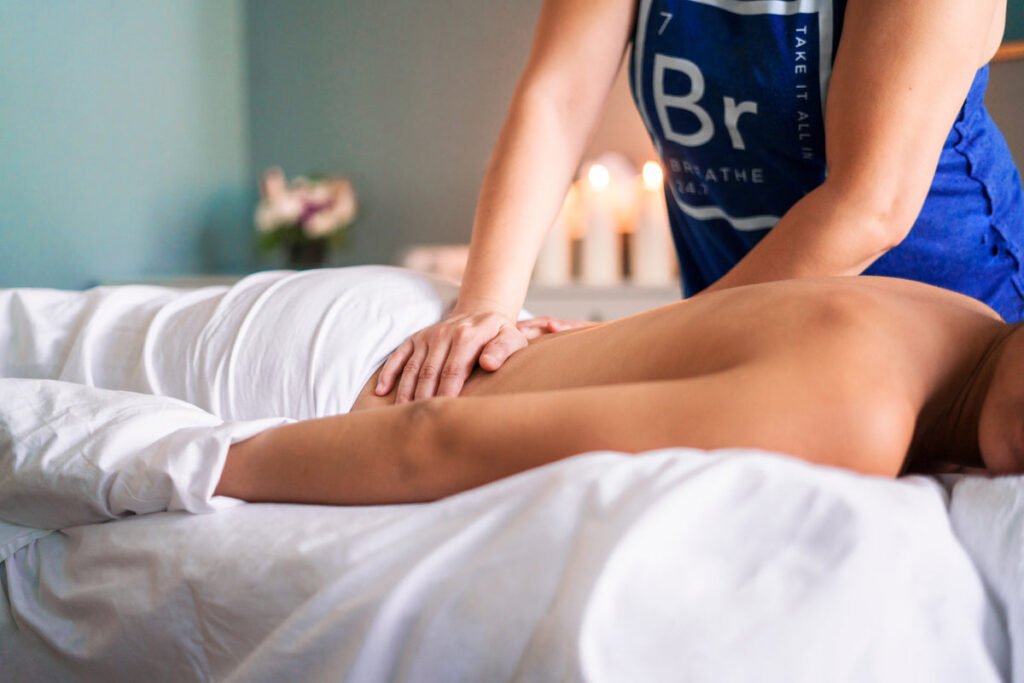
Photo: Shopify Burst
3. Thumb Circles Beside the Spine
Place your thumbs about one inch to each side of the spine, in the groove of muscle. Make small, slow circles while moving up a little at a time. Stay on the soft muscle and avoid the bony bumps of the spine. This technique is good for finding knots, but limit it to a minute or two so you do not tire your thumbs or bruise the tissue.
4. Forearm Glide
Your forearm can deliver deep, broad pressure with less strain on your hands. Stand beside the person and rest the flat, fleshy part of your forearm on the muscle beside the spine. Lean in slowly and glide from the waist toward the shoulder blade. Keep the pressure steady and lift off before you reach the shoulder. This works well on large or very tight backs.
5. Quadratus Lumborum (QL) Release
The QL often causes deep, one-sided lower back ache. With the person face down, find the soft space between the lowest rib and the top of the hip bone, just outside the long spinal muscles. Press in gently with your thumbs or fingertips, angling toward the spine. Hold for 20 to 30 seconds, then release. Go slowly here, because this area sits close to the kidneys.
6. Glute and Hip Compression
Tight glutes are a common hidden cause of lower back pain. Use a soft fist or the heel of your hand to press into the meaty part of the buttock. Hold for a few seconds, release, and move to a new spot. Work around the top and side of the hip bone, where the gluteus medius sits.
7. Sacrum Circles
The sacrum is the flat, triangular bone at the base of the spine. Place one palm flat over it and make slow circles with light pressure. The muscles and ligaments around this area often hold tension from sitting. Keep the pressure gentle, since you are working over bone.
8. Cross-Fiber Friction
For a stubborn tight band, use your fingertips to rub across the muscle fibers instead of along them. Move back and forth across the band in short strokes for 30 to 60 seconds. This can feel intense, so keep the pressure moderate and check in often.
9. Finishing Strokes
End the session the way you started, with slow, light gliding strokes from the low back to the shoulders. You can add a gentle rocking motion with both palms on the low back. Finishing gently helps the nervous system settle and reduces soreness the next day.
Back Massage Techniques at a Glance
| Technique | Pressure | Time | Best for |
|---|---|---|---|
| Effleurage | Light | 2 to 3 min | Warm-up and finish |
| Palm kneading | Moderate | 3 to 4 min | General muscle tightness |
| Thumb circles | Moderate | 1 to 2 min | Finding and easing knots |
| Forearm glide | Moderate to firm | 2 to 3 min | Large, tight muscles |
| QL release | Light to moderate | 1 to 2 min per side | Deep one-sided ache |
| Glute compression | Moderate | 2 to 3 min | Hip-related back pain |
| Sacrum circles | Light | 1 to 2 min | Stiffness from sitting |
| Cross-fiber friction | Moderate | 30 to 60 sec | Stubborn tight bands |
| Finishing strokes | Light | 1 to 2 min | Calming down |
A full session of 15 to 20 minutes is plenty for most people.
Watch: A Lower Back Massage Tutorial
This tutorial from Physio Energy shows simple, effective lower back massage techniques you can follow at home:
How to Massage Your Own Lower Back
You do not need a partner to get relief. These self-massage methods let you control the pressure yourself.
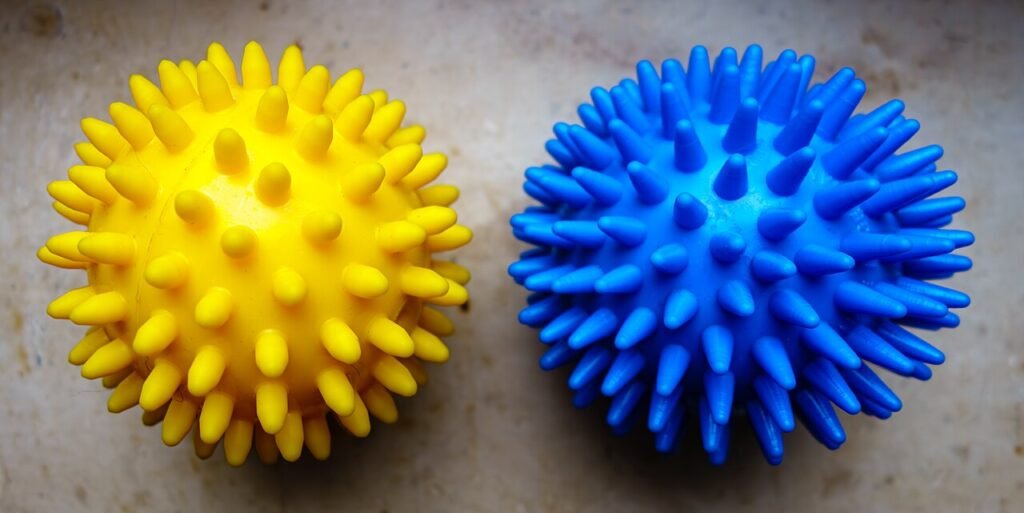
Photo: Friedrich Haag / Wikimedia Commons (CC BY-SA 4.0)
Tennis Ball or Massage Ball
Place two tennis balls in a sock, tie it off, and lie on your back with the balls on either side of your spine. Bend your knees and slowly shift your weight to roll up and down. For one tight spot, use a single ball beside the spine and rest on it for 30 to 60 seconds. Doing this against a wall is gentler than on the floor.
Foam Roller
Foam rollers work best for the mid back and glutes. For the low back, roll gently with your weight shifted to one side, or work the glutes instead. Rolling hard directly over the lumbar spine can strain it, so keep it light.
Massage Gun
A massage gun can reach the low back muscles if you hold it at an angle. Use the lowest speed and a soft, round head. Keep it on the muscles beside the spine for about 1 to 2 minutes per side. Our best massage gun guide covers models with long handles and gentle settings.
Handheld or Chair Massagers
Long-handled wand massagers and shiatsu seat cushions make self-massage easier. Compare options in our best handheld back massager review. For full-body relief, a massage chair is another option; see our picks for the best massage chair under $1,000.
Stretches to Pair With Lower Back Massage
Massage loosens muscle, and gentle stretching helps you keep that range of motion. Try these after a session:
- Knee-to-chest: Lie on your back and hug one knee toward your chest for 20 to 30 seconds. Switch sides.
- Child’s pose: Kneel, sit back on your heels, and reach your arms forward along the floor.
- Figure-four stretch: Lie on your back, cross one ankle over the other knee, and pull the lower leg toward you to stretch the glutes.
- Pelvic tilts: Lie on your back with knees bent and gently flatten, then arch, your lower back.
Move slowly and stop if a stretch causes sharp or shooting pain.
Professional Massage Types for Lower Back Pain
If home techniques are not enough, a licensed massage therapist can offer more targeted work. Common options include:
| Massage type | What to expect | Good fit for |
|---|---|---|
| Swedish massage | Gentle gliding and kneading strokes | First-timers and stress-related tension |
| Deep tissue massage | Slow, firm pressure on deeper layers | Long-term tightness and stiffness |
| Trigger point therapy | Held pressure on specific knots | Pain that spreads from one tight spot |
| Myofascial release | Slow stretching of the connective tissue | General stiffness and limited movement |
| Sports massage | Mix of techniques plus stretching | Active people and workout recovery |
Tell the therapist where your pain is, what makes it worse, and how much pressure you like. A good therapist will also look at your hips and mid back, not just the sore spot. Most U.S. states license massage therapists, so check credentials before you book.
Safety Tips and When to Avoid Massage
Lower back massage techniques are low risk for most people, but follow these rules:
- Never press directly on the spine or the bony bumps along it.
- Use only light pressure over the kidney area, just below the ribs.
- Avoid massage on a fresh injury for the first few days.
- Ask a doctor first if you are pregnant, have osteoporosis, take blood thinners, or had recent back surgery.
- Stop if pain spreads down the leg or causes numbness or tingling.
For more device-specific advice, read our guide on how to use a personal massager.
Red Flags: See a Doctor
Get medical care promptly if back pain comes with any of the following:
- Numbness in the groin or inner thighs
- New trouble controlling your bladder or bowels
- Weakness in one or both legs
- Fever, unexplained weight loss, or a history of cancer
- Pain after a fall or accident
- Pain that keeps getting worse or does not improve after a few weeks
Common Mistakes With Back Massage Techniques
- Starting too deep: Skipping the warm-up makes muscles guard and tighten.
- Pressing on bone: The spine and hip bones should never take heavy pressure.
- Using only the thumbs: This tires your hands fast. Use palms, fists, and forearms.
- Ignoring the hips: Tight glutes often drive lower back pain.
- Going too long: More than 20 minutes on the low back can leave it sore.
Frequently Asked Questions
What is the best massage technique for lower back pain?
There is no single best technique. A mix of gliding, kneading, and gentle pressure beside the spine, plus work on the glutes, helps most people.
How often should I massage my lower back?
Two to three short sessions a week is a good start. Light self-massage can be done daily if it feels good.
Should a lower back massage hurt?
It may feel tender, but it should not cause sharp or shooting pain. Ease off if you tense up or hold your breath.
Can massage help sciatica?
Gentle massage of the glutes and low back may ease muscle tension linked to sciatica symptoms. See a doctor if you have leg weakness or numbness.
Is heat or ice better before massage?
Heat is usually better before massage because it relaxes muscle. Ice is more useful in the first day or two after a fresh strain.
What type of massage is best for lower back pain?
Swedish massage is a gentle start. Deep tissue massage can help chronic tightness, but it carries more risk of soreness.
Conclusion
The best lower back massage techniques are simple: warm up with gliding strokes, knead the long muscles beside the spine, and give extra attention to the QL and glutes. Keep pressure moderate, stay off the spine, and finish gently.
Research shows massage offers real short-term relief for back pain. Pair it with stretching and regular movement for the best results, and see a doctor if pain lingers or comes with warning signs.
Health note: This article is for general information only and is not medical advice. Talk to your doctor if you have severe, lasting, or unexplained back pain.

Hi, I’m Mamon, the content creator behind this blog. I share my experience in blogging, WordPress, SEO, and affiliate marketing through honest product reviews, in-depth buying guides, and practical how-to articles. Every piece of content is thoroughly researched and written to help readers make informed decisions.
Leave a Reply