Photo: Shopify Burst
If a regular massage feels nice but never quite reaches the knot under your shoulder blade, you may be curious about deep tissue massage. This style uses slow, firm pressure to work on deeper layers of muscle and connective tissue. It is a popular choice for people in the U.S. dealing with chronic tension and pain.
This guide explains what deep tissue massage is, how it works, the benefits backed by research, the main types and techniques, and what to expect at your first session. You will also learn who should avoid it and how to stay safe.
Key Takeaways
- Deep tissue massage uses slow, firm strokes to reach deeper muscle layers and fascia.
- Studies link it to lower pain in chronic low back pain and short-term drops in blood pressure and heart rate.
- Common techniques include stripping, friction, trigger point therapy, and myofascial release.
- It should feel intense but not sharply painful. Mild soreness for a day or two is common.
- People with blood clots, bleeding disorders, osteoporosis, or recent surgery should ask a doctor first.
What Is Deep Tissue Massage?
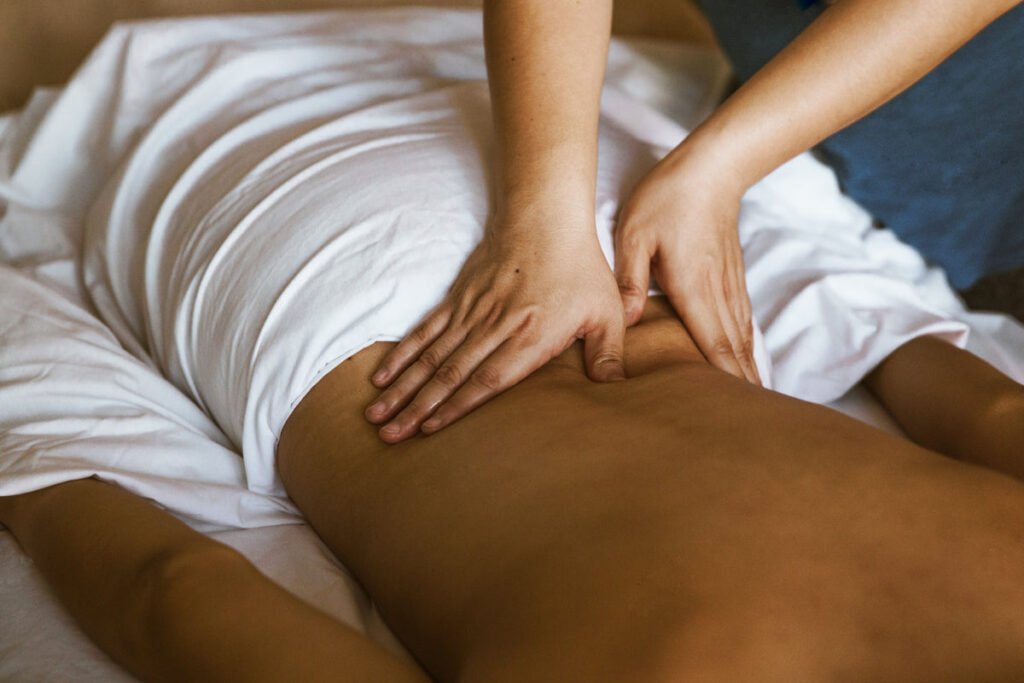
Deep tissue massage is a form of massage therapy that targets the inner layers of muscles, tendons, and fascia, the connective tissue that wraps around muscles. A therapist uses slow strokes and sustained pressure, often with the knuckles, thumbs, forearms, or elbows.
The goal is to release chronic muscle tension and “knots,” also called adhesions. These are bands of stiff tissue that can limit movement and cause pain. By working slowly, the therapist can sink into deeper tissue without forcing the surface muscles to tense up.
Deep tissue massage is not simply a Swedish massage with more force. The strokes are slower, the pressure is more focused, and the therapist often works on one problem area for a longer time.
Deep Tissue Massage vs. Swedish Massage
| Feature | Deep tissue massage | Swedish massage |
|---|---|---|
| Main goal | Ease chronic tension and pain | Relaxation and stress relief |
| Pressure | Firm and focused | Light to moderate |
| Stroke speed | Slow | Flowing, moderate pace |
| Tools used | Thumbs, knuckles, forearms, elbows | Mostly palms and fingers |
| Focus | Specific problem areas | Whole body |
| After-effects | Possible soreness for 1 to 2 days | Usually none |
Many therapists blend the two. They use Swedish strokes to warm up the body, then switch to deep tissue work on tight spots.
Benefits of Deep Tissue Massage: What the Research Says
Massage research is still growing, and many studies are small. Still, several trials point to real benefits of deep tissue massage.
1. Relief From Chronic Low Back Pain
A 2014 randomized trial followed 59 adults with chronic low back pain. One group received two weeks of deep tissue massage alone. The other got deep tissue massage plus anti-inflammatory drugs (NSAIDs).
Both groups improved. In the massage-only group, pain scores on a 100-point scale dropped from 58.3 to 42.2. Disability scores also fell. There was no significant difference between the groups, which suggests deep tissue massage worked about as well on its own as it did with pain pills added.
2. Lower Blood Pressure and Heart Rate
A 2008 study of 263 volunteers with moderate to severe muscle spasm measured blood pressure before and after a 45- to 60-minute deep tissue massage. On average, systolic pressure fell by 10.4 mm Hg, diastolic pressure by 5.3 mm Hg, and heart rate by 10.8 beats per minute. The authors called for more research, but the results suggest a calming effect on the body.
3. Less Muscle Tension and Stiffness
Slow, sustained pressure helps relax tight muscle and stretch stiff fascia. Many people notice they can turn their neck or bend forward more easily after a session.
4. Better Recovery for Active People
Athletes and gym-goers often use deep tissue work to ease tight muscles between workouts. It may help you feel looser and more ready to train.
5. Stress Relief
Even with firm pressure, many people find deep tissue massage relaxing. A quiet room, slow strokes, and focused attention can lower stress, which can make pain easier to manage.
A note on the evidence: The National Center for Complementary and Integrative Health (NCCIH) says massage may help with back and neck pain, but much of the research is limited in size and quality. Treat deep tissue massage as one useful tool, not a cure.
Types of Deep Tissue Massage Techniques
Therapists use several types of deep tissue massage techniques, often in the same session. Here are the most common:
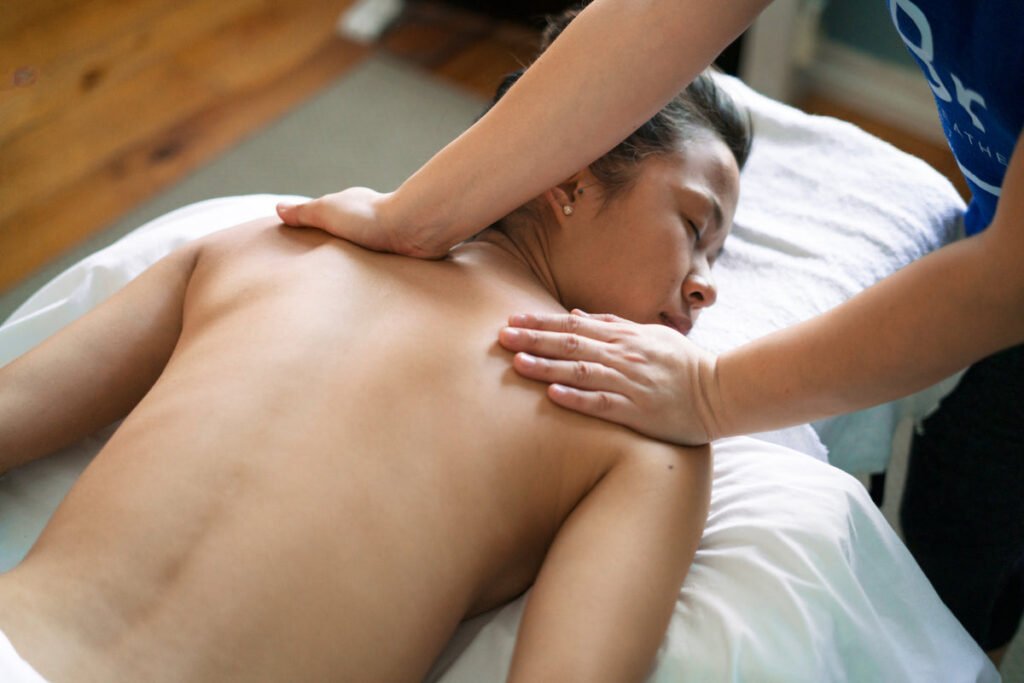
Photo: Shopify Burst
Stripping
The therapist glides slowly along the length of a muscle with deep pressure, using the thumbs, knuckles, or forearm. This helps lengthen tight muscle fibers.
Cross-Fiber Friction
Here, the therapist rubs across the muscle fibers rather than along them. This is often used on small, stubborn adhesions and around tendons.
Trigger Point Therapy
Trigger points are tight spots that can send pain to other areas. For example, a knot in the upper shoulder may cause a headache. The therapist presses on the point and holds it until the tension eases.
Myofascial Release
This technique focuses on the fascia. The therapist uses slow, sustained stretching pressure, often without oil, to release restrictions in the connective tissue.
Sports Massage
Sports massage blends deep tissue techniques with stretching and faster strokes. It is tailored to the muscles an athlete uses most.
Neuromuscular Therapy
Neuromuscular therapy is a structured approach that targets trigger points, posture problems, and nerve compression. It is often used for chronic pain.
Types of Deep Tissue Massage at a Glance
| Type or technique | How it works | Best for |
|---|---|---|
| Stripping | Slow, deep glide along the muscle | Long, tight muscles like the back and legs |
| Cross-fiber friction | Rubbing across muscle fibers | Small adhesions and tendon areas |
| Trigger point therapy | Held pressure on a knot | Pain that spreads to other areas |
| Myofascial release | Slow stretch of connective tissue | General stiffness and posture issues |
| Sports massage | Deep work plus stretching | Athletes and active people |
| Neuromuscular therapy | Targeted, structured trigger point work | Chronic pain conditions |
Watch: A Physiotherapist Explains Deep Tissue Massage
In this short video, physiotherapist Tabitha Xavier explains what deep tissue massage is and how it differs from other massage styles:
What to Expect During a Deep Tissue Massage
- Intake: The therapist asks about your health, pain areas, and goals.
- Warm-up: The session starts with lighter strokes to warm the muscles.
- Focused work: The therapist slows down and applies deeper pressure on problem areas.
- Breathing: You may be asked to breathe deeply as the therapist sinks into a tight spot.
- Check-ins: A good therapist asks about pressure throughout the session.
- Length: Most sessions last 60 to 90 minutes.
Does Deep Tissue Massage Hurt?
It can feel intense, especially on very tight areas. A common description is a “good hurt.” However, it should never feel sharp, stabbing, or unbearable. Speak up if it does. Tensing against pain makes the massage less effective and raises the risk of bruising.
After the Session
Soreness for 24 to 48 hours is common, much like after a hard workout. To feel better faster:
- Drink water and eat a light meal.
- Take a warm shower or bath.
- Do gentle stretching or a short walk.
- Avoid intense exercise on the worked muscles for a day.
How to Prepare for Your First Session
- Eat light: Have a small meal an hour or two before, not a large one right before you lie down.
- Hydrate: Drink water during the day so you feel comfortable on the table.
- Arrive early: Give yourself time to fill out forms and talk through your goals.
- Make a short list: Note where you feel pain, what makes it worse, and any medications you take.
- Skip a hard workout: Avoid heavy training on the same muscles right before the session.
- Set expectations: One session can help, but long-standing tightness usually needs several visits.
Is Deep Tissue Massage Safe?
For most healthy adults, yes. But firm pressure carries more risk than gentle massage. NCCIH notes that rare serious problems, such as blood clots, nerve injury, and bone fractures, have been reported. These were mostly linked to vigorous techniques like deep tissue massage or to people at higher risk, such as older adults.
Talk to your doctor before deep tissue massage if you:
- Have a history of blood clots or deep vein thrombosis
- Take blood thinners or have a bleeding disorder
- Have osteoporosis or a recent fracture
- Had surgery or chemotherapy recently
- Are pregnant
- Have an open wound, skin infection, or rash
- Have nerve damage that reduces feeling
Tell your therapist about any of these before your session. They can switch to a gentler style or avoid certain areas.
Common Areas Treated
Therapists often focus on a few problem zones that hold tension from daily habits:
| Area | Common cause of tightness | What the therapist may do |
|---|---|---|
| Neck and upper shoulders | Screen time and stress | Trigger point work on the upper trapezius |
| Upper back | Rounded posture at a desk | Stripping along the muscles between the shoulder blades |
| Lower back | Long sitting and lifting | Slow pressure beside the spine and on the hips |
| Hips and glutes | Running, cycling, and sitting | Compression and myofascial release |
| Calves and hamstrings | Running and standing all day | Slow, deep strokes along the muscle |
Common Myths About This Massage Style
- Myth: It has to hurt to work. Strong pain makes muscles guard against pressure. Firm but tolerable pressure tends to work better.
- Myth: Deeper is always better. More force is not more healing. Skilled therapists use slow pressure, not raw strength.
- Myth: One session fixes chronic pain. Long-term tightness usually needs a series of sessions plus stretching and exercise.
- Myth: Bruising is a sign of a good massage. Bruising means the pressure was too strong. Tell your therapist if it happens.
- Myth: It flushes out lactic acid. Lactic acid clears on its own within hours after exercise. Massage helps in other ways, such as easing tension.
Who Is Deep Tissue Massage Best For?
| Good fit | Consider a gentler option |
|---|---|
| Chronic back, neck, or shoulder tension | First-time massage clients |
| Athletes and active adults | People with low pain tolerance |
| Desk workers with postural tightness | Older adults with fragile skin or bones |
| People who find Swedish massage too light | Anyone with a recent injury |
Signs It Might Be Right for You
- You have the same tight spot that keeps coming back for weeks or months.
- Light massage feels pleasant but does not change how your muscles feel the next day.
- You feel stiff when you first get up, and it eases as you move.
- Tension in one area seems to cause pain somewhere else, such as headaches from tight shoulders.
- You train hard and want help keeping your muscles loose between sessions.
If your pain is new, sharp, or came from an injury, see a doctor or physical therapist before booking any massage.
How Often Should You Get a Deep Tissue Massage?
There is no single rule. For chronic pain, many therapists suggest a session every one to two weeks at first, then spacing them out as you improve. For general upkeep, once a month works for many people. Let your muscles recover fully before the next session.
Deep Tissue Massage at Home

Photo: Shopify Burst
You cannot fully copy a trained therapist at home, but some tools help you work deeper between visits:
- Massage guns: Percussion devices reach deep into large muscles. Start on low speed and limit each muscle to 1 to 2 minutes. See our best massage gun guide.
- Handheld massagers: Long-handled devices help you reach your own back. Compare options in our best handheld back massager review.
- Massage chairs: Many chairs offer a “deep” or “strong” mode. Browse our list of the best massage chairs under $1,000.
- Foam rollers and balls: These let you control pressure with your body weight on tight spots.
For step-by-step tips, read our guide on how to use a personal massager.
How to Find a Good Deep Tissue Massage Therapist
- Check that the therapist is licensed. Most U.S. states regulate massage therapists.
- Ask about their training and experience with deep tissue work.
- Look for someone who asks about your health history before starting.
- Choose a therapist who checks in about pressure and respects your limits.
- If you have a medical condition, ask your doctor or physical therapist for a referral.
Frequently Asked Questions
What is the main benefit of deep tissue massage?
The main benefit of deep tissue massage is relief from chronic muscle tension and pain, especially in the back, neck, and shoulders.
How long does deep tissue massage soreness last?
Most soreness fades within 24 to 48 hours. Pain lasting longer than a few days or bruising that spreads should be checked by a doctor.
Is deep tissue massage good for knots?
Yes. Techniques like trigger point therapy and stripping are designed to release tight bands and knots in muscle.
Can deep tissue massage release toxins?
There is no good evidence that massage flushes toxins from the body. Drinking water afterward is still a good habit for general comfort.
What should I wear to a deep tissue massage?
Most people undress to their comfort level and stay covered with a sheet. You can also keep on loose clothing.
Is deep tissue massage the same as sports massage?
Not exactly. Sports massage uses deep tissue techniques but adds stretching and is tailored to an athlete’s activity.
How much pressure is too much?
If you hold your breath, clench your jaw, or pull away, the pressure is too strong. Ask the therapist to ease off. A common guide is to stay around 6 or 7 on a 10-point scale, where pressure feels strong but you can still relax.
Can I get a deep tissue massage while pregnant?
Ask your doctor first and look for a therapist trained in prenatal massage. Most avoid deep pressure during pregnancy.
Conclusion
Deep tissue massage uses slow, firm pressure to reach deeper muscle and fascia. It can ease chronic pain, loosen stiff areas, and help you relax, and small studies back up those benefits. The main types of deep tissue massage techniques, from stripping to myofascial release, let a therapist tailor each session to your body.
Go in with clear goals, speak up about pressure, and expect some short-term soreness. If you have a health condition, check with your doctor first. Used wisely, deep tissue massage can be a valuable part of your pain relief plan.
Health note: This article is for general information only and is not medical advice. Talk to your doctor before getting a deep tissue massage if you have a health condition, injury, or are pregnant.

Hi, I’m Mamon, the content creator behind this blog. I share my experience in blogging, WordPress, SEO, and affiliate marketing through honest product reviews, in-depth buying guides, and practical how-to articles. Every piece of content is thoroughly researched and written to help readers make informed decisions.
Leave a Reply