What does bench press do, exactly? Lying on a flat, incline, or decline bench and pressing a loaded barbell or dumbbells away from your chest builds your chest, shoulders, and triceps as prime movers, while your core, lats, and grip work as stabilizers. It’s a full upper-body compound lift, not just a “chest exercise,” which is part of why it’s a staple in both bodybuilding and powerlifting programs. This guide covers exactly which muscles it works, the real benefits backed by research, and how to bench press safely and effectively.
Key Takeaways
- The bench press primarily targets the pectoralis major, with the triceps and anterior deltoids assisting, plus the lats, core, and serratus anterior stabilizing the movement.
- Resistance training like the bench press supports bone health; NIAMS (part of the NIH) recommends muscle-strengthening exercise at least twice a week for bone benefit.
- Heavy resistance exercise causes an acute rise in testosterone, though research on long-term hormonal change is more mixed than fitness marketing often suggests.
- Beginners should start with 1-2 sessions a week and add weight gradually, rather than chasing heavy loads immediately.

What Muscles Does the Bench Press Work?
There’s a common misconception that the bench press only works your chest, but it’s really a full upper-body movement. The pectorals, lats, and upper back muscles are the main muscles engaged, alongside the serratus anterior, triceps, rhomboids, latissimus dorsi, core, coracobrachialis, and deltoids. In short, bench pressing recruits nearly every major muscle in your upper body, either as a prime mover or a stabilizer.
The pectoralis major does the majority of the pressing work, assisted by the anterior deltoids and triceps as the bar moves away from your chest. Your lats and rhomboids stabilize your shoulder blades against the bench, while your core and grip muscles keep your whole body tight and controlled throughout the lift. This is why a heavy bench press can leave your forearms and core sore the next day, even though the movement looks like a pure chest exercise.
Top Benefits of the Bench Press
Strengthens Your Upper Body
The bench press is one of the most efficient ways to build upper-body strength, since it loads the chest, shoulders, and triceps together in a single compound movement rather than isolating one muscle at a time. Consistent training, typically 1-2 sessions a week for beginners, produces steady upper-body strength gains over months, though the exact rate varies significantly by individual, starting point, and program design.
Supports Bone Health
Resistance and weight-bearing exercises like the bench press work against gravity, and that mechanical loading helps stimulate bone-strengthening processes. According to NIAMS, resistance training puts stress on bones in a way that can help make them stronger, which matters more as your body’s natural bone density declines with age.
May Support a Healthy Hormonal Environment
Lifting heavy loads causes an acute, temporary rise in testosterone, and testosterone plays a genuine role in muscle protein synthesis and hypertrophy. That said, long-term studies on resting testosterone levels from training are mixed, so it’s more accurate to say strength training supports a healthy hormonal environment overall (alongside sleep, nutrition, and recovery) than to claim it permanently “boosts testosterone.”
Helps Prevent Muscle Imbalance
If you regularly do pulling movements like rows or biceps curls, balancing them with pressing movements such as the bench press helps prevent the kind of muscular imbalance that can strain joints over time. Training opposing muscle groups (pushing and pulling) in roughly equal measure is a simple way to protect your shoulders and elbows as your training volume increases.
Builds a Bigger, Stronger Chest
The pectoralis major, the large “glamour muscle” across your chest, responds directly to the pressing motion of the bench press. Flat, incline, and decline variations each shift the emphasis slightly, but all of them load the chest more directly than most other common exercises, which is why the bench press remains a cornerstone of most chest-focused training programs.
Supports Fat Loss as Part of a Program
Bench press training alone won’t burn significant fat, but as part of a broader resistance-training routine with adequate volume, it contributes to the muscle mass and metabolic activity that support fat loss over time. Pairing 3-4 weekly strength sessions with a sensible diet is a far more reliable formula than chasing “fat-burning” claims about any single exercise.
May Support Joint Health
As cartilage between joints naturally thins with age, appropriately loaded resistance exercise, including bench pressing, can help maintain the muscle support around joints that keeps them stable. This isn’t a cure for joint problems, and anyone with existing joint pain should get individualized guidance before adding heavy pressing work.
Improves Grip Strength
Gripping the bar tightly through every rep, especially on heavier sets, gives your forearms and hand muscles real, if secondary, training stimulus. Better grip strength carries over to other lifts, like rows and deadlifts, where a strong hold on the bar directly affects how much weight you can move safely.
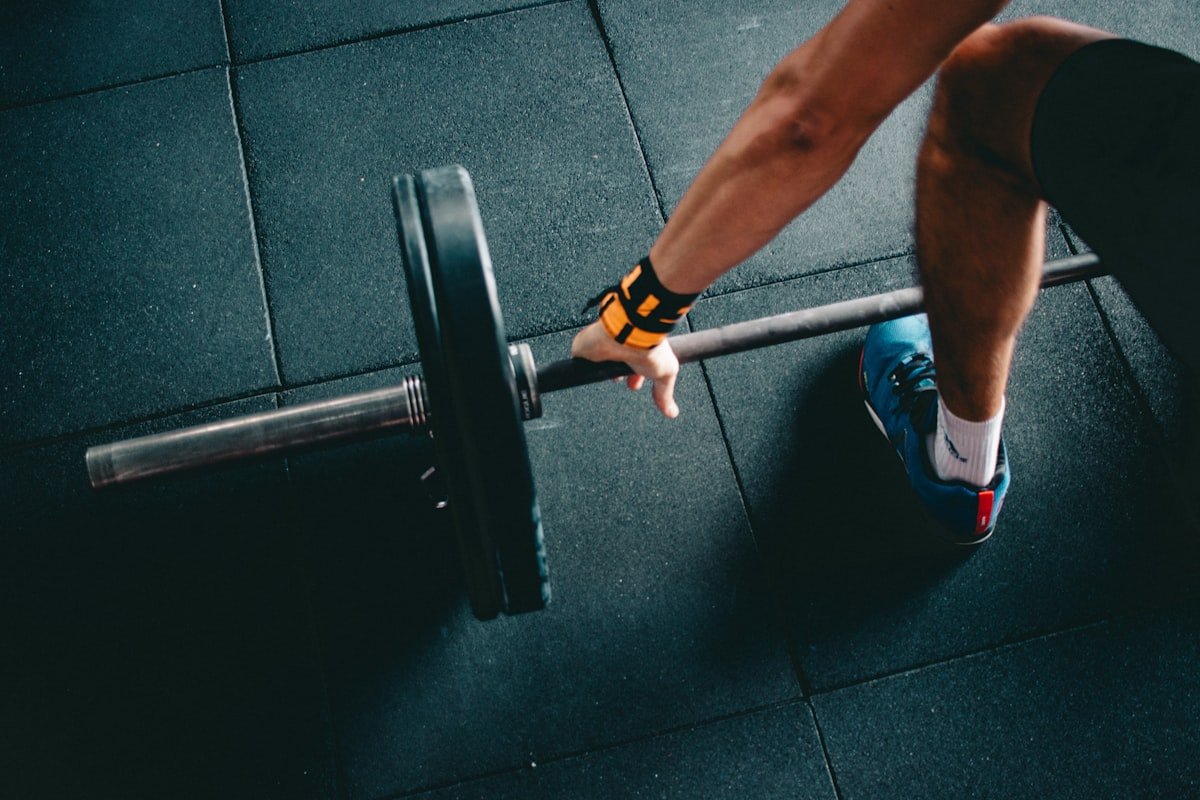
How to Bench Press Safely
If you’re just starting out, train 1-2 times a week and increase the weight gradually as your technique solidifies, rather than adding load every session. Beginners can build real strength and muscle even with lighter weight, provided the volume (sets and reps) is adequate and progresses over time.
Use a properly rated workout bench that can support your upper back and shoulders securely throughout the lift. A wobbly or undersized bench undermines your stability and makes heavier lifting genuinely more dangerous, regardless of your technique.
If you want to compare your own numbers to typical benchmarks, our guide on what the average bench press looks like by bodyweight and experience level is a useful reference point. And if you’re deciding between bench angles, our breakdown of what the decline bench specifically targets can help you plan a more balanced chest program.
Watch: Muscles Worked in the Bench Press
This walkthrough breaks down exactly which muscles activate during the lift and how grip width and bar path shift the emphasis between chest, shoulders, and triceps.
Muscles Worked In The Bench Press
Bench Press vs. Other Chest Exercises
Push-ups, cable flyes, and machine chest presses all train similar muscles, but the barbell bench press typically allows the most total loading since it’s a compound, stable, floor-anchored movement. That’s a large part of what does bench press do differently from bodyweight alternatives: it lets you progressively overload with added plates in a way that push-ups can’t match without added resistance bands or a weighted vest.
That doesn’t make other chest exercises worthless. Push-ups are more accessible and joint-friendly for beginners or anyone without gym access, while cable flyes and machine presses can isolate the chest with less technical demand than a free-weight barbell lift. Most well-rounded programs use the bench press as a primary strength movement and layer in these other exercises as accessory or isolation work.
How Often Should You Bench Press?
Frequency depends on your training experience and recovery capacity. Beginners typically do well with 1-2 sessions a week, focused on technique and gradual load increases. Intermediate and advanced lifters often bench 2-3 times weekly, sometimes varying the angle (flat, incline, decline) or load scheme (heavy singles versus higher-rep volume work) across sessions to avoid overuse while still training the movement pattern frequently enough to drive progress.
Regardless of frequency, allow at least 48 hours between sessions that heavily tax the same muscle groups. Bench pressing on fatigued, under-recovered muscles is a common way form breaks down, which raises injury risk without adding meaningful strength benefit.
Frequently Asked Questions
Which muscles are involved during bench pressing exercises?
The pectorals, lats, and upper back muscles are the primary muscles engaged, along with the serratus anterior, triceps, rhomboids, latissimus dorsi, core, coracobrachialis, and deltoids. It’s effectively a full upper-body exercise rather than an isolated chest movement.
What does bench press do for your fitness overall?
It builds upper-body strength and muscle, with your chest as the primary target and your triceps and deltoids working as secondary movers. Combined with adequate recovery and nutrition, it’s one of the most efficient single exercises for upper-body development.
Which is the best way to bench press as a beginner?
Start with 1-2 sessions a week, increase weight gradually, and prioritize a stable five-point setup (head, shoulders, hips, and both feet in contact with the bench or floor) over chasing a heavier number early on.
Is bench press bad for your shoulders?
Not inherently, but poor technique, excessive volume without recovery, or loading beyond your current capacity can strain the shoulder joint. Controlled form and appropriate progression protect your shoulders far more than avoiding the lift entirely.
Can bench press alone build a full physique?
No single exercise builds a complete physique. The bench press is excellent for chest, shoulders, and triceps, but a balanced program still needs pulling movements, leg training, and core work to develop the rest of your body.
Do I need a spotter for bench press?
For light to moderate weight, no. For heavy sets or attempts near your max, a spotter or safety arms significantly reduce the risk of getting pinned under the bar.
Conclusion
So, what does bench press do for your fitness in the end? It builds real upper-body strength across your chest, shoulders, and triceps, supports bone health through mechanical loading, and contributes to a healthy training-driven hormonal environment, all while improving your grip and helping prevent muscular imbalance from other lifts. Done consistently, with sensible progression and a properly rated bench, it remains one of the most effective single exercises you can add to a strength program.

Hi, I’m Mamon, the content creator behind this blog. I share my experience in blogging, WordPress, SEO, and affiliate marketing through honest product reviews, in-depth buying guides, and practical how-to articles. Every piece of content is thoroughly researched and written to help readers make informed decisions.
Leave a Reply