


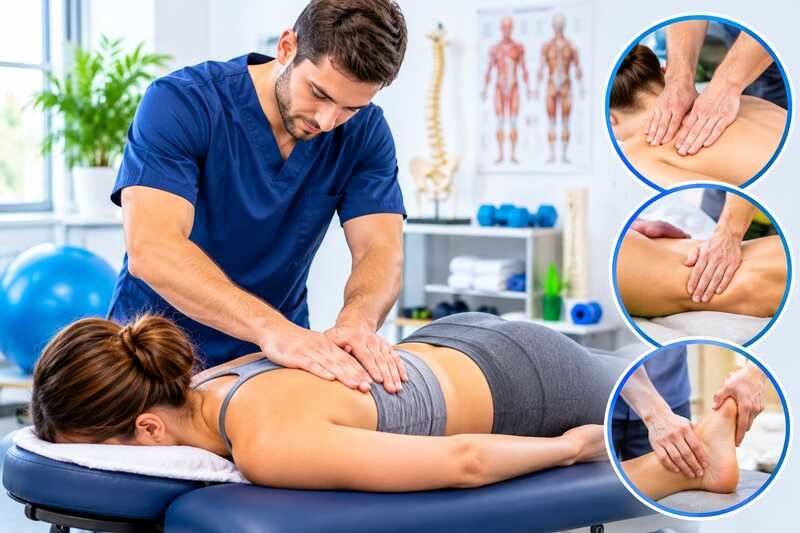
This guide explains what physio massage is, how it differs from a spa massage, the main techniques, what research says about its benefits, what to expect at a session in the U.S., and how to keep progress going at home.
Key Takeaways
- Physio massage is hands-on soft tissue treatment used within physical therapy to reduce pain and improve movement.
- In the U.S., it is often called soft tissue mobilization or manual therapy and is usually combined with exercise.
- A 2026 meta-analysis of 20 trials with 1,420 people found that instrument-assisted soft tissue work reduced pain and improved range of motion.
- Physical therapists must be licensed in every U.S. state and hold a Doctor of Physical Therapy degree.
- Physio massage is goal-focused and may feel firmer than a relaxation massage, but it should not be sharply painful.
What Is Physio Massage?
Physio massage is massage done as part of physical therapy treatment. A physical therapist, or a massage therapist working with one, uses targeted hands-on techniques to treat a specific problem, such as a stiff neck, a strained calf, or tight hips after surgery.
Unlike a spa massage, physio massage usually:
- Starts with an assessment of your movement, strength, and pain
- Targets one or a few problem areas
- Uses firmer, more focused techniques
- Is combined with exercises, stretches, and education
- Follows a treatment plan with goals and progress checks
Common U.S. Names for Physio Massage
| Term | Where you may hear it |
|---|---|
| Soft tissue mobilization | Physical therapy clinics |
| Manual therapy | Physical therapy and chiropractic offices |
| Therapeutic or clinical massage | Massage therapy clinics |
| Sports massage | Sports medicine clinics and gyms |
| Medical massage | Clinics working with a doctor’s referral |
Physio Massage vs. Regular Massage
| Feature | Physio massage | Spa or relaxation massage |
|---|---|---|
| Main goal | Treat pain, injury, or limited movement | Relaxation and stress relief |
| Provider | Physical therapist or clinical massage therapist | Massage therapist |
| Assessment | Detailed movement and pain assessment | Brief health intake |
| Focus | Specific muscles or joints | Usually the whole body |
| Pressure | Moderate to firm | Light to moderate |
| Session length | Often 15 to 30 minutes of hands-on work within a longer visit | 60 to 90 minutes |
| Added care | Exercises, stretches, posture advice | Usually none |
| Insurance | Often covered as part of physical therapy | Usually not covered |
Common Physio Massage Techniques
Soft Tissue Mobilization
The therapist uses hands to stretch, knead, and glide over muscles and fascia. The goal is to reduce tension and improve how tissue moves.
Trigger Point Release
Sustained pressure on a tight knot until it eases. This is often used for neck, shoulder, and upper back pain.
Myofascial Release
Slow, sustained pressure that stretches the fascia, the connective tissue around muscles.
Cross-Friction Massage
Firm strokes across the muscle or tendon fibers, often near tendons or old injuries.
Instrument-Assisted Soft Tissue Mobilization (IASTM)
The therapist uses smooth metal or plastic tools to scrape gently along the skin over a muscle. You may see brand names for these tools in clinics.
Muscle Energy Techniques and Assisted Stretching
You gently contract a muscle against the therapist’s resistance, then relax into a deeper stretch.
Percussion Devices
Some clinics use massage guns to warm up muscles before exercise or manual work.
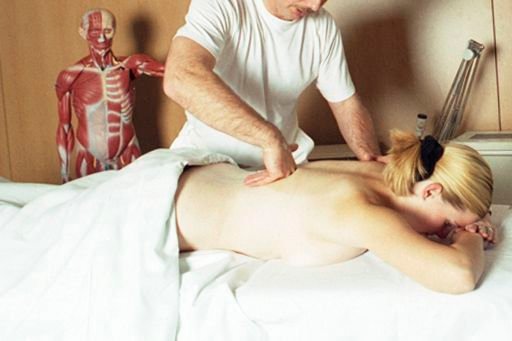
Photo: Andreas Bohnenstengel / Wikimedia Commons (CC BY-SA 3.0 DE)
Does Physio Massage Work? What the Research Says
Soft Tissue Tools Reduce Pain and Improve Movement
A 2026 systematic review and meta-analysis pooled 20 randomized trials with 1,420 people with musculoskeletal problems. Instrument-assisted soft tissue mobilization significantly reduced pain and improved range of motion. Its effect on overall function was smaller. Results were more consistent when the technique was combined with standard rehabilitation, especially for leg and spine problems.
Massage Eases Back and Neck Pain in the Short Term
A 2015 Cochrane review of 25 trials found that massage improved low back pain and function in the short term compared with sham or no treatment. A U.S. neck pain trial of 228 adults found that 60-minute massages two or three times a week brought the most improvement.
Massage Speeds Exercise Recovery
A 2018 meta-analysis found massage was the most effective of the recovery methods studied for reducing delayed muscle soreness and fatigue.
The Big Picture
Physio massage works best as part of a full plan. Hands-on work can reduce pain and stiffness so you can move better, and exercise helps keep those gains.
| Goal | What the evidence suggests |
|---|---|
| Pain relief | Short-term benefit, more stable with exercise |
| Range of motion | Improvement, especially in the spine |
| Function | Smaller, mixed effects alone; better with rehab |
| Exercise recovery | Massage ranks among the most effective methods |
| Long-term cure on its own | Not supported |
Watch: Physical Therapy vs. Massage Therapy
This video explains the similarities and differences between physical therapy and massage therapy, and how hands-on work fits into each:

Conditions Commonly Treated With Soft Tissue Work
| Condition | How hands-on work may help | Usually combined with |
|---|---|---|
| Low back pain | Eases muscle guarding beside the spine | Core and hip exercises |
| Neck pain and stiffness | Releases tight upper trapezius and neck muscles | Posture work and neck exercises |
| Shoulder impingement | Loosens muscles around the shoulder blade | Rotator cuff strengthening |
| Tennis or golfer’s elbow | Cross-friction near the tendon | Forearm strengthening |
| Plantar fasciitis | Soft tissue work on the calf and arch | Calf stretching and footwear advice |
| Hamstring or calf strains | Restores tissue mobility during healing | Gradual loading exercises |
| Stiffness after surgery | Improves tissue movement once cleared | Range-of-motion exercises |
Your therapist will decide which techniques suit your condition and stage of healing.
Who Can Benefit From Physio Massage?
- People with neck, back, or shoulder pain
- Athletes with muscle strains or tightness
- People recovering from surgery, once cleared by their surgeon
- Desk workers with posture-related stiffness
- People with tendon problems, such as tennis elbow
- Runners with tight calves, hamstrings, or hips
- Anyone with reduced range of motion after an injury
What to Expect at a Physio Massage Session in the U.S.
- Step 1: Evaluation. At your first visit, the physical therapist reviews your history and tests your strength, flexibility, and movement.
- Step 2: Plan. The therapist explains what they found and sets goals, such as turning your head without pain.
- Step 3: Hands-on treatment. Soft tissue techniques are applied to the problem area, often for 10 to 30 minutes.
- Step 4: Exercise. You learn stretches and strengthening exercises to support the hands-on work.
- Step 5: Home program. You leave with exercises to do between visits.
- Step 6: Progress checks. The therapist tracks improvement and adjusts the plan.
Mild soreness for a day or two is common after deeper soft tissue work. Tell your therapist if pain feels sharp or lasts longer.
How to Prepare for Your First Visit
- Bring your records: Imaging reports, surgery notes, and a medication list help the therapist plan safely.
- Write down your goals: For example, lifting your child without back pain or running a 5K again.
- Track your symptoms: Note when pain started, what makes it worse, and what helps.
- Check your coverage: Ask your insurer about copays, visit limits, and referral rules.
- Dress for access: Wear clothing that lets the therapist reach the area being treated.
Questions to Ask Your Physical Therapist
- Which soft tissue techniques will you use, and why?
- How will we measure progress?
- How many visits do you expect I will need?
- What exercises should I do at home, and how often?
- Which home tools, such as a foam roller or massage gun, are safe for my condition?
- What warning signs should make me call you or my doctor?
Who Provides Physio Massage in the U.S.?
Physical Therapists
According to the U.S. Bureau of Labor Statistics, physical therapists need a Doctor of Physical Therapy degree and a license in every state. There were about 283,700 physical therapist jobs in 2025, and employment is projected to grow 12% from 2025 to 2035. The median pay was $102,760 per year in 2025.
Physical Therapist Assistants
Assistants work under a physical therapist’s supervision and may carry out parts of the treatment plan.
Massage Therapists
Licensed massage therapists with clinical training may provide soft tissue work, sometimes in clinics alongside physical therapists.
Do You Need a Referral?
All U.S. states allow some form of direct access to physical therapy without a doctor’s referral, though rules and limits vary by state and insurance plan. Check with your insurer before booking.
Is Physio Massage Covered by Insurance?
When it is part of physical therapy for a diagnosed problem, hands-on treatment is often covered by health insurance, Medicare, workers’ compensation, or auto insurance. Coverage, copays, and visit limits vary, so check your plan. Massage alone, outside of a treatment plan, is less likely to be covered.
Safety: Who Should Be Careful?
Physio massage is generally safe when provided by a trained professional. Tell your therapist if you:
- Have a history of blood clots or take blood thinners
- Have osteoporosis or a recent fracture
- Had recent surgery
- Have cancer or are in cancer treatment
- Are pregnant
- Have diabetes with nerve damage
- Have a skin infection, open wound, or rash in the area
Instrument-assisted techniques can cause temporary redness or mild bruising. Ask your therapist what to expect.
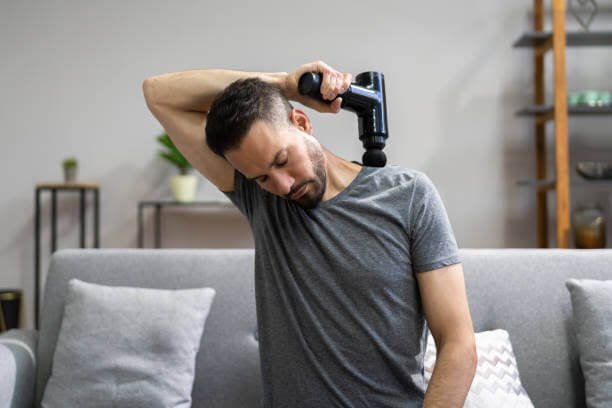
Photo: Tracey98 / Wikimedia Commons (CC BY 4.0)
Keeping Progress Going at Home
Between physio visits, home tools can help you stay loose. Ask your therapist which tools suit your condition.
- Massage gun: Useful for warming up large muscles before exercises. See our best massage gun guide and keep the speed low.
- Handheld massager: Helps you reach your upper back and shoulders. Compare models in our best handheld back massager review.
- TENS unit: Some physical therapists use TENS for pain relief. Learn more in our guide to the best TENS machine for body pain relief.
- Massage chair: For general relaxation and recovery. See our best massage chair under $1,000 roundup.
- Foam roller and massage ball: Simple tools many physical therapists recommend.
For safe device use, read our guide on how to use a personal massager.
Simple Self-Massage Tips From Physical Therapy
- Warm up with a few minutes of light movement first.
- Use moderate pressure. A common guide is to keep discomfort at or below about 6 out of 10.
- Spend 30 to 90 seconds on a tight spot, then move on.
- Follow self-massage with the stretches or exercises your therapist gave you.
- Stop if you feel numbness, tingling, or sharp pain.
Common Myths About Physio Massage
- Myth: It has to hurt to work. Firm pressure is common, but sharp pain is not needed and can make muscles guard.
- Myth: Massage alone fixes injuries. Research shows the best results come from combining hands-on work with exercise.
- Myth: It breaks up scar tissue permanently. Soft tissue work may improve how tissue moves and feels, but claims of “breaking up” tissue are often overstated.
- Myth: Any massage is physio massage. Physio massage is part of a treatment plan with assessment and goals.
Frequently Asked Questions
What is physio massage?
Physio massage is hands-on soft tissue treatment used in physical therapy to reduce pain, improve movement, and support injury recovery.
Is physio massage the same as sports massage?
They overlap. Sports massage focuses on athletes and recovery, while physio massage is part of a broader physical therapy treatment plan.
Does physio massage hurt?
It can feel firm or tender, especially on tight areas, but it should not cause sharp pain. Tell your therapist if it does.
How many sessions will I need?
It depends on your condition. Many physical therapy plans include one or two visits a week for several weeks.
Can I get physio massage without seeing a doctor?
In many U.S. states, you can see a physical therapist directly for a limited time, but insurance rules may still require a referral.
What should I wear?
Wear loose, comfortable clothing that lets the therapist reach the area being treated, such as shorts for knee or leg problems.
How long does a physio massage session last?
The hands-on part often lasts 10 to 30 minutes within a longer physical therapy visit of about 45 to 60 minutes. The rest of the visit usually covers exercises, education, and progress checks.
Is physio massage good for sports injuries?
It is often part of sports injury rehab, especially for muscle strains and tight, overworked areas. Your therapist will combine it with gradual exercises so you can return to activity safely.
Conclusion
Physio massage is targeted, hands-on soft tissue work used within physical therapy. In the U.S., it often goes by names like soft tissue mobilization or manual therapy. Research shows it can reduce pain and improve range of motion, especially when combined with exercise and a full rehabilitation plan.
If you have ongoing pain or stiffness, a licensed physical therapist can assess your problem and decide whether physio massage should be part of your care. Use home tools between visits, and follow your exercise program to make the gains last.
Health note: This article is for general information only and is not medical advice. Talk to your doctor or physical therapist about pain, injury, or any health condition.


Hi, I’m Mamon, the content creator behind this blog. I share my experience in blogging, WordPress, SEO, and affiliate marketing through honest product reviews, in-depth buying guides, and practical how-to articles. Every piece of content is thoroughly researched and written to help readers make informed decisions.