


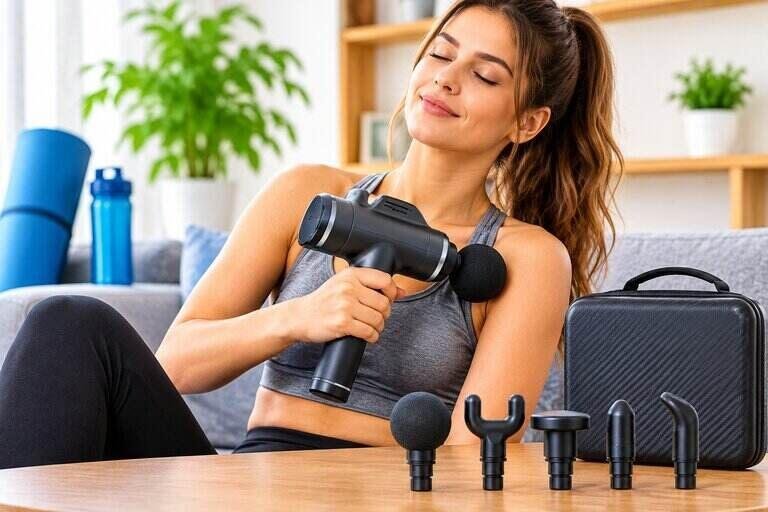
Photo: Shopify Burst
After a long day, tight muscles can make it hard to switch off, even when you finally sit down. A muscle massager for body relaxation can help your body shift out of “go” mode by easing tension, calming your breathing, and giving your mind something soothing to focus on. You do not need a spa visit to get that effect. A handheld device, a cushion, or even a foam roller can do the job at home.
This guide explains how muscle massagers help you relax, what research says about massage and stress, the main types of devices, and a simple routine you can follow tonight. It is written for U.S. readers who want practical, evidence-based advice rather than marketing claims.
Key Takeaways
- A muscle massager uses vibration, percussion, kneading, or pressure to loosen tight muscles and promote relaxation.
- A meta-analysis of 37 randomized studies found that a single massage session lowered anxiety, blood pressure, and heart rate.
- A course of massage had its largest effects on longer-term anxiety and depression.
- For relaxation, gentle devices like shiatsu cushions and vibration wands often work better than high-power massage guns.
- Keep sessions to 10 to 20 minutes, use low settings, and avoid bones, the front of the neck, and injured areas.
What Is a Muscle Massager?
A muscle massager is any tool that applies pressure or movement to muscle tissue. Electric models use a motor to vibrate, tap, or knead. Manual tools, like foam rollers and massage balls, rely on your body weight.
People use muscle massagers for two main goals:
- Recovery: Easing soreness and stiffness after exercise or physical work.
- Relaxation: Calming the body and mind, easing stress-related tension, and preparing for sleep.
This article focuses on the second goal. The best muscle massager for body relaxation is usually not the most powerful one. It is the one that feels pleasant enough that you can breathe slowly and let go.
How Does a Muscle Massager Help You Relax?
Relaxation is both physical and mental. A massager can help on both fronts.
It Eases Muscle Guarding
Stress often makes people tense their shoulders, jaw, and back without noticing. This “guarding” can become a habit. Rhythmic pressure and vibration give tight muscles a signal to soften.
It Calms the Nervous System
Your nervous system has two main modes. The sympathetic mode handles “fight or flight.” The parasympathetic mode handles “rest and digest.” Slow, pleasant touch is thought to nudge the body toward rest, which is linked with a slower heart rate and lower blood pressure.
It Gives Your Mind a Focus
Paying attention to the sensation of massage is a simple form of mindfulness. It pulls your attention away from racing thoughts and toward your body.
It Can Improve Flexibility
Loose muscles feel more comfortable. A 2023 systematic review of massage guns screened 281 records and included 11 studies. It found that massage guns could improve flexibility in the hamstrings, hip flexors, calves, and other posterior chain muscles. However, they did not improve strength, balance, or explosive performance, and some studies even showed a drop. In other words, massage guns are better for loosening up than for powering up.
What the Research Says About Massage and Stress
Much of the best evidence on massage and relaxation comes from hands-on massage, not devices. Still, it shows what touch and pressure can do.
A landmark meta-analysis published in Psychological Bulletin pooled 37 randomized studies of massage therapy. The researchers looked at nine outcomes. Here is what they found:
| Outcome | After a single session | After a course of sessions |
|---|---|---|
| State anxiety (how anxious you feel right now) | Reduced | — |
| Blood pressure | Reduced | — |
| Heart rate | Reduced | — |
| Cortisol (a stress hormone) | No significant change | — |
| Negative mood | No significant change | — |
| Pain measured later | — | Reduced |
| Trait anxiety (general anxiety level) | — | Reduced, a large effect |
| Depression | — | Reduced, a large effect |
The authors noted that a course of massage reduced trait anxiety and depression by amounts similar to psychotherapy in other studies. That does not mean a massager replaces mental health care. It does suggest that regular, relaxing touch can play a real role in stress management.
Important caveat: Devices do not perfectly copy a human therapist. Results from hands-on massage may not fully apply to home massagers. But many of the same ingredients, such as rhythmic pressure, warmth, and quiet time, are present in a good home session.
Types of Muscle Massagers for Relaxation
| Massager type | How it feels | Relaxation rating | Best for |
|---|---|---|---|
| Shiatsu cushion or pillow | Slow, kneading circles, often warm | High | Back and neck tension before bed |
| Shiatsu neck and shoulder wrap | Kneading with arm loops for pressure | High | Desk-related stress |
| Vibration wand | Steady buzzing | High | Gentle all-over relief |
| Massage chair | Full-body rollers and air pressure | Very high | Whole-body unwinding |
| Foot massager | Rolling, squeezing, warmth | High | Tired feet after standing |
| Percussion massage gun | Fast, firm tapping | Moderate | Tight legs and shoulders |
| Foam roller or massage ball | Body-weight pressure | Moderate | Low-cost stretching and release |

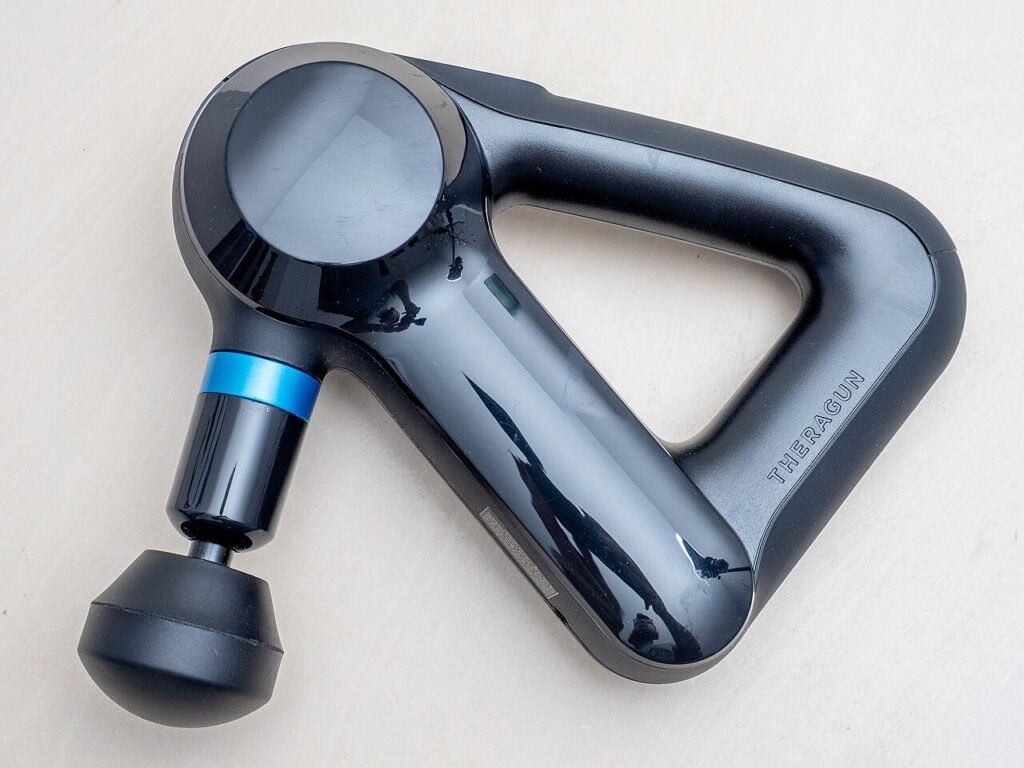
Photo: ajay_suresh / Wikimedia Commons (CC BY 2.0)
Massage Guns: Use Them Gently for Relaxation
Massage guns are popular, but their strong percussion can feel more energizing than calming. For relaxation, use the lowest speed and a soft head, and glide slowly over large muscles like the thighs, calves, and upper back. Compare quieter models in our best massage gun guide.
Shiatsu and Vibration Devices: The Relaxation Favorites
Shiatsu cushions knead slowly in circles, and many add heat. Vibration wands buzz gently and reach your back with a long handle. Both suit people who want to unwind rather than work deep into a knot. See our best handheld back massager review for long-handled options.
Massage Chairs: Hands-Free Full-Body Relief
A massage chair is the most hands-free option. You lean back, pick a program, and let rollers and airbags work from your neck to your feet. Explore budget options in our best massage chair under $1,000 roundup.
Foot Massagers: Underrated for Calm
Many people carry tension in their feet after long days of standing. A foot massager with rolling and warmth can feel deeply relaxing. Read our review of the best foot massagers for options.
Watch: How to Use a Massage Gun Properly
In this video, physical therapist Tim Fraticelli explains how to use a massage gun the right way, including speed, pressure, and timing:

A 15-Minute Relaxation Routine With a Muscle Massager
Try this routine in the evening, about an hour before bed.
- Step 1: Set the scene (1 minute). Dim the lights, silence your phone, and sit or lie somewhere comfortable.
- Step 2: Breathe first (2 minutes). Breathe in through your nose for four counts and out through your mouth for six counts.
- Step 3: Shoulders and upper back (4 minutes). Use a shiatsu wrap or vibration wand on low. Keep breathing slowly.
- Step 4: Lower back (3 minutes). Lean back against a shiatsu cushion or use a wand beside your spine.
- Step 5: Legs (3 minutes). Glide a massage gun on low or a foam roller over your thighs and calves.
- Step 6: Feet (2 minutes). Roll each foot over a massage ball or use a foot massager.
Finish by sitting quietly for a minute. Notice which muscles feel softer than before.

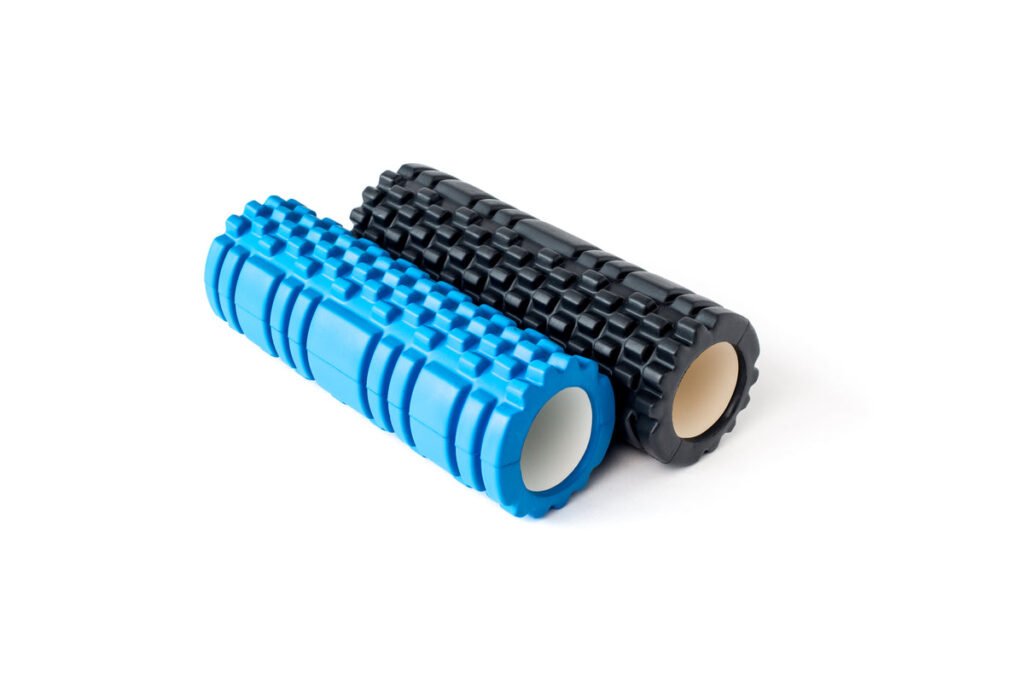
Photo: Shopify Burst
Tips to Get More Relaxation From Your Massager
- Choose low settings: Strong intensity can make muscles tense up instead of relax.
- Add warmth: Heat makes many people feel calmer and looser.
- Pair with slow breathing: Long exhales help signal rest to your body.
- Keep it consistent: Short daily sessions may feel better over time than an occasional long one.
- Make it a ritual: Use your massager at the same time each evening to build a wind-down habit.
- Keep screens away: Scrolling during a massage keeps your brain alert.
Best Body Areas to Target for Relaxation
Some areas hold more stress than others. Focus your muscle massager for body relaxation on these zones first:
| Body area | Why it holds tension | Gentle approach |
|---|---|---|
| Upper shoulders | Stress makes people shrug without noticing | Shiatsu wrap or wand on low |
| Upper back | Hours of sitting and rounded posture | Foam roller or massage ball against a wall |
| Lower back | Long sitting and lifting | Shiatsu cushion with heat |
| Thighs and calves | Standing, walking, and workouts | Massage gun on low, slow glides |
| Feet | Carrying body weight all day | Foot massager or rolling ball |
| Hands and forearms | Typing and phone use | Light self-massage with your thumb |
Avoid the jaw, the front of the neck, and the belly with electric devices. Light hand pressure is a better choice for those areas.
What to Look for in a Muscle Massager for Body Relaxation
The features that matter for relaxation are different from those that matter for athletic recovery. Look for:
- Low starting intensity: A gentle first setting matters more than a high top speed.
- Quiet motor: A loud device makes it hard to unwind. Look for noise ratings in the product details.
- Heat option: Warmth adds comfort for many people.
- Auto shut-off: A 15- to 20-minute timer prevents overuse and overheating.
- Comfortable shape: Long handles, arm loops, or cushions let you relax without holding an awkward position.
- Easy controls: You should be able to change settings without sitting up or looking at the device.
- Washable cover: Fabric covers on cushions and wraps keep things clean.
Muscle Massager Safety Tips
Muscle massagers are low risk for most healthy adults, but follow these rules:
- Start on the lowest setting and keep sessions to 10 to 20 minutes.
- Limit massage guns to about 1 to 2 minutes per muscle group.
- Avoid bones, joints, the spine, and the front and sides of the neck.
- Skip bruises, swelling, varicose veins, and fresh injuries.
- Never fall asleep with a heated device running.
- Stop if you feel sharp pain, numbness, tingling, or dizziness.
Talk to your doctor before using a muscle massager if you are pregnant, take blood thinners, have a history of blood clots, have osteoporosis, or have a pacemaker. For step-by-step device tips, see our guide on how to use a personal massager.
Massager vs. Professional Massage for Relaxation
| Factor | Home muscle massager | Professional massage |
|---|---|---|
| Convenience | Use anytime at home | Requires booking and travel |
| Cost over time | One-time purchase | Ongoing cost per session |
| Personal touch | None | Therapist adapts to your body |
| Session length | Usually 10 to 20 minutes | Usually 60 to 90 minutes |
| Research support | Limited direct evidence | Stronger evidence for stress relief |
| Best use | Daily upkeep and winding down | Deeper relaxation and chronic tension |
Many people get the best of both worlds. They book a professional massage when they can and use a home massager on the days in between.
Who Benefits Most From a Muscle Massager for Relaxation?
- Office workers with stress-related neck and shoulder tension
- People who stand for long shifts, such as nurses, teachers, and retail workers
- Active adults who want to loosen up after workouts
- Anyone who wants a simple, drug-free part of an evening wind-down routine
If stress, anxiety, or low mood is affecting your daily life, a massager is a comfort tool, not a treatment. Talk to your doctor or a licensed mental health professional.
Common Mistakes
- Going too hard: High intensity can leave you sore instead of relaxed.
- Rushing: Fast, jerky movements feel less soothing than slow glides.
- Using it right before bed on high speed: Strong percussion can feel energizing.
- Ignoring pain: Relaxation should never hurt.
- Skipping rest days for sore areas: Give tender muscles a break.
Frequently Asked Questions
What is the best muscle massager for body relaxation?
For most people, a shiatsu cushion, vibration wand, or massage chair works best because the pressure is gentle and steady. A massage gun on low can also work for tight legs and shoulders.
Can a massager help me sleep?
A relaxing massage before bed may help you wind down. Keep the setting low and finish at least a few minutes before you lie down.
Do massage guns relax muscles?
They can loosen tight muscles and improve short-term flexibility. For pure relaxation, use the lowest speed and slow, gliding strokes.
How often should I use a muscle massager?
Short daily sessions of 10 to 20 minutes are fine for most healthy adults.
Does massage lower cortisol?
The 37-study meta-analysis found no significant change in cortisol after a single session. It did find drops in anxiety, blood pressure, and heart rate.
Is it safe to use a massager every day?
Yes, at low intensity and for short sessions. Take a day off if an area feels bruised or tender.
Can I use a muscle massager on my whole body?
You can use most devices on large muscle areas like the shoulders, back, thighs, calves, and feet. Skip the face, the front of the neck, the belly, and any bony areas. A massage chair is the easiest way to cover the whole body at once.
Conclusion
A muscle massager for body relaxation works by easing tight muscles, calming the nervous system, and giving your mind a quiet focus. Research on massage shows real short-term drops in anxiety, blood pressure, and heart rate, with larger benefits from regular sessions. Gentle devices like shiatsu cushions, vibration wands, and massage chairs tend to be the most relaxing.
Keep the intensity low, pair your massager with slow breathing, and make it part of a nightly wind-down habit. Used this way, a muscle massager can be a simple, affordable way to unwind at home.
Health note: This article is for general information only and is not medical advice. Talk to your doctor before using a massage device if you have a health condition, injury, or are pregnant.


Hi, I’m Mamon, the content creator behind this blog. I share my experience in blogging, WordPress, SEO, and affiliate marketing through honest product reviews, in-depth buying guides, and practical how-to articles. Every piece of content is thoroughly researched and written to help readers make informed decisions.