


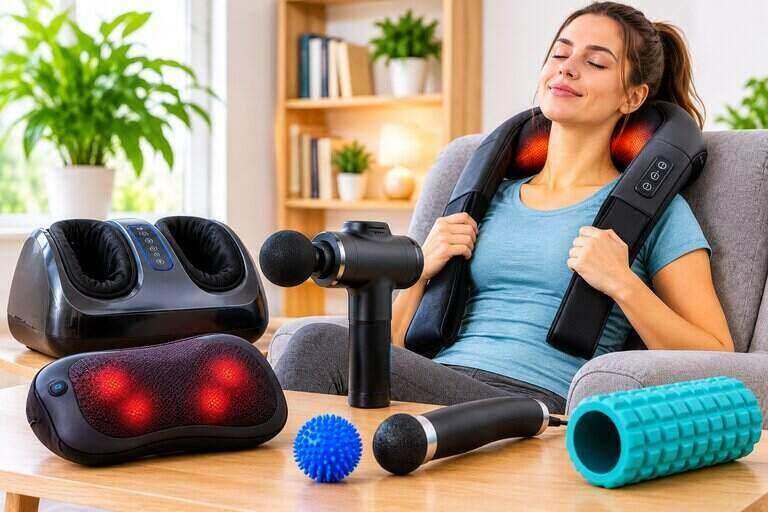
A good massage does not have to mean booking an appointment. Today’s massage equipment for home use ranges from inexpensive massage balls to full-body chairs, and almost every category has improved in the last decade. The challenge is not finding a device. It is choosing the right one for your body, your space, and your budget.
This guide walks U.S. readers through the main types of massage machines for home use, what each one does best, how they are regulated, what safety issues to watch for, and how to build a simple home massage setup that you will actually use.
Key Takeaways
- The main categories of home massage equipment are massage guns, handheld wands, shiatsu devices, massage chairs and pads, foot massagers, compression devices, and manual tools.
- The FDA classifies therapeutic massagers as low-risk Class I medical devices meant to relieve minor muscle aches and pains.
- Battery and heating problems are the most common reasons for U.S. massager recalls, so register your device and check for recalls.
- Choose equipment by target area first, then by intensity, size, noise, and budget.
- A small kit of one electric device plus one manual tool covers most people’s needs.
What Counts as Massage Equipment for Home Use?
Massage equipment for home use is any device or tool designed to massage the body outside of a clinic or spa. It falls into two broad groups:
- Electric massage machines: Devices with a motor that vibrates, taps, kneads, rolls, or squeezes. Examples include massage guns, shiatsu pillows, and massage chairs.
- Manual tools: Items that use your own pressure or body weight, such as foam rollers, massage balls, and trigger point canes.
How Home Massagers Are Regulated in the U.S.
Many people do not realize that massagers are medical devices. Under FDA rule 21 CFR 890.5660, a therapeutic massager is an electrically powered device intended for medical purposes, such as relieving minor muscle aches and pains. It is listed as a Class I device, the lowest-risk category, and is exempt from premarket notification.
In plain terms, the FDA treats these devices as low risk, and makers do not need to submit clinical data before selling them. That keeps prices down, but it also means marketing claims are not tested by the agency. Be skeptical of promises to “cure” pain or “detox” the body.
TENS units are different. They use electrical current, are regulated as Class II devices, and have stricter rules.
Types of Massage Machines for Home Use
1. Percussion Massage Guns
Massage guns use a piston to tap the muscle quickly and firmly. They are the go-to choice for athletes and gym-goers who want deep work on large muscles like the thighs, calves, and glutes. Research links them to short-term gains in flexibility, but not to more strength or power.
See our best massage gun roundup for tested options.
2. Handheld Vibration Massagers
Handheld wands and dual-head massagers vibrate rather than punch. They feel lighter and are easier for beginners and older adults. Long handles make it easier to reach your own back. Compare models in our best handheld back massager review.
3. Shiatsu Pillows, Cushions, and Wraps
Shiatsu devices use rotating nodes to knead in circles, much like thumbs. Many add heat. You can place them behind your back on a chair, drape them over your shoulders, or use them on your thighs.
4. Massage Chairs
A massage chair combines rollers, airbags, heat, and recline for hands-free, full-body relief. It is the biggest investment in home massage equipment, both in price and floor space. Start with our list of the best massage chair under $1,000 if you are on a budget.
5. Massage Chair Pads
A massage pad straps onto an existing chair and runs rollers along your spine. It is a smaller, cheaper alternative to a full chair.

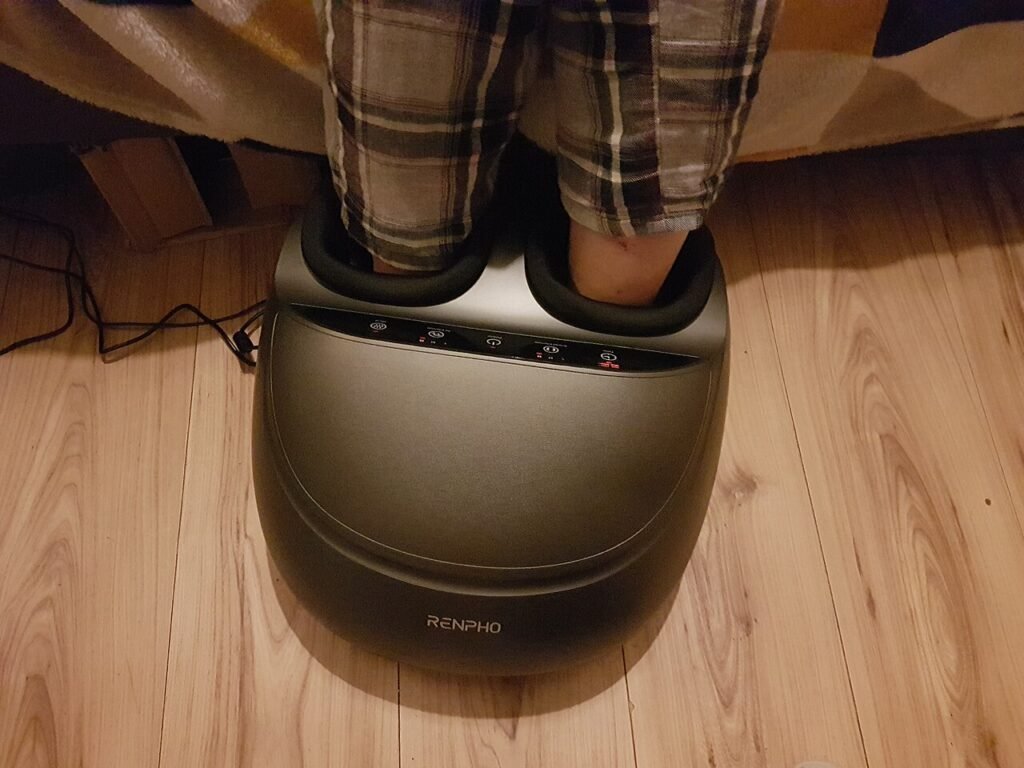
Photo: Best For My Feet / Wikimedia Commons (CC BY-SA 3.0)
6. Foot Massagers
Foot massagers knead and squeeze the soles, heels, and arches, often with heat. Some also cover the calves. They are popular with people who stand for work. Read our review of the best foot massagers for options.
7. Air Compression Devices
Compression boots and sleeves inflate and deflate in waves. Runners and people who stand all day use them for tired legs. Never use them if you have, or might have, a blood clot.
8. TENS and EMS Units
These are not massagers, but they are often sold beside them. TENS units send mild electrical current to calm pain signals. See our guide to the best TENS machine for body pain relief.
9. Manual Massage Tools
Foam rollers, massage balls, trigger point canes, and handheld rollers cost little and never need charging. They are the easiest way to start self-massage before buying an electric device.
Home Massage Equipment Compared
| Equipment | Intensity | Hands-free | Space needed | Cost level | Best for |
|---|---|---|---|---|---|
| Massage gun | High | No | Small | Moderate | Athletes and deep knots |
| Handheld vibration massager | Low to moderate | No | Small | Low to moderate | Beginners and older adults |
| Shiatsu pillow or wrap | Moderate | Yes | Small | Low to moderate | Neck, shoulders, and back |
| Massage chair | Low to high | Yes | Large | Highest | Full-body relaxation |
| Massage chair pad | Moderate | Yes | Small | Moderate | Back relief on a budget |
| Foot massager | Moderate | Yes | Small to medium | Moderate | Tired feet |
| Compression boots | Moderate | Yes | Medium | Moderate to high | Leg recovery |
| TENS unit | Varies (electrical) | Yes | Small | Low | Pain relief |
| Manual tools | Varies | Mostly | Small | Lowest | Budget and trigger points |
Watch: A Massage Therapist’s Favorite Tools
In this video, a massage therapist shares the self-massage tools they rely on and how to use each one:

Electric vs. Manual Massage Equipment
Electric massage machines for home use do the work for you. They are ideal when you are tired, sore, or want to relax without effort. The trade-offs are cost, noise, charging, and a small risk of electrical problems.
Manual tools are cheap, silent, and portable. You control every bit of pressure, which many physical therapists like for trigger point work. The downside is effort. Rolling on a foam roller or leaning into a ball takes energy and some flexibility.
Most people do best with a mix: one electric device for daily relief and one manual tool for targeted spots or travel.
Best Massage Equipment by Lifestyle
- Older adults: Gentle vibration wands, heated shiatsu cushions, and massage chairs with soft programs. Skip high-power massage guns.
- Athletes and runners: Massage guns, foam rollers, and compression boots for the legs.
- Office workers: Shiatsu neck wraps, massage chair pads, and a massage ball for desk breaks.
- Small apartments: Compact devices like a mini massage gun, a handheld wand, or a foldable foot massager.
- Frequent travelers: A mini massage gun or lacrosse-style ball that fits in a carry-on.
- People who stand all day: Foot massagers and compression boots.
How to Choose Massage Equipment for Home Use
Start With Your Target Area
| If you mostly need relief for… | Consider… |
|---|---|
| Neck and shoulders | Shiatsu wrap, vibration wand, massage cane |
| Upper and lower back | Shiatsu cushion, massage pad, handheld wand |
| Legs after exercise | Massage gun, foam roller, compression boots |
| Feet | Foot massager, massage ball |
| Whole body | Massage chair |
Then Weigh These Factors
- Intensity range: Look for a low starting setting, not just a high maximum.
- Size and weight: Lighter devices are easier to hold on your own back.
- Noise: Quieter motors matter if you share a home or use the device at night.
- Heat: Helpful for stiffness, but make sure it can be turned off.
- Battery life and charging: Cordless is convenient, but follow charging directions carefully.
- Auto shut-off: Prevents overuse and overheating.
- Warranty and return policy: Motors fail, and comfort is personal.
- Space: Measure before buying a massage chair. Many need room to recline.
Safety: Why Recalls Matter
Home massage machines are low risk, but they are still electrical devices. The U.S. Consumer Product Safety Commission (CPSC) has recalled massagers several times over the years, most often for battery and heating problems. A few examples:
| Year | Product type | Hazard | Units recalled (U.S.) | Reported incidents |
|---|---|---|---|---|
| 2024 | Corded handheld massager | Overheating while charging, fire and burn | About 46,000 | 17 reports of overheating, 1 burn |
| 2021 | Percussion massage gun | Lithium-ion battery overheating, fire | About 12,360 | 3 fires, over $15,000 in property damage |
| 2019 | Hot/cold massage balls | Burn hazard | — | — |
| 2017 | Handheld massagers | Electric shock and burn | — | — |
You can read the details of the 2024 CPSC massager recall on the agency’s website.
To stay safe:
- Register your product so the maker can contact you about recalls.
- Check for recalls on the CPSC website before buying a used device.
- Use the original charger and stop charging if the device gets very hot.
- Do not charge overnight or on soft surfaces like beds and couches.
- Look for a safety certification mark from a recognized testing lab.
- Keep cords away from children and pets.
Safe Use for Your Body
- Start on the lowest setting and keep sessions to 10 to 20 minutes.
- Limit massage guns to 1 to 2 minutes per muscle group.
- Avoid bones, joints, the spine, and the front and sides of the neck.
- Do not use devices on bruises, swelling, wounds, or varicose veins.
- Never fall asleep with a heated device running.
- Ask your doctor first if you are pregnant, take blood thinners, have a history of blood clots, have diabetes with nerve damage, or have a pacemaker.
For step-by-step tips, read our guide on how to use a personal massager.

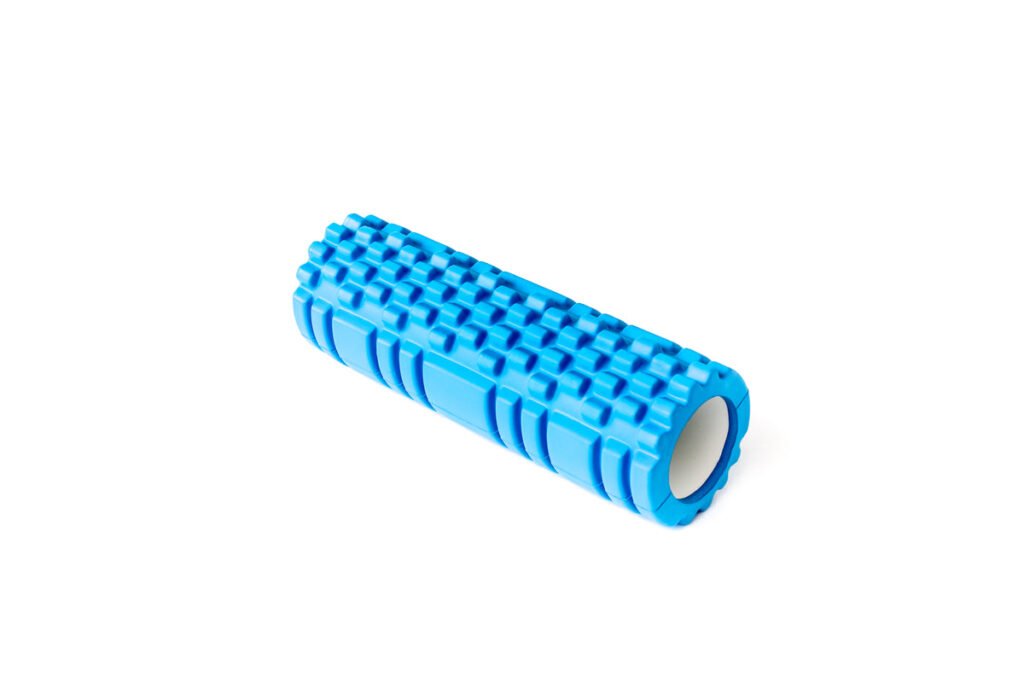
Photo: Shopify Burst
Build a Simple Home Massage Kit
You do not need every device. Most people get great results from a small, focused kit.
| Kit | What to include | Good for |
|---|---|---|
| Starter | Foam roller and massage ball | Anyone on a tight budget |
| Desk worker | Shiatsu neck wrap and massage ball | Neck, shoulder, and upper back tension |
| Active adult | Massage gun and foam roller | Workout recovery |
| On your feet all day | Foot massager and compression boots | Tired feet and legs |
| Full relaxation | Massage chair plus massage ball for spot work | Whole-body unwinding |
How to Care for Home Massage Equipment
- Wipe heads, nodes, and covers after each use with a damp cloth.
- Wash removable fabric covers as directed.
- Store devices in a cool, dry place away from bathrooms.
- Check cords and plugs for damage before each use.
- Let devices cool between sessions.
- Replace worn foam rollers and balls when they lose firmness.
Common Mistakes When Buying Massage Machines for Home Use
- Buying the most powerful device first: Strong is not always better, especially for beginners.
- Ignoring noise and weight: A loud or heavy device often ends up in a closet.
- Skipping the return policy: Comfort is personal, and some devices simply do not suit your body.
- Forgetting about space: Massage chairs can be large and heavy.
- Believing medical claims: Massagers ease minor aches. They do not cure conditions.
Is Home Massage Equipment Worth It?
For many people, yes. A one-time purchase can provide daily relief that would be expensive to get from regular professional sessions. Home devices are also convenient: you can use them while watching TV, after a workout, or before bed.
However, home equipment cannot read your body like a trained therapist. For ongoing pain, injuries, or medical conditions, see a doctor, physical therapist, or licensed massage therapist, and use home tools between visits.
Frequently Asked Questions
What is the best massage equipment for home use?
It depends on your needs. A massage gun suits active adults, a shiatsu cushion suits desk workers, and a massage chair offers full-body relief. For a low-cost start, try a foam roller and massage ball.
Are home massage machines safe?
Most are safe for healthy adults when used as directed. Check for recalls, follow charging instructions, and avoid sensitive areas like the front of the neck.
Are massagers FDA approved?
Most electric therapeutic massagers are Class I devices that are exempt from FDA premarket review. That means they are not individually “approved” in the way drugs are.
How often can I use massage equipment at home?
Short sessions of 10 to 20 minutes daily are fine for most people. Give tender areas a day off.
Are massagers HSA or FSA eligible?
Some are, depending on the product and your plan. Check with your plan administrator before you buy.
Can massage equipment replace a massage therapist?
Not fully. Devices are great for upkeep, but a therapist can adjust to your body and address specific problems.
Where should I keep massage equipment at home?
Store electric devices in a cool, dry spot, such as a bedroom closet or living room cabinet. Avoid bathrooms, where moisture can damage motors and batteries. Keep small manual tools, like a massage ball, near the places you sit most so you remember to use them.
What massage equipment do physical therapists use?
Many physical therapists use foam rollers, massage balls, and handheld percussion devices with patients. They often teach people to use these tools at home between visits.
Conclusion
The best massage equipment for home use is the kind that matches your body, your goals, and your space. Massage guns handle deep leg work, shiatsu devices ease neck and back tension, foot massagers help after long days standing, and massage chairs offer full-body relief. Manual tools remain the cheapest way to start.
Whatever massage machines for home use you choose, start gently, follow the timer, and register your device for recall alerts. With the right setup, you can enjoy regular relief without leaving the house.
Health note: This article is for general information only and is not medical advice. Talk to your doctor before using massage equipment if you have a health condition, injury, or are pregnant.


Hi, I’m Mamon, the content creator behind this blog. I share my experience in blogging, WordPress, SEO, and affiliate marketing through honest product reviews, in-depth buying guides, and practical how-to articles. Every piece of content is thoroughly researched and written to help readers make informed decisions.