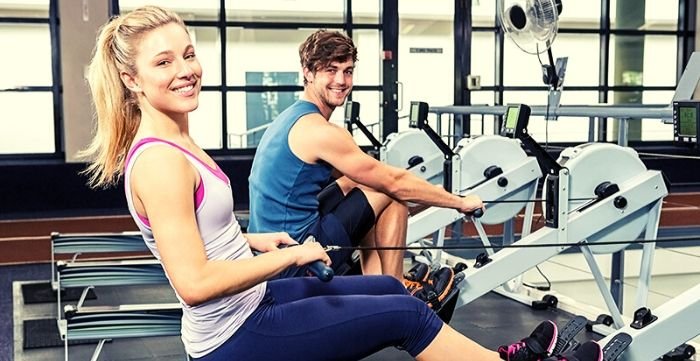
How to use a rowing machine to lose weight comes down to two things working together: correct technique, so you’re actually engaging the muscle mass that burns calories, and a workout structure you’ll stick with 3 to 5 times a week. Get the form right and even a moderate-pace session becomes a genuine full-body workout; skip it and you’re mostly just pulling with your arms and shortchanging the results.
To have real success with any weight loss plan, exercise and diet both need to be part of the picture. Diet alone, without resistance-style activity like rowing, risks losing lean muscle along with fat. Exercise alone, without attention to what you eat, often isn’t enough to create the calorie deficit weight loss actually requires. This guide covers proper rowing form, three structured workouts to get you started, what the research says about calorie burn, and who should be cautious before hopping on the machine.
Key Takeaways
- Correct rowing form follows one sequence on the drive: legs, then body, then arms, and reverses on the recovery: arms, then body, then legs.
- According to Harvard Health, a person burns roughly 210 to 311 calories per 30 minutes of moderate rowing depending on body weight, climbing to 255 to 377 calories at a vigorous pace.
- Rowing is low-impact, which lets you train more consistently without the joint strain that derails many high-intensity weight loss attempts.
- Poor sequencing, not the rowing motion itself, is the most common cause of lower back strain on the machine.
Getting Set Up Before You Start
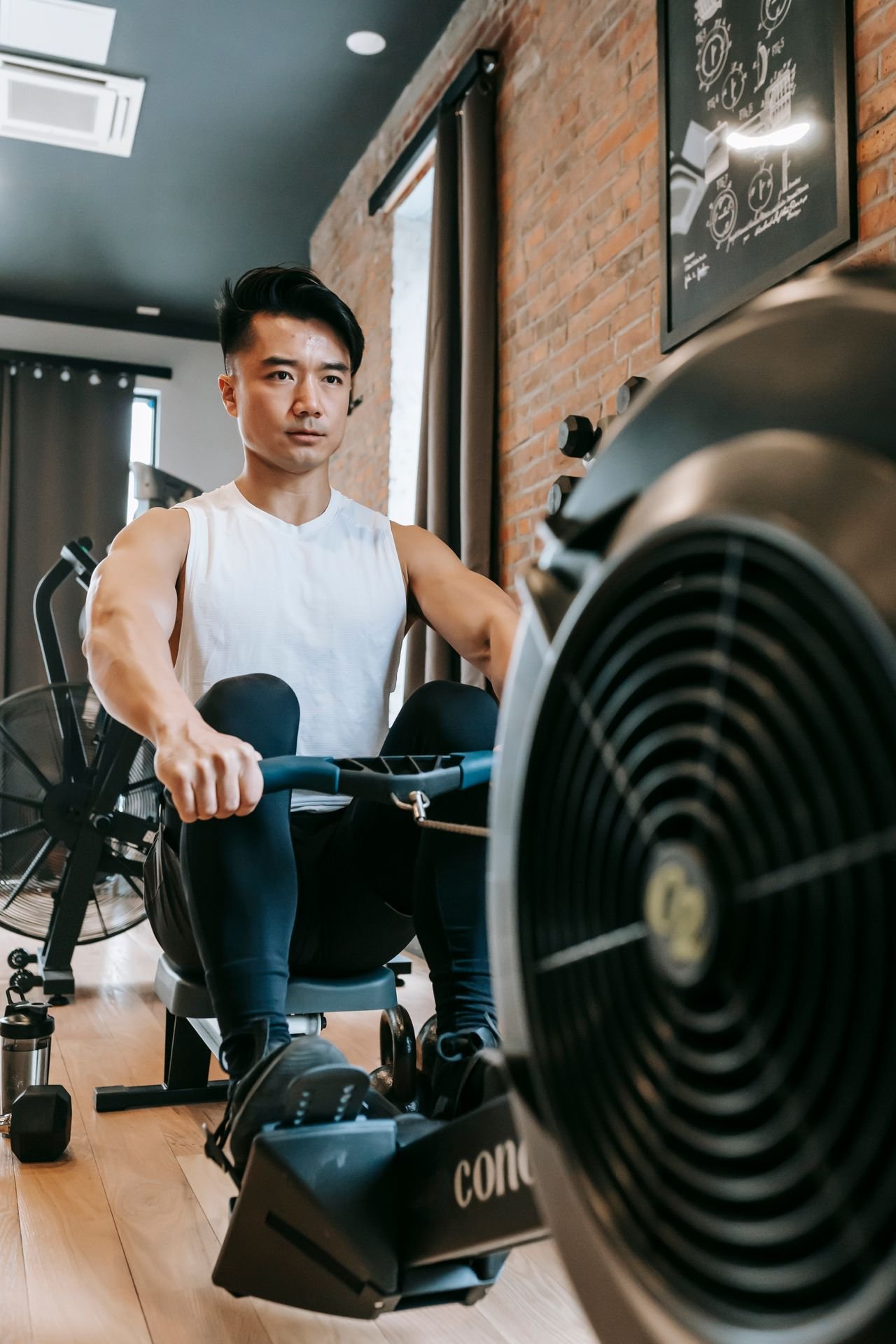
Part of learning how to use a rowing machine to lose weight is getting the basic setup right before your first stroke:
- Adjust the foot straps. The strap should sit across the widest part of your foot, allowing your heel to lift slightly at the catch without your foot sliding around.
- Check the resistance or damper setting. On air or water rowers, a damper setting of 3 to 5 out of 10 is a reasonable starting point for most people; higher isn’t automatically better and can encourage the arm-first mistake described above.
- Wear supportive, closed-toe shoes. Athletic shoes with a firm sole help transmit leg power efficiently and keep your feet secure in the straps.
- Warm up briefly first. A few minutes of light movement or a slow rowing pace before you pick up intensity helps prepare your muscles and reduces injury risk.
Proper Rowing Machine Form
Before getting into workouts, it’s worth slowing down on technique, since poor form is the biggest reason people either get hurt or don’t burn as many calories as they could. The rowing stroke breaks into four phases: catch, drive, finish, and recovery.
1. The Catch
This is your starting position. Slide forward until your shins are close to vertical, arms straight and extended toward the flywheel, and your upper body tilted slightly forward from the hips. Keep your shoulders relaxed, not hunched up toward your ears.
2. The Drive
Push through your legs first, keeping your arms straight while your legs do the work. As your legs approach full extension, swing your upper body back from the hips. Only once your legs are extended and your torso has swung back do you pull the handle in with your arms, finishing at your lower ribs. The order matters: legs, then body, then arms. Pulling with your arms too early is one of the most common mistakes and wastes your strongest muscles.
3. The Finish
At the end of the drive, your legs are extended, your torso is leaned back slightly, and the handle is drawn to your lower ribs with your elbows close to your body. This is a brief, controlled position, not a place to relax.
4. The Recovery
This phase reverses the drive: extend your arms away from your body first, let your torso rock forward from the hips, then bend your knees to slide your seat back toward the catch. A useful rule of thumb is to make your recovery about twice as long as your drive, which helps control your pace and gives you a moment to breathe between strokes.
Most lower back strain on a rowing machine comes from breaking this sequence, either by pulling with your arms too early on the drive or by rushing the recovery and rounding your back. Slow the pace down while you’re building muscle memory, and the correct order will start to feel automatic.
Rowing Workouts for Weight Loss
Once your form feels comfortable, here are three structured workouts that answer the practical side of how to use a rowing machine to lose weight: not just proper technique, but a routine you can actually follow week after week.
Workout 1: Steady and Slow
Find a pace you can sustain comfortably, and hold it for 30 to 45 minutes. This isn’t about pushing your limits; it’s about building the endurance and muscle memory to make rowing a habit rather than a one-off. Once a week, add a slightly more intense session on top of your steady sessions, but treat slow, sustained rowing as your foundation while you get comfortable with the full-body movement.
Workout 2: Ramp Up from Slow to Fast
Start at your comfortable pace, then add roughly one stroke per minute for every minute of your workout. If you begin around 20 strokes per minute, you might finish closer to 30 or higher by the end of a 15 to 20 minute session. The gradual build means you’re focused on the next small increase rather than an intimidating end target, and most people are surprised at how much higher they can push their stroke rate than they expected.
Workout 3: Extend Your Ramp-Up Over Time
Combine endurance and intensity by starting with a 30-minute ramp-up workout, then adding a minute or two to your total session every few days. Keep building until you have both solid endurance (sustained rowing for 45 to 60 minutes) and strong power output (a high stroke rate you can hold for a meaningful part of the workout). Your calorie burn comes from the combination of how long you row and how hard you row, so progressing on both fronts over several weeks tends to produce the best results.
What the Research Says About Rowing and Calorie Burn
According to Harvard Health, a person burns roughly 210 to 311 calories during 30 minutes of moderate rowing, depending on body weight, with heavier individuals burning more. At a vigorous pace, that climbs to roughly 255 to 377 calories in the same 30 minutes. Because rowing engages an estimated 86% of your major muscle groups in a single stroke, that calorie burn comes with less joint impact than comparable high-intensity cardio like running.
That low-impact quality is one of the biggest practical advantages of choosing a rowing machine for weight loss. A common pattern in weight loss attempts is pushing too hard on high-intensity workouts, ending up sore or injured, and then missing days or weeks of exercise while recovering. A lower-impact, high-calorie-burning option like rowing lets you stay consistent, and consistency over months matters more for weight loss than any single intense session.
It’s also worth being realistic about diet’s role. We lose weight by burning more calories than we consume, so if you add rowing sessions 3 to 5 times a week without changing what you eat, you may see slower results than expected. Pairing consistent rowing with attention to diet, particularly lean proteins, vegetables, and controlled portions, gives you the best combination for actual weight loss.
Who Should Be Cautious
Rowing is generally safe and low-impact for most healthy adults, but a few groups should check with a doctor first:
- Anyone with an existing lower back injury or chronic lower back pain, since poor sequencing can aggravate it
- People with uncontrolled cardiovascular disease or a recent heart event
- Anyone recovering from recent abdominal, back, or joint surgery
- Pregnant women, who should get specific guidance from their provider on safe rowing intensity
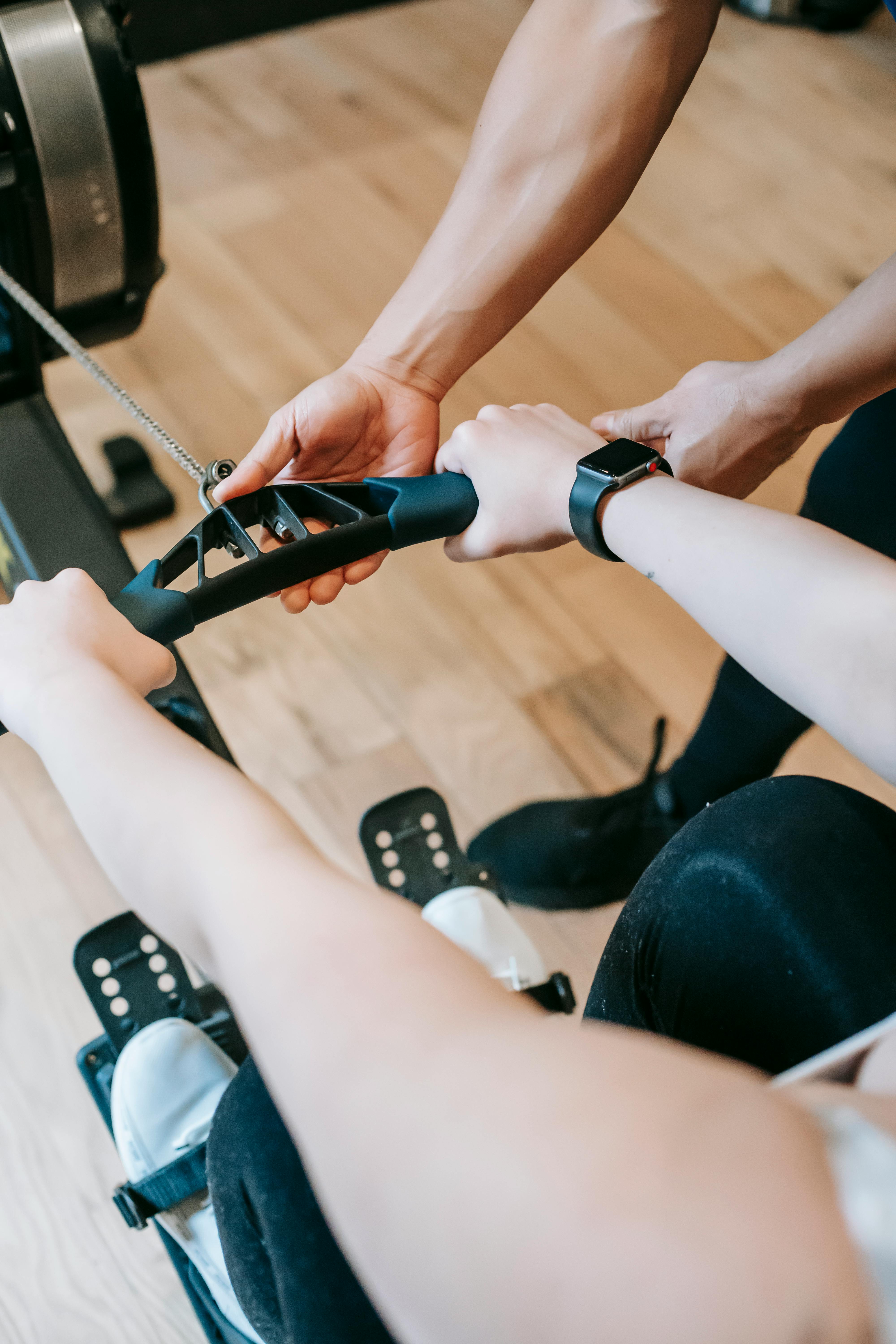
If you have any of these conditions and still want to row, get medical clearance and consider working with a trainer for your first few sessions to build correct form from the start.
Other Benefits of Rowing Beyond Weight Loss
While calorie burn is the focus of this guide, rowing consistently offers a few other benefits worth knowing about:
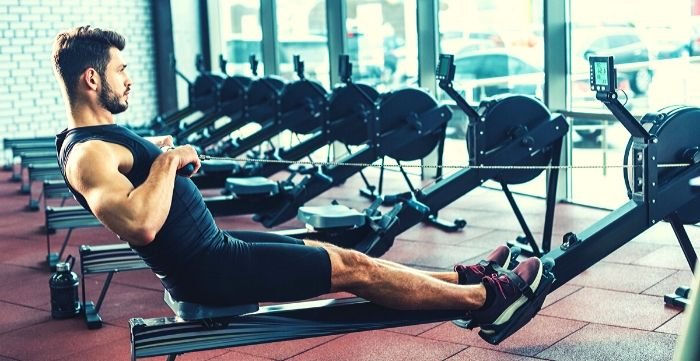
- Full-body strength. Because the drive engages your legs, glutes, back, core, and arms in sequence, regular rowing builds strength across most major muscle groups rather than isolating just one area.
- Cardiovascular conditioning. Sustained rowing sessions raise your heart rate in a way similar to running or cycling, supporting heart and lung health over time.
- Improved posture. The pulling motion strengthens your back muscles, which can help counteract the forward-hunched posture common from long hours sitting at a desk.
- Joint-friendly consistency. Because rowing is low-impact, it’s easier to maintain a regular schedule without the recovery time that higher-impact workouts often require.
Frequently Asked Questions
How many times a week should I row to lose weight?
3 to 5 sessions a week is a reasonable target, mixing steady-state sessions with occasional higher-intensity ones, alongside attention to diet.
Is rowing better than running for weight loss?
Both burn a meaningful number of calories, but rowing is lower-impact and engages more upper-body and core muscle, while running is weight-bearing and burns slightly more per minute at a matched effort. If you’re comparing options for how to use a rowing machine to lose weight versus other cardio equipment, see our guide to the best exercise machine for weight loss.
Why does my lower back hurt after rowing?
This is almost always a sequencing issue: pulling with your arms before your legs finish driving, or rushing the recovery and rounding your back. Slow your pace down and focus on the legs-body-arms order until it becomes automatic.
How long should a rowing session be for weight loss?
30 to 45 minutes at a steady pace is a solid starting point, building toward longer or more intense sessions as your endurance improves.
Can beginners row every day?
Many people row most days without issue once their form is solid, but if you’re new to rowing, build up gradually and include rest days while your body adapts to the movement.
Conclusion
Learning how to use a rowing machine to lose weight starts with technique: legs, body, arms on the drive, and the reverse on the recovery. Once that sequence feels natural, the three workouts above give you a structure to build both endurance and intensity over time. Combine consistent rowing sessions with a reasonable diet, and you’re on the right track. Weight loss is a gradual process, not something that happens overnight, but rowing’s combination of high calorie burn and low joint impact makes it one of the more sustainable ways to get there. For more on choosing equipment or comparing your options, browse our rowing machines category or our comparison of the best exercise machines for weight loss.

Hi, I’m Mamon, the content creator behind this blog. I share my experience in blogging, WordPress, SEO, and affiliate marketing through honest product reviews, in-depth buying guides, and practical how-to articles. Every piece of content is thoroughly researched and written to help readers make informed decisions.
Leave a Reply