

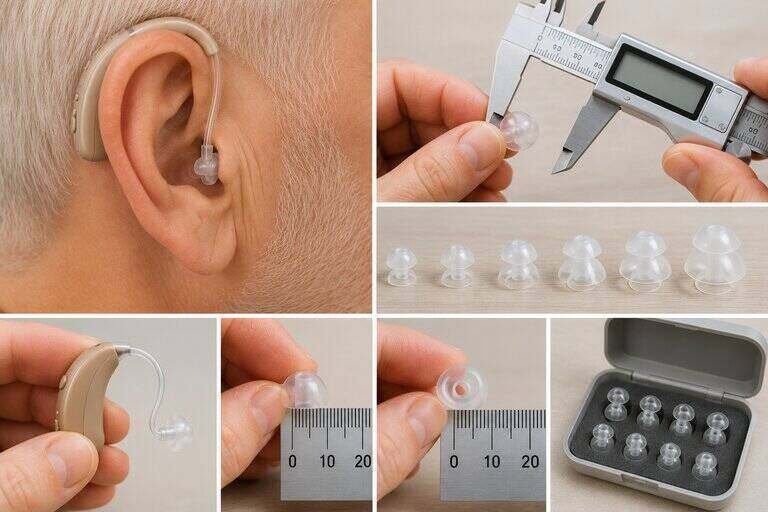

Knowing how to measure hearing aid domes correctly makes a real difference. A dome that fits stays put and sounds clear. One that doesn’t may whistle, slip out, or feel uncomfortable within an hour. Domes are small, but the wrong size can undo the benefit of an otherwise well-fitted hearing aid. This guide walks U.S. readers through the real way audiologists size a dome. It also covers testing the fit at home and knowing when a size change is worth a call to your provider.
Key Takeaways
- Domes are sized by your ear canal diameter, not by tracing the piece on paper.
- Learning how to measure hearing aid domes properly starts with a canal exam, not a pencil and ruler.
- Sizes typically run small, medium, and large, sometimes labeled by millimeter.
- A correct fit produces a light rustling sound and gentle resistance on insertion.
- Too loose means slipping or whistling. Too tight means pressure or muffled sound.
- Most domes need replacing every four to eight weeks with regular use.
What Is a Hearing Aid Dome, and How Does It Work?
A hearing aid dome is the small, soft attachment at the end of the tube or wire. It fits into a receiver-in-canal or behind-the-ear device. It holds the receiver in place inside your ear canal. It also creates a seal that keeps sound directed where it belongs, instead of leaking out. Most are made of soft silicone, which makes them comfortable for daily, all-day wear.
The attachment is popular because it fits without the weeks-long wait for a custom earmold. It works especially well for mild to moderate, high-frequency hearing loss. An open design still lets natural low-frequency sound reach your eardrum directly.
The Three Types of Hearing Aid Domes
Not every attachment is built the same way, and the type matters just as much as the size.
- Open dome: Has vents that let natural sound pass through. Best for mild high-frequency loss, and it feels the least noticeable in the ear.
- Closed dome: Seals the canal more fully, which boosts low-frequency amplification for moderate loss.
- Power dome: Offers the tightest seal and the strongest amplification, typically reserved for moderate to severe loss.
Your audiologist chooses the type based on your hearing test results. The size, on the other hand, depends entirely on your individual ear canal.
Why Getting the Size Right Actually Matters
A dome that is the wrong size does more than feel odd. An undersized one offers too little resistance. It can slip loose during a workout, or even while you are just chewing. A loose seal also lets amplified sound leak back out and re-enter the microphone. This is what causes that sharp whistling sound called feedback.
An oversized dome creates the opposite problem. It presses against the canal walls. This can cause soreness after a few hours of wear, and sometimes a plugged, muffled quality to your own voice. Understanding how to measure hearing aid domes properly from the start prevents most of these problems. Getting the fit right the first time saves you a return trip and days of discomfort in the meantime.
How to Measure Hearing Aid Domes: The Real Way to Find Your Size
You may have read that you can measure hearing aid domes yourself. The method involves tracing one on paper with a pencil and ruler. That method is not how audiologists or manufacturers actually size a dome. It will not give you an accurate result. A traced outline cannot capture canal depth, shape, or the slight taper of your ear canal. A size chosen this way is little more than a guess.
Here is how professionals actually approach sizing.
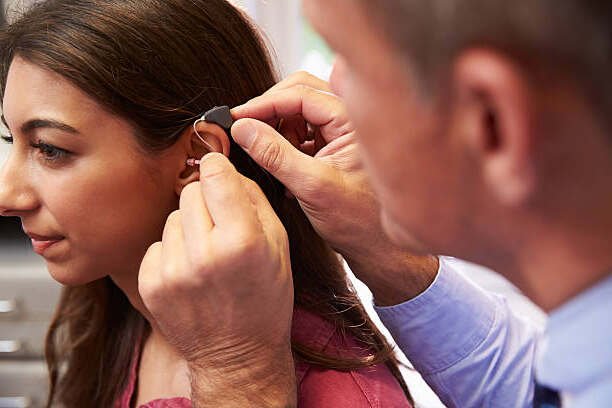
- Start with a canal exam. Your audiologist looks at your ear canal during a hearing test. This is often done with video otoscopy, to estimate its diameter and shape.
- Match it to a labeled size. Most manufacturers use small, medium, and large, though some use a numeric scale in millimeters instead.
- Trial the closest size first. Your provider fits the closest match, then checks the seal and asks how it feels.
- Adjust up or down as needed. If it is loose, they size up. If it pinches or feels full, they size down.
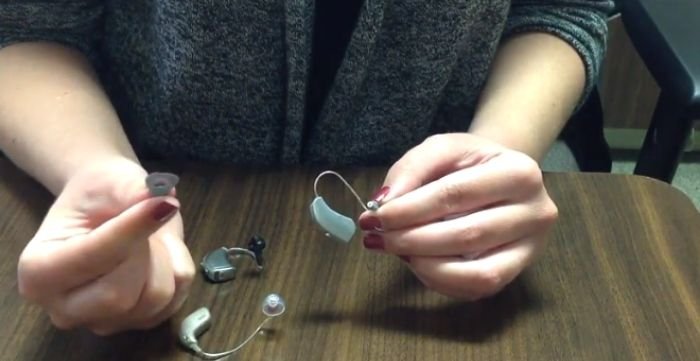

Approximate sizing generally follows this pattern, though exact measurements vary slightly by manufacturer:
- Small: around 6 to 8 millimeters, for narrower canals.
- Medium: around 8 to 10 millimeters, the most common starting size.
- Large: around 10 to 12 millimeters, for wider canals.
If you are unsure which chart applies to your specific model, ask your audiologist. You can also check the fitting guide that came with your hearing aid.
Signs the Dome You’re Wearing Is the Wrong Size
Signs It’s Too Small
It falls out easily, especially while eating, exercising, or removing a mask or hat. You may also hear frequent whistling, since a loose seal lets sound escape and loop back into the microphone.
Signs It’s Too Large
You feel pressure or soreness in the canal after a few hours. Your own voice may sound plugged or overly deep, an effect called the occlusion effect. In rare cases, an oversized fit can even irritate the canal skin over time.
Signs You Have the Right Fit
It stays in place through normal daily movement, and sound feels clear rather than muffled. You can comfortably wear the device for a full day without needing to adjust it.
Watch: A Closer Look at Domes and Vent Size
This short video is from Applied Hearing Solutions, an audiology practice. It walks through how domes and vent size affect fit and sound.

Step-by-Step: Testing Your Fit at Home
Once your audiologist has chosen a starting size, you can confirm the fit yourself. Do this each time you put the device in.
- Insert the piece slowly and listen for a soft rustling sound as it settles into the canal.
- Notice the resistance. Gentle, even resistance is normal. No resistance at all usually means it is too small.
- Move your jaw by chewing or talking, then check that it stays seated.
- Turn the device on and listen for whistling with nothing near your ear. Persistent feedback usually points to a size or seal problem.
- Wear it for a full day before deciding. Some minor adjustment in feel during the first hour is normal.
How Often Should You Replace Hearing Aid Domes?
Most manufacturers recommend replacing the attachment every four to eight weeks. Daily wearers in humid climates, or those with more earwax, may need to replace it sooner. Silicone naturally stiffens and picks up wax and oil over time. This changes how it seals, even if the size itself is still correct. A worn-out piece is one of the most common, and most overlooked, causes of sudden whistling. This is true even in a device that fit perfectly fine a few months earlier.
According to Audien Hearing, it helps to keep a small stock of spares in the size your audiologist confirmed. That way, you are never stuck reusing a stiff, worn one while waiting on a new pack to arrive.
When to See Your Audiologist About Sizing
Schedule a visit if trying an adjacent size, both up and down, does not solve persistent whistling or discomfort. Also check in if your hearing has changed. A shift in loss severity sometimes calls for a different dome type altogether, not just a different size. Ear canals can also change shape slightly over time due to weight changes, aging, or previous ear infections. A size that fit well two years ago may no longer be the best match. According to American Hearing, a quick recheck at your next routine appointment catches this kind of drift early.

Related Hearing Health Guides
Once your dome fits properly, the rest of your daily routine gets easier too. Our guide on how to put a hearing aid in your ear covers insertion technique step by step. Our guide on how to clean a hearing aid earmold explains how to keep the seal free of wax buildup.
If you are still choosing a device, see our guide on how to select a hearing aid. To understand your specific degree of loss, see our guide on what level of hearing loss requires a hearing aid. Our guide on how to adjust hearing aid volume is also worth a look once your fit feels right.
Tools Audiologists Use to Measure Hearing Aid Domes
Audiologists rely on more than a visual guess when they measure hearing aid domes for a new fitting. A video otoscope shows a live, magnified view of your canal on a screen. This lets your provider see its width and shape clearly. Some offices also use a soft, flexible probe to gently check canal depth before selecting a size. Manufacturers ship sizing kits with each new hearing aid. Your provider can swap between small, medium, and large during your appointment until the seal feels right. None of these tools require you to do anything at home. The entire process happens during a normal fitting appointment, and it usually takes only a few extra minutes.
Frequently Asked Questions
Can I measure hearing aid domes myself with a ruler at home?
Not accurately. Tracing a dome on paper cannot capture canal depth or shape. It is best to rely on your audiologist’s fitting process instead.
Why does it matter how to measure hearing aid domes correctly the first time?
A poor first fit often means an extra office visit and days of whistling or discomfort in the meantime. Getting the size right early saves you both time and frustration.
What size dome do most people start with?
Medium is the most common starting point. Your audiologist will confirm the right size based on your actual canal exam.
Why does my hearing aid whistle even though it fits fine when I put it in?
Whistling usually means the seal has loosened, either from a worn attachment or a size that is slightly too small. Try a fresh one first.
How do I know how to measure hearing aid domes if I switch to a new hearing aid brand?
Sizing charts vary slightly between manufacturers. It’s worth confirming your size again with your audiologist, rather than assuming the same label carries over.
Is it normal for a new size to feel different for the first day?
Yes. Give any new size a full day of wear before deciding. Minor adjustment in feel during the first few hours is common.
Can a dome that is too large damage my ear?
Prolonged pressure from an oversized fit can irritate the canal skin. Switch down a size and contact your audiologist if soreness continues.
How many spare domes should I keep on hand?
Most people keep at least one extra pack of their confirmed size. Regular replacement every four to eight weeks is normal with daily use.
Does dome size affect sound quality, or just comfort?
Both. The wrong size can cause whistling, muffled sound, or a plugged sensation, in addition to feeling uncomfortable.
Bottom Line
Learning how to measure hearing aid domes the right way starts with skipping the pencil-and-paper method. Trust a proper canal exam instead. Start with the size your audiologist recommends, then test for that light rustle and gentle resistance. Watch for whistling, slipping, or pressure as your signal to adjust. Replace the piece regularly, and check in with your provider if two adjacent sizes still do not solve the problem. A correctly sized dome is a small detail. It makes a real difference in how comfortable and effective your hearing aid feels every day.


Hi, I’m Mamon, the content creator behind this blog. I share my experience in blogging, WordPress, SEO, and affiliate marketing through honest product reviews, in-depth buying guides, and practical how-to articles. Every piece of content is thoroughly researched and written to help readers make informed decisions.