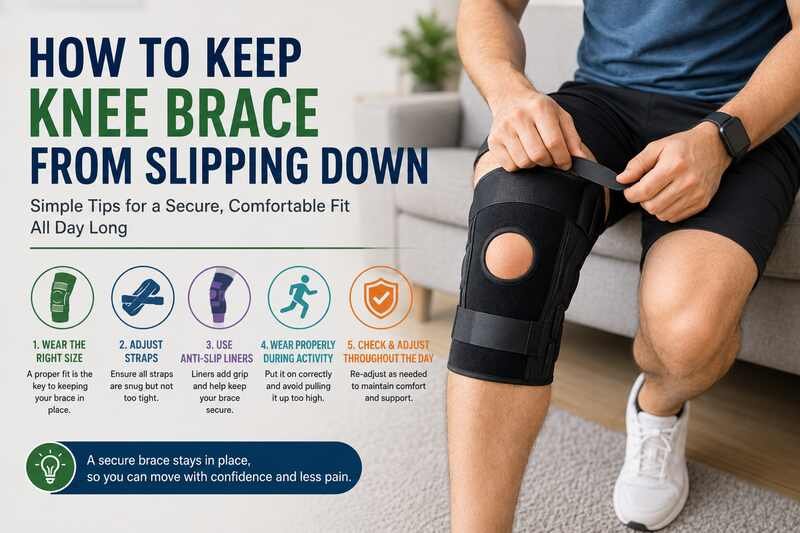
Figuring out how to keep knee brace from slipping down is one of the most common frustrations during knee recovery. A brace that slides toward your ankle stops protecting the joint. It also forces you to stop and readjust it every few minutes. U.S. physical therapists see this problem daily. The good news is that it almost always comes down to a fixable sizing or fitting issue, not a faulty brace.
Key Takeaways
- Slipping usually happens because the brace is the wrong size or your thigh is wider than your calf.
- Fitting the brace directly against bare skin reduces slipping significantly.
- Anti-slip silicone strips and adhesive bandages under the straps add extra grip.
- Compression pants worn under the brace cut down on friction and movement.
- Re-check your sizing if swelling has gone down since your brace was first fitted.
Why Does a Knee Brace Slip Down?
Doctors call this sliding “distal migration.” Gravity constantly pulls on every strap attached to the brace. Your leg’s natural shape works against you too. Most people have a thigh that measures wider than their calf. A brace shaped like a straight cylinder slowly works its way down a leg shaped more like an upside-down cone.
Distal migration gets worse the longer you wear the brace in one stretch. Walking and exercise make it worse still, since your muscles flex and shift under the fabric. A brace without anti-slip silicone lining struggles even more. Smooth fabric has nothing to grip your skin or clothing.
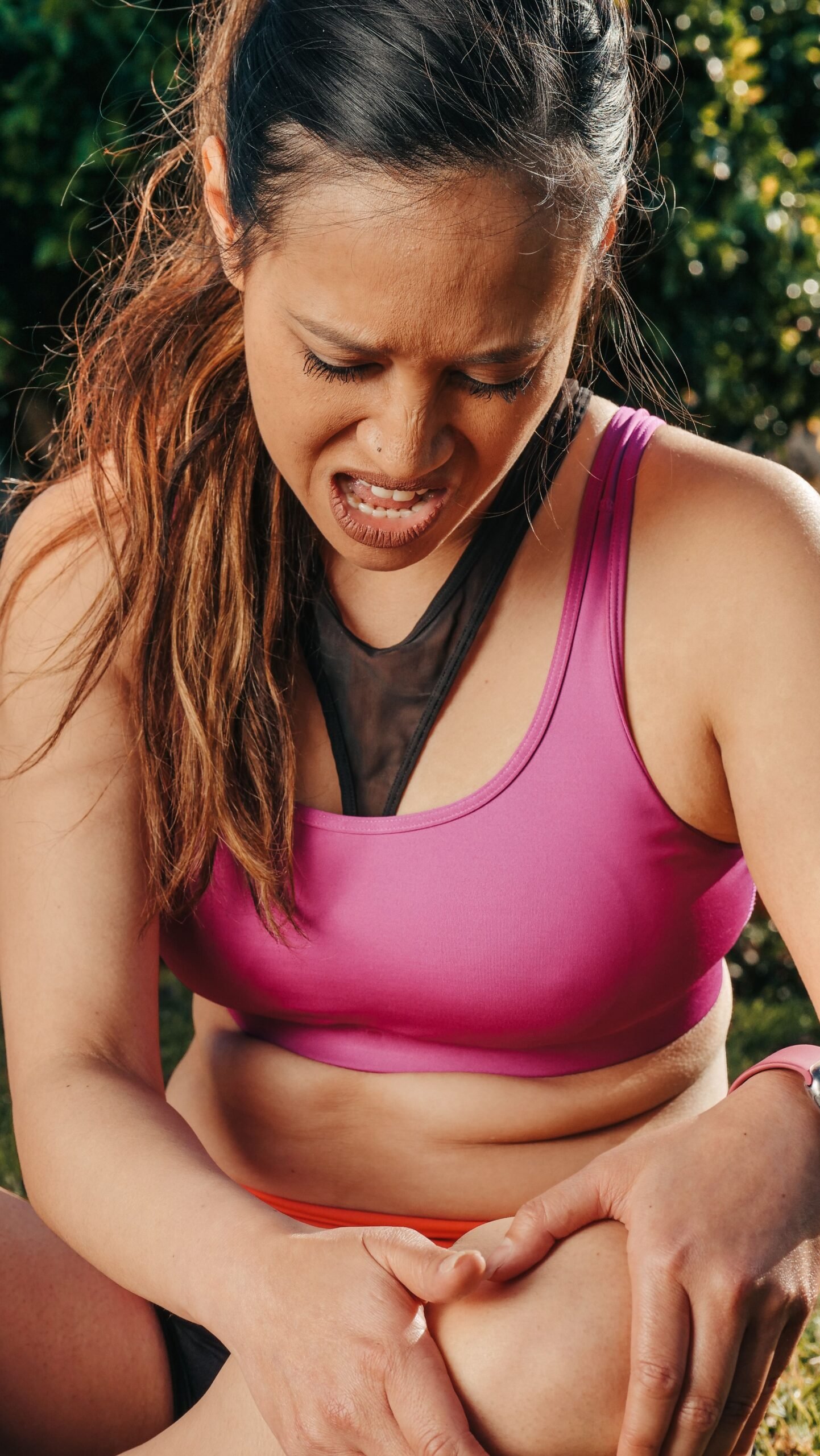
Swelling changes matter too. A doctor may have fitted your brace while your knee was swollen. Once that swelling goes down, extra space is left inside the brace. That leftover space is often the real reason a brace that fit well on day one starts sliding by week two.
How to Keep Knee Brace From Slipping Down
You can solve how to keep knee brace from slipping down with a short checklist of fixes. Start with the simplest change first. Add more only if the brace keeps sliding.
1. Confirm You Have the Right Size and Style
Ask your physical therapist to re-measure your leg. This matters most if any swelling has changed since your last fitting. A mild sprain often only needs a simple sleeve. A more serious injury calls for a larger, hinged brace with wider straps. Our knee brace comparison guide breaks down which style suits different injuries.
2. Position the Brace Correctly From the Start
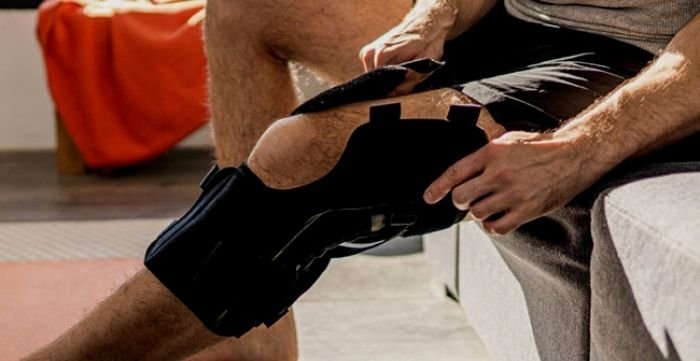
Roll your pant leg up above the injured area first. The brace should sit directly against bare skin, not against fabric. Slide the brace up your leg until the center opening lines up with your kneecap. If you use a wraparound style, place the padded section behind your knee first. Then wind the straps forward and secure them evenly on both sides.
3. Add an Anti-Slip Layer
Many braces already include a silicone strip along the top or bottom edge. If yours does not, adhesive bandage strips beneath the straps add real grip. They also avoid irritating healing skin. This small trick solves how to keep knee brace from slipping down for people whose skin is too sensitive for stronger adhesives.
4. Wear Compression Pants or a Base Layer
Compression pants reduce friction between your skin and the brace. Less friction means less twisting and sliding as you move. They also spread pressure more evenly around your leg. The straps then avoid digging into one specific spot during a long day.
5. Switch Brace Styles as You Progress Through Rehab
A rigid, restrictive brace makes sense in the first days after an injury. It can start slipping once your swelling drops and your motion improves. Ask your provider about a lighter, more flexible brace as recovery continues. A properly matched brace stays in place better than one built for an earlier healing stage.
Choosing Between a Sleeve, Wraparound, and Hinged Brace
The three most common styles handle slipping very differently. A compression sleeve pulls on like a sock and has no straps to loosen, so it rarely slides once sized correctly. A wraparound brace uses hook-and-loop straps that need regular readjustment, which makes fitting technique especially important. A hinged brace offers the most support after surgery or a serious ligament injury, but its rigid frame also makes slipping more noticeable when it happens.
Your injury type should guide the choice, not comfort alone. A sleeve suits mild swelling or general joint support during exercise. A wraparound brace suits moderate sprains that still need adjustable compression. A hinged brace suits ACL, MCL, or post-surgical recovery where side-to-side stability matters most. Ask your doctor which category fits your situation before buying a new brace on your own.
Body shape plays a role too. Athletes with well-developed thigh muscles often need a wider top opening than the standard sizing chart suggests, since a snug calf measurement paired with a much larger thigh measurement is exactly the shape that causes fast slipping. Bringing a tape measure of both areas to your fitting appointment helps your provider pick a size built for your actual leg shape rather than an average one.
Step-by-Step: Properly Positioning Your Knee Brace
Watch this quick demonstration of correct hinged-brace placement. Seeing the straps tightened in the right order makes the process easier to repeat at home.
Notice how the brace gets centered over the kneecap before any strap gets tightened. Secure the top strap first, then the bottom, then the middle. This order usually holds the brace in the most stable position throughout the day.
Best Practices for All-Day Wear
Check your brace position every hour or two during activity. This matters most during the first few weeks of a new prescription. A quick tug back into place takes only a few seconds. It prevents the brace from sliding far enough to become useless. Loosen the straps slightly before sitting for long periods, since a bent knee changes how the fabric sits against your leg.
Most doctors recommend wearing a supportive brace for six to twelve hours during active days, then removing it to let your skin breathe overnight. Long, unbroken wear time without any break tends to speed up slipping, since sweat and skin oils make fabric slicker over several hours. Short breaks every so often actually help the brace grip better once you put it back on.
If you are managing a broader recovery after an accident, a resource like our fitness program for recovering from a slip and fall injury can help you rebuild strength once your knee brace holds steady throughout the day.
When to Replace or Resize Your Brace
A brace that has stretched out will slip no matter how carefully you position it. The same goes for worn Velcro or flattened padding. According to the Cleveland Clinic, most knee braces need replacing every six months to a year with regular use. Replace yours sooner if the padding flattens or the straps stop gripping firmly. Ask your doctor whether a different size fits better if your weight or activity level has changed recently.
Common Mistakes That Cause Slipping
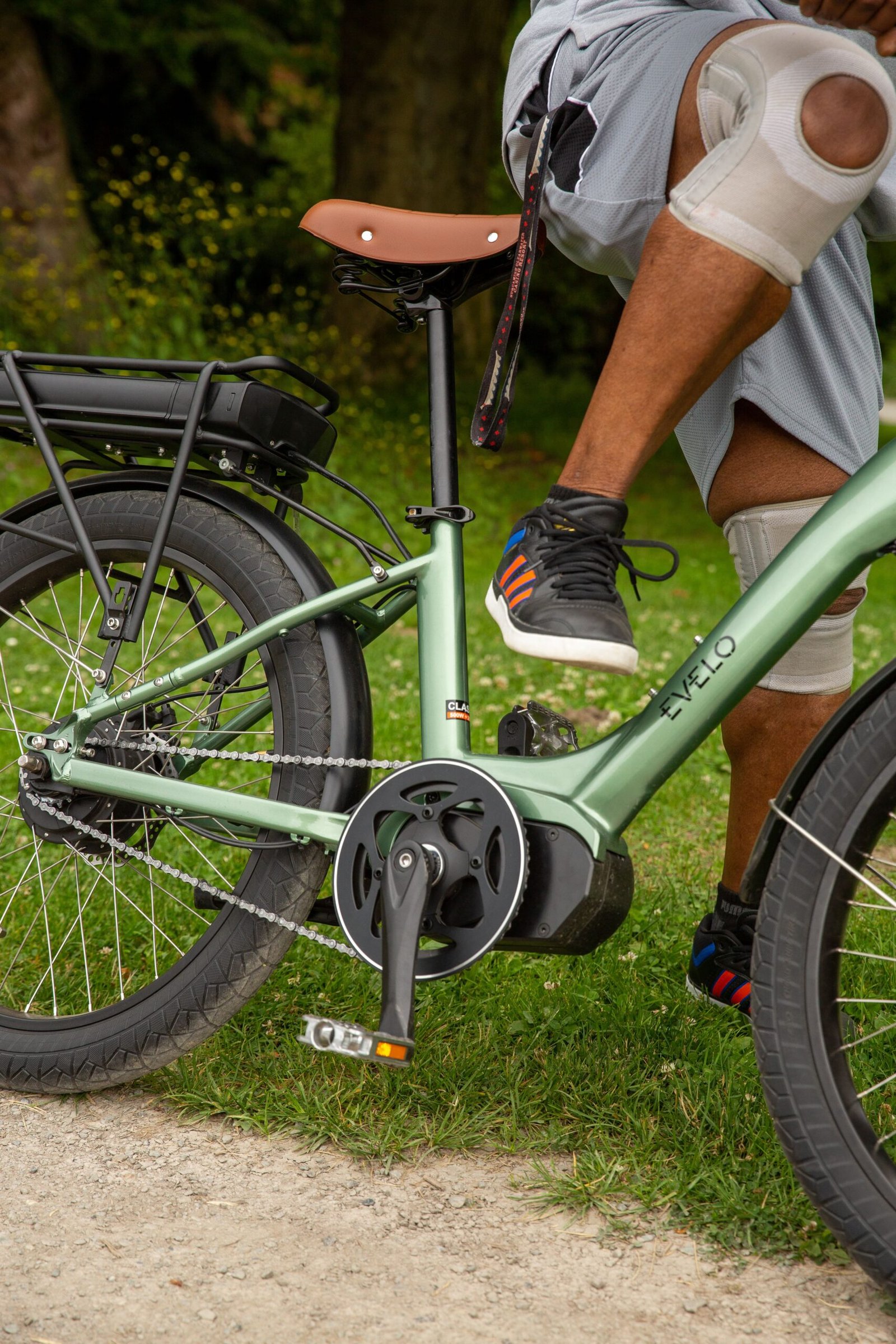
- Wearing the brace over thick clothing. Extra fabric between your skin and the brace reduces grip and adds bulk that shifts during movement.
- Leaving the straps too loose for comfort. A loose brace will not stay centered and defeats the purpose of wearing it.
- Skipping the doctor’s follow-up appointment. Swelling changes over time. An old fitting rarely matches your leg weeks later.
- Ignoring a stretched-out or aging brace. Worn elastic and flattened padding cannot hold a stable position anymore.
- Bending the knee too sharply during activity. Extreme flexion pulls the brace downward faster than normal movement.
Correcting these habits solves how to keep knee brace from slipping down for most people who struggle with it during recovery or daily activity.
Caring for Your Knee Brace’s Grip
Hand-wash the brace regularly according to the manufacturer’s instructions. Built-up sweat and lotion residue make silicone grip strips slicker over time. Let the brace air-dry completely before your next use. Avoid high heat from a dryer, since heat can warp the plastic supports and shrink the elastic. Inspect the anti-slip lining every few weeks. Consider a replacement once that lining feels smooth instead of tacky.
People managing multiple joint injuries at once often ask similar fit questions. Our guides on how long to wear a wrist brace for a sprain and how to wear a shoulder brace the right way cover comparable fitting principles for other joints. The Mayo Clinic Sports Medicine program notes that a properly fitted brace also plays a supporting role in managing ongoing knee arthritis symptoms, not just short-term injuries.
Frequently Asked Questions
Why does my knee brace only slip on one leg?
Leg shape varies from side to side. Swelling or muscle size differences can make one leg naturally harder to fit than the other. Try a slightly smaller size or an extra anti-slip strip on that leg.
Is it normal for a knee brace to move slightly during the day?
A small amount of movement is normal. The brace should stay roughly centered over your kneecap. Frequent, noticeable sliding toward your ankle means it needs a better fit.
Can I use tape to stop my knee brace from slipping?
Some people use athletic tape around the top edge for extra grip. Adhesive bandages under the straps are usually gentler on sensitive post-surgery skin.
Does a knee sleeve slip less than a hinged brace?
Sleeves often stay in place better, since they have no rigid hinges pulling on gravity. They also offer less support for serious injuries. The right choice depends on your specific diagnosis.
Should I size down if my brace keeps sliding down?
Sometimes, but sizing down without guidance can make the brace too tight. Ask your doctor or therapist before changing sizes on your own.
How tight should a knee brace be to prevent slipping?
Snug enough that you cannot slide more than one or two fingers under the straps. Never so tight that it restricts circulation or causes numbness.
Can a knee brace slip more in hot weather?
Yes. Sweat makes fabric and skin slicker, which speeds up slipping during summer months or intense workouts. A moisture-wicking base layer can help reduce this effect.
Does losing or gaining weight affect how well a knee brace stays in place?
Yes. A noticeable change in thigh or calf size often changes how a brace fits. If you have gained or lost weight recently, that shift alone can explain new slipping and is one of the first things to check before trying other fixes for how to keep knee brace from slipping down.
Bottom Line
Most people who struggle with how to keep knee brace from slipping down can solve the problem with a better fit. A fresh anti-slip strip or a quick resizing appointment often makes the biggest difference. Position the brace directly against your skin. Secure the straps in the right order, and check it periodically throughout the day. Pair these habits with your doctor’s recovery plan, and your brace will stay exactly where it needs to be to protect your knee.

Hi, I’m Mamon, the content creator behind this blog. I share my experience in blogging, WordPress, SEO, and affiliate marketing through honest product reviews, in-depth buying guides, and practical how-to articles. Every piece of content is thoroughly researched and written to help readers make informed decisions.
Leave a Reply