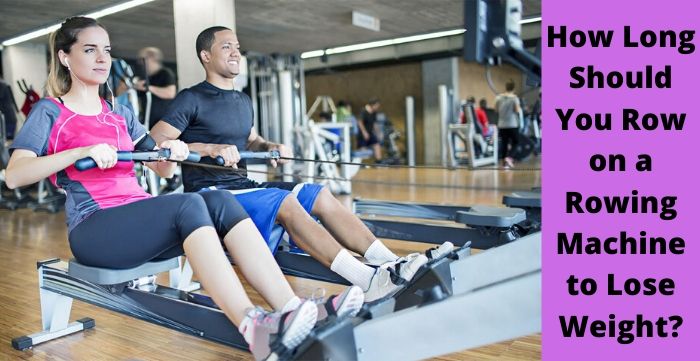
How long should you row on a rowing machine? For general fitness, 20 to 30 minutes is a solid target for most people. Beginners should start with 10 to 15 minutes while they build technique and endurance, and more experienced rowers can extend sessions to 30 to 60 minutes depending on whether they’re training for endurance, weight loss, or general health. There’s no single right answer, but there is a sensible range, and this guide breaks down exactly where you fit into it.
A rowing machine is one of the most effective full-body workout machines available, engaging your upper and lower body while mimicking the motion of on-water rowing. It’s a genuine aerobic exercise that supports weight loss and overall health, but getting the most from it means matching your session length to your fitness level, goals, and timeline. This guide covers exactly how to figure out the right duration for you, what the research says about calorie burn, and how to build up your time on the machine safely.
Key Takeaways
- Beginners should start with 10 to 15 minute sessions, 2 to 3 times a week, focusing on form before duration.
- 20 to 30 minutes, 3 to 5 times a week, is a reasonable target for weight loss once your technique is solid.
- According to Harvard Health, a person burns roughly 210 to 311 calories per 30 minutes of moderate rowing, depending on body weight, climbing to 255 to 377 calories at a vigorous pace.
- Session length matters less than consistency; proper form and regular practice beat occasional long sessions with poor technique.
A Quick Recap on How Rowing Machines Work
Rowing machines, also called ergometers or ergs, are designed to simulate the motion and resistance of rowing a boat on water. Modern machines track your stroke rate, distance, and pace, which makes it easy to structure workouts around time or distance goals. Because the exercise is low-impact, it’s widely used in both gyms and home workout setups, and it’s generally considered one of the safer cardio options for people concerned about joint stress.
How Long Should You Row, By Experience Level
The honest answer to how long should you row on a rowing machine depends heavily on where you’re starting from. Here’s a practical breakdown:
Beginners: 10 to 15 Minutes
If you’re new to rowing, keep sessions short, around 10 to 15 minutes, 2 to 3 times a week. The priority at this stage isn’t duration or calorie burn; it’s building correct technique so you don’t develop habits that limit your progress or strain your lower back later. Most beginners can comfortably work up to 20-minute sessions within a month of consistent practice.
Intermediate: 20 to 30 Minutes
Once your form feels natural and you can sustain a steady pace without excessive fatigue, 20 to 30 minute sessions, 3 to 5 times a week, are a reasonable target. This range is commonly cited as ideal for weight loss goals, since it’s long enough to produce a meaningful calorie burn without requiring an unrealistic time commitment.
Advanced: 30 to 60 Minutes
Experienced rowers building serious endurance, or training for a specific athletic goal, often extend sessions to 30 to 60 minutes, sometimes with varied intensity through intervals. If you’re rowing purely for general health rather than performance, you don’t need to reach this range. Thirty minutes at a moderate pace, or roughly 15 minutes at a vigorous pace, is generally enough for meaningful health benefits.
Factors That Determine Your Ideal Session Length
A few practical factors shape the real answer to how long should you row on a rowing machine for your own situation:
- Your workout goal. General fitness, weight loss, and athletic training call for different durations. Shorter sessions support overall health; longer sessions support endurance and performance goals.
- Your timeline. If you’re working toward a weight loss goal on a shorter timeline, you may need longer or more frequent sessions to reach the calorie deficit required. A more relaxed timeline allows for shorter, more sustainable sessions.
- Your pace and stroke rate. A higher stroke rate covers more distance and burns more calories per minute, meaning you can reach the same calorie target in less time if you’re rowing at a stronger pace, or you may need more time at an easier pace.
- Recovery capacity. Age, sleep quality, and overall stress levels affect how much rowing your body can handle per session. Listen to your body rather than forcing a fixed duration that leaves you feeling depleted.
What the Research Says About Rowing and Calorie Burn
According to Harvard Health, a person burns roughly 210 to 311 calories during 30 minutes of moderate rowing, depending on body weight, with heavier individuals burning more. At a vigorous pace, that climbs to roughly 255 to 377 calories in the same 30 minutes. Because a pound of body fat represents roughly 3,500 calories, that means consistent 30-minute sessions several times a week can meaningfully contribute to a calorie deficit over time, though the exact pace of weight loss depends on your diet as much as your rowing schedule.

It’s worth being realistic here: rowing alone, without attention to diet, is unlikely to produce fast weight loss. The CDC recommends adults get at least 150 minutes of moderate-intensity aerobic activity a week, which works out to roughly five 30-minute rowing sessions, and pairing that consistent activity with a calorie-appropriate diet is what actually drives weight loss, not the rowing machine in isolation.
Why Rowing Duration Matters Less Than Consistency
It’s tempting to assume longer sessions are always better, but the research and expert guidance consistently point the other way: proper technique and regular practice matter more than any single session’s length. A short, well-executed 15-minute session most days of the week will generally produce better results than an occasional 45-minute session with poor form, since poor form both increases injury risk and reduces how efficiently you’re actually working your muscles.
Rowing also offers benefits beyond calorie burn that don’t require long sessions to access. It’s a full-body workout that engages your legs, core, back, and arms in every stroke, and its low-impact nature means shorter recovery times compared to higher-impact cardio like running. That combination makes it realistic to fit into a busy schedule without sacrificing effectiveness.
A Sample Weekly Rowing Schedule
Putting the guidance above into a concrete plan can make it easier to actually follow. Here’s a reasonable progression over a few weeks:
- Weeks 1 to 2: 10 to 15 minutes, 2 to 3 times a week, at an easy pace. Focus entirely on form: catch, drive, finish, recovery, and correct legs-body-arms sequencing.
- Weeks 3 to 4: 15 to 20 minutes, 3 times a week. Once technique feels natural, you can hold a slightly higher stroke rate for longer stretches.
- Weeks 5 and beyond: 20 to 30 minutes, 3 to 5 times a week, mixing steady-pace sessions with one slightly more intense session weekly. This is a sustainable range for most people pursuing general fitness or weight loss.
From here, whether you extend toward 30 to 60 minute sessions depends on whether you’re chasing a specific athletic or endurance goal, or whether the 20 to 30 minute range already meets your fitness needs. There’s no requirement to keep extending duration indefinitely; many people maintain excellent fitness on 20 to 30 minute sessions for years.
Additional Benefits Worth Factoring Into Your Duration
Beyond calorie burn, a few other benefits are worth considering when you’re deciding how long should you row on a rowing machine for your own routine:
- Full-body engagement. Because rowing works your legs, core, back, and arms in a single motion, even shorter sessions deliver more comprehensive muscle engagement than an equivalent amount of time on a machine that isolates one area, like a stationary bike.
- Posture improvement. The pulling motion strengthens your back and core muscles, which can help counteract the forward-hunched posture that builds up from long hours at a desk. This benefit accumulates with consistent practice more than with any single long session.
- A joint-friendly alternative to running or the elliptical. If you’re comparing cardio machines, rowing offers a comparable cardiovascular workout with less repetitive joint stress, which matters if you’re trying to sustain a consistent routine over months rather than weeks.
- Mental health benefits. Regular aerobic exercise, including rowing, is associated with mood improvements and reduced stress, benefits that show up with consistent shorter sessions just as reliably as with longer ones.
Who Should Be Cautious
Rowing is generally safe for most healthy adults, but a few groups should check with a doctor first or ease in carefully:
- Anyone with an existing lower back injury or chronic lower back pain
- People with uncontrolled cardiovascular disease or a recent heart event
- Anyone recovering from recent abdominal, back, or joint surgery
- Pregnant women, who should get specific guidance from their provider on safe intensity and duration
Frequently Asked Questions
How long should a beginner row on a rowing machine?
Start with 10 to 15 minutes, 2 to 3 times a week, prioritizing form over duration. You can typically build up to 20-minute sessions within a month.
Is 20 minutes of rowing a day enough?
Yes, for general health and fitness, 20 minutes a day is a solid amount, particularly at moderate to vigorous intensity. For faster weight loss, some people extend to 30 to 45 minutes.
How long should I row to lose weight?
20 to 30 minutes, 3 to 5 times a week, is a commonly recommended range for weight loss, paired with attention to diet. For more detail on rowing technique and structured workouts, see our guide to using a rowing machine to lose weight.
Is it better to row longer at a slower pace or shorter at a faster pace?
Both can work. A higher stroke rate burns more calories per minute, so you can reach a similar calorie target in less time at a faster pace, or take longer at an easier, more sustainable pace. Choose whichever you can maintain consistently with good form.
Can I row every day?
Many people row most days without issue once their form is solid, but beginners should include rest days between sessions while their body adapts to the new movement pattern.
Conclusion
So, how long should you row on a rowing machine? It depends on your experience level, your goals, and your timeline, but the ranges are consistent: 10 to 15 minutes for beginners, 20 to 30 minutes for general fitness and weight loss, and 30 to 60 minutes for endurance or performance training. Whatever duration you land on, prioritize proper form and regular practice over pushing for a longer session before you’re ready. For more on getting started with technique and building a workout routine, see our guide to using a rowing machine to lose weight, or browse our full rowing machines category for more guides.

Hi, I’m Mamon, the content creator behind this blog. I share my experience in blogging, WordPress, SEO, and affiliate marketing through honest product reviews, in-depth buying guides, and practical how-to articles. Every piece of content is thoroughly researched and written to help readers make informed decisions.
Leave a Reply