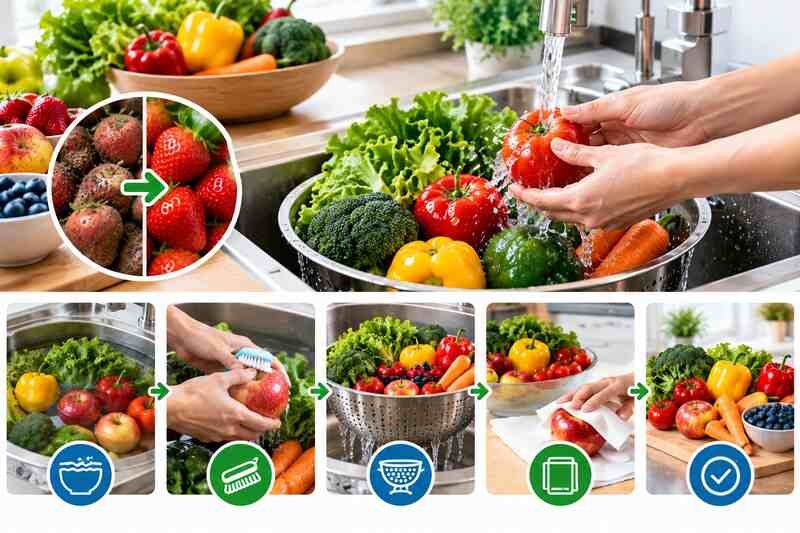
Keeping your family safe from harmful pesticides starts in your kitchen. It’s important to know how to wash fruits and vegetables to remove pesticides properly. Soft produce like strawberries and spinach tends to carry more pesticide residue than harder-skinned items like avocados or onions. Learning how to wash fruits and vegetables to remove pesticides the right way helps keep your food safer. It can also meaningfully lower your family’s everyday exposure to chemical residue.
Farmers in the U.S. rely on a range of synthetic pesticides to protect crops from insects, weeds, and disease. Residue from these chemicals can remain on produce even after it reaches your kitchen. That’s why learning how to wash fruits and vegetables to remove pesticides well is one of the simplest, most effective steps any household can take.
No washing method removes pesticide residue completely. Research consistently shows, however, that the right technique can meaningfully reduce what’s left on your food when applied consistently. Below, we’ll walk through what the science actually says about the most effective methods. We’ll also cover a few common mistakes worth avoiding.
Key Takeaways
- Soft fruits and vegetables, especially berries and leafy greens, tend to carry more pesticide residue than firm, thick-skinned produce
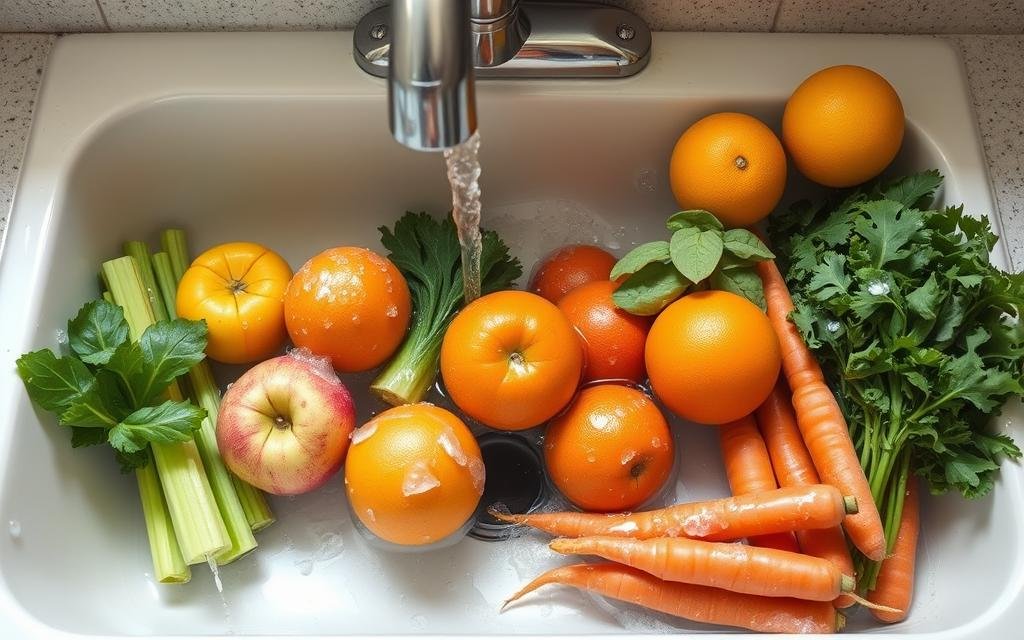
- Plain running water for about 30 seconds, with light rubbing, is the FDA’s baseline recommendation for everyday washing
- A baking soda (sodium bicarbonate) soak has outperformed plain water and bleach in controlled research on surface residue
- No washing method removes pesticide residue completely, since a portion can absorb into the produce itself
- Organic produce still needs thorough washing for dirt and bacteria, even though it’s grown without synthetic pesticides
Understanding Pesticides and Their Impact on Produce
Pesticides play an important role in modern farming. They help protect crops from insects, weeds, fungus, and disease so that food stays affordable and available year-round. But residue from these chemicals can remain on the surface of fruits and vegetables. In some cases it can absorb slightly into the skin by the time produce reaches your kitchen.
When you eat fruits and vegetables without washing them properly, you may be exposed to trace amounts of these residues. Understanding what you’re dealing with makes it easier to choose cleaning methods that actually work. That’s more useful than picking methods that just sound thorough.
Common Types of Pesticides in Agriculture
Farmers use various pesticides to protect crops. These chemicals fall into several main categories:
- Herbicides: Targeting unwanted plants
- Fungicides: Preventing fungal growth
- Insecticides: Controlling insect populations
- Bactericides: Eliminating harmful bacteria
How the EPA Regulates Pesticide Residue
Before any pesticide can be used on a food crop in the U.S., the EPA sets a legal residue limit for that chemical on that specific crop. This limit is called a tolerance.
The EPA states it must find “reasonable certainty of no harm” before approving a pesticide’s use on food. It also builds in an extra tenfold safety margin specifically to account for children’s greater sensitivity.
Even so, legal doesn’t mean absent. Many health-conscious households still prefer to reduce their exposure further through washing. That’s true regardless of whether residue levels fall within regulatory limits. Glyphosate and chlorpyrifos are two commonly discussed examples of pesticides that draw ongoing scientific and regulatory scrutiny.
Which Produce Carries the Most Pesticide Residue
Every year, the Environmental Working Group tests thousands of produce samples through its Shopper’s Guide to Pesticides in Produce. It then publishes two lists. The “Dirty Dozen” covers the items with the most pesticide residue, and the “Clean Fifteen” covers the items with the least.
| Dirty Dozen (highest residue) | Clean Fifteen (lowest residue) |
|---|---|
| Spinach | Pineapple |
| Kale, collard and mustard greens | Sweet corn |
| Strawberries | Avocados |
| Grapes | Papaya |
| Nectarines, peaches, and cherries | Onions and asparagus |
| Apples and pears | Cabbage and watermelon |
| Blackberries and blueberries | Mangoes, bananas, and carrots |
| Potatoes | Kiwi |
You can see the full, current rankings on EWG’s Shopper’s Guide to Pesticides in Produce. If a fruit or vegetable from the Dirty Dozen list is a household staple for your family, that’s exactly where a more thorough wash pays off most. It’s also where choosing the organic version may be worth the extra cost.
How to Wash Fruits and Vegetables to Remove Pesticides
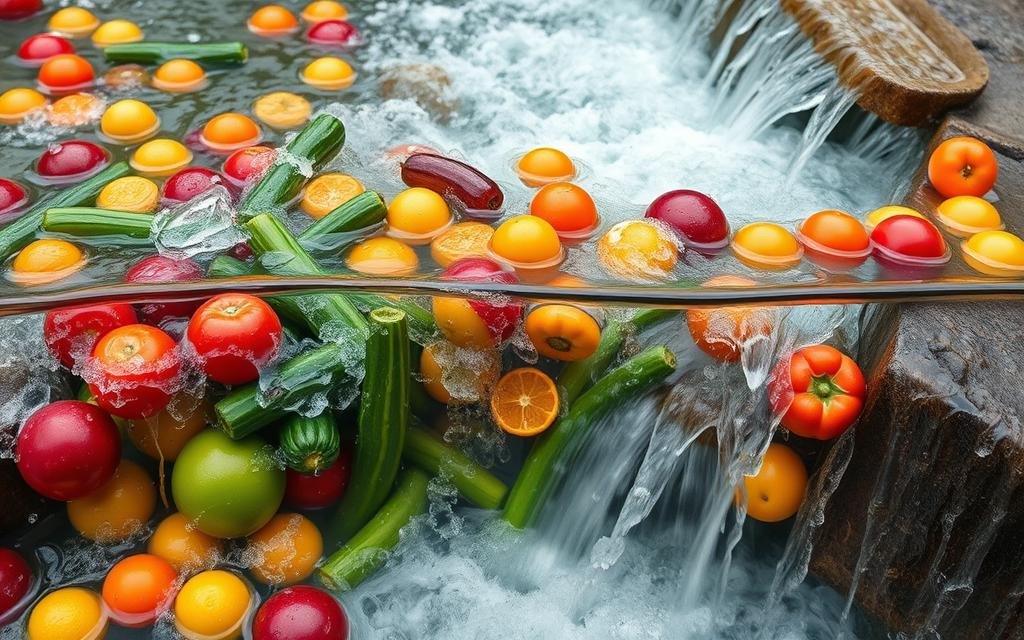
Once you know which produce needs the most attention, the next question is which washing method actually works. This is where the science gets specific. It’s also where a lot of common advice falls short.
Basic Water Washing: The FDA’s Recommended Baseline
Here are the FDA’s core steps for washing produce at home:
- Rinse under cool, running water for at least 20-30 seconds
- Use a clean produce brush for firm fruits and vegetables like melons and cucumbers
- Gently rub produce with your hands while rinsing
- Pat dry with a clean paper towel or cloth, which can further reduce bacteria
The FDA’s own guidance notes there’s no need for soap or a commercial produce wash. Plain running water, combined with light rubbing or a produce brush, is enough for most fruits and vegetables in everyday use.
What the Research Says About Baking Soda
Plain water is a solid baseline. But food scientists at the University of Massachusetts Amherst wanted to know whether other common household methods did any better. In a study published in the Journal of Agricultural and Food Chemistry, researchers compared three methods on apples: a baking soda (sodium bicarbonate) solution, plain tap water, and a diluted bleach solution.
The baking soda soak was applied for 15 minutes and followed by a rinse. It removed essentially all of the surface pesticide residue the researchers tested for, more than either tap water or the bleach solution managed. That said, the study also found something worth noting. Roughly a fifth of one fungicide, and a small amount of an insecticide, had already absorbed into the apple peel. Neither could be removed by any washing method tested. That’s a useful reminder that washing reduces exposure rather than eliminating it entirely.
To try this at home, dissolve about 1 teaspoon of baking soda in 2 cups of water. Soak firm produce for 12-15 minutes, then rinse well under running water. Vinegar solutions are also commonly recommended online, but they haven’t been studied as rigorously as baking soda for this specific purpose. It’s fair to treat vinegar as a reasonable extra step rather than a scientifically proven one.
Cleaning Methods Compared
| Method | How to Use It | What We Know |
|---|---|---|
| Plain running water | Rinse 20-30 seconds, rub gently | The FDA’s standard recommendation; sufficient for most everyday use |
| Baking soda soak | 1 tsp per 2 cups water, soak 12-15 min | Outperformed tap water and bleach for surface residue in peer-reviewed research |
| Vinegar soak | 1 part vinegar to 4 parts water | Commonly recommended, but not as rigorously studied for pesticide removal specifically |
| Produce brush | Scrub firm-skinned items under running water | Recommended by the FDA for melons, cucumbers, and similar produce |
Cleaning Tips by Produce Type
Knowing how to wash fruits and vegetables to remove pesticides isn’t a one-size-fits-all process. Different fruits and veggies need different care. Leafy greens need gentle handling, root vegetables can take a good scrub, and berries need a light touch to avoid bruising.
1. Leafy Greens (Spinach, Kale):
- Soak in cold water with baking soda for 12-15 minutes
- Gently separate leaves to remove trapped pesticides and dirt
- Rinse thoroughly under running water
2. Berries (Strawberries, Grapes):
- Rinse gently under cool running water just before eating
- Avoid soaking for long periods, which can cause bruising and speed up spoilage
- Pat dry with clean paper towels
3. Root Vegetables (Carrots, Potatoes):
- Scrub with a soft brush under running water
- Remove visible dirt and potential pesticide residue before cooking
- Peel if you want an extra layer of cleaning, though some nutrients live close to the skin
4. Melons, Squash, and Thick-Skinned Produce:
- Scrub the rind even if you don’t plan to eat it
- A knife can drag surface residue from the peel into the flesh as you cut, so wash first
- A quick baking soda rinse works well here too, since these items can handle it without bruising
5. Herbs (Basil, Cilantro, Parsley):
- Swish gently in a bowl of cool water instead of running water, which can bruise delicate leaves
- Shake or spin dry, then store loosely wrapped to keep leaves fresh
Timing matters too. Always wash produce just before you plan to eat or cook it, rather than right after grocery shopping. Excess moisture stored in the fridge can encourage spoilage and bacterial growth.
Don’t Skip Washing Organic Produce
It’s a common assumption that organic fruits and vegetables don’t need washing, since they’re grown without synthetic pesticides. That’s not quite right. Organic farms can still use approved natural pesticides, and produce of any kind picks up dirt, handling residue, and bacteria on its way from the field to your kitchen. Wash organic produce the same way you’d wash conventional produce, using plain running water and a gentle scrub where it makes sense.
Should You Use a Commercial Produce Wash?
Grocery store shelves carry plenty of dedicated produce washes and countertop cleaning gadgets. It’s fair to wonder whether they’re worth the extra cost, especially once you already know how to wash fruits and vegetables to remove pesticides using ingredients you likely have at home. The FDA doesn’t consider them necessary, since plain water performs about as well for most household needs. That doesn’t mean every product on the market is useless, though. Some households simply prefer the routine of a dedicated wash, or want extra reassurance beyond a water rinse.
If you’re weighing whether a specific bottled wash lives up to its claims, our review of whether Trader Joe’s Fruit and Vegetable Wash is safe to use breaks down what’s actually in it. And if you’re considering a produce-cleaning gadget rather than a spray or soak, our fruit and vegetable cleaner buyer’s guide compares several popular options. That way you’re not guessing at checkout.
What Not to Use When Cleaning Fruits and Vegetables
Cleaning your produce safely is just as much about what to avoid as what to do. Some cleaning methods can do more harm than good.
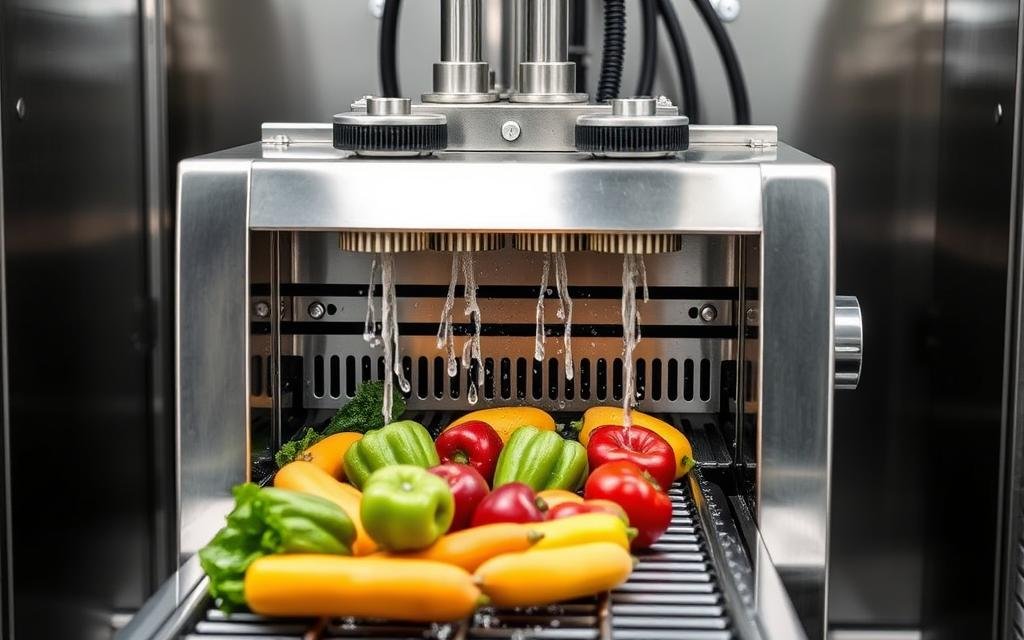
Common Cleaning Mistakes to Avoid
When you’re ready to clean your produce, avoid these steps:
- Using dish soap or detergent directly on fruits and vegetables
- Applying bleach-based solutions at full strength
- Soaking produce in undiluted chemical cleaning agents
- Assuming a store-bought “fruit and vegetable cleaner” replaces basic rinsing and scrubbing
Why Soap and Detergent Are a Bad Idea
| Cleaning Agent | Why the FDA Advises Against It |
|---|---|
| Dish Soap | Not designed for food contact; can leave residue behind and alter taste |
| Household Detergents | May introduce chemicals that produce isn’t meant to absorb |
| Undiluted Bleach | Can be harmful if ingested and isn’t necessary for typical home use |
Produce is porous enough that soap and detergent can seep into the skin rather than rinsing cleanly away. That’s exactly the opposite of what you’re trying to accomplish. Sticking to water, and occasionally a baking soda soak for produce from the Dirty Dozen list, keeps things simple. It also avoids introducing new chemicals to replace the ones you’re washing off.
Conclusion
Learning how to wash fruits and vegetables to remove pesticides doesn’t require special equipment or expensive products. For most everyday produce, rinsing thoroughly under running water while gently rubbing the surface, as the FDA recommends, gets the job done. For produce from the EWG’s Dirty Dozen list, or whenever you want extra peace of mind, a 12-15 minute baking soda soak is worth the extra step. It has real research behind it showing it outperforms plain water and bleach at removing surface residue.
No single method removes every trace of pesticide, since some residue can absorb below the surface where washing can’t reach it. But a few habits together add up to a meaningfully lower exposure over time: washing consistently, choosing organic for the produce that tends to carry the most residue, and occasionally peeling thick-skinned vegetables. Spending an extra minute or two on food prep is a small trade-off for a healthier plate.
Your family’s food safety routine doesn’t need to be complicated. Keep a box of baking soda near the sink, rinse everything under running water as a baseline, and reach for the extra soak when it’s worth it. Knowing how to wash fruits and vegetables to remove pesticides really is that simple once it becomes a habit.

Hi, I’m Mamon, the content creator behind this blog. I share my experience in blogging, WordPress, SEO, and affiliate marketing through honest product reviews, in-depth buying guides, and practical how-to articles. Every piece of content is thoroughly researched and written to help readers make informed decisions.
Leave a Reply