
Search for “the AICAR peptide and insulin sensitivity” and you’ll find a compound that keeps showing up in metabolic research. It appears in cardiology journals too, and even in anti-doping rulebooks. AICAR isn’t technically a peptide. It’s a nucleotide analog, built from a ribose sugar, a phosphate group, and an adenine base. Chemically, it sits close to adenosine monophosphate (AMP). Researchers group it with peptides and other investigational compounds mostly out of habit, since it’s sold and studied the same way.
What AICAR actually does is activate AMP-activated protein kinase (AMPK). AMPK is an enzyme that acts like a fuel gauge inside cells. Switch it on, and cells behave as though they’re low on energy. They start pulling in more glucose, burning more fat, and dialing back fat storage. That single mechanism explains why AICAR shows up in research on insulin sensitivity, heart attacks, and liver disease alike. This guide covers the actual research, not marketing claims. It ends with the legal reality anyone searching for this compound needs to know.
What Is AICAR, Exactly?
AICAR, short for 5-aminoimidazole-4-carboxamide ribonucleotide, sits one step upstream of AMP in the body’s energy-signaling pathway. Cells convert it into an AMP-mimicking molecule. That molecule binds AMPK and switches the enzyme on, even when actual cellular energy stores haven’t dropped. That’s what makes it a useful laboratory tool. Scientists can flip on AMPK activity on demand, without waiting for a cell to run low on fuel, then watch what happens downstream.
In practice, “AICAR” in the scientific literature usually refers to the compound itself or its prodrug form, acadesine, which converts to AICAR once inside cells. Acadesine has the longer research history. Drug companies studied it for decades, first for heart surgery and later for other uses, before most development programs quietly ended. That history matters. It means AICAR’s effects have actually been tested in real clinical trials, not just petri dishes, which is more scrutiny than most compounds marketed online ever receive.
AMPK itself, the enzyme AICAR targets, is far from an obscure lab curiosity. It’s one of the most-studied energy sensors in cell biology. It stays active in muscle, liver, fat tissue, and even parts of the brain that regulate appetite. A compound that switches it on directly, rather than waiting for a cell to run genuinely low on fuel, is useful to researchers for a simple reason. It lets them isolate AMPK’s effects from everything else happening during real exercise or real calorie restriction.
How AICAR May Influence Insulin Sensitivity

Exercise is one of the most reliable ways to improve insulin sensitivity, and researchers have long wanted to know why. Part of the answer traces back to AMPK. A 2002 study used AICAR on isolated rat muscle as a stand-in for exercise. Glucose uptake in response to a low insulin dose roughly doubled. That effect was similar in size to a two-hour swim or ten minutes of electrical muscle stimulation in the same tissue (Fisher et al., American Journal of Physiology, 2002). Blocking protein synthesis didn’t stop the effect. Insulin’s usual signaling steps through PI3K and Akt didn’t change either, which told the researchers AMPK was working through a separate route to make muscle more insulin-responsive.
A more recent mouse study went further. It showed AMPK isn’t just correlated with better insulin sensitivity, but required for it. Mice given AICAR beforehand showed sharper insulin-stimulated glucose uptake in skeletal muscle. Mice bred with reduced AMPK activity in muscle didn’t get the same benefit, even at the same AICAR dose (Kjøbsted et al., Diabetes, 2015). The researchers also tracked a protein called TBC1D4, which helps shuttle glucose transporters to the cell surface. Its activity tracked closely with how much glucose the muscle absorbed. Separately, AICAR’s parent compound raises nitric oxide output from blood vessel linings. Nitric oxide helps control how much blood, and therefore glucose, reaches working muscle in the first place, adding a vascular angle to the same AMPK story.
None of this makes AICAR a substitute for the real thing. If raising insulin sensitivity is the actual goal, the evidence overwhelmingly favors doing it the boring way: move more. Regular treadmill walking activates this same AMPK pathway. It does so with none of the legal or safety questions that come with an unapproved research compound.
Beyond Insulin Sensitivity: AICAR in Organ-Protection Research
Insulin sensitivity is just one branch of AICAR research. AMPK activation affects how cells handle stress and energy shortfalls broadly, so scientists have also tested AICAR in organs that suffer during surgery, heart attacks, and chronic disease.
Heart Tissue and Ischemia-Reperfusion Injury
When blood flow to heart tissue is cut off and then restored, as happens during a heart attack or bypass surgery, the restoration itself causes extra damage. Doctors call this reperfusion injury. Researchers have tested whether activating AMPK beforehand can blunt that damage. In one rat heart study, researchers briefly stretched the heart muscle before a period of induced ischemia. Infarct size fell from roughly 41.6 percent of the at-risk tissue down to 8.6 percent. AICAR alone, without any mechanical stretching, produced a similar benefit: infarct size fell to about 15 percent (Hao et al., Korean Journal of Physiology & Pharmacology, 2010). That told the researchers AMPK activation was doing most of the protective work. Blocking AMPK chemically erased the protection almost entirely.
Acadesine and Cardiac Surgery Trials
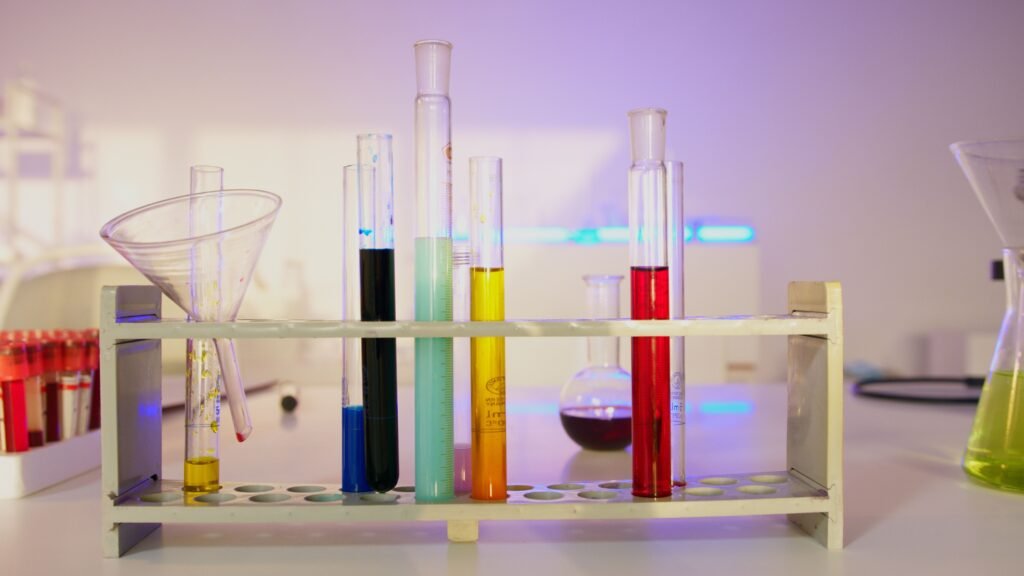
This is where AICAR research moved out of animal labs and into actual patients. Acadesine, AICAR’s prodrug, was tested in human coronary artery bypass graft (CABG) surgery starting in the 1980s. A 1997 meta-analysis pooled five international randomized trials. It reported fewer heart attacks and lower early mortality in patients who received the drug during surgery. That early promise led a company called PeriCor Therapeutics, and later Schering-Plough, to develop it further.
The story didn’t end well. A large phase III trial aimed to confirm those earlier results in a bigger, more rigorous setting. It was stopped in late 2010, after an independent safety board found a low probability it would meet its goal. Merck, which had acquired Schering-Plough by then, ended the program entirely. It’s a useful reminder: promising early data, even from legitimate randomized trials, doesn’t always hold up once a drug reaches the scale needed for approval. One more detail worth knowing: the World Anti-Doping Agency added acadesine to its list of prohibited substances in 2009. That’s years before the CABG program’s final failure, and a sign regulators took its performance effects seriously enough to ban it from competitive sport (Wikipedia, “Acadesine”).
Liver and Alcohol-Related Fatty Liver
AICAR’s organ-protective research extends to the liver, too. In a 2005 rat study, animals fed an ethanol liquid diet for six weeks developed fatty liver. Tissue biopsy and blood chemistry both confirmed it. Rats that also received AICAR injections during the final three weeks of that same ethanol diet developed noticeably less fatty buildup. The researchers traced part of the effect to two proteins AICAR lowered: SREBP-1c and fatty acid synthase, both involved in making new fat in the liver. They also found fewer markers of oxidative damage in the AICAR-treated livers (Alcoholism: Clinical and Experimental Research, 2005). The study only looked at rats. No human trial has followed up on these findings.
Checking Blood Sugar While This Research Continues
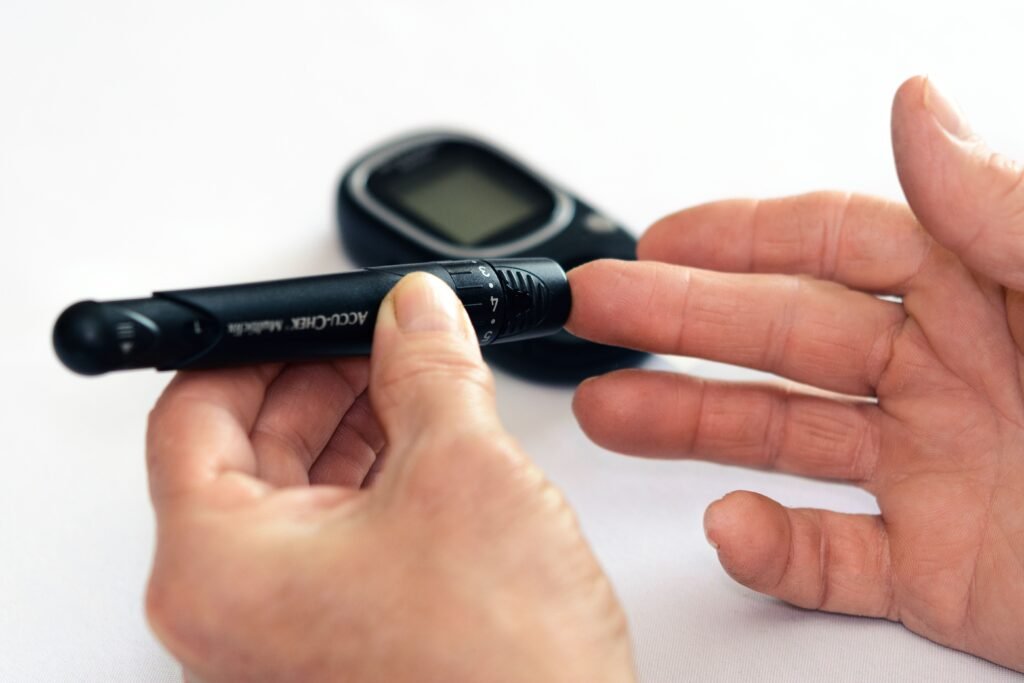
None of the studies above tested AICAR in humans for insulin sensitivity specifically. That means there’s no dosing data and no safety profile. It also means no blood sugar monitoring protocol exists that applies to a person, rather than a mouse or an isolated muscle sample. Anyone managing their own blood sugar, whether from prediabetes, insulin resistance, or a diagnosed condition, should rely on tools with an actual track record instead. That means a home glucometer, regular A1C testing with a doctor, and the lifestyle changes already backed by human trials, like diet adjustments and consistent exercise. Our guide to supplements for overall health and energy covers some of the better-studied, legally available options people use alongside those changes.
Current Legal and Regulatory Status
This is the part that matters most for anyone who found this page while shopping rather than studying. AICAR has never been approved by the FDA, or any equivalent regulator, for human or animal use. It is sold exclusively as a laboratory research compound. Every legitimate seller states this explicitly. Not for human or animal ingestion. Not evaluated for safety or efficacy outside controlled lab conditions. Restricted to in-vitro or in-lab research use only. Introducing it into a living body outside an approved clinical trial isn’t a gray area. It’s not legal, and no legitimate research supplier condones it.
Only degree-holding researchers and working scientists affiliated with academic or scientific institutions have any legitimate reason to purchase AICAR, and only for laboratory use. Licensed professionals conducting genuine clinical or pre-clinical research can find it through specialized suppliers such as this website. That’s a resource for scientists, not a shopping recommendation for the general public. Nothing on this page should be read as encouragement to use it otherwise.
AICAR vs. Metformin: Why One Is Legal and the Other Isn’t
It helps to compare AICAR with a drug that reaches the same enzyme by a different, approved route. Metformin is the first-line medication for type 2 diabetes. It doesn’t bind AMPK directly the way AICAR does, but a meaningful share of its glucose-lowering effect is thought to run through that same AMPK pathway. The difference is approval history: metformin went through full clinical development, decades of real-world prescribing, and ongoing safety monitoring before regulators signed off on it. AICAR never completed that process for any human use, insulin sensitivity included. Even in the one disease area where it got closest, cardiac surgery, it ended in a halted phase III trial rather than an approval. Same enzyme, two very different regulatory outcomes. Only one of them is something a doctor can actually prescribe.
Who Should Never Use AICAR Outside Approved Research
Given everything above, a few groups deserve a direct warning. Athletes should know that acadesine is a banned substance under WADA rules. Using it carries the same consequences as any other prohibited performance enhancer, on top of the legal and safety issues already described. People managing diabetes, prediabetes, or any condition affecting insulin sensitivity shouldn’t substitute an unapproved research chemical for medical care. Talk to an endocrinologist or primary care doctor instead, about treatments that have actually been tested in humans. And anyone who is pregnant, immunocompromised, or managing a serious illness should treat every research-only compound, AICAR included, as off-limits. None of these substances have been evaluated for safety in those situations, in anyone.
Conclusion: Real Research, Not a Shortcut
AICAR is a genuinely interesting research tool. It has helped scientists understand how AMPK activation affects insulin sensitivity, how cells survive oxygen deprivation, and how the liver responds to chronic alcohol exposure. That’s real, peer-reviewed science, worth knowing about if metabolic research interests you.
It is not, however, a consumer product, a supplement, or a shortcut to better blood sugar control. The gap between “AMPK activation improves insulin sensitivity in mouse muscle” and “a specific compound is safe and effective for a human being to take” is enormous. AICAR hasn’t crossed it. If your actual goal is better insulin sensitivity, walking, dietary changes, and better sleep habits will get you there instead. Those are already shown to work in humans, with no legal risk and a known safety record. Save AICAR for the people whose job is studying it in a lab.
More investigation is required to explore AICAR’s potential in scientific research, and these studies must continue. Only academic and scientific institutions are permitted to use AICAR for research purposes.
Please note that none of the compounds mentioned on this page are approved for human or animal ingestion. Laboratory research compounds are intended strictly for in-vitro and in-lab use. Any form of physical introduction into a human or animal body is both unapproved and illegal outside a registered clinical trial. Only authorized professionals and working scientists affiliated with legitimate research institutions should purchase these materials. The content of this article is intended solely for educational purposes. It does not constitute medical advice or encouragement to acquire, possess, or use any research chemical.

Hi, I’m Mamon, the content creator behind this blog. I share my experience in blogging, WordPress, SEO, and affiliate marketing through honest product reviews, in-depth buying guides, and practical how-to articles. Every piece of content is thoroughly researched and written to help readers make informed decisions.
Leave a Reply