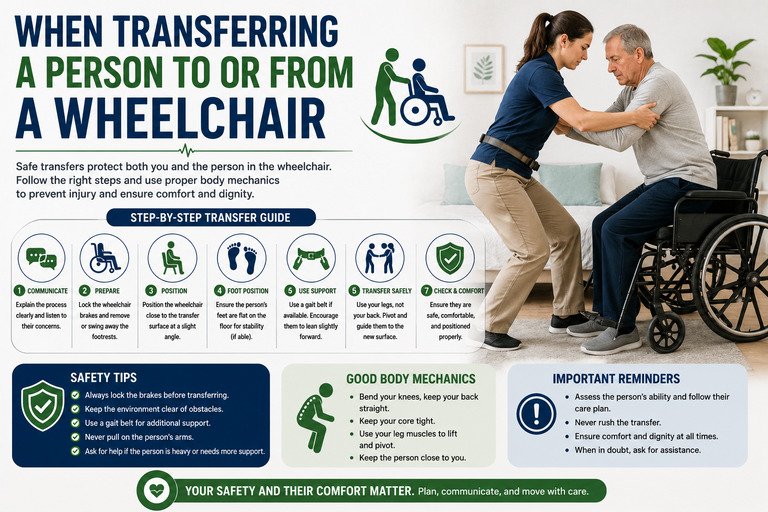
Knowing what to do when transferring a person to or from the wheelchair is one of the most important skills any caregiver can learn. A wheelchair transfer that goes wrong can injure both the caregiver and the person being moved. U.S. caregivers, whether family members or professionals, benefit from a clear, practiced routine every single time. This guide covers the safety steps, the tools that make transfers easier, and the mistakes to avoid.
Key Takeaways
- Always lock the wheelchair wheels and position it close before starting a transfer.
- Use the person’s stronger side whenever possible to make the move easier.
- Lift with your legs and arms, never your back, to avoid caregiver injury.
- Tools like transfer boards and gait belts reduce strain for both people.
- Get help for anyone who is heavy, weak, or unpredictable during movement.
What Is a Wheelchair Transfer?
A wheelchair transfer means moving someone into or out of a wheelchair safely. It might be a move from a bed, a car seat, a toilet, or a regular chair. Some transfers only need your hands and proper technique. Others call for tools like a sliding board, a gait belt, or a mechanical lift to keep both people safe.
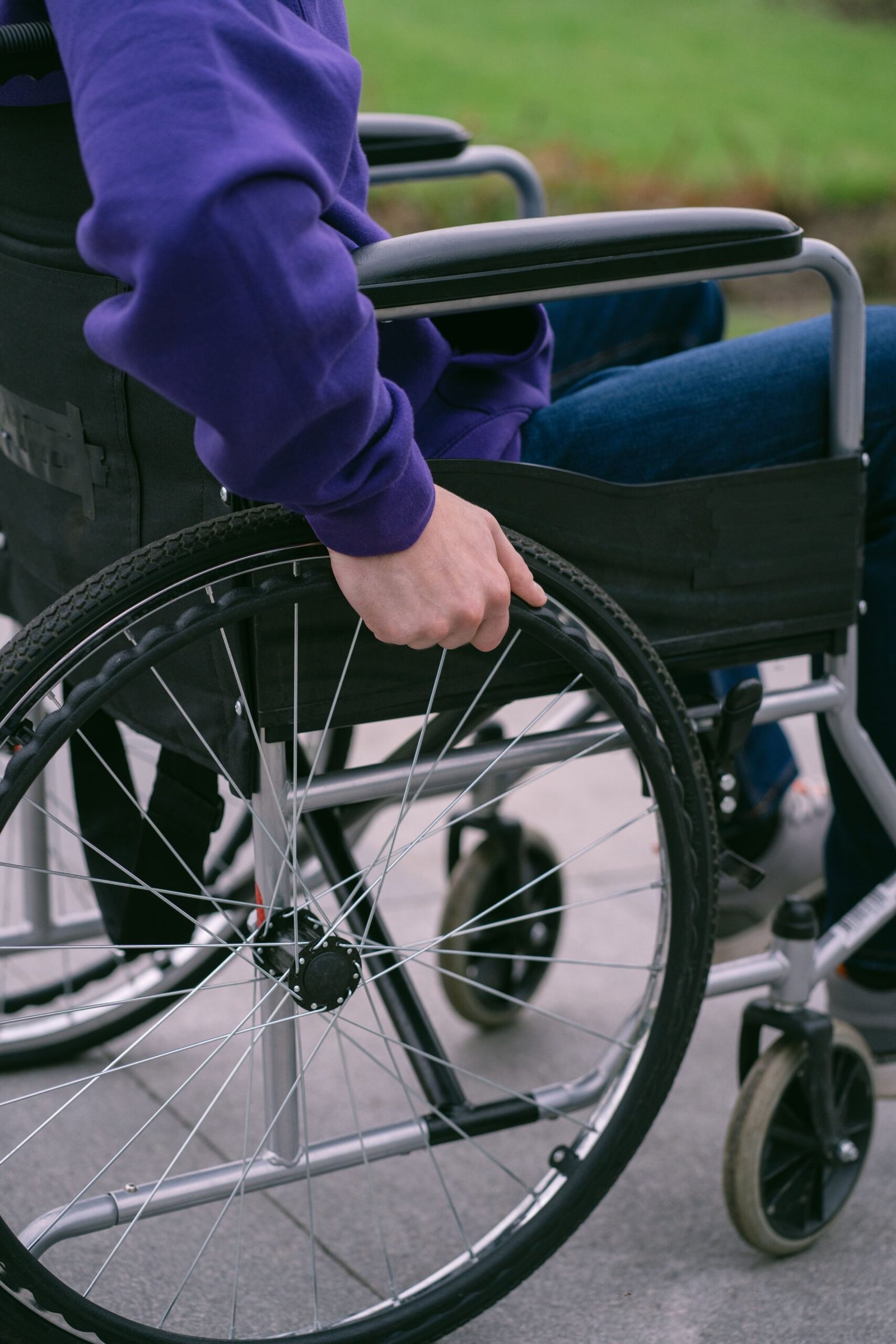
Safety Tips for When Transferring a Person to or From the Wheelchair
These core safety habits apply no matter which transfer method you use.
Wear Non-Skid Shoes
Both you and the person you are moving should wear shoes with good grip. Slipping during a transfer is one of the fastest ways for someone to get hurt.
Check the Wheelchair First
Inspect the wheelchair before every transfer. Skip using it if anything looks loose, cracked, or unstable.
Park It Close
Position the wheelchair as close as possible to the person you are moving. A shorter distance means less strain and less risk for both of you.
Use the Stronger Side
Transfer the person using their stronger side of the body whenever you can. This lets them assist with the movement instead of relying on you for everything.
Communicate With Any Helper
If a second person is helping, talk through the plan before you start. Clear roles prevent confusion in the middle of the move.
Lock the Wheels
Always lock the wheelchair’s wheels before beginning. An unlocked wheelchair can roll away at exactly the wrong moment.
Know What to Do If Someone Starts to Fall
If the person begins to slip, bend your knees and lower them gently to a safe surface. Never grab their clothing to catch them, since this rarely works and can cause additional injury.
Step-by-Step: Transferring a Person to or From the Wheelchair
Follow this sequence for a safer, more predictable transfer every time.
Step 1: Determine the Person’s Needs
Ask about their preferred transfer method before you begin. Find out what they want done differently, if anything, from past transfers.
Step 2: Assess Mobility and Strength
Identify which side of the body is stronger or more mobile. Using that side makes the process smoother and lets the person help more.
Step 3: Decide Whether You Need Help
Be honest about whether you can safely manage the transfer alone. Arrange for a second person ahead of time if there is any doubt.
Step 4: Position the Wheelchair Close
Bring the wheelchair as near as possible to where the person currently is. This reduces the distance and effort needed for the actual move.
Step 5: Stabilize and Lock
Place the wheelchair on stable, level ground and lock the wheels. Flip the footrests up and out of the way so they do not catch on the person’s feet.
Watch a Proper Wheelchair Transfer
Watch this hospital-produced demonstration of a supported bed-to-wheelchair transfer.
Notice how the caregiver keeps their back straight and lets their legs do the work throughout the transfer.
Tools Every Caregiver Should Have
Easy Transfer Chair
This tool has a seat that splits and slides underneath the person, removing much of the manual lifting. It significantly reduces the caregiver’s risk of back injury.
Transfer Board
A sliding board works well for people who cannot stand but can still shift their weight while seated. Look for one with an anti-slip surface and a foldable design for tight spaces.
Gait Belt
A gait belt gives you a secure place to hold onto during the transfer instead of grabbing clothing or limbs. It offers much better control, especially for people with limited mobility.
Back Support Belt
A supportive back belt protects the caregiver’s spine during repeated lifting. It is especially useful for anyone providing daily care over a long period.
What Proper Body Mechanics Actually Look Like
Good body mechanics protect you from injury during every transfer. Keep your feet shoulder-width apart for a stable base. Bend at your knees and hips, not your waist, when lowering yourself toward the person. Keep the person’s body weight as close to yours as possible throughout the move, since holding weight away from your body dramatically increases strain on your spine.
According to a clinical review of patient care transfer techniques, using correct body mechanics and appropriate assistive devices meaningfully reduces injury risk for both caregivers and the people they support. This research-backed guidance is exactly why technique matters as much as strength.
Why Caregiver Safety Matters Too
Back injuries are one of the most common problems reported by caregivers who perform frequent transfers. The Occupational Safety and Health Administration’s guidance on safe patient handling recommends using mechanical lift equipment whenever possible instead of relying purely on manual lifting technique. Even at home, applying these same principles protects your long-term health as a caregiver.
Things to Avoid When Transferring a Person to or From the Wheelchair
- Do not lift someone without informing them first or while they are asleep.
- Do not attempt a transfer without locking the wheelchair’s wheels.
- Do not lift with your back muscles. Use your arms and legs instead.
- Do not pull on someone’s clothing for support during the move.
- Do not attempt a transfer using poor body mechanics, even if you feel strong enough.
Preparing the Environment Before You Start
A cluttered path or an unstable surface can undo even the best technique. Clear away rugs, cords, and furniture that might catch a wheel or a foot during the move. Make sure the floor is dry, since a wet surface dramatically increases the risk of a slip for both people.
Good lighting also matters more than people expect. A dim room makes it harder to see obstacles or judge distance accurately, which becomes especially important when transferring a person to or from the wheelchair in an unfamiliar space like a hotel room or a relative’s house.
Transferring to a Car
Car transfers add extra challenges compared to a bed or chair transfer. Position the wheelchair as close to the open car door as the space allows, ideally at a slight angle. Lock the wheels, move the footrests out of the way, and let the person pivot on their stronger leg toward the seat.
A transfer board can bridge the gap between the wheelchair and the car seat for people who cannot pivot easily. Take your time here, since rushing a car transfer is one of the more common ways people lose their balance.

Transferring Someone With Limited Mobility
People with significant mobility limitations often need a two-person transfer or mechanical lift rather than a solo effort. Watching for fatigue, dizziness, or pain during the process matters just as much as physical technique. Stop immediately if the person reports discomfort, and reassess your approach before continuing.
If you are researching mobility equipment as part of a broader care plan, our wheelchair comparison guide covers models suited to different mobility needs and transfer situations.
Building Confidence as a Caregiver
Learning what to do when transferring a person to or from the wheelchair takes practice, not just knowledge. Practicing with a willing, mobile family member first can help build muscle memory before you handle a more difficult transfer alone.
When to Bring in Professional Help
Some situations call for more support than a family caregiver can safely provide alone. A person who has recently had surgery, suffered a stroke, or gained significant weight may need a home health aide or physical therapist involved in transfer planning. Recurring back pain in the caregiver is another clear signal that it is time to add mechanical equipment or extra hands to the routine.
Frequently Asked Questions
What is the safest way when transferring a person to or from the wheelchair?
Lock the wheels, position the chair close, use the person’s stronger side, and lift with your legs rather than your back.
Do I always need a second person for a wheelchair transfer?
Not always, but you should arrange help for anyone who is heavy, weak, or has unpredictable movement.
What tools make wheelchair transfers easier?
Transfer boards, gait belts, easy transfer chairs, and back support belts all reduce strain for both people involved.
What should I do if the person starts to fall during a transfer?
Bend your knees and lower them gently to a safe surface. Do not try to catch them by their clothing.
How can caregivers protect their own back during transfers?
Use proper body mechanics, keep the person’s weight close to your body, and use mechanical lift equipment whenever it is available.
Can family caregivers learn safe transfer techniques without formal training?
Yes, though hands-on instruction from a physical or occupational therapist is highly recommended before performing transfers independently.
What is different about a car transfer compared to a bed transfer?
Car transfers involve tighter space and an angled seat, so positioning the wheelchair correctly and moving slowly matters even more than usual.
How do I prepare a room before a wheelchair transfer?
Clear obstacles, secure loose rugs, and make sure the floor is dry and well-lit before you begin any transfer, especially in an unfamiliar space.
Bottom Line
Knowing what to do when transferring a person to or from the wheelchair protects both the caregiver and the person receiving care. Follow the safety checklist, use the right tools, and never skip locking the wheels. With practice and the right equipment, transfers become a routine, confident part of daily caregiving rather than a source of stress or injury. Take the time to learn proper technique early, and do not hesitate to bring in professional support if a transfer ever starts to feel unsafe for either of you.

Hi, I’m Mamon, the content creator behind this blog. I share my experience in blogging, WordPress, SEO, and affiliate marketing through honest product reviews, in-depth buying guides, and practical how-to articles. Every piece of content is thoroughly researched and written to help readers make informed decisions.
Leave a Reply