Let’s face it: digestion is one of those things you barely notice until it goes wrong. Eat a heavy meal, skip lunch, or keep odd hours for a few days, and your gut lets you know. Diet plays a big part in that. The National Institute of Diabetes and Digestive and Kidney Diseases (NIDDK) tracks this closely. Its estimate: digestive diseases affect 60 to 70 million people in the U.S. Chronic constipation alone touches tens of millions of adults. Irritable bowel syndrome affects roughly 15.3 million more, per the same NIDDK figures.
Everyday complaints like bloating and irregularity are even more common, and most people never mention them to a doctor. A rotation of probiotic rich foods is one of the simplest, most researched ways to give your gut some support. It doesn’t demand a complete diet overhaul, either. Small, consistent changes tend to beat a strict new regimen you abandon after two weeks.
Greek yogurt is one familiar starting point. It’s far from the only one, though. This guide breaks down what actually counts as a probiotic rich food and which options belong in your kitchen. It also covers how to work them into meals, plus when caution makes sense.
What Are Probiotic-Rich Foods, Exactly?
Fermented foods aren’t all created equal, and people use the terms loosely. A true probiotic must meet a specific bar, according to the International Scientific Association for Probiotics and Prebiotics (ISAPP). It needs a documented strain of live microorganisms. Research also has to show that strain delivers a health benefit at a known dose.
Kimchi and traditionally brewed kombucha both contain living microbes. Researchers, however, haven’t studied those particular microbes strain-by-strain, so technically they miss the formal definition of “probiotic.” They still count as valuable, nutrient-dense additions to a healthy diet, formal definition or not.
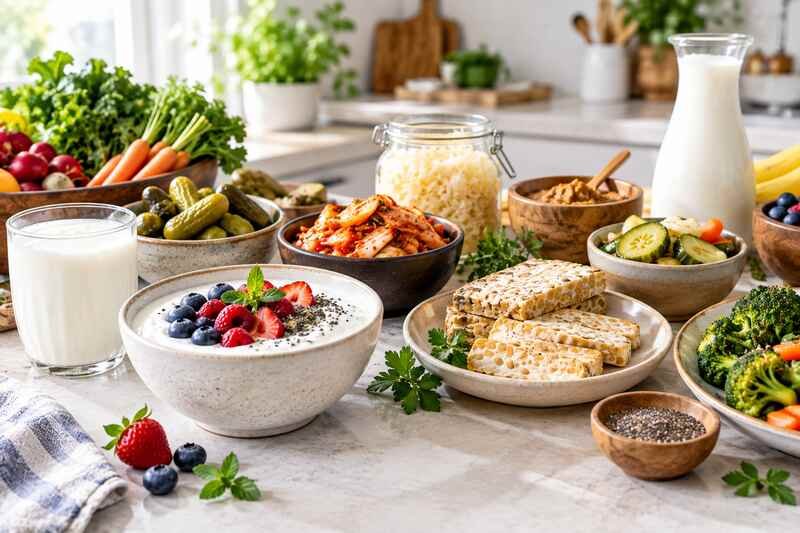
Everyday usage is looser. Most people reach for “probiotic rich foods” to describe fermented foods that may carry live or active cultures. Think yogurt, kefir, sauerkraut, kimchi, kombucha, miso, and tempeh. Some fermented products lose their active bacteria long before they reach your plate. Checking the ingredient list matters, especially with yogurt, since different brands carry very different strains. Trillions of bacteria colonize your digestive tract and make up your gut microbiome. Fiber and diet, including these foods, support that microbiome and help maintain your gut health.
Why Probiotic-Rich Foods Matter for Gut Health
Research on fermented, probiotic rich foods has grown fast in recent years. A widely cited Stanford University study followed 36 healthy adults through a 10-week diet intervention. One group increased their intake of fermented foods like yogurt, kefir, kimchi, and kombucha. Another group increased fiber instead.
The fermented-food group saw greater diversity in their gut microbiome. Their bodies also showed a measurable drop in 19 inflammatory proteins, including interleukin 6, a marker tied to chronic stress and metabolic conditions. Larger servings produced stronger effects on microbial diversity, researchers noted, suggesting a dose-response relationship. The high-fiber group didn’t show the same drop in inflammation over that timeframe. Fiber still matters for long-term gut health in its own right. This particular study simply didn’t catch the same short-term inflammatory shift from it.
That doesn’t make probiotic rich foods a cure-all. For most healthy adults, though, working a variety of them into a regular diet is a low-risk habit with real evidence behind it. It may support digestion and immune function. It might even lift mood, since a large share of the body’s serotonin activity connects to the gut.
Top Probiotic-Rich Foods to Add to Your Diet
Move past yogurt, and a much wider world of probiotic rich foods opens up. Here are the ones dietitians recommend most.
Yogurt and Kefir
Yogurt remains the easiest entry point for most U.S. households; stores carry it everywhere, in dozens of varieties. Kefir is a fermented milk drink, thinner and tangier than yogurt. It often packs a broader range of bacterial and yeast strains, sometimes 10 or more. Compare that to the 2 to 5 strains typical commercial yogurt contains. Check both for live and active cultures on the label before you buy. Managing a dairy sensitivity? Plant-based yogurt and kefir alternatives made from coconut, oat, or soy have become far more common, and many still carry live cultures. Don’t assume a dairy-free label means no cultures; check it yourself.
Sauerkraut, Kimchi, and Other Fermented Vegetables
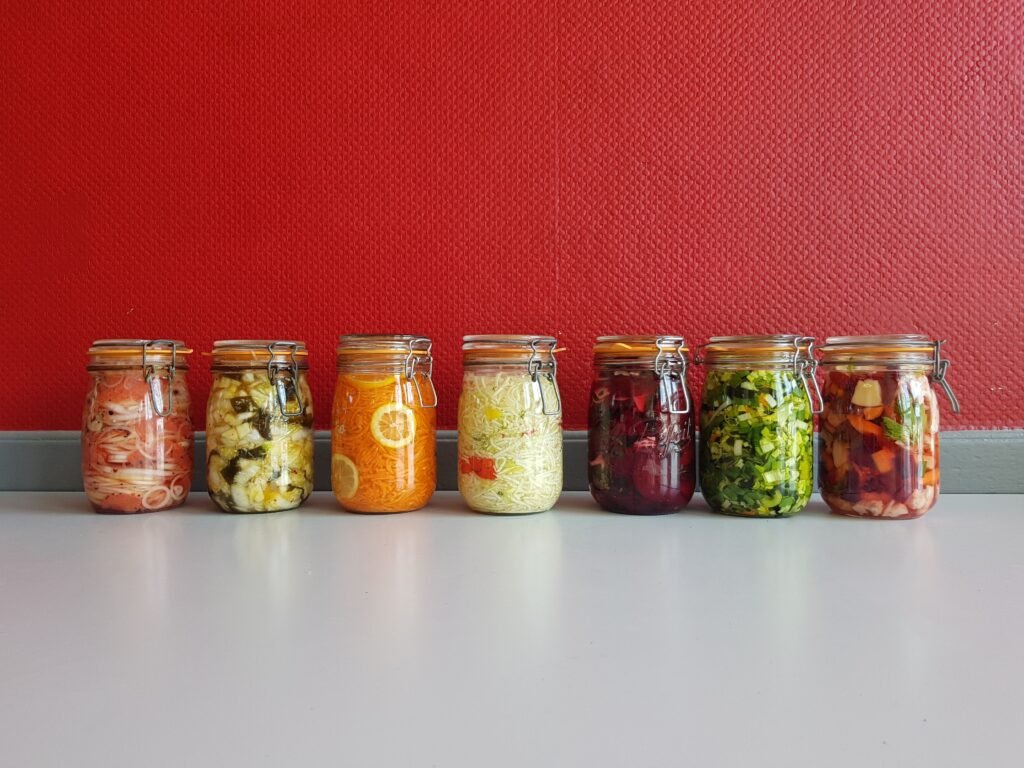
Traditionally fermented sauerkraut and kimchi skip the vinegar. Producers instead let naturally occurring bacteria convert sugars into lactic acid. Seek out the refrigerated section, and look for “unpasteurized” or “raw” on the label. Pasteurization and canning kill off the live cultures that make these foods worth choosing in the first place. Fermented vegetables also bring fiber and vitamin C to the table, a bonus most people don’t associate with pickled foods. Toss a forkful alongside a sandwich or grain bowl for an easy way to work them in.
Kombucha and Other Fermented Beverages
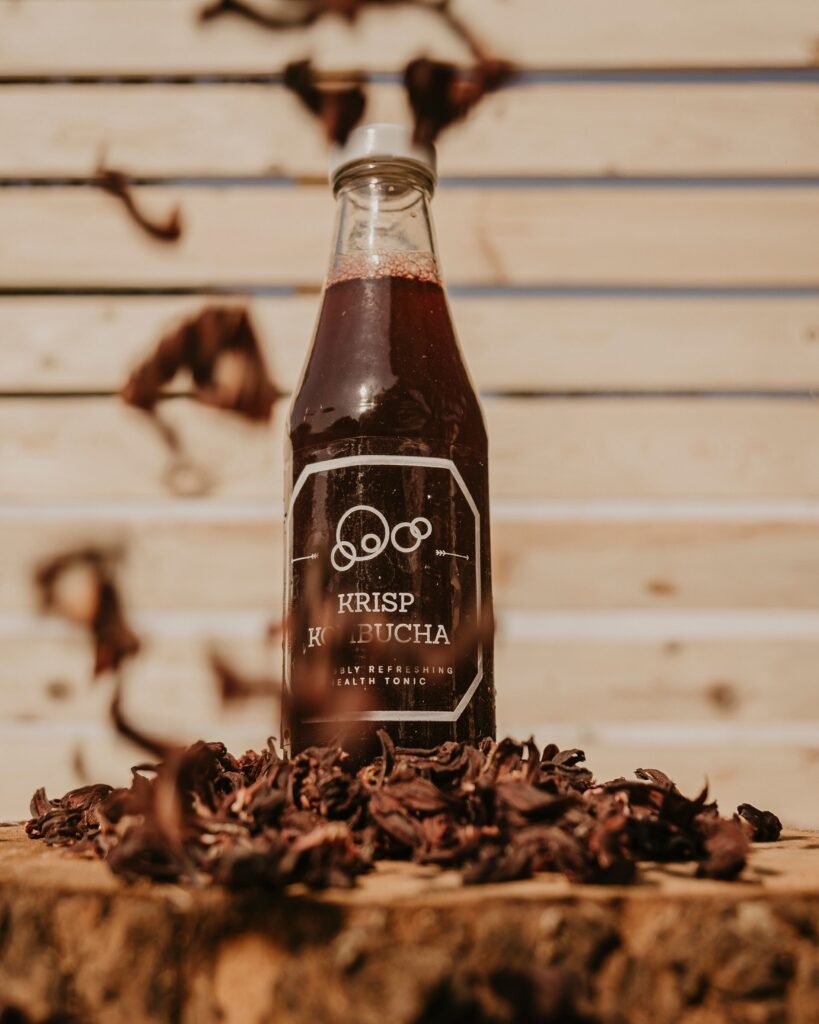
Kombucha, a fermented tea, has turned into one of the most visible probiotic rich foods on U.S. grocery shelves over the past decade. Read the label carefully anyway. Producers pasteurize some bottled versions after fermentation, which strips the live cultures, and many contain more added sugar than shoppers expect.
Miso, Tempeh, and Fermented Soy
Miso paste and tempeh, fermented soy staples from Japanese and Indonesian cooking respectively, have both found a steady place in U.S. kitchens. Stir miso into soups, dressings, and marinades for an umami boost. High heat can reduce its live culture content, so add it toward the end of cooking to preserve more of it. Tempeh brings a firmer texture than tofu and works well as a plant-based protein swap in stir-fries and sandwiches.
A Common Mix-Up: Sourdough Bread
Sourdough bread trips people up often. It ferments, true, and wild yeast and bacteria do the work. But baking kills those microbes at high heat. That means sourdough offers zero live cultures by the time it reaches your plate, whatever the label implies. It still has real perks: easier digestion for some people and a lower glycemic impact than many other breads. Just don’t count it as one of your probiotic rich foods for the day.
How Many Servings of Probiotic-Rich Foods Should You Aim For?
Unlike fruits or vegetables, probiotic rich foods have no official U.S. government serving target. Research here is still catching up. Most registered dietitians suggest one to two servings a day instead: a cup of yogurt or kefir, say, plus a small side of kimchi or sauerkraut. Build up gradually. A sudden jump in fermented foods can cause temporary gas or bloating while your gut adjusts. Rotate between a few different options rather than leaning on just one. That variety exposes your gut to a wider mix of bacterial strains than any single food could provide alone.
Simple Ways to Add Probiotic-Rich Foods to Your Day
Breakfast is the easiest place to start. Spoon yogurt into a bowl, add sliced banana and a few berries, and you’re done. Oats, nuts, and seeds make it more filling if you want that. Chopped fruit and a bit of honey work just as well for a simpler version.

Yogurt doesn’t have to stay sweet. Mix it with cucumber, mint, salt, and other seasonings, and it pairs well with wraps, roasted veggies, or spicy dishes. The whole thing takes minutes. Sauerkraut and kimchi work the same way as toppings, whether that’s a grain bowl, tacos, or eggs, rather than a standalone side. Keep these foods in the refrigerator and reach for them whenever it fits. Yogurt at breakfast, kimchi with dinner, kombucha instead of an afternoon soda: any of it works. Doing your online grocery shopping? Add a few to your usual order along with the rest of the list.
How to Read Labels on Probiotic-Rich Foods
Reading labels is easy to skip when you’re rushing, but it matters here. Confirm the package states “live or active cultures,” and check the ingredient list for sugar content across flavored varieties if that’s something you watch. Words like “raw,” “unpasteurized,” or “naturally fermented” matter just as much for vegetables and kombucha. Heat processing after fermentation kills the live cultures entirely, even if the label still calls the food fermented.
Dairy doesn’t suit everyone, so choose based on any allergy, intolerance, or dietary need you have. One type of food alone rarely solves persistent digestive trouble; see your doctor if that’s the pattern you’re in.
Probiotics vs. Prebiotics: What’s the Difference?
Probiotic rich foods get most of the spotlight, but prebiotics pull real weight too. Prebiotics are fibers your body can’t digest; garlic, onions, oats, bananas, and asparagus all carry them, and they feed the beneficial bacteria already living in your gut. Picture probiotic rich foods as new workers joining your gut microbiome, with prebiotic fiber feeding the crew already on staff. When your diet regularly falls short on fiber, a supplement can help close the gap. Our guide covers supplements that support regularity in more depth.
Watch: How Diet Shapes Your Gut Microbiome
Gastroenterologist Dr. Purna Kashyap covers how everyday food choices shape gut bacteria in this short Mayo Clinic Minute. It’s a solid starting point if you want the expert take in under two minutes.
Who Should Be Cautious with Probiotic-Rich Foods
Most healthy adults can add probiotic rich foods without any trouble, but a few groups should check with a doctor first. Doctors sometimes advise people who are immunocompromised, recovering from recent surgery, or managing a serious illness to avoid unpasteurized fermented foods. The same live cultures that help a healthy gut can carry a small infection risk once the immune system is already under strain. Introducing new fermented foods too fast can also trigger temporary bloating or gas, so ease in slowly if you’re new to them.
Stress and digestion feed into each other more than most people realize; the gut and nervous system stay closely linked. See our guide to naturopathic approaches to common health concerns for how stress management fits into a broader wellness routine. Sleep plays a similar role. If that’s part of your puzzle, our piece on naturopathy for sleep disorders is worth a read too.
Building a Gut-Friendly Diet Beyond Probiotic-Rich Foods
Probiotic rich foods alone won’t solve everything, so your overall diet still matters. Eating a wide variety of foods supports healthy gut microbes on its own. Work vegetables, fruits, whole grains, legumes, and seeds into most meals where you can. Frozen and canned produce count too, so cost or a lack of fresh options isn’t an excuse to skip this step. A radical overhaul isn’t necessary here. Slowly raising your fiber intake works fine if you’re currently getting very little. Our guide to supplements for overall health and energy rounds things out alongside the food-based options covered here.
Conclusion: Making Probiotic-Rich Foods a Daily Habit
Gut health doesn’t need to become another source of worry. Aim for a moderately diverse diet with enough water and fiber-rich ingredients, plus a rotation of probiotic rich foods you genuinely enjoy eating.
Greek yogurt fits easily into that routine for some people. Others do better with kefir, kimchi, miso, or kombucha. Try a few options, notice what agrees with you, and keep it simple from there. Healthy nutrition doesn’t require every meal to be perfect. It comes down to what you keep doing most of the time. Pick one new probiotic rich food this week, see how your body responds, and build from there instead of overhauling everything at once. Talk with your doctor first if you’re managing a digestive condition, are immunocompromised, or are pregnant, since individual needs vary.

Hi, I’m Mamon, the content creator behind this blog. I share my experience in blogging, WordPress, SEO, and affiliate marketing through honest product reviews, in-depth buying guides, and practical how-to articles. Every piece of content is thoroughly researched and written to help readers make informed decisions.
Leave a Reply