More than 25 million Americans, or roughly 1 in 13 people, live with asthma, according to the Asthma and Allergy Foundation of America. That is why so many U.S. households keep a nebulizer on hand. Many also want to know how to use a nebulizer without medication when a prescription runs low or a trip is coming up. The short answer involves sterile saline, not tap water. It also comes with real limits you should understand before you try it. This guide covers what the device actually does and when a medication-free session makes sense. It also covers when a saline-only session absolutely does not replace prescribed treatment.
Key Takeaways
- Learning how to use a nebulizer without medication means using sterile saline, never tap or bottled water.
- Knowing how to use a nebulizer without medication safely also means knowing when saline isn’t the right tool.
- Tap water can carry bacteria like Pseudomonas and Legionella, which are unsafe to inhale.
- A saline-only session can loosen mucus and add moisture. It does not open airways during an asthma attack.
- If you are having a genuine asthma or breathing emergency, use your prescribed rescue medication or call 911.
- Regular cleaning keeps any nebulizer session, with or without medicine, safe to breathe.
What Is a Nebulizer?
A nebulizer is a small machine used in homes and clinics to deliver medicine directly to the lungs. It turns liquid medicine into a fine mist that you breathe in through a mouthpiece or mask. Because the mist reaches the lungs directly, it tends to act faster than a pill or liquid taken by mouth.
Doctors commonly prescribe one for people managing asthma, bronchiectasis, cystic fibrosis, or chronic obstructive pulmonary disease (COPD). Demand for these devices keeps climbing. The global market is projected to approach $1.4 billion by 2026.
What Medications Are Typically Used With a Nebulizer?
The exact prescription depends on your condition, but a few categories show up most often.
- Corticosteroids: Often prescribed for severe respiratory infections or COPD flare-ups to reduce airway inflammation.
- Bronchodilators: Common for asthma and allergy-related breathing trouble. These open the airways to make breathing easier.
- Sterile saline solution: Sometimes prescribed on its own to loosen secretions and add moisture to the airways.
What Are the Different Types of Nebulizers?
Three main types exist, and they work in noticeably different ways.
- Jet nebulizers: The most common type. They use compressed air to turn liquid into an aerosol.
- Ultrasonic nebulizers: Use high-frequency vibrations instead of compressed air to create the mist.
- Mesh nebulizers: Push liquid through a fine mesh. They produce the smallest particles and tend to be the most expensive of the three.
Can You Use a Nebulizer Without Medication?
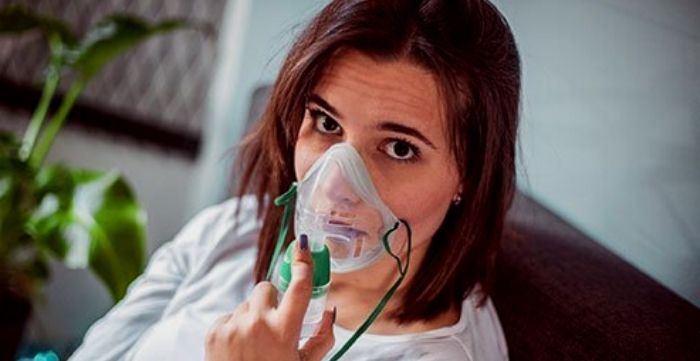
Yes, but with an important caveat. A medication-free session, using sterile saline, can help loosen mucus and add humidity to dry or irritated airways. This is a real, doctor-recognized use for people with thick secretions from conditions like bronchiectasis or a lingering cold.
What it cannot do is treat an active asthma attack. Saline does not open constricted airways the way a bronchodilator does. Research reviewing nebulized saline for asthma exacerbations found it is not considered standard of care for that purpose, and Cleveland Clinic notes that saline solutions are intended to loosen and thin mucus, not to relax airway muscle. If you are wheezing, struggling to breathe, or having a known asthma flare, saline alone will not help. It is not an adequate substitute for your prescribed rescue medication.
Who Actually Benefits From a Saline-Only Session
Sterile saline nebulizing is not just a stopgap for empty medicine cabinets. It has a real, doctor-recognized place in respiratory care for specific situations. People with bronchiectasis or cystic fibrosis are sometimes prescribed saline sessions specifically to loosen thick, sticky mucus so it can be coughed out more easily. This can happen alongside prescribed medication, not only as a replacement for it.
Saline can also help during a cold or sinus congestion, when airways feel dry and irritated but there is no diagnosed asthma or COPD flare underway. Some people traveling in dry climates, or spending long hours in air-conditioned or heated indoor air, find a saline session soothing for that reason alone. None of these situations involve an emergency. That distinction is exactly why learning how to use a nebulizer without medication safely, and knowing its limits, matters so much.
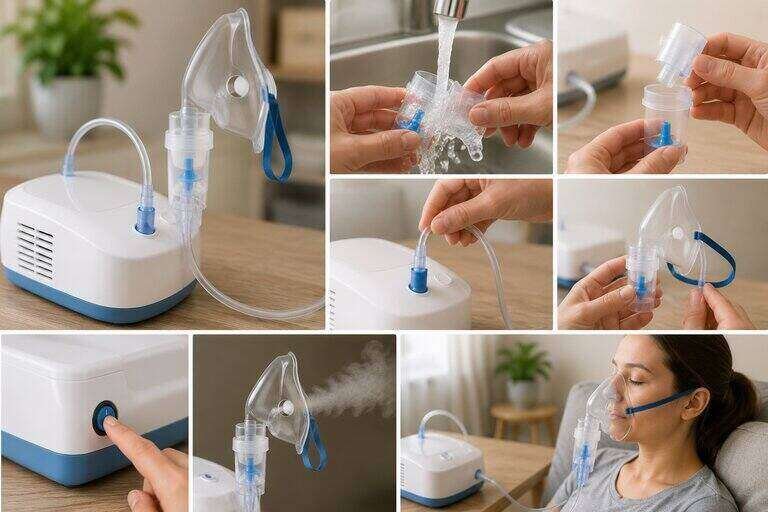
How to Use a Nebulizer Without Medication: Step by Step
The process closely mirrors a standard medicated session, aside from what goes in the cup.
- Wash your hands thoroughly with soap and water before touching any part of the device.
- Fill the nebulizer cup with sterile normal saline solution, available at any pharmacy. Do not overfill it, since that can cause spilling once the compressor starts.
- Attach the mouthpiece or mask above the cup, then connect the tubing to the compressor.
- Turn on the compressor and confirm a steady mist is coming from the mouthpiece or mask before starting.
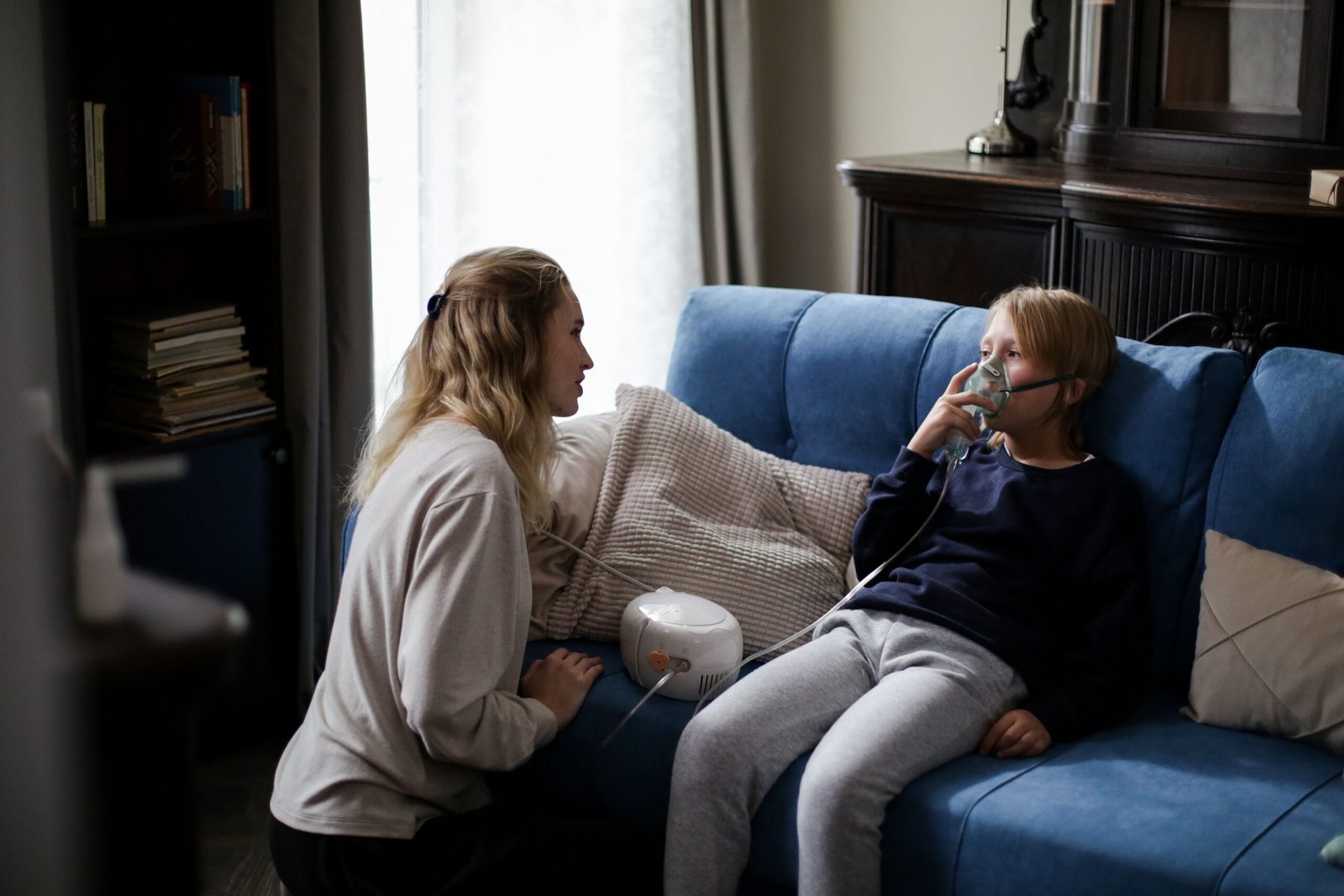
- Sit upright in a chair. If you are treating a child, hold them upright on your lap so the mist can reach the lungs effectively.
- Position the mask or mouthpiece so it forms a good seal, then breathe slowly and deeply throughout the session.
- Continue until the mist stops, which usually signals the cup is empty.
Why You Should Never Use Tap Water in a Nebulizer
Older advice sometimes suggested using purified tap or bottled water in a pinch. Current guidance is more cautious, and for good reason. Tap water, even when safe to drink, is not sterile. It can carry organisms such as Pseudomonas and Legionella. These are harmless to swallow but genuinely dangerous to inhale directly into the lungs.
According to a Jamaica Hospital Medical Center newsletter, these waterborne organisms are responsible for a significant share of hospitalizations linked to contaminated home medical equipment. Older adults, infants, and people with weakened immune systems face the highest risk. Bottled water is not automatically safer either. It is not sterilized to the standard needed for inhalation.
Sterile saline solution is inexpensive, sold at any pharmacy, and specifically formulated to be safe for the lungs. It is the only appropriate substitute when you do not have prescribed medication on hand.
Watch: How to Set Up and Use a Home Nebulizer
This video from Cook Children’s Health Care System walks through a full nebulizer setup and session from start to finish.
When Saline Alone Isn’t Enough
It is worth repeating, because it matters for safety. A saline-only session is meant for comfort, hydration, and loosening mucus, not for stopping a breathing emergency. If you or someone in your care is experiencing chest tightness or significant shortness of breath, act right away. Use the prescribed rescue inhaler or nebulized bronchodilator rather than saline.
Call 911 or head to an emergency room if breathing does not improve quickly. The same goes if lips or fingertips look bluish, or if the person cannot speak in full sentences. Running out of medication is a real problem worth solving. It should prompt an urgent refill or a call to your pharmacist and doctor. It should never prompt a decision to rely on water or saline during an actual attack.
Distilled Water: A Middle-Ground Option
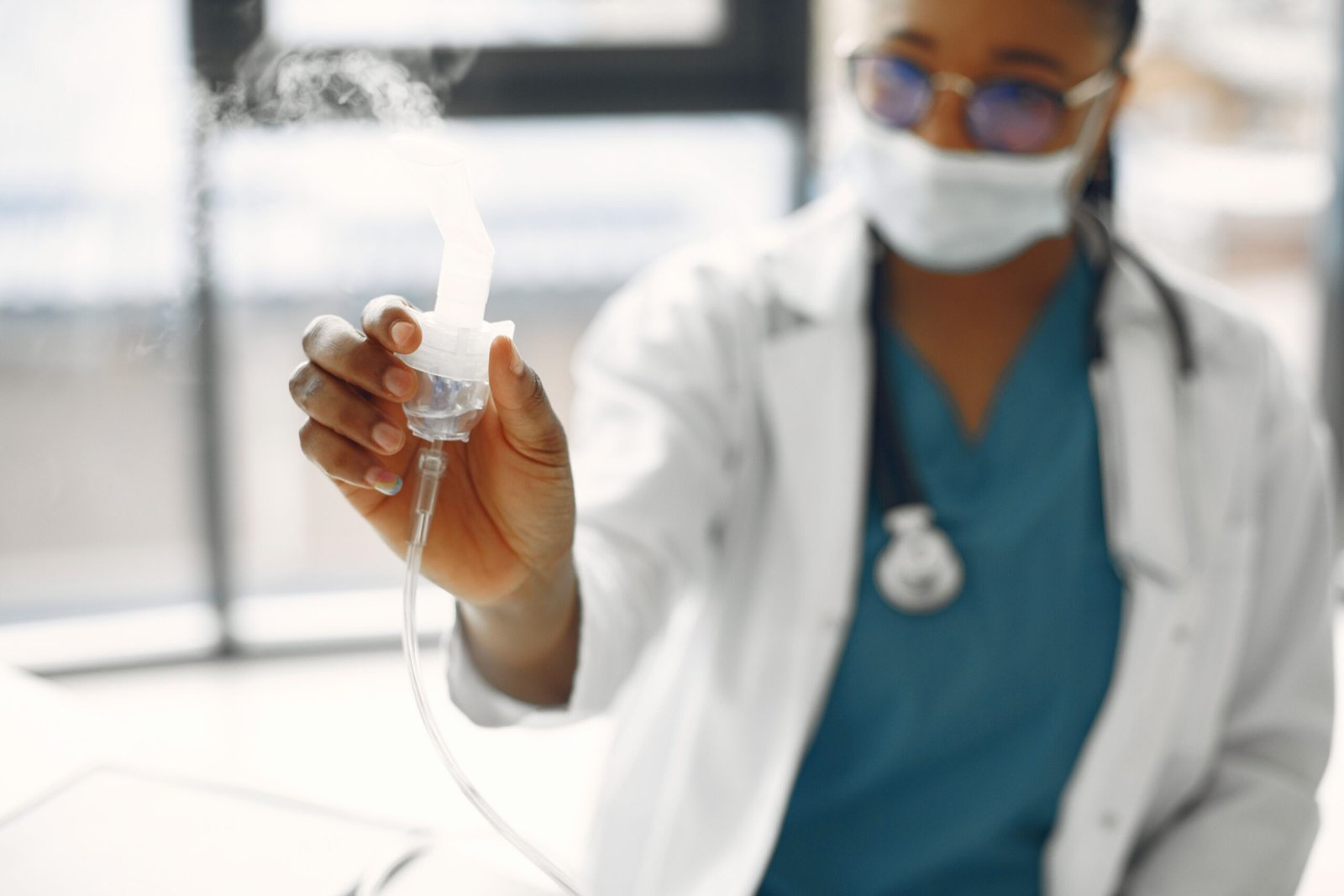
If sterile saline truly is not available and a doctor has approved a saline-free session for you, distilled water is a safer fallback than tap or bottled water. Distillation removes the minerals and many of the organisms that make tap water risky to inhale. It is still not a perfect substitute for actual sterile saline, since it lacks the salt concentration that makes saline gentle on lung tissue, and plain water can occasionally irritate sensitive airways.
Distilled water is widely sold alongside bottled water at most grocery stores, so it is a reasonable option to keep on hand for exactly this kind of situation. Still, sterile saline remains the better first choice whenever it is available, since it is inexpensive, shelf-stable, and purpose-built for inhalation.
How to Take Care of Your Nebulizer
Good maintenance matters whether or not medicine is involved. A dirty device can introduce the same contamination risk as tap water.
Wash, Wipe, and Dry After Every Session
Rinse the cup, mouthpiece, and mask with warm water after each use, then let the parts air dry completely. If more than one person in your household uses a nebulizer, keep a separate mask or mouthpiece for each person. Coil the tubing loosely to avoid kinks and cracks over time.
Disinfect Every Few Days
Soak the removable parts in a disinfectant solution, or a homemade mix of half a cup of white vinegar with one and a half cups of water. Twenty minutes every three days is a reasonable routine if you use the device often. Rinse thoroughly afterward and let everything air dry on a clean paper towel.
Store It Properly
Keep the compressor out of direct sunlight and covered with a clean cloth when not in use. Check the manufacturer’s manual for any model-specific storage guidance, since some compressors have particular ventilation needs.
Related Respiratory Health Guides
For device shopping, see our portable nebulizer machine reviews and our handheld nebulizer review.
Tracking your oxygen levels at home can also help you catch a worsening flare early. Our guide on how to read an oximeter correctly at home covers the basics.
Frequently Asked Questions
Can I use plain bottled water in my nebulizer if I have nothing else?
It is not recommended. Bottled water is not sterilized to the standard needed for inhalation. Sterile saline from a pharmacy is the safer choice, even in a pinch.
Will a saline-only nebulizer session help during an asthma attack?
No. Saline can loosen mucus and add moisture, but it does not open constricted airways. Use your prescribed rescue medication for an actual attack, and call 911 if symptoms are severe.
How do I know if I should use sterile saline instead of my regular medication?
Sterile saline is appropriate when you simply need airway moisture or mucus relief and have no active flare. If you have a prescription, use it as directed rather than substituting saline.
How often should I disinfect my nebulizer if I use it daily?
Every two to three days is a reasonable standard for frequent use. Rinse and air-dry the parts after every single session regardless.
Can I make my own saline solution at home?
It is not recommended for nebulizer use. Homemade salt-water mixes are rarely sterile enough for direct inhalation. Pre-packaged sterile saline is inexpensive and widely available.
Is it safe for children to use a nebulizer without medication?
Sterile saline is generally considered safe for children under a doctor’s guidance. Always confirm with your pediatrician before starting any new nebulizer routine, medicated or not.
How long should a nebulizer session with saline take?
Most sessions run 5 to 15 minutes, depending on how much solution is in the cup and how deeply you breathe. Continue until the mist stops.
What’s the difference between a jet, ultrasonic, and mesh nebulizer for saline use?
All three can nebulize sterile saline effectively. Mesh models tend to produce the finest mist and are the quietest, though they typically cost more upfront.
Can I add anything else to saline to make it more effective?
Do not add essential oils, herbs, or anything not specifically labeled for nebulizer use. Only your doctor or pharmacist should recommend additions, since some substances can damage the device or irritate the lungs.
Does using a nebulizer without medication still count as a treatment?
It counts as supportive care rather than active treatment. A saline session can ease symptoms and loosen mucus, but it does not replace a prescribed medication’s role in managing your underlying condition. This is the core idea behind how to use a nebulizer without medication responsibly.
Bottom Line
Learning how to use a nebulizer without medication comes down to one key substitution: sterile saline in place of your prescribed drug. Tap or bottled water should never take its place. A saline-only session can ease dryness and loosen mucus. It is not a stand-in for a rescue inhaler or bronchodilator during a real asthma attack. Keep your device clean, know the difference between comfort care and emergency care, and reach out to your doctor or pharmacist well before you run low on your actual prescription.

Hi, I’m Mamon, the content creator behind this blog. I share my experience in blogging, WordPress, SEO, and affiliate marketing through honest product reviews, in-depth buying guides, and practical how-to articles. Every piece of content is thoroughly researched and written to help readers make informed decisions.
Leave a Reply