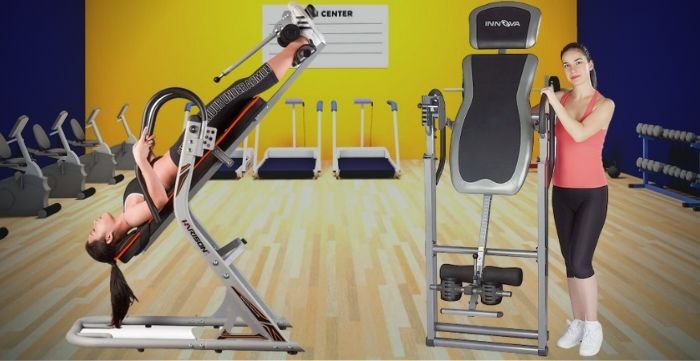
Key Takeaways
- Most beginners should start with 1 to 2 short sessions a day at 1 to 2 minutes each, building toward 2 to 3 sessions of 3 to 5 minutes as they get comfortable.
- Frequency matters more than duration. Several short sessions spread across the day tend to work better than one long session.
- A physical medicine physician at Marshfield Clinic recommends a shallow 30 to 35 degree angle for most adults, or 10 to 15 degrees for older adults, working up to five minutes per session over time.
Introduction
There are real benefits to spending a few minutes upside down. Inversion tables are associated with several potential benefits, including:
- Elongation of the spine
- Reduction of back pain
- Stress relief
- Improved circulation
Yoga has incorporated inversion for centuries because of effects like these. An inversion table lets you get similar benefits without balancing on your head. As inversion tables have grown more popular, one question comes up again and again: how many times a day should you use an inversion table?
There’s no single number stamped on the side of the box, and that’s actually good news. It means you can tailor frequency and duration to your own body, goals, and comfort level instead of following a rigid rule that might not fit your situation.
How Many Times a Day Should You Use an Inversion Table?
There’s no single official number that applies to everyone. How much time you spend on the table depends on your condition, your experience level, and how your body responds. As a general starting point, most people fall into one of two categories: beginner or more experienced. Before you get started, make sure you have a reliable, well-reviewed body power inversion table with solid safety features.
Using an Inversion Table as a Beginner
Beginners should invert for just 1 to 2 minutes per session at a shallow 20 to 30 degree angle to start. If you feel uncomfortable before even hitting the one-minute mark, come back up. You should only stay inverted as long as you’re not in pain or genuinely uncomfortable.
As you get more familiar with the sensation, you can gradually increase your session length. Most sources suggest working up to 3 to 5 minutes per session over several weeks, not 15 minutes right away. Go slowly, and let your comfort level set the pace rather than a fixed timeline.
Beginners can aim for one to two sessions a day to start, such as before breakfast and again before bed. As you settle in, you can add a session or two more throughout the day if it fits your schedule, but there’s no need to force it.
Using an Inversion Table as an Experienced User
Once you’ve used an inversion table regularly for a few weeks and know how your body responds, you can work toward longer sessions and steeper angles, generally up to 45 to 60 degrees. Even experienced users are usually best served by keeping individual sessions in the 5 to 10 minute range rather than pushing toward 30 minutes, since staying inverted for too long can strain the same connective tissue you’re trying to relieve.
At this stage, 2 to 3 sessions a day is a reasonable target for most people. If you’re using inversion for general maintenance and stress relief rather than acute pain, a single well-timed daily session may be all you need. Pushing much beyond 2 to 3 sessions rarely adds extra benefit and mostly just adds time you could spend elsewhere.
What Determines Your Ideal Frequency
A few factors shape how many times a day makes sense for you specifically:
- Your goal. Acute pain relief often responds better to several short sessions spread through the day, while general maintenance or stress relief may only need one or two.
- Your experience level. Beginners need more frequent but shorter check-ins with the table as they build tolerance; experienced users can often get by with fewer, slightly longer sessions.
- Your age and overall health. Older adults or anyone with joint issues generally do better with gentler angles and shorter, less frequent sessions.
- How your body responds. If a session leaves you feeling looser and more comfortable, that frequency is probably working. If it leaves you sore or dizzy, scale back.
Frequency vs. Duration: Which Matters More?
Across nearly every credible source on this topic, one theme repeats: frequency beats duration. Several short sessions spread through the day tend to give more consistent relief than one marathon session. Short, repeated exposure lets your spine decompress gradually and gives your cardiovascular and vestibular systems time to adjust between sessions, rather than asking them to handle one long stretch of altered blood flow.
Think of it less like a single deep stretch and more like a habit you’re building. A one-minute session done consistently three times a day will likely do more for your back over a month than one 20-minute session done once and never repeated.
How Angle Affects Session Length
Angle and duration work together. The steeper your incline, the less time you typically need to get a meaningful stretch. A shallower angle takes longer to achieve the same effect. Dr. James Mullen, a physical medicine and rehabilitation physician at Marshfield Clinic, recommends limiting most adults to a 30 to 35 degree angle, or 10 to 15 degrees for older adults, and starting with just a minute or two before slowly working up to five minutes per session, twice a day.
It makes sense that beginners start with more shallow angles while they get used to the inverted sensation. What takes getting used to isn’t danger, it’s the unfamiliar feeling of increased blood flow to your head, which is why easing in matters. A well-built table from our best inversion tables guide, with a reliable angle-limiting strap, makes it much easier to progress gradually and safely.

Tips to Get the Most From Your Inversion Sessions
Frequency, duration, and angle all matter, but so does safety. A few habits go a long way toward making sure you get the benefits without any accidents:
- Wear athletic shoes and comfortable clothing. You don’t want to feel restricted while inverted.
- Have somebody nearby during your first few sessions in case you have trouble returning upright.
- Adjust the table to fit your height before your first session.
- Make sure the ankle straps are secure and comfortable before you begin inverting.
- Start with a shallow angle for your first sessions and increase it gradually.
- Always use the table on a flat, stable surface to prevent it from shifting.
Watch the video below for a clear breakdown of how long and how often to use an inversion table for back pain and sciatica.
Who Should Limit or Avoid Inversion Therapy
It’s worth being direct here: inversion therapy is not risk-free for everyone, no matter how many times a day you use it. Hanging upside down temporarily raises blood pressure and pressure inside the skull. Cleveland Clinic notes this effect can be dangerous for people with certain health conditions. Talk to your doctor first if you have, or are at risk for, any of the following:
- High blood pressure or heart disease
- Glaucoma or other eye conditions
- A history of stroke
- Osteoporosis or a recent spinal fracture
- Hip or knee problems that make the ankle clasps unsafe
- Pregnancy
- Hiatal or inguinal hernia
If you’re managing a specific condition like a herniated disc, read up on the safety details specific to that condition before increasing your frequency or duration, since the right routine can vary depending on what you’re treating.

Building It Into Your Daily Routine
The people who get the most consistent benefit from an inversion table tend to be the ones who build it into a routine rather than using it sporadically. Morning and evening sessions work well for many people, bookending the day when the spine has either just endured a night of compression or a full day of sitting or standing. If you work at a desk, a short midday session can also help offset the hours spent upright. Whatever schedule you land on, consistency over weeks matters more than any single session.
Pairing your sessions with an existing habit, like right after brushing your teeth or right before you sit down at your desk, makes it far easier to stick with than trying to remember a separate appointment with yourself. Treat it the same way you’d treat any other daily wellness habit: small, repeatable, and easy to fit in without much friction.
Frequently Asked Questions
Can I use an inversion table too many times a day?
Yes. More isn’t automatically better. Overusing the table, whether by staying inverted too long or inverting too many times in a day, can overstretch connective tissue and cause soreness rather than relief. Stick to a handful of short, well-spaced sessions.
How long does it take to see results?
Some people feel relief within a session or two, but that relief is often short-lived at first. Longer-term benefits from consistent daily use can take several weeks to become noticeable.
Should I use an inversion table every day?
Daily use is common and generally fine for healthy adults who’ve been cleared by a doctor, as long as sessions stay short and the angle stays moderate. If you notice increased soreness, dial back the frequency.
What’s the best time of day to invert?
There’s no single best time. Many people like a morning session to start the day and an evening session to unwind, but the best schedule is the one you’ll actually stick with consistently.
Do I need to increase frequency over time to keep seeing benefits?
Not necessarily. Once you find a frequency and duration that leaves you feeling good, there’s no requirement to keep escalating it. Many people settle into a steady routine, such as two 3 to 5 minute sessions a day, and stay there long-term.
Final Thoughts
Inversion tables may relieve pain, reduce stress, and improve circulation by temporarily shifting how gravity acts on your body. Your spine gets a gentle break from its usual compressive load, and pressure eases on the discs and nerves that carry that load every day.
So, how many times a day should you use an inversion table? It depends on your condition and your experience level. Start small, get comfortable, and remember that frequency matters more than duration. Full benefits often come from multiple short sessions spread across the day rather than one long one. Most importantly, stick with a routine that fits your life and your body’s response, and check in with a doctor first if you have any of the risk factors above.

Hi, I’m Mamon, the content creator behind this blog. I share my experience in blogging, WordPress, SEO, and affiliate marketing through honest product reviews, in-depth buying guides, and practical how-to articles. Every piece of content is thoroughly researched and written to help readers make informed decisions.
Leave a Reply