A warm foot soak is one of the oldest self-care rituals in the world, from Japanese hot spring footbaths to the plastic basins many American families keep under the bathroom sink. Today’s electric foot spas add heat, bubbles, and massage rollers. But what are the real foot spa benefits, and which claims are just marketing?
This guide breaks down nine evidence-informed foot spa benefits, from better sleep to softer heels, explains what research says, separates the myths from the facts, and covers who should be careful before soaking.
Key Takeaways
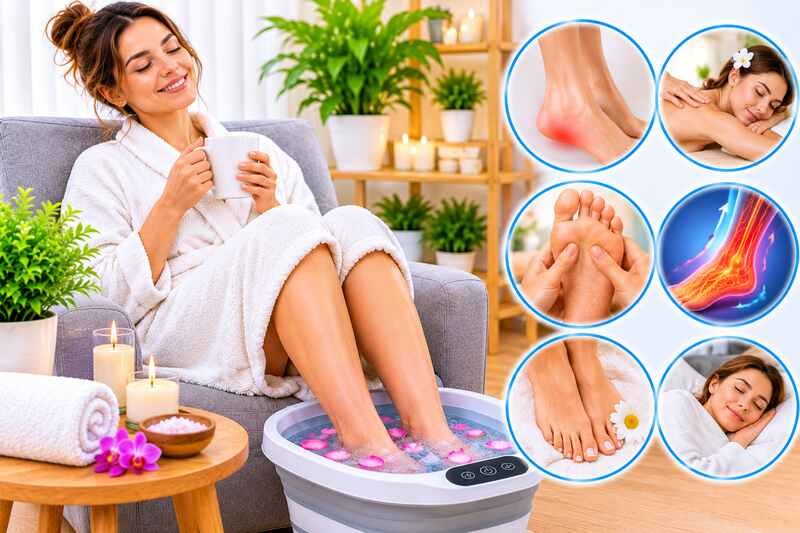
- The main foot spa benefits are relaxation, soothing tired feet, softer skin, and warmer feet.
- Small clinical trials suggest a warm footbath before bed may help some people fall asleep faster.
- Warm water temporarily increases blood flow to the feet and lower legs.
- A foot spa doesn’t “detox” the body, cure disease, or cause weight loss.
- People with diabetes, neuropathy, or poor circulation should ask a doctor first.
What Is a Foot Spa?
A foot spa is a tub designed for soaking your feet. It can be as simple as a basin of warm water or as advanced as an electric model with:
- A heater or heat maintenance
- Bubble jets or vibration
- Manual or motorized massage rollers
- A pumice stone for smoothing heels
- Temperature controls, timers, and remotes
You can enjoy most foot spa benefits with plain warm water, but electric features make soaking easier and more comfortable. To compare models, see our main guide to the best home foot spa.
Photo: 8joKeaton / Wikimedia Commons (CC BY-SA 4.0)
9 Foot Spa Benefits
1. Helps You Relax and Unwind
The most reliable foot spa benefit is relaxation. Warm water, gentle bubbles, and quiet time give your mind a break from screens and stress. Many people use a foot spa as part of an evening wind-down routine.
2. May Help You Fall Asleep Faster
Some of the best research on footbaths looks at sleep. In a randomized trial in older men, participants soaked their feet in 41 to 42°C water, about 106 to 108°F, for 20 minutes before bed for six weeks. Researchers found the biggest effects on how long it took to fall asleep and on sleep duration.
The theory is that warming your feet widens blood vessels near the skin, which helps your body release heat. A slight drop in core body temperature is part of the natural process of falling asleep.
3. Soothes Tired, Achy Feet
After a long day of standing or walking, warm water can help sore feet feel better. Foot spas with rollers or massage nodes add a gentle massage while you soak. For more ways to ease sore feet, read our guide to massage for feet pain.
4. Temporarily Boosts Blood Flow to the Feet
Warm water causes blood vessels in the skin to widen, increasing blood flow to the feet and lower legs. A study of warm footbaths in cardiac patients notes that footbaths at 38 to 42°C for 30 minutes have been reported to reduce heart rate, blood pressure, and vascular resistance and to increase blood flow to the legs. This effect is temporary and doesn’t treat circulation disorders, but it can make cold feet feel warmer and more comfortable.
5. Warms Cold Feet
If your feet are always cold in winter, a warm soak is an easy fix. A heated foot spa keeps the water warm for the whole session. See our guide to the best heated foot spa.
6. Softens Skin for Easier Exfoliation
Soaking softens rough skin and calluses, which makes them easier to smooth with a scrub or pumice stone. This is why salons start pedicures with a soak. Learn how to exfoliate safely in our foot scrub guide.
7. Prepares Feet for Nail Care
Warm water softens toenails and cuticles, making trimming easier and more comfortable. A foot spa is the first step in any at-home pedicure.
8. Supports Good Foot Hygiene
A regular soak followed by thorough drying gives you a chance to clean your feet well and check for blisters, cuts, or changes in your skin and nails.
9. Creates a Self-Care Habit
A weekly foot spa session is an easy, low-cost way to build a self-care routine. Paired with a foot massage, it can be a calming ritual to look forward to. Learn more about the benefits of massage.
Foot Spa Benefits at a Glance
| Benefit | How it works | Strength of evidence |
|---|---|---|
| Relaxation | Warmth and quiet time calm the body | Strong everyday experience |
| Better sleep onset | Warm feet help release heat before sleep | Small randomized trials |
| Sore feet relief | Warmth and massage ease tension | Reasonable, similar to massage |
| Temporary blood flow boost | Warm water widens surface blood vessels | Physiology studies |
| Warmer feet | Direct heat | Obvious and immediate |
| Softer skin | Water softens dead skin | Widely accepted |
| Easier nail care | Softens nails and cuticles | Widely accepted |
| “Detox” | Claimed removal of toxins | Not supported |
Foot Spa Benefits: Myths vs Facts
Some foot spa benefits you’ll see online aren’t backed by evidence.
| Myth | Fact |
|---|---|
| Foot spas detox the body | Your liver and kidneys remove toxins; foot soaks don’t |
| Ionic foot spas pull out heavy metals | An independent study found no evidence of this |
| Soaking burns fat or helps weight loss | No credible evidence |
| Foot spas cure diseases | No credible evidence |
| Hotter is better | Very hot water can burn skin and dry it out |
| Longer soaks are better | Long soaks can weaken the skin barrier and dry your feet |
For the full story on detox claims, see our guide to ionic foot detox.

Photo: Totti / Wikimedia Commons (CC BY-SA 4.0)
How to Get the Most Foot Spa Benefits
Follow these tips for a safe, effective soak:
- Use warm, not hot, water. About 100 to 108°F is comfortable for most people. Test with your hand first.
- Soak for 10 to 20 minutes. That’s enough to relax and soften skin without drying it out.
- Add Epsom salt if you like. Many people find it soothing. See our Epsom salt foot soak guide.
- Exfoliate gently after soaking.
- Dry thoroughly, especially between the toes.
- Moisturize right away to lock in hydration.
- Soak 1 to 3 evenings a week, or nightly for sleep if it suits you.
- Clean your foot spa after each use. See our guide on how to clean a foot spa.
Best Time to Use a Foot Spa
| Time | Why it helps |
|---|---|
| 1 to 2 hours before bed | May help you fall asleep faster |
| After work | Relieves tired feet and stress |
| After exercise | Eases sore feet, though cool water may suit acute soreness better |
| Before a pedicure | Softens skin and nails |
| Cold winter evenings | Warms cold feet |
Foot Spa Benefits for Different People
People Who Stand All Day
Nurses, teachers, retail staff, and warehouse workers often finish shifts with sore arches. A 15-minute soak with rollers or bubbles is an easy way to recover. A foot spa with a remote or toe-touch controls means less bending at the end of a long day.
Older Adults
Warm soaks can feel especially soothing for stiff, cold feet. Choose a model with a handle, a drain, and simple controls, and check with a doctor first if you have diabetes or circulation problems.
Athletes and Runners
A warm soak can relax tired feet on rest days. After a hard workout or a fresh injury, cooler water may feel better and help more with swelling.
People With Trouble Falling Asleep
If you struggle to drift off, try a warm 20-minute footbath about an hour before bed as part of a calm evening routine. Pair it with a dim room and no screens.
People With Always-Cold Feet
A heated foot spa warms feet quickly on winter evenings. Afterward, put on warm socks to keep the heat in.
What to Add to Your Foot Spa
| Add-in | Possible benefit | Tip |
|---|---|---|
| Epsom salt | Soothing, popular for tired feet | Dissolve fully before soaking |
| Lavender soak | Calming scent | Choose a ready-made, skin-safe blend |
| Peppermint | Cooling, refreshing feel | Use sparingly; it can tingle |
| Plain warm water | All the core benefits | The simplest, safest option |
| Mild soap | Cleans feet | Rinse well afterward |
Check your foot spa manual before adding salts or oils, since some jets and pumps can clog. For safe options, see our guide to essential oils for foot soak.
Features That Boost Foot Spa Benefits
| Feature | Benefit it supports |
|---|---|
| Heater with temperature control | Steady warmth for relaxation and sleep |
| Massage rollers or motorized nodes | Relief for sore arches |
| Bubble jets | Gentle stimulation and relaxation |
| Timer | Keeps soaks to a healthy length |
| Pumice stone | Smoother heels |
| Splash guard and drain | Safer, easier use |
Learn more about the different types in our guide to electric foot spa types.
Who Should Be Careful With Foot Spas?
Foot spa benefits come with a few cautions. Check with your doctor first if you have:
- Diabetes or neuropathy. Reduced feeling can make it hard to judge water temperature, raising the risk of burns. Soaking can also dry the skin. Many doctors advise people with diabetes to avoid long soaks.
- Poor circulation or peripheral artery disease. Heat may not be safe for everyone.
- Open wounds, cuts, or infections on the feet.
- Very low or high blood pressure, since warm soaks can affect blood pressure and cause lightheadedness when standing.
- Pregnancy, especially with complications.
- Skin conditions like eczema that may flare with soaking.
Also:
- Never stand in an electric foot spa.
- Unplug it before emptying.
- Stand up slowly after soaking to avoid dizziness.
Foot Spa vs Simple Basin Soak: Which Gives More Benefits?
| Factor | Electric foot spa | Plain basin |
|---|---|---|
| Keeps water warm | Yes, on heated models | No, cools in 10 to 15 minutes |
| Massage | Bubbles, rollers, or motorized | None |
| Convenience | Timers, remotes, drains | Simple to fill and empty |
| Cost | Higher | Very low |
| Core benefits | Relaxation, soft skin, warm feet | Same core benefits |
A plain basin gives you most foot spa benefits. An electric foot spa makes the experience more comfortable and consistent, especially if you soak often. If storage is limited, see our guide to the best collapsible foot spa.

Photo: Peka / Wikimedia Commons (CC BY-SA 4.0)
Signs Your Foot Spa Routine Is Working
You’ll know you’re getting real foot spa benefits when you notice:
- Your feet feel lighter and less achy after soaking
- You fall asleep more easily on soak nights
- Your heels feel softer, with fewer rough patches
- Toenail care feels easier
- You look forward to your routine
If your skin feels tight, itchy, or dry, shorten your soaks, lower the temperature, and moisturize more. If pain or swelling continues, see a doctor.
Frequently Asked Questions
What are the main benefits of a foot spa?
The main foot spa benefits are relaxation, relief for tired feet, warmer feet, softer skin, and easier nail care. Some studies also suggest a warm footbath before bed may help people fall asleep faster.
Is it good to soak your feet every day?
Short daily soaks are fine for most healthy people, but they can dry the skin. Keep soaks to 10 to 20 minutes and moisturize afterward. People with diabetes should ask a doctor first.
Do foot spas improve circulation?
Warm water temporarily increases blood flow to the feet and legs. That can make feet feel warmer, but it doesn’t treat circulation disorders.
Can a foot spa help with sleep?
Small randomized trials suggest a warm footbath of about 20 minutes before bed may help some people fall asleep faster.
Do foot spas remove toxins?
No. There’s no good evidence that foot spas, including ionic models, remove toxins from the body.
How long should I use a foot spa?
About 10 to 20 minutes is ideal. Longer soaks can dry out your skin.
Are foot spa benefits worth the cost?
For many people, yes. A basic basin costs very little and delivers the core benefits. An electric foot spa costs more but keeps the water warm and adds massage, which makes regular use more likely.
Is a foot spa good for elderly people?
It can be, as long as the water is warm, not hot, and the model is easy to fill and empty. People with diabetes, neuropathy, or circulation problems should check with their doctor first.
What temperature gives the best foot spa benefits?
Warm water of about 100 to 108°F works well for most people. Sleep studies have often used water around 104 to 108°F. Always test with your hand first.
Conclusion
The real foot spa benefits are simple but meaningful: relaxation, relief for tired feet, warmer feet, softer skin, and easier nail care. Research also suggests a warm footbath before bed may help some people fall asleep faster. Skip the detox and weight-loss claims, keep the water warm rather than hot, and moisturize after every soak.
If you’re ready to add a foot spa to your routine, compare models in our main guide to the best home foot spa, or build a complete routine with our guide to a feet spa treatment at home.
Health note: This article is for general information only and is not medical advice. If you have diabetes, circulation problems, or another health condition, talk to your doctor before using a foot spa.

Hi, I’m Mamon, the content creator behind this blog. I share my experience in blogging, WordPress, SEO, and affiliate marketing through honest product reviews, in-depth buying guides, and practical how-to articles. Every piece of content is thoroughly researched and written to help readers make informed decisions.
Leave a Reply