


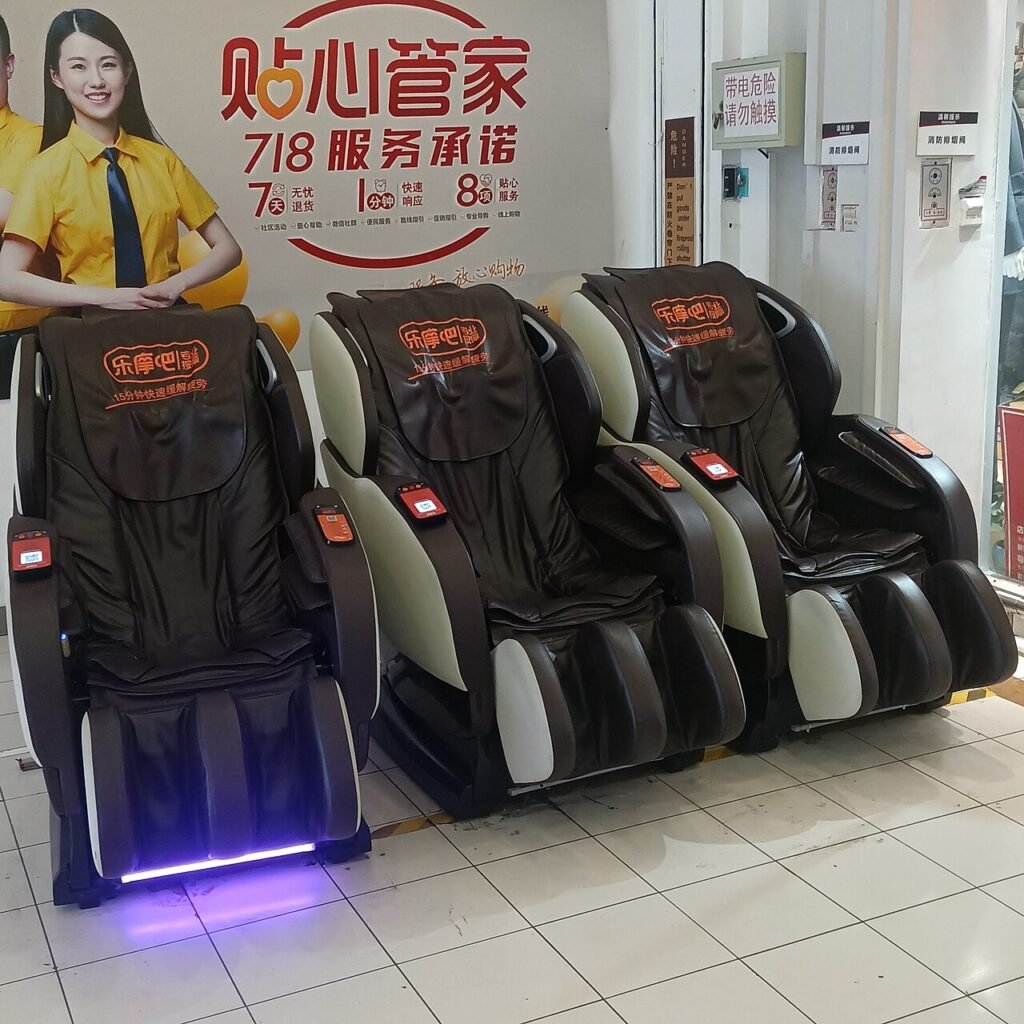
Photo: François Nguyen / Wikimedia Commons (CC BY 2.0)
This guide explains how massage chairs work and what the latest research found. You will also learn who benefits most and how to decide if one is worth the money.
Key Takeaways
- A 2025 randomized trial found 15-minute massage chair sessions, 3 times a week for 4 weeks, cut stress, low back pain, and calf pain in healthcare workers.
- Another 2025 trial found a sleep-focused chair program lowered muscle tone by 12% and heart rate by 22% before a nap.
- A 2023 study of 60 volunteers found chair massage helped the body shift into “rest and recover” mode after hard exercise.
- The evidence is promising but small, so expect comfort and relief, not a cure.
- Most people do best with 15 to 30 minute sessions a few times a week.
How Do Massage Chairs Work?
A modern massage chair combines several systems to copy the hands of a massage therapist. Knowing what each one does makes it easier to judge whether a chair will work for your body.
Rollers and Tracks
Motorized rollers move up and down a track behind your back. They knead, press, tap, and roll along the muscles beside your spine. Chairs describe their track shape as S-track, which follows the curve of your spine, or L-track, which extends under your seat to reach the glutes and hamstrings.
Air Compression
Airbags in the arms, hips, calves, and feet inflate and deflate in a rhythm. This squeezing feels similar to a compression massage and is popular for tired legs and feet.
Heat
Many chairs warm the lower back or calves. Heat feels soothing and can help tight muscles relax during a session.
Zero-Gravity Recline
Zero-gravity mode tilts the chair back so your knees rise to about heart level. This position spreads your body weight and lets gravity press your back into the rollers for a deeper massage.
Body Scanning and Programs
Higher-end chairs scan your back to find your shoulder height and spine shape. Built-in programs then mix these features into routines for goals like relaxation, sleep, or recovery.
Do Massage Chairs Work? What the Research Shows
For years, most evidence on massage chairs came from small or industry-backed studies. Several newer clinical trials now give a clearer picture.
Stress, Mood, and Pain
A 2025 randomized controlled trial in Health Science Reports studied 24 healthcare workers with moderate stress, anxiety, and depression. Half used an automated massage chair, and half practiced progressive muscle relaxation. Each group did 15-minute sessions, 3 times a week, for 4 weeks.
The massage chair group showed:
- Lower stress scores after 6 sessions and again after 12 sessions
- Lower depression scores after 6 sessions
- Less low back pain after both 6 and 12 sessions
- Less calf pain after 12 sessions
- Lower levels of myeloperoxidase, a blood marker linked to inflammation
However, the chair did not change anxiety scores, blood pressure, heart rate, or cortisol. That is a useful reminder that a massage chair supports well-being but is not a treatment for anxiety.
Relaxation and Sleep
A second 2025 crossover trial tested an automatic massage chair before daytime naps in 12 healthy adults. Each person tried four 30-minute sessions, including a placebo session where the chair switched off.
The sleep-focused program lowered muscle tone by 12% and heart rate by 22% compared with the control. It also raised self-rated sleepiness by 4.5% and sleep efficiency by 5.7%. In plain terms, people relaxed faster and slept a bit better during the nap.
Recovery After Exercise
A 2023 study in Technology and Health Care split 60 volunteers into three groups after tiring exercise: chair massage, stretching, or rest. The massage chair group showed a stronger shift toward the parasympathetic, or “rest and digest,” nervous system on heart rate variability tests than the rest group.
Here is a quick summary of the three studies:
| Study | Who | Session plan | Main result |
|---|---|---|---|
| 2025 randomized trial | 24 healthcare workers | 15 min, 3x a week, 4 weeks | Less stress, low back pain, and calf pain |
| 2025 crossover trial | 12 healthy adults | 30 min before a nap | Heart rate down 22%, muscle tone down 12% |
| 2023 recovery study | 60 volunteers | After hard exercise | Faster shift into recovery mode |
The Limits of the Evidence: Do Massage Chairs Work for Everyone?
These results are encouraging, but they come with caveats. Each study had a small sample, most lasted only hours or weeks, and none tested long-term outcomes. Chair programs also vary widely between brands.
So, do massage chairs work? For short-term relaxation and muscle comfort, the research says yes. For lasting treatment of a medical condition, the evidence is not there yet.

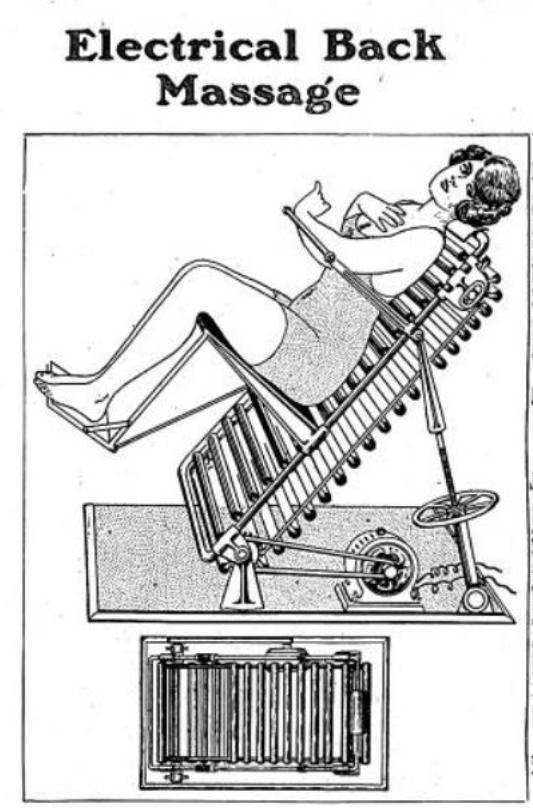
Illustration: The Electrical Experimenter, 1919 (public domain)
Massage Chairs Are Older Than You Think
The idea of a machine that massages your back is more than a century old. A 1919 issue of The Electrical Experimenter magazine showed an electrical back massage chair, shown above. Today’s chairs add computer-controlled rollers, airbags, heat, and body scanning, but the goal is the same: hands-free relief.
Watch: What Studies Say About Massage Chairs
This video walks through the research on massage chairs and what it means for everyday users:

Types of Massage Chairs
Not every massage chair works the same way. The type you choose shapes how deep and how complete the massage feels:
| Type | How it works | Best for |
|---|---|---|
| Full-body robotic chair | Rollers, airbags, heat, and recline in one chair | Whole-body relaxation at home |
| Zero-gravity chair | Reclines to raise the knees near heart level | Lower back comfort and deeper rolling |
| Massage chair pad or cushion | Rollers in a pad that sits on any chair | Small budgets and small spaces |
| Office-style massage chair | Seat with built-in back massage | Short breaks during a workday |
A full-body chair gives the most complete experience. A massage pad offers a taste of the same rolling motion for a fraction of the cost and space.
Massage Chair vs. Professional Massage
A massage chair is not a direct swap for a licensed massage therapist. Each has clear strengths:
| Factor | Massage chair | Professional massage |
|---|---|---|
| Convenience | Any time at home | Needs an appointment |
| Cost over time | One upfront price | Pay per session |
| Personal touch | Preset programs | Adjusts to your body in real time |
| Problem areas | General back, neck, and legs | Can target specific injuries |
| Best for | Daily relaxation and upkeep | Specific pain or medical needs |
Many people use both. A chair handles daily stress and stiffness, while a therapist helps with stubborn knots or injuries.
Who Benefits Most From a Massage Chair?
- Desk workers with tight shoulders, neck, and lower back from long hours of sitting
- People with high-stress jobs, like the healthcare workers in the 2025 trial
- Active adults who want an easy way to relax sore legs after workouts
- Light sleepers who want a calming routine before naps or bedtime
- Busy people who rarely have time to book a massage
Features That Matter Most
If you decide a chair is right for you, these features have the biggest effect on whether it works for your body:
- Height and weight range: Rollers must line up with your shoulders and spine. Check the listed user height and weight limits.
- Track type: An L-track reaches the glutes and hamstrings, while an S-track focuses on the back.
- Airbag coverage: Look for airbags in the calves and feet if leg fatigue is your main issue.
- Heat placement: Lower back heat is the most useful for desk workers.
- Space-saving design: Some chairs need only a few inches from the wall to recline.
- Warranty: Chairs have many moving parts, so a longer parts and labor warranty adds real value.
Who Should Be Careful?
Massage chairs are safe for most healthy adults, but some people should check with a doctor first:
- People who are pregnant
- Anyone with a history of blood clots or who takes blood thinners
- People with osteoporosis, recent fractures, or recent surgery
- Anyone with a pacemaker or other implanted device
- People with severe back problems, such as a herniated disc
Keep children and pets away from the chair while it runs, since rollers and moving footrests have pinch points. Always read your chair’s manual for its own warnings and weight limits.

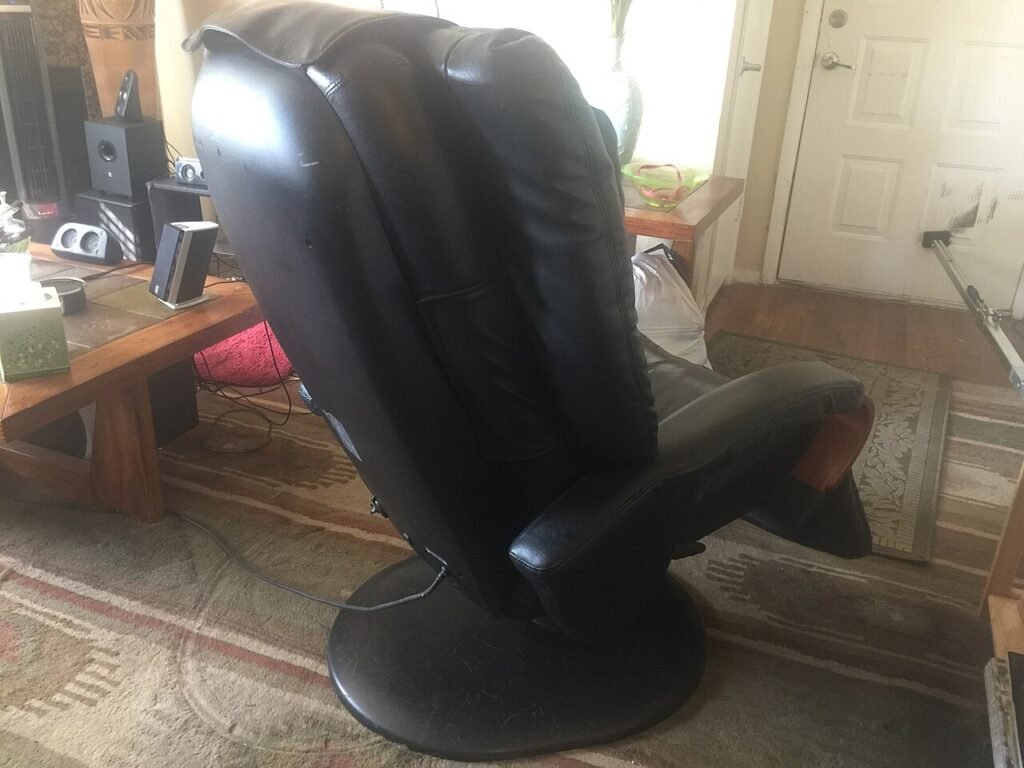
Photo: DigitalRalph / Wikimedia Commons (CC BY 2.0)
How to Get the Most From a Massage Chair
A few simple habits can make each session more effective and comfortable:
- Keep sessions to 15 to 30 minutes. The trials above used 15- and 30-minute sessions with good results.
- Use it a few times a week. The 2025 trial saw results after 6 sessions over 2 weeks.
- Start with low intensity. Build up over several sessions, especially if you are new to massage.
- Try zero-gravity mode. It takes pressure off your spine and deepens the back massage.
- Match the program to your goal. Choose relaxation or sleep modes at night and recovery modes after exercise.
- Drink water and stretch gently afterward. This helps you feel loose rather than stiff.
Not sure if a chair is for you? Many gyms now offer them. Our guide on how to use massage chairs at Planet Fitness shows how to try one before you buy.
Common Massage Chair Mistakes
- Choosing the highest intensity first. Strong rollers can leave you sore if your body is not used to them.
- Running back-to-back programs. One session at a time is enough for most people.
- Ignoring fit. If the rollers miss your shoulders, the chair will feel uncomfortable no matter its price.
- Using it through pain. Mild pressure is normal, but sharp pain means stop and adjust.
What to Expect During Your First Session
Your first time in a full-body chair can feel a little strange. Here is what usually happens:
- Body scan: The rollers move up your back to find your shoulders. Sit all the way back so the scan is accurate.
- Warm-up: Most programs start gently, then build to deeper kneading and tapping.
- Leg squeeze: Calf and foot airbags may feel tight at first. Lower the air pressure if it is uncomfortable.
- Recline: The chair may tilt back slowly into zero gravity during the program.
- Cool-down: The program usually ends with lighter strokes before the chair returns upright.
After the session, sit for a moment before standing up, especially if you were fully reclined. Note which areas felt best and adjust the program next time.
Is a Massage Chair Worth the Money?
It depends on how often you will use it. A simple way to decide is to compare the chair’s price with what you would spend on professional massages over a few years.
For example, divide the chair’s price by the cost of one massage in your area. If you would book that many massages within two or three years, a chair can pay for itself. If you only want an occasional massage, a professional session may be the better value.
Also consider space, weight, and power needs. Full-body chairs are large and heavy, so measure your room and doorways first. If a full chair is not practical, smaller tools offer targeted relief for less money. See our guides to the best massage gun and the best handheld back massager.
When you are ready to compare models, start with our best massage chair under $1,000 roundup.
Frequently Asked Questions
Do massage chairs really help back pain?
They can ease muscle-related back pain in the short term. In the 2025 trial, low back pain dropped after 6 and 12 sessions. See a doctor if your back pain is severe, lasting, or spreads down your leg.
How long should I sit in a massage chair?
Most people do well with 15 to 30 minutes per session. Longer is not better, and some people feel sore after very long sessions.
Can I use a massage chair every day?
Most healthy adults can use one daily at a comfortable intensity. If you feel sore or bruised, take a day off and lower the strength.
Do massage chairs help you sleep?
They may help you relax before sleep. In the 2025 nap study, a sleep program lowered heart rate and raised sleep efficiency compared with a control session.
Are massage chairs as good as a real massage?
Not quite. A therapist can adjust to your body and target specific problems. A chair is better for convenience and frequent, general relaxation.
Is it safe to fall asleep in a massage chair?
Most chairs stop automatically when a program ends, so dozing off during a session is usually fine. Check your manual for its auto shut-off time.
Do massage chairs improve circulation?
Airbag compression and massage can make your legs feel lighter. However, the trials above did not measure circulation directly, so treat that claim with care.
Conclusion
So, do massage chairs work? Yes, for most people who want relaxation, less stress, and short-term relief from muscle tightness. Recent trials show real benefits for stress, low back and calf pain, and relaxation, even with sessions as short as 15 minutes.
Just keep your expectations realistic. A massage chair is a comfort and wellness tool, not a medical treatment. Use it a few times a week, start gently, and talk to your doctor if you have a health condition.
Health note: This article is for general information only and is not medical advice. Talk to your doctor before using a massage chair if you have a health condition, injury, or are pregnant.


Hi, I’m Mamon, the content creator behind this blog. I share my experience in blogging, WordPress, SEO, and affiliate marketing through honest product reviews, in-depth buying guides, and practical how-to articles. Every piece of content is thoroughly researched and written to help readers make informed decisions.