What is the best soak for feet? The answer depends on what your feet need. Tired feet after a long shift want something different from dry, cracked heels or feet that smell after a gym session. The good news is that most of the best foot soaks use ingredients you already have, like Epsom salt, baking soda, vinegar, oatmeal, or tea.
This guide shares eight easy foot soak recipes, explains which soak works best for each foot problem, shows you how to soak safely, and separates realistic benefits from wishful thinking.

Key Takeaways
- The best soak for feet depends on your goal: relaxation, softening, odor control, or soothing dry skin.
- Warm water does most of the work. Add-ins mainly change the feel, scent, or texture.
- Soak for 10 to 20 minutes in warm, not hot, water, then dry well and moisturize.
- Choose fragrance-free soaks if you have sensitive skin.
- People with diabetes, neuropathy, open wounds, or infections should ask a doctor before soaking.
Quick Guide: Best Soak for Feet by Need
| Your goal | Best soak | Key ingredient |
|---|---|---|
| Relax tired feet | Classic Epsom salt soak | Epsom salt |
| Soften rough skin and calluses | Baking soda soak | Baking soda |
| Reduce foot odor | Vinegar or black tea soak | Vinegar or tea |
| Soothe dry, itchy skin | Oatmeal soak | Colloidal or ground oats |
| Pamper and moisturize | Milk and honey soak | Milk, honey |
| Calm before bed | Lavender soak | Lavender-scented salt |
| Cool and refresh | Peppermint soak | Peppermint |
| Support for athlete’s foot care | Diluted tea tree soak | Tea tree oil, alongside proper treatment |
What Makes a Good Foot Soak?
The best soak for feet has four things:
- Warm water, about 100 to 105°F, which relaxes your feet and softens skin
- A gentle add-in suited to your goal
- The right timing, usually 10 to 20 minutes
- Good aftercare, including rinsing, drying between the toes, and moisturizing
A basin works, but a heated foot spa keeps the water warm the whole time. See our guide to the best heated foot spa, or our main guide to the best home foot spa.
8 Best Foot Soak Recipes to Make at Home
Each recipe below uses about 1 gallon of warm water, which fills a typical basin to ankle depth. Adjust if your basin is bigger or smaller.
1. Classic Epsom Salt Soak (Best for Tired Feet)
- 1 gallon warm water
- 1/2 cup Epsom salt
Stir until dissolved and soak for 15 minutes. It’s the go-to soak for sore, tired feet. Learn more in our Epsom salt soak for feet guide.
2. Baking Soda Softening Soak (Best for Rough Skin)
- 1 gallon warm water
- 3 tablespoons baking soda
Baking soda gives the water a soft, slippery feel and helps loosen rough skin before exfoliating. Follow with a pumice stone or foot scrub.
3. Vinegar Soak (Best for Foot Odor)
- 1 part white or apple cider vinegar
- 2 parts warm water
Soak for 10 to 15 minutes. Vinegar’s mild acidity may help freshen feet. Skip it if you have cuts or cracked skin, since it stings, and rinse well afterward.
4. Black Tea Soak (Best for Sweaty Feet)
- 2 black tea bags
- 2 cups boiling water, then add to 2 quarts cool water
Let the tea steep for 10 to 15 minutes before adding cool water so the soak is warm, not hot. Many people use tea soaks for sweaty feet because tea contains tannins, though research on foot soaks is limited. Tea can stain, so use an old basin.
5. Oatmeal Soak (Best for Dry, Itchy Skin)
- 1 gallon lukewarm water
- 1/2 cup finely ground plain oats or colloidal oatmeal
Grind plain oats in a blender until powdery, then stir into lukewarm water. Oatmeal is a classic ingredient in soothing skin products. Pat dry gently afterward rather than rubbing.
6. Milk and Honey Soak (Best for Pampering)
- 1 gallon warm water
- 1 cup whole milk
- 2 tablespoons honey
A gentle, spa-style soak for soft feet. Rinse with plain water afterward so your feet aren’t sticky.
7. Lavender Calming Soak (Best Before Bed)
- 1 gallon warm water
- 1/2 cup lavender-scented Epsom salt
Using a ready-made scented salt is easier and safer than adding undiluted oil. Soak about an hour before bed.
8. Cooling Peppermint Soak (Best After a Long Day)
- 1 gallon warm water
- 1/2 cup Epsom salt
- A ready-made peppermint foot soak, or 3 to 5 drops of peppermint oil mixed into a tablespoon of carrier oil
Peppermint feels cool and tingly. Patch-test first, and skip it if you have sensitive skin.
For guidance on oils, see our guide to essential oils for foot soak.
A Note on Tea Tree Oil Soaks
Tea tree oil is a popular add-in for people with athlete’s foot. The National Center for Complementary and Integrative Health (NCCIH) says a small amount of evidence suggests topical tea tree oil might help athlete’s foot, but more studies are needed. NCCIH also warns that some people develop skin redness or irritation, and that tea tree oil should never be swallowed.
If you try it:
- Mix a few drops into a carrier oil before adding to water
- Patch-test on a small area first
- Use it alongside, not instead of, a proven antifungal treatment
- See a doctor if athlete’s foot doesn’t improve within two weeks
Best Soak for Feet by Problem
Tired, Sore Feet
Warm water with Epsom salt is hard to beat. Pair it with a few minutes of foot massage. Our guide to massage for feet pain explains simple techniques.
Dry, Cracked Heels
Use a short baking soda or oatmeal soak, file gently, then apply a thick cream. The American Academy of Dermatology recommends a gentle, fragrance-free cleanser, moisturizing within 5 minutes of bathing with a cream containing urea, alpha hydroxy acid, or salicylic acid, and plain petroleum jelly with socks before bed.
Foot Odor
Try the vinegar or black tea soak once or twice a week. Then dry thoroughly between your toes, change socks daily, and rotate shoes.
Calluses
Soak in warm water with baking soda or Epsom salt for 10 minutes, then use a wet pumice stone gently. Never cut calluses yourself.
Swollen Feet
A cool or lukewarm soak may feel better than a hot one. Elevate your feet afterward. Sudden or one-sided swelling needs a doctor’s check.
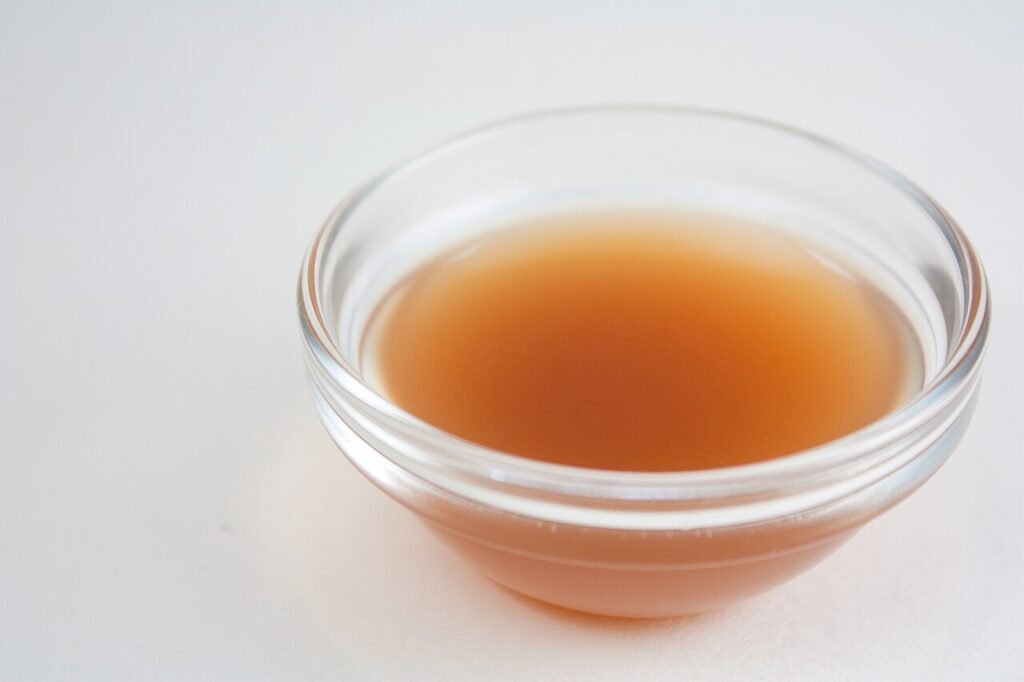
Photo: Veganbaking.net / Wikimedia Commons (CC BY-SA 2.0)
How to Soak Your Feet the Right Way
- Fill a basin with warm water, about 100 to 105°F. Test with your hand.
- Add your ingredients and stir to dissolve.
- Sit down comfortably and soak for 10 to 20 minutes.
- Exfoliate gently if needed.
- Rinse with clean water.
- Dry thoroughly, especially between your toes.
- Moisturize right away and put on socks.
- Clean your basin or foot spa.
For a complete routine, see our guide to a feet spa treatment at home.
How Often Should You Soak Your Feet?
| Goal | How often |
|---|---|
| Relaxation | 1 to 3 times a week |
| Softening skin | 1 to 2 times a week |
| Odor control | 1 to 2 times a week, plus daily hygiene |
| Sensitive or dry skin | Once a week, with a gentle soak |
Soaking too often can dry your skin, so always moisturize afterward.
Ingredients to Avoid in a Foot Soak
- Bleach or harsh cleaners. They can burn and damage skin.
- Undiluted essential oils. They can irritate or sensitize skin.
- Very hot water. It can scald skin, especially if you have reduced feeling.
- Mouthwash soaks with alcohol, which can dry and sting skin.
- Large amounts of salt or vinegar, which can dry or irritate.
- Anything on open wounds or infected skin.
Also, check your electric foot spa manual before using oils, oats, tea, or salt, since they can clog jets and pumps. Our guide on how to clean a foot spa covers cleanup.
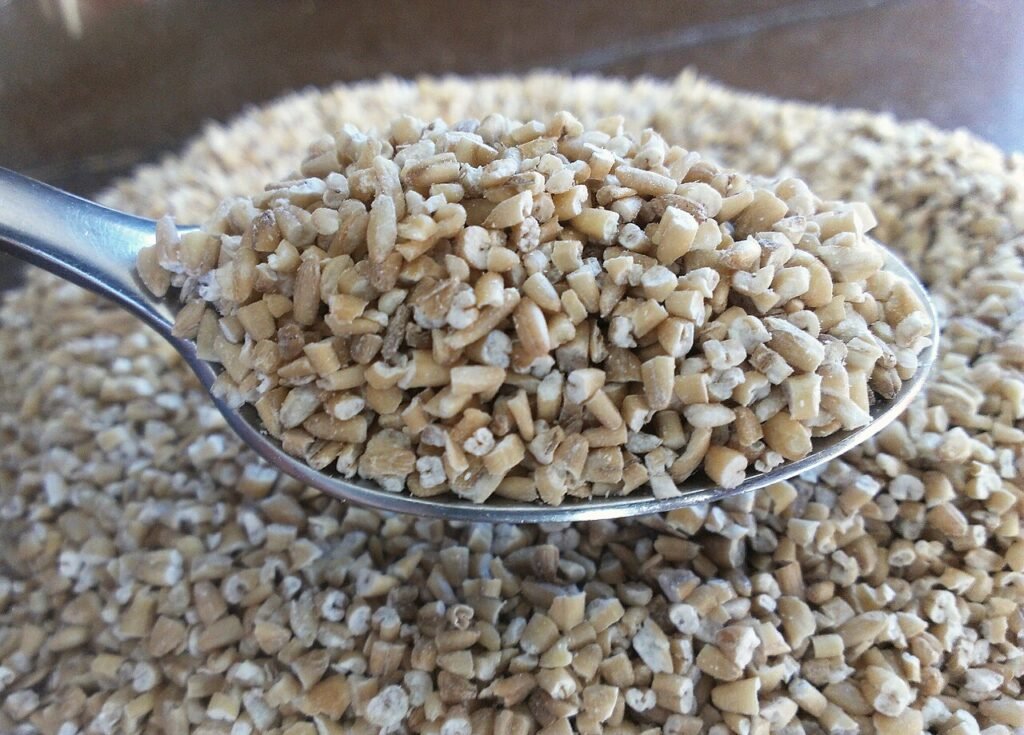
Photo: Ragesoss / Wikimedia Commons (CC BY-SA 3.0)
Store-Bought vs DIY Foot Soaks
| Factor | Store-bought foot soak | DIY foot soak |
|---|---|---|
| Cost | Higher per use | Very low |
| Convenience | Ready to pour | Takes a minute to mix |
| Ingredients | Often include fragrance and dyes | You control every ingredient |
| Scent | Strong, consistent | Mild, customizable |
| Best for | Gifts, scent lovers | Sensitive skin, everyday use |
If you buy a ready-made soak, check the label for fragrance, dyes, and whether it’s safe to use in a foot spa.
Make-Ahead Foot Soak Jars
You can mix dry ingredients ahead of time and store them in a sealed jar for quick soaks, or give them as gifts.
Basic make-ahead blend:
- 2 cups Epsom salt
- 1/2 cup baking soda
- Optional: 2 tablespoons dried lavender buds in a muslin bag, so they don’t clog your basin or foot spa
Use about 1/2 cup of the blend per gallon of warm water. Store it in a cool, dry place and use within a few months. Our foot spa gift set guide has more ideas for packaging.
What to Use After a Foot Soak
The right aftercare locks in the benefits of your soak:
| Product | Why use it | Best for |
|---|---|---|
| Urea cream (10% to 25%) | Softens thick, rough skin | Calluses, cracked heels |
| Petroleum jelly | Seals in moisture overnight | Very dry feet |
| Shea butter cream | Rich, nourishing feel | Everyday softness |
| Fragrance-free lotion | Gentle hydration | Sensitive skin |
| Cotton socks | Keep moisturizer in place | Overnight treatment |
| Antifungal powder | Keeps feet dry | Sweaty feet, athlete’s foot prevention |
Best Soak for Feet by Season
- Winter: Dry indoor heat and cold weather leave heels cracked. Choose a short oatmeal or milk and honey soak, then apply petroleum jelly under socks.
- Spring: Prep feet for sandal season with a baking soda soak and gentle exfoliation once a week.
- Summer: Sweaty feet and sandals call for a cooling peppermint or black tea soak, plus a thorough dry.
- Fall: As you switch back to closed shoes, use a classic Epsom salt soak to ease tired feet and check for blisters or calluses.
Signs Your Foot Soak Isn’t Right for You
Stop using a soak and switch to plain water if you notice:
- Stinging, burning, or redness
- Itchy bumps or a rash
- Skin that feels tighter or drier after soaking
- Cracks that get deeper
If irritation continues after you stop, see a dermatologist.
Who Should Be Careful With Foot Soaks?
Check with your doctor before soaking if you have:
- Diabetes or neuropathy, since reduced feeling can make it hard to judge temperature, and soaking can dry skin
- Poor circulation
- Open cuts, blisters, or skin infections
- Eczema or very sensitive skin
- Allergies to any of the ingredients
Frequently Asked Questions
What is the best soak for feet?
For most people, a warm Epsom salt soak is the best all-around choice for tired feet. For dry skin, try oatmeal. For odor, try vinegar or black tea. For rough skin, try baking soda.
How long should I soak my feet?
About 10 to 20 minutes is ideal. Longer soaks can dry out your skin.
What can I soak my feet in to soften them?
Warm water with baking soda or Epsom salt softens rough skin. Follow with gentle exfoliation and a thick moisturizer.
What should I soak my feet in for odor?
A vinegar soak or black tea soak once or twice a week may help, along with drying your feet well and changing socks daily.
Can I combine foot soak ingredients?
Yes, simple combinations like Epsom salt and baking soda work well. Avoid mixing vinegar and baking soda in the same soak, since they react and cancel each other out.
Is it safe to soak feet every day?
Short daily soaks are fine for many people, but they can dry the skin. Moisturize after each soak and cut back if your skin gets dry or irritated.
What is the best soak for feet before a pedicure?
A simple warm water soak with a little Epsom salt or baking soda softens nails, cuticles, and dead skin. Ten minutes is usually enough before trimming and filing.
Should I use warm or cold water for a foot soak?
Warm water is best for relaxing and softening. Cool water may feel better for hot, swollen, or overworked feet after exercise.
Can I reuse foot soak water?
No. Used soak water contains dead skin, sweat, and bacteria. Pour it out after each use, rinse the basin, and let it dry before your next soak.
Do foot soaks really work?
They work well for comfort, relaxation, and softening skin. They don’t detox the body or cure infections, so see a doctor for medical problems.
Conclusion
The best soak for feet is the one that matches your goal. Choose Epsom salt for tired feet, baking soda for rough skin, vinegar or black tea for odor, oatmeal for dry and itchy skin, and lavender for a calming bedtime routine. Keep the water warm, soak for 10 to 20 minutes, dry well, and moisturize every time.
For an even more relaxing soak, consider a foot spa with heat and massage. Start with our main guide to the best home foot spa, and learn more about the real foot spa benefits.
Health note: This article is for general information only and is not medical advice. If you have diabetes, an infection, or a skin condition, talk to your doctor before trying a home foot soak.

Hi, I’m Mamon, the content creator behind this blog. I share my experience in blogging, WordPress, SEO, and affiliate marketing through honest product reviews, in-depth buying guides, and practical how-to articles. Every piece of content is thoroughly researched and written to help readers make informed decisions.
Leave a Reply