

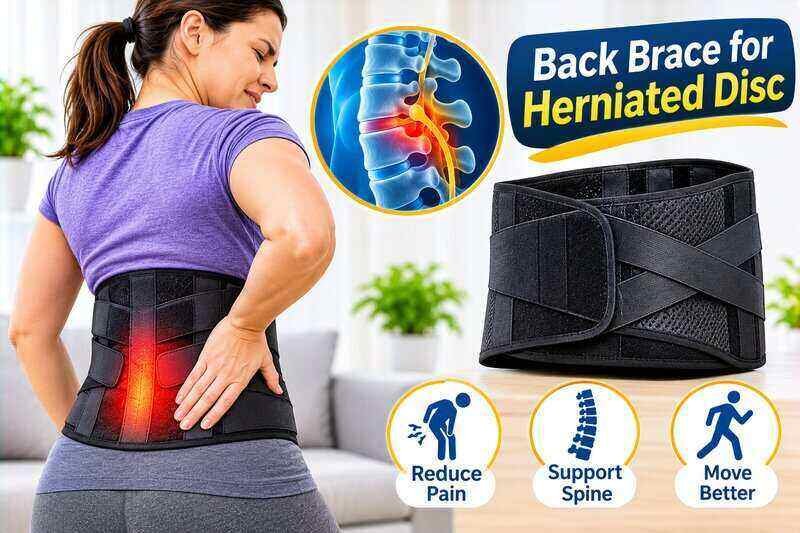
The right back support for a herniated disc can make the first few weeks far more manageable. A brace can limit the bending and twisting that aggravate a disc, ease muscle spasms, and help you stay active while the disc settles. It will not push the disc back into place, but used well, it can be a helpful part of recovery.
This guide explains what a herniated disc is, how a back brace may help, which type of support fits which situation, how long to wear it, and what else speeds recovery. If you are new to braces, our explainer on what a back brace does covers the basics.

What Is a Herniated Disc?
Your spine is made of bones called vertebrae, with a rubbery disc between each one. Each disc has a tough outer ring and a soft, jelly-like center. A herniated disc happens when that center pushes through a weak spot in the outer ring. People also call it a slipped, ruptured, or bulging disc, though a bulge is usually a milder change where the ring stretches without tearing.
According to the American Academy of Orthopaedic Surgeons (AAOS), a herniated disk is one of the most common causes of lower back pain and leg pain, or sciatica. Between 60% and 80% of people will have low back pain at some point in their lives, and some of those cases come from a herniated disk.
Common symptoms include:
- Lower back pain, often worse when bending, sitting, coughing, or sneezing
- Pain that shoots down the buttock and leg
- Tingling or numbness in the leg or foot
- Weakness in the leg or foot
The good news from the AAOS is that although a herniated disk can be very painful, most people feel much better with just a few weeks or months of nonsurgical treatment.
Can a Back Brace Help a Herniated Disc?
A brace cannot repair a disc, but it can support recovery in several ways:
- Limiting harmful movement. Forward bending and twisting increase pressure on a damaged disc. A brace makes those motions harder, which can prevent painful flare-ups.
- Calming muscle spasms. The muscles around an injured disc often tighten to guard it. Compression and warmth can ease that tension.
- Sharing the load. Squeezing the abdomen raises pressure in the belly, which may take a little weight off the lower spine.
- Keeping you moving. Feeling supported can help you walk and do light tasks instead of lying in bed, which slows recovery.
- Building good habits. The brace reminds you to keep your back straight and bend at the knees.
In short, a brace is best used as a short-term support while your disc heals, not as a long-term fix. For a deeper look at the research on braces in general, see our article on whether back braces really work.
Which Back Support Is Best for a Herniated Disc?
The best back support for a herniated disc depends on how severe your symptoms are and what your doctor recommends.
| Support type | Level | Best for |
|---|---|---|
| Soft elastic lumbar belt | Light | Mild pain, light chores, walking |
| Elastic belt with stays and lumbar pad | Moderate | Most disc flare-ups, work shifts |
| Inelastic pulley brace | Firm | Moderate to severe pain, weak grip |
| Rigid LSO (lumbosacral orthosis) | Maximum | Doctor-directed use, after surgery |
| Lumbar cushion for chairs | Seated support | Desk work and driving |
For most people with a recent disc flare-up, an elastic belt with firm stays and a lumbar pad is a practical choice. It gives enough support to limit bending without locking your back in place. Our guide to the best lumbar support belt compares 10 options, from elastic wraps to pulley braces and a rigid LSO.
What About a Bulging Disc?
A bulging disc often causes milder symptoms than a full herniation. A light to moderate elastic belt is usually enough. Many people only need it for the activities that trigger pain, such as yard work or lifting.
What About a Rigid Brace?
Rigid braces have hard plastic panels that hold the spine still. They are mainly used after spine surgery or for specific conditions, and usually only on a doctor’s advice. For a typical disc flare-up, a rigid brace can be more than you need and may let your back muscles weaken faster.
How to Wear a Back Brace for a Herniated Disc
Good habits make a brace far more helpful:
- Position it low. The back panel or lumbar pad should sit over the lower curve of your spine, where most disc herniations occur.
- Snug, not tight. You should be able to take a deep breath and slide a flat hand under the edge.
- Wear it for activities. Use it for walking, standing tasks, lifting, and car rides.
- Take it off to rest. Remove it when lying down or sleeping, unless your doctor says otherwise.
- Loosen it when sitting. Sitting puts more pressure on the discs, and a tight brace can push you into a slump.
- Check your skin. Wear a thin shirt underneath and watch for red marks or irritation.
Our step-by-step guide on how to properly wear a back brace shows exactly where it should sit and how tight it should be.
In the video below, two physical therapists walk through back braces for herniated discs, back pain, and related conditions.
How Long Should You Wear a Brace for a Herniated Disc?
There is no single rule, but most people do best with short, targeted use:
- First days to two weeks: Wear the brace during activities that bring on pain, a few hours a day.
- Weeks two to six: Start reducing use as pain eases and you build strength with gentle exercise.
- After six weeks: Most people need the brace only for heavy tasks, if at all.
If your doctor or physical therapist gives you a different schedule, follow theirs. Long-term, all-day use can let your core muscles do less work, which may raise the risk of future back problems.
Other Ways to Help a Herniated Disc Heal
A brace works best alongside other proven steps. The AAOS notes that nonsurgical treatment is effective for most people.

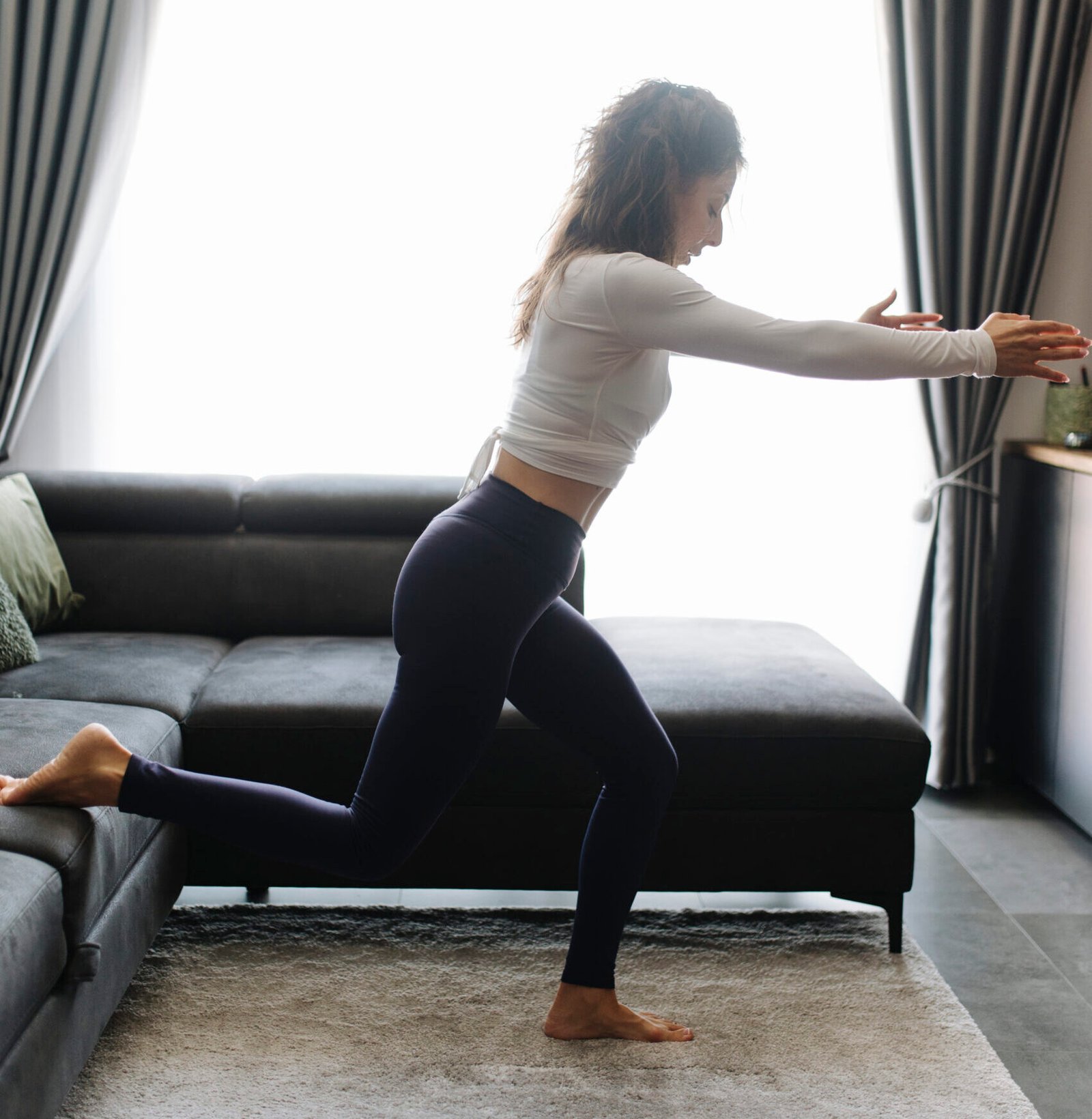
Photo: Shixart1985, CC BY 2.0, via Wikimedia Commons
Use Ice, Then Heat
The AAOS suggests cold packs or ice several times a day, for no more than 20 minutes at a time. After muscle spasms settle, gentle heat may help relax tight muscles.
Stay Active
Short walks several times a day keep blood flowing and your spine mobile. Avoid long periods of bed rest, which can make stiffness worse.
Try Physical Therapy
A physical therapist can teach you exercises that ease pressure on the disc and strengthen the muscles that support your spine. Some people respond well to gentle extension exercises, such as lying on your stomach and propping up on your elbows, but only do these with guidance.
Consider Pain Relief Devices
A TENS machine for pain relief uses mild electrical pulses that some people find soothing. Gentle massage can also relax tight muscles. Our guide to lower back massage techniques covers safe methods.
Ask About Inversion and Traction
Some people use an inversion table to gently stretch the spine. It is not right for everyone, especially people with high blood pressure, glaucoma, or heart problems. Our guide on how to use an inversion table for a herniated disc explains the precautions.
Protect Your Back Day to Day
- Bend at your hips and knees, not your waist
- Hold heavy items close to your body
- Avoid twisting while lifting
- Get up and move every 30 minutes when sitting
- Keep a healthy weight, since extra weight adds stress to the lower back discs
Sitting, Sleeping and Driving With a Herniated Disc
Daily positions can make a big difference to how a herniated disc feels. Sitting puts more pressure on the lower back discs than standing or lying down, so it is often the hardest part of the day.
Sitting
- Choose a chair with firm lumbar support, or place a small cushion or rolled towel behind your lower back
- Keep your feet flat on the floor and your knees level with or slightly below your hips
- Stand up and walk for a few minutes every 30 minutes
- Loosen your brace while seated so it does not dig into your hips
Sleeping
Most people do not need a brace in bed. Instead, try one of these positions:
- On your back with a pillow under your knees to keep a gentle curve in your lower back
- On your side with a pillow between your knees to keep your hips and spine lined up
- Avoid your stomach unless a physical therapist has suggested it, since it can strain the lower back for some people
Getting out of bed is a common trigger for pain. Roll onto your side, drop your legs over the edge, and push up with your arms rather than sitting straight up.
Driving
Long drives can aggravate a herniated disc because you sit still and absorb road vibration. A brace with a lumbar pad can help keep your back from slumping. Move your seat close enough that your knees stay slightly bent, adjust the backrest to a slight recline, and stop every hour to stretch and walk.
Common Mistakes When Using Back Support for a Herniated Disc
Avoid these errors, which can slow recovery or make pain worse:
- Buying the wrong size. Measure around your belly button, not by pants size.
- Wearing it too high. A brace sitting over the ribs does little for a lower back disc.
- Relying on it for heavy lifting. A brace does not make it safe to lift more than you normally would.
- Never taking it off. Constant use can let your muscles weaken.
- Skipping exercise. The brace supports you while you rebuild strength, it does not replace that work.
When Is Surgery Needed?
Most herniated discs never need surgery. According to UCHealth, about 10% of people with herniated disks do not improve after six weeks of nonsurgical treatment, and a doctor may recommend surgery in those cases.
Surgery may also be considered sooner if you have severe or worsening leg weakness, or signs of nerve compression that affect bladder or bowel control. After surgery, your surgeon may prescribe a specific brace. Always follow their instructions rather than choosing your own.

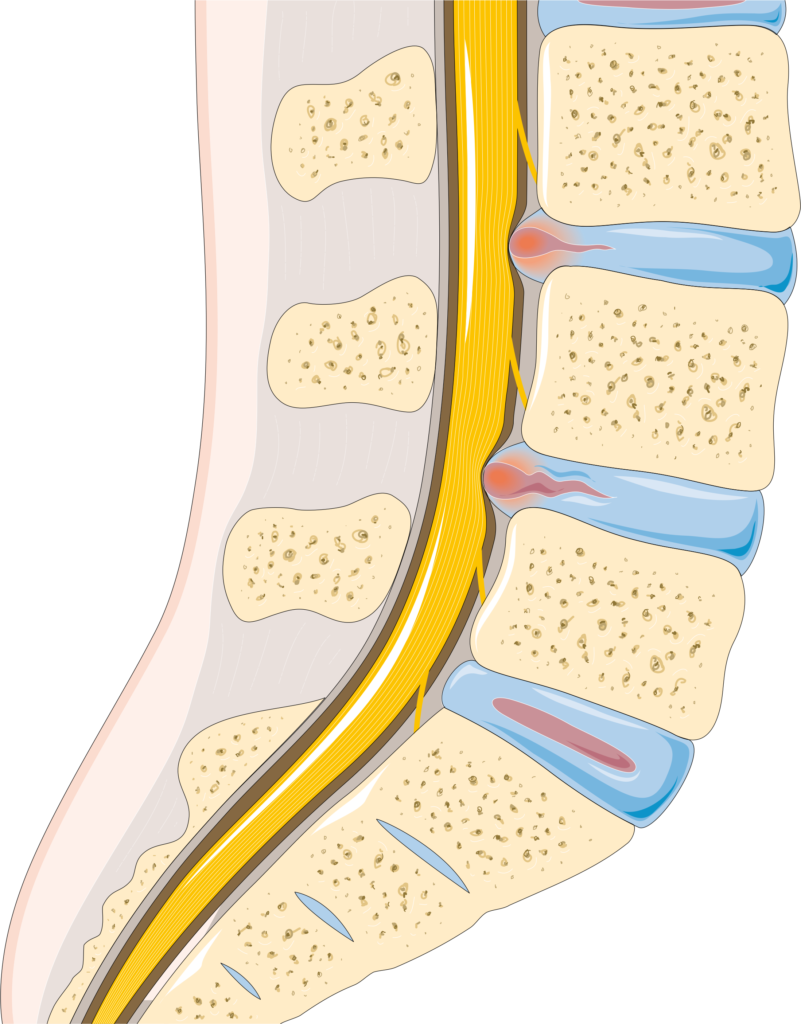
Illustration: Laboratoires Servier, CC BY-SA 3.0, via Wikimedia Commons
When to See a Doctor
Seek care promptly if you have:
- Loss of bladder or bowel control, or numbness in the groin or inner thighs (seek emergency care)
- New or worsening weakness in your leg or foot
- Pain in both legs
- Pain after a fall or accident
- Pain that has not improved after about six weeks, or keeps getting worse
Your doctor may order an MRI if your symptoms are severe or not improving, to confirm the diagnosis and rule out other causes.
Frequently Asked Questions
What is the best back support for a herniated disc?
For most people, an elastic lumbar belt with firm stays and a lumbar pad works well during a flare-up. People with more severe pain or weak grip may prefer a pulley brace. Rigid braces are usually reserved for use after surgery or on a doctor’s advice.
Can a back brace fix a herniated disc?
No. A brace cannot move the disc back into place. It can limit painful movements and help you stay active while the disc heals on its own, which most do within weeks to months.
Should I wear a back brace all day with a herniated disc?
Usually not. Wear it for activities that cause pain, and take it off when resting. Constant use may let your core muscles weaken.
Can I sleep in a back brace with a herniated disc?
Most people should not. Lying down already reduces pressure on the discs. Sleep in a brace only if your doctor tells you to.
Does a back brace help a bulging disc?
It can. A light to moderate elastic belt can ease symptoms during activities that cause pain, such as lifting or yard work.
How long does a herniated disc take to heal?
Most people feel much better within a few weeks to a few months of nonsurgical treatment. If you have not improved after about six weeks, see your doctor.
The Bottom Line
The best back support for a herniated disc is one that limits painful movement without locking your back in place. For most people, that means an elastic lumbar belt with stays, worn during activities for the first few weeks, then gradually reduced. A brace will not repair the disc, but it can help you stay active while your body does the healing, which the AAOS says happens for most people within weeks to months.
Pair your brace with ice and heat, short walks, and exercises from a physical therapist, and see a doctor if you have leg weakness, numbness, or pain that is not improving. For more options, see our guide to the best back braces, and if your disc is causing leg pain, read our guide to back braces for sciatica.
This article is for general information and is not medical advice. See a doctor for a diagnosis and treatment plan for a herniated disc.


Hi, I’m Mamon, the content creator behind this blog. I share my experience in blogging, WordPress, SEO, and affiliate marketing through honest product reviews, in-depth buying guides, and practical how-to articles. Every piece of content is thoroughly researched and written to help readers make informed decisions.