Ever wondered how long does distilled water last once you bring it home or make your own batch? Knowing the answer helps you keep it safe, pure, and ready to use whenever you need it.
An unopened, properly sealed container of distilled water can stay chemically stable for years, and some sealed glass containers hold up almost indefinitely. Once you open that container, though, the clock starts ticking, and how long it stays fresh depends heavily on how you store it.
Storing distilled water the right way is just as important as the distillation process itself. Where you keep it, what container it’s in, and how often it’s opened can all make a real difference in how long it lasts.
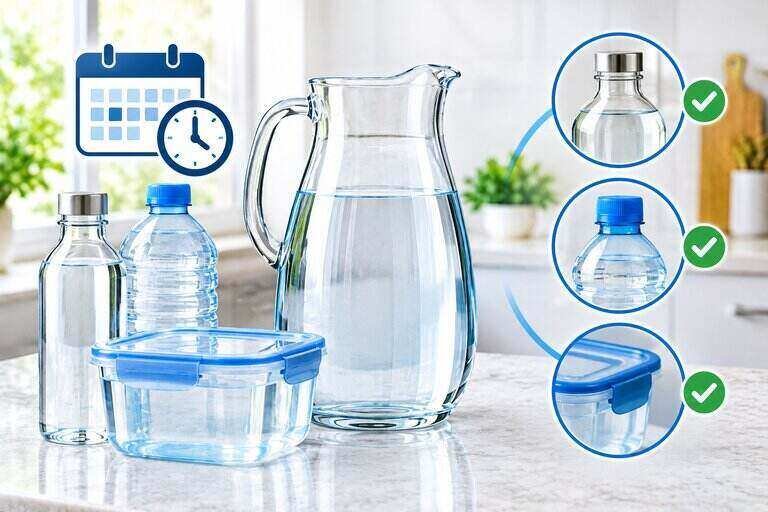
Key Takeaways
- Sealed, unopened distilled water can last well over a year and often much longer at room temperature
- Properly sealed glass containers can preserve distilled water almost indefinitely
- Opened containers have a much shorter usable window that varies by use
- Temperature, light exposure, and container type all significantly affect water quality over time
- Regular visual and smell checks help you catch contamination before it becomes a problem
Understanding Distilled Water and Its Unique Properties
Distilled water is about as clean as water gets. The distillation process removes the vast majority of dissolved minerals and contaminants. That’s exactly why it’s used in places where water purity really matters, from medical devices to laboratory research.
It’s also a big part of why how long does distilled water last has a different answer than the same question for tap or bottled spring water. Tap water carries trace minerals and, depending on your municipal supply, a small amount of residual disinfectant that can change flavor over time. Distilled water has neither, so its flavor and chemistry stay remarkably consistent for as long as the container stays sealed.
What Makes Distilled Water Different
Distilled water isn’t like tap or spring water. It has a few defining features:
- An extremely low total dissolved solids (TDS) level
- Very low electrical conductivity, since there are few dissolved ions to carry a charge
- A pH close to neutral when freshly made, though it drifts slightly acidic over time
- No minerals or organic material left behind for bacteria to feed on
The Distillation Process Explained
Distillation changes water through evaporation and condensation. Heating water to a full boil turns it into steam, leaving minerals, heavy metals, and most contaminants behind. When that steam cools and condenses back into liquid, what’s left is close to pure H2O.
Why Purity Matters for Storage
How long water stays usable is closely tied to how pure it was to begin with. Under FDA regulations (21 CFR 165.110), water sold as “purified” must contain no more than 10 parts per million of total dissolved solids. Distillation typically goes well beyond that baseline, producing water in the 1 to 5 ppm TDS range.
That near-total absence of dissolved minerals is part of why distilled water stays chemically stable for so long when it’s sealed and stored correctly. There’s almost nothing dissolved in it to react, break down, or feed bacterial growth. As a result, distilled water holds its purity far longer than tap or mineral water under the same conditions.
Freshly distilled water also starts out close to pH-neutral, right around 7. Once it’s exposed to air, it slowly absorbs carbon dioxide and becomes mildly acidic, typically settling somewhere between 5.5 and 6.9. That’s a normal, harmless part of how distilled water behaves once opened, not a sign of spoilage.
Factors That Affect Shelf Life
A handful of variables determine how long does distilled water last in your specific situation. Whether the container has ever been opened is the single biggest factor, since an unbroken seal keeps out airborne contaminants and bacteria almost entirely.
Container material matters too. Glass and high-grade HDPE resist leaching far better than thin, low-grade plastics, which can slowly introduce trace chemicals into the water over months or years. Storage temperature and light exposure round out the list, since heat and sunlight both encourage microbial growth inside an open or poorly sealed container.
Finally, how the water is used plays a role. Water that’s repeatedly opened, poured, and resealed picks up more airborne contamination over time than a container that’s opened once and used up quickly.
How Long Does Distilled Water Last?
Knowing how long does distilled water last is key to keeping it safe and useful. The realistic shelf life of a bottle or container depends on several factors, most importantly whether it’s sealed and how it’s stored afterward.
It also depends on how you produced the water in the first place. That might be a store-bought jug from the grocery store, or a batch you made yourself at home. If you’re curious about the production side of things, our guide on how long it takes to distill water at home covers realistic timelines for different methods.

Shelf life changes quite a bit based on whether the container is sealed or already open:
- Unopened commercial bottles typically carry a 1 to 2 year shelf life on the label, though the water itself often stays usable well beyond that
- Sealed glass containers stored properly can preserve distilled water for an especially long time, since glass doesn’t leach chemicals into the water
- Opened containers have a much shorter practical shelf life, and it varies a lot depending on what the water is used for
Once opened, how long distilled water stays fresh depends heavily on its intended use:
| Application | Opened Container Shelf Life |
|---|---|
| Drinking or infant formula | 1-2 weeks (2-3 weeks refrigerated) |
| Medical Equipment (CPAP, humidifiers) | 1-2 months |
| Steam Irons and Small Appliances | 6-12 months |
| Automotive/Technical (batteries, cooling systems) | 1-2 years |
To keep distilled water at its best, store it in a clean, tightly sealed container away from direct sunlight. Watch for signs of contamination like cloudiness, unusual smells, or changes in taste. Replacing containers every six months or so helps prevent bacteria from building up on the container itself, even when the water inside is still pure.

Always check your distilled water before using it for sensitive applications like medical equipment or lab work, even if it’s within its expected shelf life window.
Proper Storage Conditions for Maximum Shelf Life
Keeping your distilled water clean takes a little care in how and where you store it. The right conditions can keep it pure and usable for a long time. This holds true whether you buy it by the jug or make your own with a water distiller.
Ideal Temperature and Environment
Temperature matters a lot for storing distilled water well. Aim for a cool, stable environment, ideally between 50 and 70°F, since sustained heat or repeated temperature swings can affect both the water and the container.
- Keep containers away from direct sunlight
- Maintain a consistent room temperature
- Avoid storing near ovens, radiators, or other heat sources
- Choose cool, dark storage spaces like a cabinet or pantry
Best Container Types for Storage
Choosing the right container matters just as much as the storage spot, and it has a real effect on how long does distilled water last once you’ve opened it. Glass and high-grade HDPE (high-density polyethylene) are the best materials for keeping distilled water clean.
- Glass containers won’t leach chemicals into the water
- High-grade HDPE resists contamination and holds up well over time
- Avoid reusing containers that previously held chemicals or other liquids
- Make sure lids and seals are clean and fit tightly
Impact of Light and Heat Exposure
Protecting distilled water from light and heat is one of the simplest ways to extend its usable life. Too much of either can encourage algae or bacterial growth in the container, even though the water itself started out essentially sterile.
Storing your distilled water in a cool, dark cabinet away from direct sunlight and heat sources is one of the most effective ways to maximize its shelf life. Following these storage habits keeps distilled water clean and safe for both household and medical use.
Signs of Compromised Distilled Water Quality

Keeping your distilled water safe means checking on it now and then. Spotting early signs of a quality drop helps you avoid using water that’s no longer suitable for its intended purpose.
When you check your distilled water, watch for these warning signs:
- Visible particles or unexpected cloudiness
- An unusual or distinctly different taste
- A noticeable chemical or plastic odor
- Container discoloration or visible structural damage
- Algae growth, especially in containers exposed to sunlight
If you notice any of these signs, it’s best to discard the water and start with a fresh batch rather than risk using compromised water, particularly for medical or lab-sensitive uses. When in doubt, throw it out.
Common Uses and Storage Requirements
Distilled water shows up in a lot of different roles around the house, and each one comes with its own realistic storage window. According to CDC guidance on home water treatment, distillation is one of the more thorough methods for removing bacteria, parasites, and many chemical contaminants, which is part of why it’s trusted for sensitive uses.
For medical uses like CPAP machines and humidifiers, precision matters. Use glass or high-grade HDPE containers, and plan to work through an opened container within about one to two months. Keep the area clean and avoid touching the container’s opening to reduce the risk of contamination.
Lab and Scientific Applications
Laboratory and scientific work often has the strictest standards of all, since even trace contamination can throw off sensitive results. Many labs treat opened distilled water as good for days rather than weeks, and they typically source fresh batches regularly rather than relying on long-term storage.
For less sensitive lab or hobby applications, such as aquariums or plant care, the household timelines above are a reasonable guide. It’s still worth checking the water before use if it’s been sitting for a while, since even non-critical uses benefit from fresh, uncontaminated water.
Household and Everyday Uses
Around the house, distilled water is useful for cooking, cleaning, and keeping certain appliances running without mineral buildup. Store it in its original container or a clean food-grade one, away from sunlight and household chemicals. For drinking, plan to use an opened container within about one to two weeks, or two to three weeks if you keep it refrigerated. If you’d rather make your own as needed, our guide on how to make distilled water with a kettle walks through a simple stovetop method.
Technical and Automotive Applications
For cars and technical equipment, distilled water storage can be a little more forgiving. It’s commonly used in radiators, battery maintenance, and cooling systems, and an opened container used for these purposes can reasonably last one to two years if kept sealed and stored between roughly 50 and 70°F. Label containers with the date they were opened, and check periodically for any signs of contamination before use.
If you’re deciding whether to buy distilled water or produce it yourself, our breakdown of how much distilled water costs compares the ongoing cost of both options.
Conclusion
So, how long does distilled water last? The honest answer depends almost entirely on whether the container is sealed and how carefully you store it afterward. An unopened, properly sealed container can remain stable for a year or more, and sealed glass containers can last especially long. An opened container’s practical shelf life is much shorter, ranging from a couple of weeks for drinking water to a couple of years for automotive use.
The core principles stay the same across every use case. Keep containers sealed when not in use, store them somewhere cool and dark, and choose glass or high-grade HDPE over questionable plastics. Trust your senses if something looks, smells, or tastes off, and when in doubt, replace the batch. With those habits in place, distilled water reliably stays pure and safe for exactly as long as you need it to.
Whether you buy distilled water by the gallon or produce your own at home, understanding how long does distilled water last under different conditions helps you avoid waste, protect sensitive equipment, and always have a fresh, reliable supply on hand.

Hi, I’m Mamon, the content creator behind this blog. I share my experience in blogging, WordPress, SEO, and affiliate marketing through honest product reviews, in-depth buying guides, and practical how-to articles. Every piece of content is thoroughly researched and written to help readers make informed decisions.
Leave a Reply