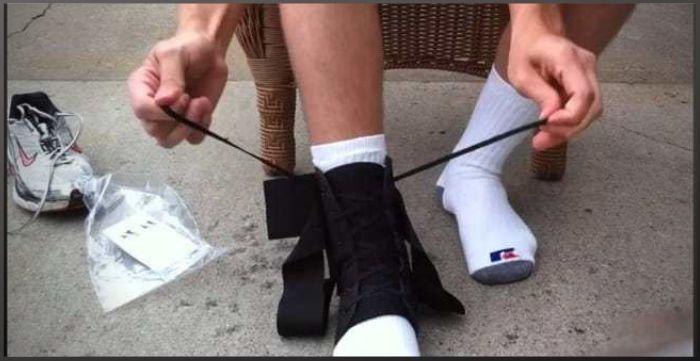
Learning how to wear an ankle brace with shoes makes a real difference during recovery from a sprain or ongoing ankle instability. Many people assume a brace and a shoe simply do not fit together, so they skip wearing the brace during the day and lose out on the support they need most. This guide covers choosing the right brace, picking shoes that actually work with it, and fitting everything together comfortably for U.S. readers managing an ankle injury.
Key Takeaways
- Low-top athletic shoes with a roomy toe box generally work best with ankle braces.
- A thinner, low-profile brace fits inside more shoe styles than a bulky one.
- Lace-up shoes give you the room to adjust fit around the brace as needed.
- Most sprains need a brace for two to six weeks, depending on severity.
- Always follow your doctor’s specific advice if you have a chronic ankle condition.
Why Wear an Ankle Brace With Shoes?
An ankle brace supports the joint during recovery from a sprain or other injury. It also helps prevent new injuries during sports or daily activity. Wearing the brace consistently, rather than only at certain times, gives you the most benefit. That consistency is hard to maintain if you cannot wear normal shoes over the brace during the day.
A properly fitted brace and shoe combination lets you stay active while your ankle heals. It also reduces the temptation to skip the brace just because your shoes feel too tight. Getting this right early in your recovery can meaningfully speed up how quickly you get back to your normal routine.
Many people only wear their brace around the house and remove it before heading out, simply because they never figured out how to wear an ankle brace with shoes comfortably. That gap in wear time can slow healing and leave the joint vulnerable during exactly the activities that need the most protection, like walking, standing at work, or light exercise.
Choosing the Right Ankle Brace
The first step in how to wear an ankle brace with shoes comfortably is picking a brace that matches both your injury and your footwear. A brace that fits your ankle perfectly but never fits inside your shoes will not get worn consistently, which defeats its purpose.
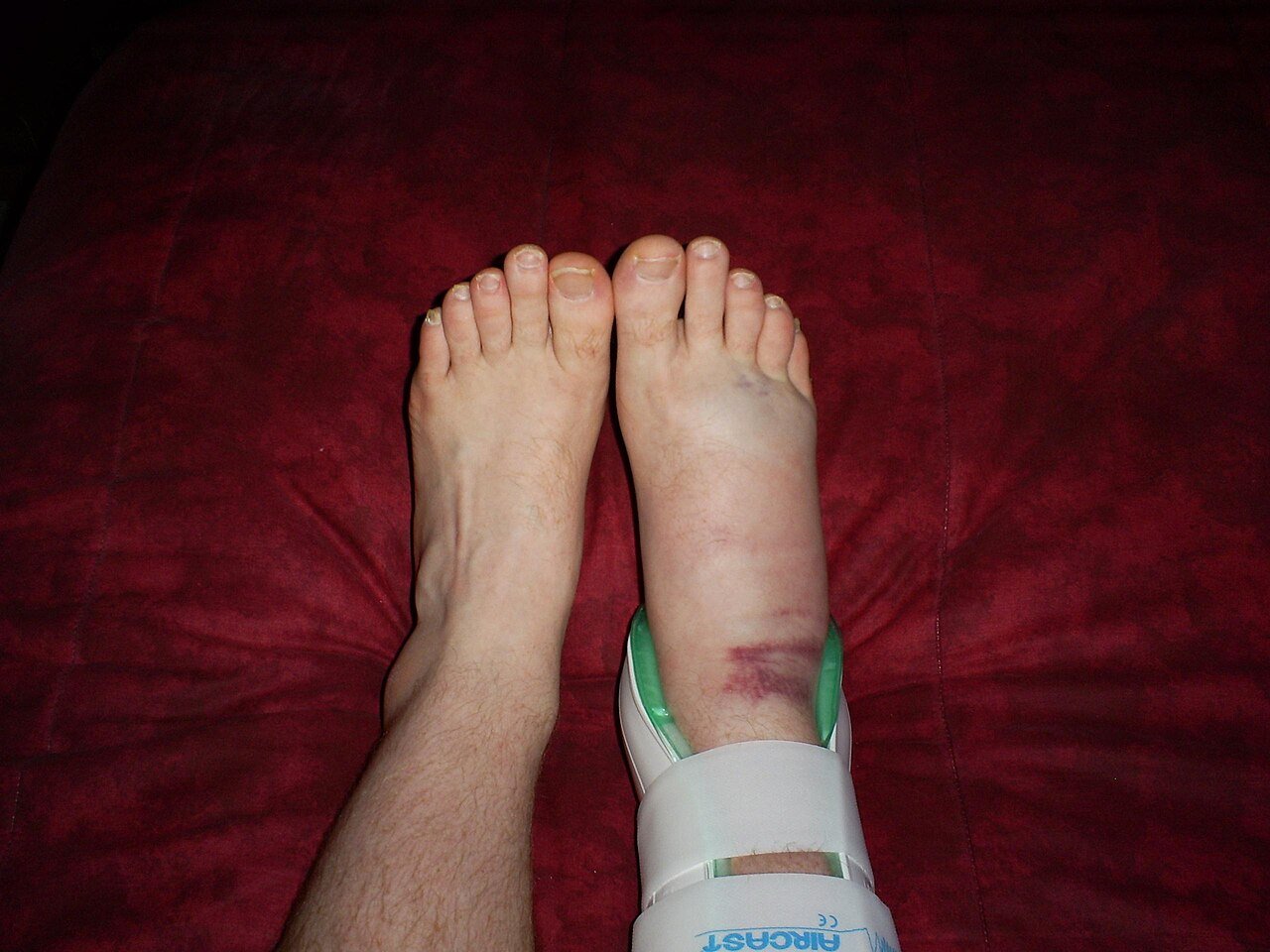
Not every ankle brace fits well inside a shoe. Bulky braces can crowd your foot and make shoes feel uncomfortably tight. Look for a low-profile design if you plan to wear the brace with shoes throughout the day.
Lace-Up Braces
A lace-up ankle brace offers adjustable support and a relatively thin profile. This style works well for moderate support during daily activities and light exercise. You can tighten or loosen it as swelling changes throughout your recovery.
Hinged Braces
A hinged brace offers more rigid support for serious sprains or ongoing instability. It takes up more room than a lace-up style, so you may need a slightly larger or wider shoe to fit comfortably. This style suits people recovering from a severe sprain or a repeat injury.
Compression Sleeves
A compression sleeve offers the lowest profile of the three main styles. It fits into almost any shoe, though it provides less rigid support than a lace-up or hinged brace. This style works best for mild sprains or general preventive support during exercise.
Breaking In a New Brace-and-Shoe Combination
Give yourself a short adjustment period the first few times you wear a new brace with a particular pair of shoes. Walk around the house for ten or fifteen minutes before heading out for a full day. This lets you catch any pinching or pressure points while you can still make quick adjustments.
Pay attention to how the fit changes throughout the day, especially if swelling is still part of your recovery. A brace that fits comfortably in the morning may feel tighter by evening if your ankle swells with activity. Loosening the shoe laces slightly partway through the day can relieve that pressure without removing the brace entirely.
Best Shoe Types for Ankle Braces
Shoe choice matters just as much as brace choice. Low-top athletic sneakers usually work better than boots or high-top designs, since they leave more room around the ankle joint itself. A wide, spacious toe box also helps your foot sit comfortably without the brace pressing against the sides of the shoe.
Lace-up shoes give you control over fit in a way that slip-on shoes cannot match. You can loosen the laces to make room for the brace, then tighten them once your foot and the brace both sit in place. Avoid stiff, rigid dress shoes, since they rarely leave enough flexibility for a brace underneath. Our ankle support shoe guide breaks down specific shoe options that pair well with common brace styles.
Signs Your Brace-and-Shoe Combination Isn’t Working
A few warning signs suggest it is time to reconsider your setup. Numbness or tingling in your toes usually means the shoe is squeezing the brace too tightly against your foot. Visible red marks or indentations after removing your shoe point to friction that needs addressing before it becomes a blister.
If you find yourself avoiding the brace altogether because shoes feel impossible to manage, that is the clearest sign something needs to change. Switching to a lower-profile brace style or a wider shoe often solves the problem faster than trying to force an uncomfortable combination to work through sheer persistence.
How to Wear an Ankle Brace With Shoes: Step-by-Step
Once you understand how to wear an ankle brace with shoes, the daily routine becomes quick and simple. Follow these steps each time you get dressed.
Step 1: Put the Brace on First
Apply the ankle brace directly to your skin, or over a thin sock if you prefer. Secure any straps or laces on the brace itself before you touch your shoes. Make sure the brace sits centered around your ankle joint.
Step 2: Loosen Your Shoe Laces Fully
Open your shoe as wide as the laces allow. This gives your foot and the brace room to slide in together without catching on the shoe’s opening.
Step 3: Insert Your Foot Gently
Slide your foot into the shoe slowly, guiding the brace in with it. Avoid forcing your foot in quickly, since that can shift the brace out of its correct position.
Step 4: Adjust and Tighten
Once your foot sits fully inside the shoe, tighten the laces gradually. Check that the brace has not shifted before you finish tightening. The shoe should feel snug but should not squeeze the brace uncomfortably.
Watch the Fitting Process
Watch this demonstration from an orthopaedic clinic to see proper ankle brace application before putting on shoes.
Notice how the brace gets secured firmly before the shoe goes on at all. Getting this order right every time makes wearing an ankle brace with shoes feel routine rather than frustrating.
Socks and Ankle Braces
A thin, moisture-wicking sock under the brace helps prevent irritation and blisters. It also absorbs sweat, which keeps the brace from sliding around during the day. Choose a seamless sock if your skin is sensitive, since seams can rub against the brace and cause discomfort over a long day of wear.
Common Mistakes to Avoid
Most people who struggle with how to wear an ankle brace with shoes make one of the following mistakes.
- Choosing a brace based on shoe size instead of ankle measurement. Measure your ankle directly rather than guessing from your usual shoe size.
- Wearing overly rigid shoes. Stiff materials leave no room for the brace and can worsen discomfort.
- Skipping the sock layer. Bare skin against the brace increases the risk of blisters and irritation.
- Forcing your foot into a tight shoe. This can shift the brace out of position and reduce its support.
- Ignoring persistent discomfort. Ongoing pain from the brace or shoe combination is a sign to reassess your sizing.
How Long to Wear an Ankle Brace
Wear time depends on the severity of your injury. A mild sprain often needs a brace for one to two weeks. A moderate to severe sprain may call for four to six weeks of consistent wear. According to the Cleveland Clinic, recovery timelines vary based on the grade of the sprain and how well you follow your treatment plan. People with chronic ankle instability may need a brace for extended periods, particularly during sports or activities that put stress on the joint.
Other joint injuries follow a similar pattern. If you are also managing a wrist or shoulder issue, our guides on how long to wear a wrist brace for a sprain and how to wear a shoulder brace the right way cover comparable timelines and fitting principles.
When to See a Doctor
Contact a doctor if your ankle pain worsens, if you notice significant swelling that does not improve, or if you cannot bear weight on the injured foot at all. According to the American Academy of Orthopaedic Surgeons, a proper diagnosis helps rule out a fracture or a more serious ligament injury that a brace alone cannot address. If your recovery involves a broader injury, our fitness program for recovering from a slip and fall injury can help you rebuild strength once your ankle brace is holding steady day to day.
Frequently Asked Questions
Do I wear a sock under or over an ankle brace?
Wear a thin sock underneath the brace. This helps prevent irritation and blisters while absorbing sweat throughout the day.
Should I wear an ankle brace to sleep?
Most people remove the brace at night to let the skin breathe, unless a doctor specifically recommends wearing it while sleeping.
How long should I wear an ankle brace overall?
Most sprains need two to six weeks of bracing, though your doctor’s advice should guide the exact timeline for your injury.
What shoes work best with a bulky hinged brace?
Wide, lace-up athletic shoes with a roomy toe box typically fit hinged braces better than narrow or slip-on styles.
Can I exercise while wearing an ankle brace with shoes?
Yes, many people exercise safely with a properly fitted brace and supportive shoes, but check with your doctor if your injury is severe.
Why does my ankle brace feel uncomfortable inside my shoe?
This usually means the brace is too bulky for that shoe style, or the shoe is too narrow. Try a lower-profile brace or a wider shoe.
Can I wear an ankle brace with dress shoes or boots?
It is possible with a very low-profile compression sleeve, but most dress shoes and boots lack the room needed for a lace-up or hinged brace.
Do I need a different shoe size when wearing an ankle brace?
Some people need a half size larger to accommodate the added bulk. Try the brace and shoe together before committing to a new size.
Bottom Line
Knowing how to wear an ankle brace with shoes lets you stay consistent with your recovery without sacrificing comfort. Choose a brace style that matches your injury, pair it with supportive low-top shoes, and take your time fitting everything together each morning. These small habits protect your ankle while it heals and help you get back to your normal activities with confidence.

Hi, I’m Mamon, the content creator behind this blog. I share my experience in blogging, WordPress, SEO, and affiliate marketing through honest product reviews, in-depth buying guides, and practical how-to articles. Every piece of content is thoroughly researched and written to help readers make informed decisions.
Leave a Reply