A water flosser with toothbrush combo promises to clean your teeth and the spaces between them in one quick routine. For busy people, that sounds ideal. But is a combo really better than buying a separate electric toothbrush and water flosser? The answer depends on your mouth, your bathroom, and how you like to brush.
This guide explains the two main types of water flosser with toothbrush systems, what the research says about each part, the real pros and cons, and who should buy one.
Key Takeaways
- A water flosser with toothbrush combo either puts both tools in one handle or pairs two devices on one shared base.
- A 2014 Cochrane review found powered toothbrushes reduced plaque by 21% and gingivitis by 11% versus manual brushes after three months.
- Water flossers can reduce plaque and gum inflammation, especially around braces and implants.
- Combos save time and counter space, but they can lock you into one brand of brush heads.
- If you already love your toothbrush, a standalone water flosser may be the better buy.
What Is a Water Flosser with Toothbrush Combo?
A water flosser with toothbrush combo is a single system that helps you brush and water floss. You will see two main designs in U.S. stores.
All-in-One Flossing Toothbrushes
These devices put a sonic toothbrush and a water flosser into one handle. Water flows through a small opening in the center of the brush head. You can brush, floss, or do both at the same time. The best-known example is the Waterpik Sonic-Fusion, which earned the ADA Seal of Acceptance in the powered interdental cleaner category.
Combo Sets with Separate Devices
These systems pair a full countertop water flosser with a separate electric toothbrush. The toothbrush usually charges on the flosser’s base, so the two share one outlet. Examples include the Waterpik Sensonic Complete Care and Philips Sonicare Power Flosser and Toothbrush System 7000.
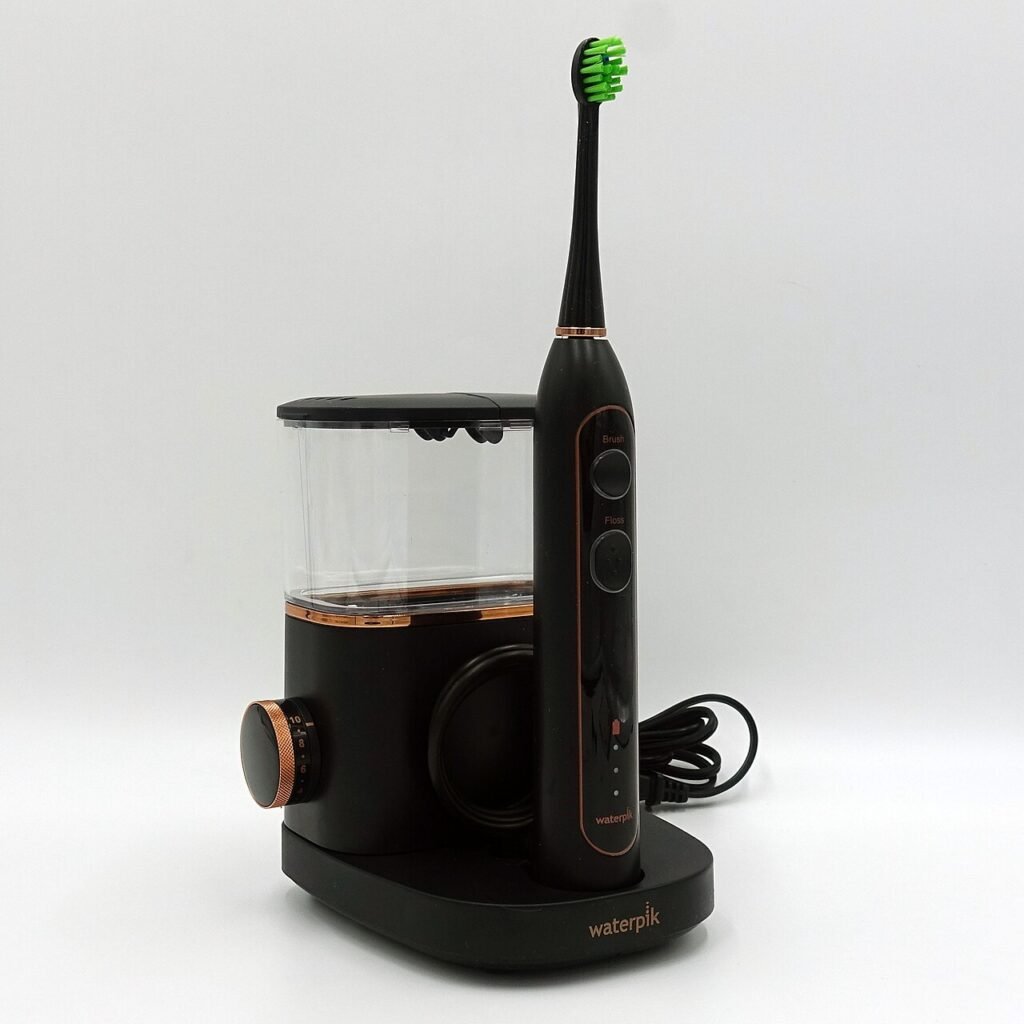
Photo: electricteeth / Wikimedia Commons (CC BY 2.0)
How Does a Water Flosser with Toothbrush Work?
The toothbrush side works like any sonic or oscillating electric toothbrush. It moves the bristles thousands of times per minute to break up plaque on tooth surfaces. Most include a two-minute timer and a 30-second pacer to help you cover every part of your mouth.
The flosser side uses a pulsing stream of water. The pressure and rapid pulses loosen plaque between teeth and along the gumline, then flush it away. In an all-in-one device, the water comes through the brush head. In a combo set, it comes from a separate flossing handle and tip.
The result is two cleaning jobs done with one system. You still need to spend time on both, but you only have one device to charge and one spot on your counter.
What Does the Research Say?
There is good evidence behind each part of a water flosser with toothbrush combo.
Powered Toothbrushes
A 2014 Cochrane review of 56 trials with 5,068 participants compared powered and manual toothbrushes. It found an 11% reduction in plaque at one to three months and a 21% reduction after three months. For gingivitis, the reductions were 6% and 11%. The authors noted that the long-term clinical importance is still unclear, but the direction of the evidence favors powered brushes.
Water Flossers
In a 2013 randomized trial of 70 adults, a water flosser plus a manual toothbrush reduced whole-mouth plaque by 74.4%, compared with 57.7% for string floss plus a toothbrush. The study was funded by Waterpik, so treat it as useful but not neutral. Broader reviews suggest oral irrigators may reduce gum inflammation in the short term.
Combo Devices
Waterpik says its Sonic-Fusion is up to twice as effective as manual brushing and string floss for reducing plaque and improving gum health. That figure comes from brand-funded research. Independent long-term studies on all-in-one devices are limited, so the strongest case for a combo rests on the evidence for each part.
For a deeper look at the flossing evidence, read do water flossers work.
Pros of a Water Flosser with Toothbrush Combo
Here is why many people love a water flosser with toothbrush system:
- Saves time. All-in-one models let you brush and floss in a single two-minute session.
- Saves counter space. One base and one outlet instead of two separate devices.
- Builds a habit. When flossing is built into brushing, people are more likely to do it every day.
- Great for braces. Water flows around brackets while you brush, cutting down on extra steps.
- Shared charging. Most combo sets charge the toothbrush on the flosser base.
- Gift-friendly. A combo set covers a whole oral care upgrade in one box.
Cons of a Water Flosser with Toothbrush Combo
A combo is not perfect for everyone. Consider these downsides:
- Brand lock-in. All-in-one devices use proprietary brush heads, which can cost more over time.
- Higher upfront cost. Combos often cost more than a basic toothbrush plus a basic flosser.
- Shared failure point. In an all-in-one handle, if one part fails, you may lose both functions.
- Learning curve. Brushing while water flows can be messy for the first week.
- Less choice. You may prefer a toothbrush from one brand and a flosser from another.
All-in-One vs Combo Set vs Separate Devices
Here is how the three options compare for most households.
| Factor | All-in-one handle | Combo set | Separate devices |
|---|---|---|---|
| Time per routine | Fastest | Moderate | Moderate |
| Counter space | Small | Medium | Medium to large |
| Two people at once | No | Yes | Yes |
| Brush head choice | Limited | Limited | Wide |
| Flosser power | Good | Full countertop | Your choice |
| Upgrade flexibility | Low | Medium | High |
| Best for | Busy singles, braces | Couples, families | People with a favorite brush |
If you already own an electric toothbrush you like, adding a standalone water flosser is often the smartest move. Compare options in our guides to water flossers recommended by dentists and the best water flosser cordless models.
Who Should Buy a Water Flosser with Toothbrush?
A water flosser with toothbrush combo is a strong choice if you:
- Want the fastest possible routine and are willing to commit to one brand.
- Wear braces and want to clean around brackets while you brush.
- Are upgrading from a manual toothbrush and do not own a flosser yet.
- Share a bathroom and want one tidy base instead of two gadgets.
- Struggle to remember to floss after brushing.
You may prefer separate devices if you:
- Already own a toothbrush you love.
- Want the most powerful countertop flosser available.
- Like to mix brands, such as one brand’s brush and another brand’s flosser.
- Want to keep costs low over time by buying generic replacement heads.
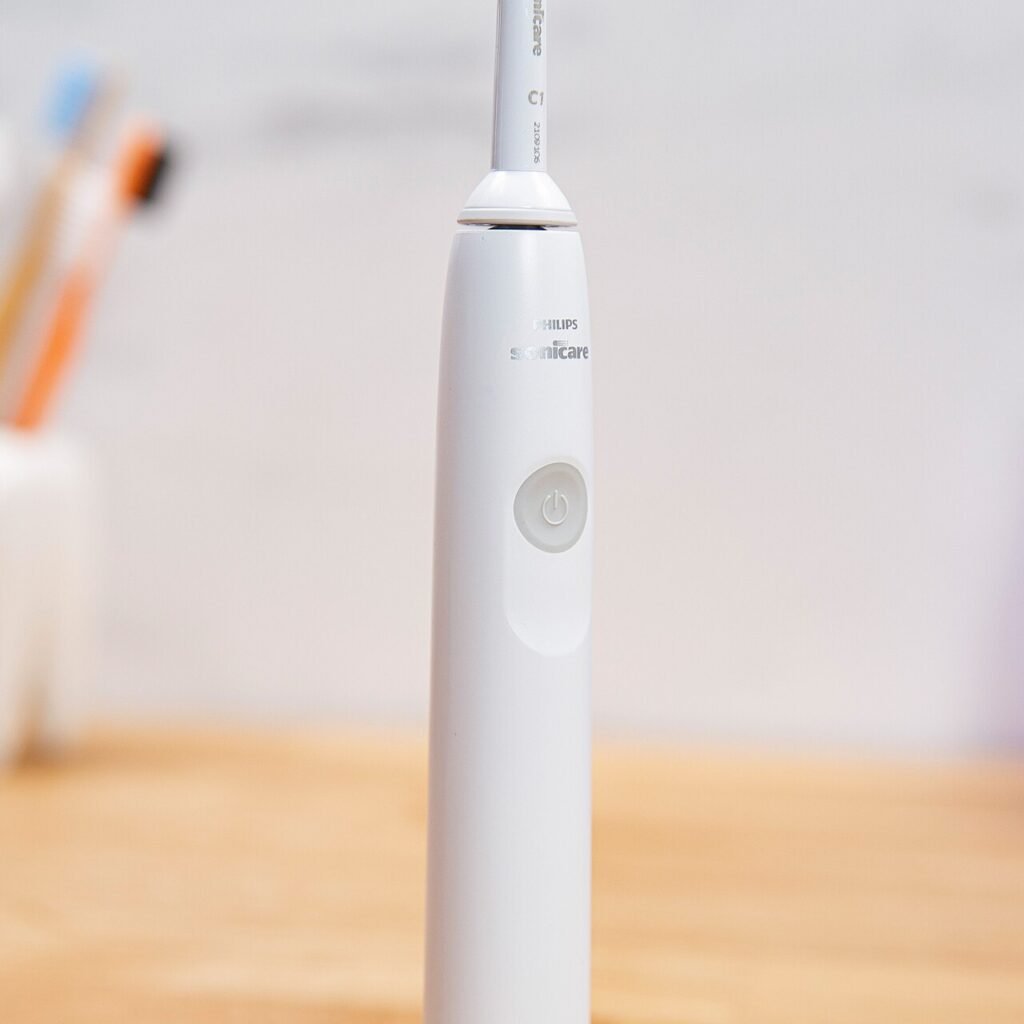
Photo: electricteeth / Wikimedia Commons (CC BY 2.0)
Cost Over Time: Combo vs Separate Devices
The sticker price is only part of the cost of a water flosser with toothbrush system. Replacement parts add up over the years, so compare the full picture before you buy. Prices change often, so check current listings for exact numbers.
| Cost item | All-in-one handle | Combo set | Separate devices |
|---|---|---|---|
| Upfront price | Mid to high | High | Varies by models chosen |
| Brush heads | Proprietary flossing heads | Brand-specific heads | Wide choice, including generics |
| Flossing tips | Built into the brush head | Separate tips, replaced every 3 to 6 months | Separate tips, replaced every 3 to 6 months |
| Repair or replace | One device covers both jobs | Replace the brush or flosser on its own | Replace either device on its own |
In short, all-in-one devices often cost more to run because each brush head also does the flossing. Combo sets and separate devices give you more control, since you can replace only the part that wears out.
Best Setup by Household
Different homes need different setups. Use this as a quick guide to choosing a water flosser with toothbrush system that fits your daily life.
- Single adult, busy schedule: An all-in-one flossing toothbrush keeps the routine short and simple.
- Couple sharing a bathroom: A combo set lets one person brush while the other flosses, using one shared base.
- Teen with braces: An all-in-one device or a combo set with an orthodontic tip makes cleaning around brackets faster.
- Family with young kids: A countertop flosser with a low setting, plus kid-size toothbrushes, gives parents more control.
- Older adult with arthritis: A combo set with a lightweight brush and an easy-grip flosser handle reduces hand strain.
- Frequent traveler: A cordless water flosser plus a travel electric toothbrush may pack better than an all-in-one base.
If you are not sure which setup suits you, ask your dentist or hygienist. They can suggest the right brush head, flossing tip, and pressure for your mouth.
Features to Look For
When you compare water flosser with toothbrush systems, check these features:
Flossing Pressure Settings
Look for at least several settings, with a gentle low end for sensitive gums. Many combo sets offer 10 flossing settings.
Brushing Modes
Useful modes include Clean, Sensitive, Whitening, and Gum Care. A two-minute timer with 30-second pacing helps you brush evenly.
Reservoir Size
A bigger reservoir means fewer refills. Countertop combo sets usually hold enough for 90 seconds or more of flossing.
Tips and Brush Heads Included
More tips give you more flexibility, such as orthodontic or plaque-seeking tips. Check the price and availability of replacement brush heads before you buy.
Battery Life and Charging
Most toothbrushes last two to four weeks per charge. Some combo sets charge the brush on the flosser base, which keeps things simple.
ADA Seal and Warranty
The ADA Seal shows a product was reviewed for safety and effectiveness. Warranties usually run from two to three years on major brands.
How to Use a Water Flosser with Toothbrush Combo
Follow these steps for an all-in-one device:
- Fill the reservoir with lukewarm water.
- Lean over the sink and place the brush head in your mouth before turning it on.
- Start in brush mode to clean tooth surfaces for two minutes, moving every 30 seconds.
- Switch to floss or brush-and-floss mode and guide the brush along the gumline, pausing between teeth.
- Keep your lips slightly closed so water drains into the sink instead of splashing.
- Turn it off before you take it out of your mouth.
For a combo set with separate devices, brush first, then use the flosser handle tooth by tooth. Learn more in our guide on how to use a water flosser.
Care and Replacement Tips
Keep your water flosser with toothbrush system clean and working well:
- Replace brush heads about every three months, or sooner if bristles fray. See how often to change an electric toothbrush head.
- Replace flossing tips every three to six months.
- Empty the reservoir after each use and let it air-dry.
- Rinse the brush head and handle after every use. Our guide on keeping an electric toothbrush clean covers the details.
- Descale the reservoir monthly with diluted white vinegar if you have hard water.
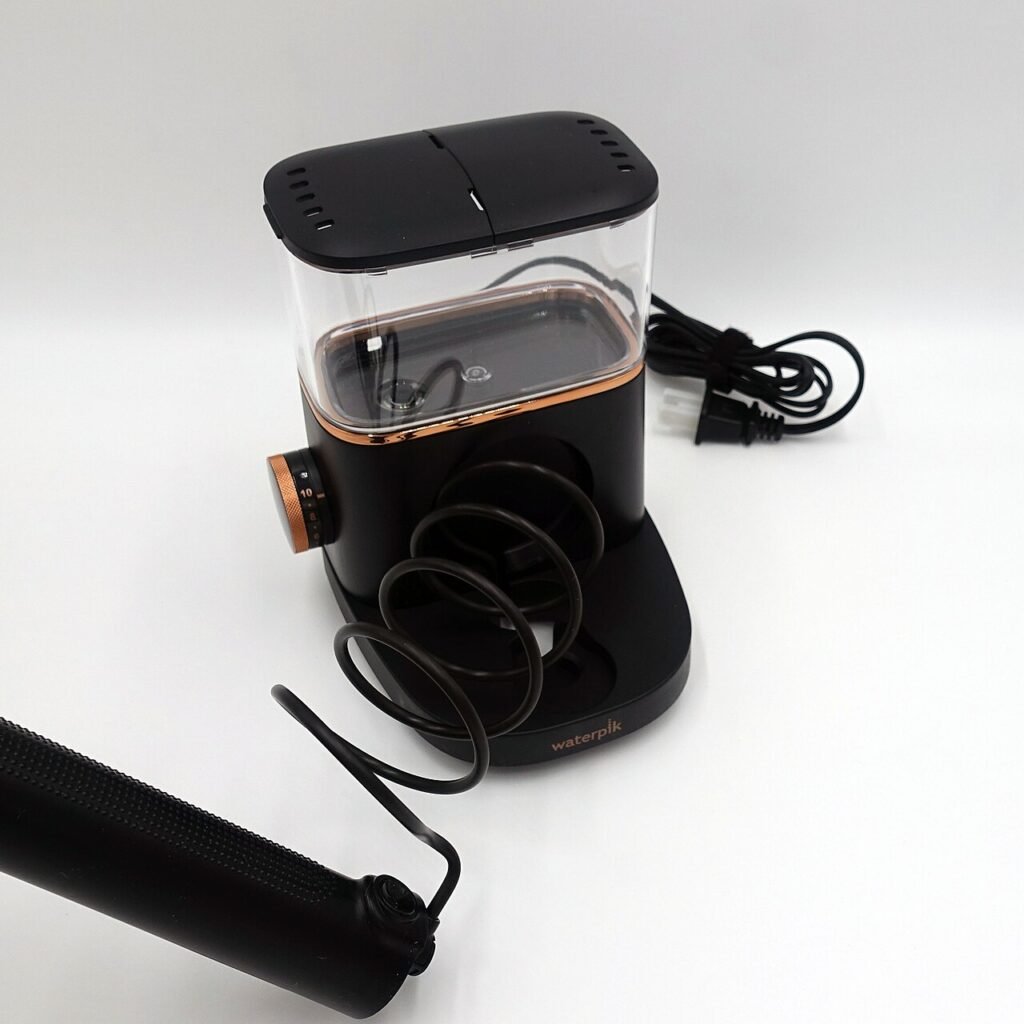
Photo: electricteeth / Wikimedia Commons (CC BY 2.0)
Water Flosser with Toothbrush vs Manual Routine
If you currently use a manual toothbrush and string floss, switching to a water flosser with toothbrush system changes two habits at once. The upgrade is often worth it. The Cochrane evidence favors powered brushing for plaque and gum health, and water flossing is easier for many people to keep up every day. The biggest win, though, is consistency. A routine that feels quick and comfortable is a routine you are more likely to follow every morning and night.
Is a Water Flosser with Toothbrush Worth It?
For many people, yes. A water flosser with toothbrush combo makes it easier to brush well and clean between teeth every day, and consistency is what protects your gums over time. It is especially worth it for busy adults, people with braces, and anyone upgrading from a manual toothbrush.
It may not be worth it if you already own a favorite electric toothbrush, or if you want maximum flossing power and freedom to mix brands. In that case, add a standalone water flosser instead.
If you are still comparing toothbrushes, our guide to the best electric toothbrush is a good starting point.
Frequently Asked Questions
Is a water flosser with toothbrush as good as separate devices?
It can be. All-in-one devices are convenient, while combo sets with separate devices offer more flossing power. The best choice is the one you will use twice a day for brushing and once a day for flossing.
Can two people share a water flosser with toothbrush combo?
Yes, with a combo set. Each person uses their own brush head and flossing tip. All-in-one handles can be shared with separate heads, but only one person can use it at a time.
Do combo devices work with braces?
Yes. The water stream helps clean around brackets and wires. Many people with braces find all-in-one devices save time compared with threading floss.
How long does a water flosser with toothbrush last?
With good care, most last several years. Warranties from major brands usually cover two to three years.
Is a flossing toothbrush messy?
It can be at first. Lean over the sink and keep your lips slightly closed. Most people adjust within a week.
Conclusion
A water flosser with toothbrush combo can make your daily routine faster, tidier, and easier to stick with. All-in-one handles are best for speed, while combo sets with separate devices offer more flossing power and let two people use them at once. The research supports both powered brushing and water flossing, so the real question is which setup fits your habits.
If you want to explore standalone options, start with our guide to flossers for teeth or read about water picks for teeth cleaning.
Health note: This article is for general information only and is not medical advice. Ask your dentist whether a water flosser with toothbrush combo suits your needs.

Hi, I’m Mamon, the content creator behind this blog. I share my experience in blogging, WordPress, SEO, and affiliate marketing through honest product reviews, in-depth buying guides, and practical how-to articles. Every piece of content is thoroughly researched and written to help readers make informed decisions.
Leave a Reply