If string floss has ever left your fingers sore or your gums bleeding, you are not alone. Choosing the right flossers for teeth can turn a chore you skip into a habit you keep. A CDC-led analysis of national survey data found that only 30.3% of U.S. adults aged 30 and older floss every day, while 32.4% do not floss at all. The good news is that you have more options than ever, from classic string floss to floss picks, interdental brushes, and powered water flossers.
This guide compares the six main types of flossers for teeth, explains who each one suits, and shows you how to pick the right tool for your mouth, your budget, and your daily routine.
Key Takeaways
- The best flossers for teeth are the ones you will actually use once a day.
- String floss is cheap and precise, but many people find it hard to use well.
- Interdental brushes may beat string floss for gum health, according to a 2019 Cochrane review.
- Water flossers are a strong choice for braces, implants, bridges, and limited hand strength.
- Floss picks are easy and portable, but they are best for tight contacts, not big gaps.
Why Cleaning Between Your Teeth Matters
Your toothbrush cleans the front, back, and chewing surfaces of your teeth. It cannot reach the tight spaces between them, where plaque and food collect. Over time, that plaque can harden into tartar, irritate your gums, and lead to cavities between teeth.
Gum disease is common in the United States. According to NIDCR data from the national NHANES survey, 42.2% of adults aged 30 and older have periodontitis. The same data shows the rate climbs to 53.1% among adults who do not floss regularly. That gap is a strong reason to find flossers for teeth that fit your life.
Cleaning between teeth once a day also helps with bad breath, since trapped food breaks down and feeds odor-causing bacteria. For more daily habits that protect your gums, see our guide on how to prevent gum disease naturally.
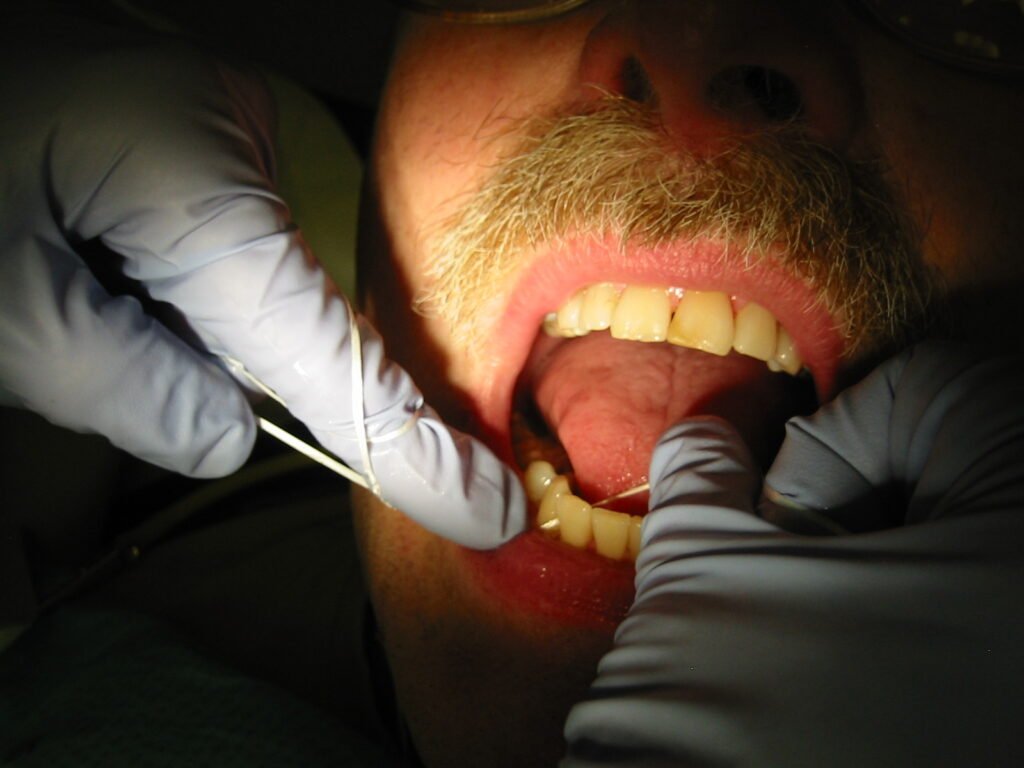
Photo: Wsiegmund / Wikimedia Commons (CC BY 2.5)
6 Types of Flossers for Teeth Compared
Here is a quick look at the main flossers for teeth you will find in U.S. stores. Each type cleans a little differently, so the right choice depends on the spaces between your teeth and any dental work you have.
| Type | Best for | Main benefit | Main drawback |
|---|---|---|---|
| String floss | Tight contacts | Cheap and precise | Hard to use well |
| Floss picks | Beginners, travel | One-handed and easy | Less control on curves |
| Interdental brushes | Wider gaps | Strong gum results | Need the right size |
| Water flossers | Braces, implants | Gentle and easy | Cost and counter space |
| Air flossers | Quick routines | Fast and compact | Less research |
| Floss threaders and super floss | Bridges, braces | Reach under wires | Slow to use |
1. String Floss
String floss is the classic option, and it is still one of the most effective flossers for teeth when used correctly. You wrap about 18 inches of floss around your fingers, slide it between two teeth, and curve it into a C shape against each tooth.
- Waxed floss glides more easily between tight teeth.
- Unwaxed floss is thinner and may squeak against clean tooth surfaces.
- PTFE floss (such as Glide-style floss) is very slick and resists shredding.
- Dental tape is wider and flatter, which some people find gentler on gums.
The downside is technique. Many people snap floss into their gums or skip the back teeth. If that sounds like you, one of the other flossers for teeth may work better.
2. Floss Picks
Floss picks hold a short piece of floss on a small plastic handle. They are one of the most popular flossers for teeth because you can use them with one hand, in the car, or at your desk.
They work well for tight contacts and for people who struggle to wrap floss around their fingers. The trade-off is control. It is harder to curve a short, tight strand around each tooth, so you may miss some plaque near the gumline. Use a fresh section, or a fresh pick, as you move around your mouth to avoid spreading bacteria.
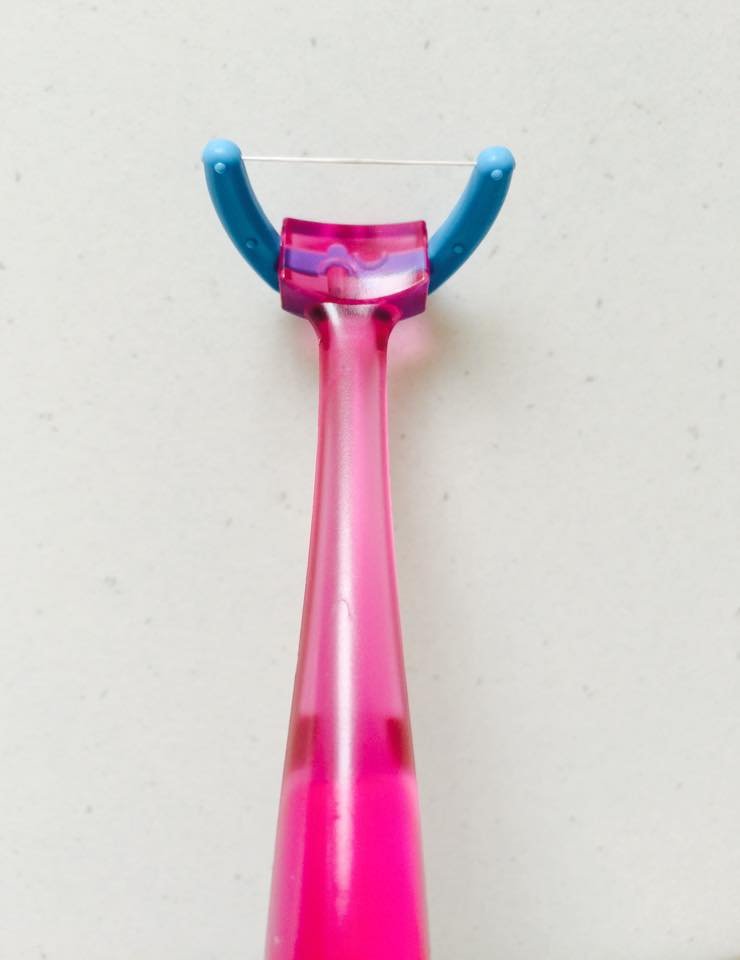
Photo: Eyoel07 / Wikimedia Commons (CC BY-SA 4.0)
3. Interdental Brushes
Interdental brushes look like tiny bottle brushes. You push them gently between teeth, where the bristles scrub the sides of each tooth. They come in color-coded sizes, so you can match the brush to the size of each gap.
The research behind them is solid. A 2019 Cochrane review of 35 trials found low-certainty evidence that interdental brushes may reduce gingivitis more than string floss. They are a smart pick if you have wider spaces, gum recession, or bridges.
Ask your dentist or hygienist which sizes fit you. A brush that is too large can hurt your gums, and one that is too small will not clean well.
4. Water Flossers
Water flossers, also called oral irrigators, use a thin, pulsing stream of water to flush plaque and food from between teeth and below the gumline. They are among the easiest flossers for teeth to use if you have braces, implants, crowns, bridges, or arthritis.
The same Cochrane review found low-certainty evidence that oral irrigators may reduce gingivitis in the short term. Many people also find them more pleasant than string floss, which makes the daily habit easier to keep.
Countertop models offer the most power and the largest tanks. Cordless models are better for travel and small bathrooms. Compare options in our guides to the best water flosser cordless models and water flossers recommended by dentists.
5. Air Flossers and Electric Flossers
Air flossers use short bursts of air and tiny water droplets instead of a steady stream. They are fast and compact, but there is less independent research behind them than there is for water flossers. Other electric flossers use a vibrating floss head or a tiny brush tip.
If you like gadgets but do not want a full water flosser, these are worth a look. Read our full breakdown of electric flossers for teeth to compare the options.
6. Floss Threaders and Super Floss
Floss threaders are small plastic loops that pull regular floss under braces wires, bridges, or permanent retainers. Super floss combines a stiff end, a spongy section, and regular floss in one strand.
They work, but they are slow. Most people with braces find a water flosser faster for daily use, then use threaders a few times a week for a deeper clean.
Which Flossers for Teeth Are Best for You?
The best flossers for teeth depend on your mouth and your habits. Use this table as a starting point, then ask your dentist at your next checkup.
| Your situation | Best flosser types |
|---|---|
| Tight contacts, healthy gums | String floss or floss picks |
| Wider gaps or gum recession | Interdental brushes |
| Braces or aligner attachments | Water flosser plus floss threaders |
| Dental implants, crowns, or bridges | Water flosser or interdental brushes |
| Arthritis or limited hand strength | Water flosser or floss picks |
| Sensitive or bleeding gums | Water flosser on a low setting |
| Frequent travel | Floss picks or a cordless water flosser |
| Kids and teens | Kids’ floss picks or a low-pressure water flosser |
If you have braces, start with our guide to the best water flosser for braces. Many orthodontists recommend a water flosser as the main daily tool.
Flossers for Teeth for Adults with Dental Work
Adults with dental work need flossers for teeth that clean around hardware without damaging it. Here is what tends to work best:
- Implants: Water flossers and soft interdental brushes clean around the implant collar gently. Avoid metal-core brushes unless your dentist approves them.
- Crowns and bridges: Floss threaders or super floss reach under the bridge. A water flosser with a plaque-seeking tip also helps.
- Braces: An orthodontic water flosser tip cleans around brackets in less time than threading string floss under each wire.
- Dentures and partials: Clean the remaining natural teeth with your usual flosser, and clean the appliance separately as your dentist advises.
Water Flosser vs Floss Picks vs String Floss
These three are the most common flossers for teeth in U.S. homes, so many readers want a direct comparison. Here is how they stack up for daily use.
| Feature | String floss | Floss picks | Water flosser |
|---|---|---|---|
| Upfront cost | Very low | Low | Higher |
| Ongoing cost | Low | Moderate | Tips and power |
| Ease of use | Hard for many | Easy | Easy after a week |
| Good for braces | Slow | Poor | Excellent |
| Good for tight contacts | Excellent | Good | Fair |
| Portable | Yes | Yes | Cordless models only |
Many dentists suggest combining tools. For example, you could use a water flosser every night and string floss or an interdental brush on tight spots a few times a week. For a deeper look at this matchup, read water flosser vs floss.
How to Choose Flossers for Teeth: A Buying Checklist
Use this checklist when you shop for flossers for teeth at the drugstore or online.
- Check your gaps. Tight teeth suit string floss or picks. Wider gaps suit interdental brushes.
- Count your dental work. Braces, implants, and bridges point toward a water flosser or threaders.
- Be honest about habits. If you skip string floss, choose something easier, even if it costs more.
- Look for the ADA Seal. The American Dental Association reviews safety and effectiveness data for accepted products.
- Think about cost over time. Floss picks add up, while a water flosser costs more upfront but lasts for years.
- Consider comfort. If flossing hurts, try waxed or PTFE floss, softer brushes, or a water flosser on low.
How to Use Flossers for Teeth Correctly
Even the best flossers for teeth only work if you use them well. Follow these tips for each type.
String Floss and Floss Picks
- Slide the floss gently between two teeth. Do not snap it down onto your gums.
- Curve it into a C shape against one tooth and move it up and down.
- Repeat on the neighboring tooth, then move to the next gap.
- Use a clean section of floss, or rinse the pick, as you go.
Interdental Brushes
- Choose a size that fits snugly but does not force its way in.
- Insert the brush at the gumline and move it in and out a few times.
- Rinse the brush and replace it when the bristles look bent.
Water Flossers
- Fill the tank with lukewarm water and start on the lowest setting.
- Lean over the sink and aim the tip at the gumline at a 90-degree angle.
- Trace each tooth, pausing briefly between teeth.
For step-by-step help, see our full guide on how to use a water flosser.
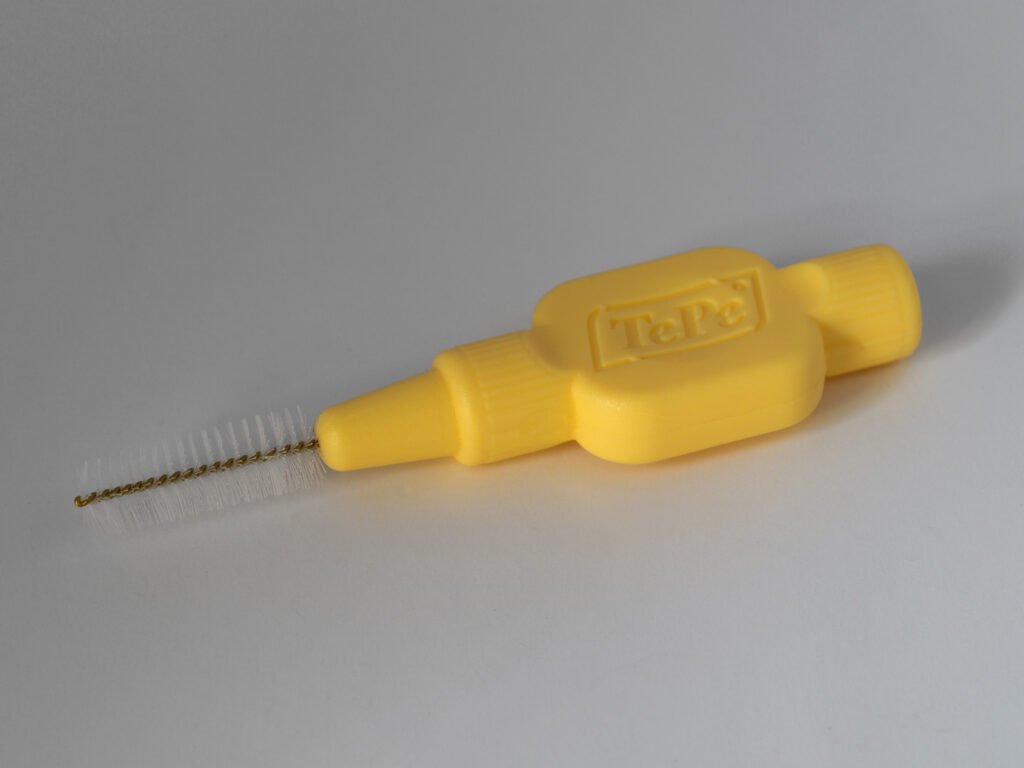
Photo: Brett Jordan / Wikimedia Commons (CC BY 2.0)
Common Mistakes People Make with Flossers for Teeth
Avoid these common mistakes to get the most from your flossers for teeth:
- Flossing too hard. Snapping floss can cut your gums. Use a gentle sawing motion instead.
- Skipping the back teeth. Molars trap the most food, so do not stop at the front of your mouth.
- Reusing floss picks. A single pick spreads bacteria if you use it for days.
- Choosing the wrong brush size. A forced interdental brush can damage gum tissue.
- Stopping when gums bleed. Light bleeding often improves after one to two weeks of daily flossing. If it does not, see your dentist.
- Flossing only before checkups. Daily cleaning matters far more than a last-minute effort.
How Much Do Flossers for Teeth Cost?
Costs vary widely, but here is a general guide for U.S. shoppers. Prices change often, so check current listings before you buy.
| Flosser type | Typical upfront cost | Ongoing cost |
|---|---|---|
| String floss | Low | A new spool every month or two |
| Floss picks | Low | Regular refills, since each pick is single-use |
| Interdental brushes | Low | Replace brushes every week or two |
| Water flosser | Moderate to high | New tips every 3 to 6 months |
| Air flosser | Moderate | Replacement nozzles |
If budget is tight, string floss or interdental brushes give strong results for very little money. If you have braces, implants, or trouble using your hands, a water flosser is often worth the extra upfront cost.
Frequently Asked Questions
What are the best flossers for teeth for adults?
For most adults, the best flossers for teeth are string floss for tight contacts, interdental brushes for wider gaps, and a water flosser for braces, implants, or bridges. The right choice is the one you will use every day.
Are floss picks as good as string floss?
Floss picks are easier to use, but they give you less control. String floss usually cleans the curved sides of teeth better when used correctly. Picks are still far better than not flossing.
Do water flossers replace string floss?
For many people, yes. Water flossers remove plaque and help reduce gum inflammation. If you have very tight contacts, your dentist may suggest using string floss on those spots too.
How often should I use flossers for teeth?
Once a day is enough for most people. Pick a time you can stick to, such as before bed.
Are flossers for teeth safe for kids?
Yes. Kids’ floss picks and low-pressure water flossers are designed for smaller mouths. Parents should help children floss until they can do it well on their own, often around age 10.
Conclusion
The best flossers for teeth are the ones that fit your mouth and that you will use every day. String floss and floss picks work well for tight teeth. Interdental brushes shine for wider gaps. Water flossers are the easiest choice for braces, implants, and sensitive gums.
Start with the tool that matches your needs, use it once a day, and ask your dentist for feedback at your next cleaning. If you are ready to try a powered option, compare our picks for the best water flosser cordless models or browse water flossers recommended by dentists.
Health note: This article is for general information only and is not medical advice. Talk to your dentist about the best flossers for teeth for your specific needs.

Hi, I’m Mamon, the content creator behind this blog. I share my experience in blogging, WordPress, SEO, and affiliate marketing through honest product reviews, in-depth buying guides, and practical how-to articles. Every piece of content is thoroughly researched and written to help readers make informed decisions.
Leave a Reply