


Key Takeaways
- The main benefits of using an inversion table are temporary back pain relief, spinal decompression, and improved flexibility, though the research behind these claims is still limited.
- A controlled study found that patients who added inversion therapy to routine physiotherapy needed spinal surgery significantly less often than those who didn’t.
- Low back pain affects roughly 619 million people worldwide, according to the World Health Organization, which is why non-invasive options like inversion tables draw so much interest.
Introduction
Inversion therapy is a technique where your body is suspended upside down or at an angle to stretch the spine and relieve back pain. As your body inverts, gravity takes pressure off the spine, which can open up space between vertebrae and improve circulation. People often turn to inversion therapy for chronic lower back pain, sciatica, poor circulation, or scoliosis.
This is where inversion tables come in. In this guide, we’ll walk through exactly what are the benefits of using an inversion table, what the research actually supports, how it compares to other spinal decompression options, and how to choose the right table for your needs.
How Do Inversion Tables Work?
An inversion table tilts or fully inverts your body using a hinged frame and ankle supports. As you tip backward, gravity pulls in the opposite direction from normal, gently tractioning the spine and taking weight off the discs and nerve roots that are usually compressed by standing and sitting. This is sometimes called gravity-assisted spinal decompression.
The idea of using inversion for relief isn’t new. Hippocrates is credited with using a version of spinal suspension therapy in ancient Greece, and various cultures have used hanging or inverted positions for centuries as a way to stretch the spine and ease tension. Modern inversion tables are a more controlled, adjustable version of that same basic idea, built with safety features that older methods didn’t have.
What Are the Benefits of Using an Inversion Table?
Reduced Chronic Back Pain
The first and most commonly cited advantage is relief from chronic back pain. Many people turn to inversion therapy looking for a gentle, non-invasive way to manage pain rather than relying solely on medication. Easing the pressure on weight-bearing joints can allow them to rest and recover, which some users find helps reduce day-to-day discomfort.
Relief tends to be most noticeable right after a session, when the spine has had a few minutes free of its usual compressive load. Whether that relief lasts depends a lot on the individual, the underlying cause of the pain, and how consistently the table is used over time.
Reduced Need for Back Surgery
This is one of the more interesting findings in the research. A controlled study of patients on the waiting list for lumbar disc surgery found that those who added inversion traction to their routine physiotherapy needed surgery significantly less often over a two-year follow-up than those who received physiotherapy alone, according to a study published in the Journal of Physical Therapy Science. That’s a meaningful result, but it comes from a relatively small sample, so it shouldn’t be read as a guarantee that inversion therapy will help everyone avoid surgery.
Improved Spinal Health
Everyday activities like bending, sitting, and running put pressure on the spine and the muscles that keep your body upright, which compresses the discs over time. That ongoing pressure can raise the risk of a collapsed vertebra, back pain, and related complications. Muscle-strengthening work, massage, and manual manipulation of the spine are common ways to release that compression, and using an inversion table is another tool aimed at the same goal: reducing pressure on the spine and surrounding muscles.
Think of it as balancing out the hours you spend upright each day. If your job involves long periods of sitting or standing, a few minutes of gentle inversion can offset some of that cumulative load on the spine, though it won’t undo structural damage that’s already occurred.
Increased Flexibility
Regular use of an inversion table has been associated with improvements in spinal flexibility. Small, repeated movements through the spine over time can make the surrounding muscles more resilient, which may make it easier to bend and reach. Better flexibility can also support posture, which matters if you spend long hours at a desk.


Improved Circulation
When you’re inverted, gravity assists blood flow toward your upper body and head instead of pooling in your legs and feet. Some people find this gives them a boost in alertness, and it may help reduce the mild swelling that comes from sitting or standing for long stretches during the day.
Stress Relief and Relaxation
Beyond the physical effects, many people simply find a few minutes of inversion relaxing. Slowing down, focusing on your breathing, and letting the spine stretch passively can take the edge off a stressful day, similar to the calming effect some people get from a short stretching or breathing routine.
How to Choose an Inversion Table
You’ll want to invest in the best inversion table you can afford if your goal is relieving back pain and decompressing the spine safely. The market is flooded with options, so it helps to weigh a few key factors before buying.
Frame Quality and Safety
You’re inverting your entire body weight on this equipment, so look for a table with a steel frame and non-skid floor protectors. A solid frame resists wear over years of use, and non-skid protectors keep the table from shifting mid-session. Beyond the frame, check for secure ankle locks, floor stabilizers, and vinyl side covers, since a poorly designed table with weak safety features can turn inversion therapy into a real hazard rather than a relief tool.
Space
Larger frames tend to be more stable, but they also take up more room. If you live in a smaller apartment or don’t have a dedicated space, look for a foldable model that tucks away when you’re not using it.
Comfort
Comfort may not be top of mind while shopping, but an uncomfortable table is one you won’t use consistently. Tables with thicker backrest padding are generally more comfortable than those with thin pads, and if you’re managing lower back pain specifically, built-in lumbar support is worth prioritizing. This matters whether you’re considering a Body Power inversion table or another popular brand.
Price
Buying the cheapest table on the market usually costs more in the long run, whether that’s from parts wearing out or safety features falling short. Aim for a table within your budget from a well-known, established brand rather than the lowest sticker price you can find.

Getting Started: Tips for Beginners
If you’re trying inversion therapy for the first time, a few habits make it safer and more comfortable:
- Start at a shallow angle of 20 to 30 degrees rather than going straight to a full inversion.
- Keep your first sessions to one or two minutes and build up gradually over one to two weeks.
- Wear supportive shoes with a snug ankle fit so you stay securely anchored.
- Have someone nearby for your first few sessions in case you need help returning upright.
- Come back up slowly rather than snapping upright, since a fast return can cause dizziness.
Inversion Tables vs. Other Spinal Decompression Options
Inversion tables aren’t the only way to decompress the spine. Clinic-based mechanical traction and computerized decompression tables apply more targeted, controlled force to specific spinal segments, and some research suggests they may outperform inversion for long-term relief of disc-related pain. The tradeoff is convenience and cost: clinic-based decompression typically requires multiple appointments over several weeks, while an inversion table is a one-time purchase you can use at home whenever you like. For milder, general back tension, many people find a home inversion table a reasonable starting point before committing to a more intensive clinical program.
What the Research Actually Says
It’s worth being honest about where the evidence stands. Back pain is an enormous public health problem, affecting an estimated 619 million people worldwide according to the World Health Organization, which explains why non-invasive tools like inversion tables get so much attention. But research specifically on inversion therapy remains limited. Some studies show short-term relief and improved flexibility, while others find no meaningful benefit at all, and there isn’t strong evidence that inversion outperforms simpler alternatives like standing or sitting decompression exercises.
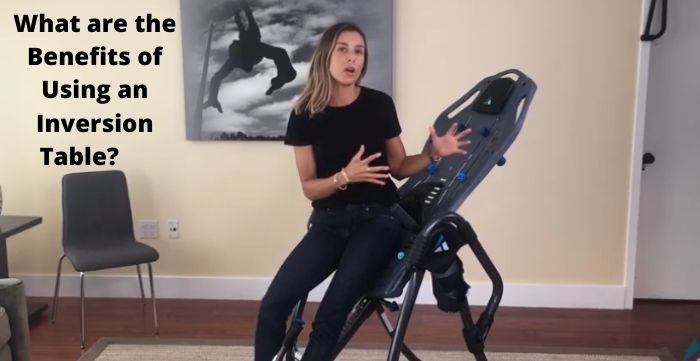
Watch the video below for a clear, balanced rundown of what inversion tables can and can’t do for back pain.

Watch: Inversion Tables, Good or Bad for Back Pain? on YouTube
Who Should Be Cautious
Inversion therapy isn’t right for everyone. People with high blood pressure, heart disease, glaucoma, a history of stroke, or a hernia should talk to a doctor before trying it, since hanging upside down temporarily raises blood pressure and pressure inside the skull. If you’re managing a specific condition like a herniated disc, it’s worth reading our full safety and technique guide before you begin, since the right angle and duration vary depending on what you’re treating. Understanding what’s actually causing your lower back pain in the first place also helps you judge whether inversion is a good fit for your situation.
Frequently Asked Questions
How often should I use an inversion table?
Most people start with short sessions of one to two minutes a day at a shallow angle and gradually build up from there. There’s no strong evidence that longer or more frequent sessions produce better results.
Can an inversion table replace physical therapy?
No. Most clinicians view inversion therapy as a complement to other treatments like physical therapy, targeted exercise, or a back support brace, not a replacement for them.
Is inversion therapy the same for neck pain and back pain?
Not exactly. The angle, setup, and precautions differ depending on what you’re treating. If neck pain is your main concern, see our guide to using an inversion table for neck pain for specifics.
Do I need a doctor’s approval before starting?
If you have high blood pressure, heart disease, glaucoma, are pregnant, or have a spinal condition like a herniated disc, yes. For generally healthy adults without those risk factors, it’s still a good idea to mention it at your next checkup, especially if you plan to use the table regularly.
Conclusion
By now you have a clear picture of what are the benefits of using an inversion table: short-term pain relief, improved flexibility, better circulation, and possibly a reduced need for surgery in some cases. There’s also some evidence pointing to longer-term pain relief for certain users, though the research base is still fairly small, and no study shows inversion is clearly superior to simpler forms of spinal decompression like standing or sitting stretches. Talk to your doctor before starting inversion therapy, choose a table with solid safety features, and start slow.


Hi, I’m Mamon, the content creator behind this blog. I share my experience in blogging, WordPress, SEO, and affiliate marketing through honest product reviews, in-depth buying guides, and practical how-to articles. Every piece of content is thoroughly researched and written to help readers make informed decisions.