

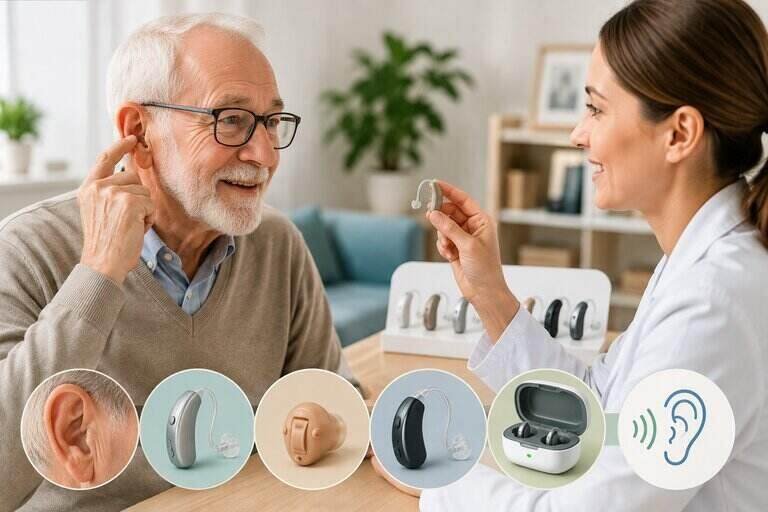

Getting older can affect how well you hear. For many seniors, one of the most confusing steps toward better hearing is figuring out how to select a hearing aid that actually fits their needs. Dozens of styles, features, and price points crowd the market. Picking the wrong one wastes money and leaves you frustrated. This guide walks U.S. readers through everything they need to know, from doctor visits and FDA rules to features, cost, and where to buy.
Key Takeaways
- See a doctor or audiologist first, even if you plan to buy an over-the-counter device.
- The FDA’s OTC rule lets adults with mild-to-moderate hearing loss buy them without a prescription.
- Style, battery type, and features like directional microphones all affect comfort and performance.
- Trial periods and warranties protect you if a device does not work out.
- Prices range from under $100 for basic OTC devices to several thousand dollars for prescription models.
What Is a Hearing Aid?
A hearing aid is a small electronic device that amplifies sound. This makes sounds easier to perceive if you have hearing loss. A microphone picks up sound, a processor boosts it, and a tiny speaker delivers it into your ear. Some people wear one aid, while others use two, depending on how much they need in each ear.
How to Select a Hearing Aid: Step-by-Step
There is no single “best” device that works for everyone, so here is exactly how to select a hearing aid without feeling overwhelmed by the options.
Step 1: See a Doctor or Audiologist
This is still the smartest first step, even with over-the-counter options now available. A hearing exam identifies the type and degree of your hearing loss. It also rules out issues like earwax buildup or a medical condition that looks similar but needs different treatment. An audiologist can also point you toward the style and features best suited to your specific hearing profile.
Step 2: Understand the FDA’s OTC Hearing Aid Rule
A 2022 FDA rule changed how to select a hearing aid for millions of Americans. It allows adults with perceived mild-to-moderate hearing loss to buy them over the counter, without a medical exam, prescription, or in-person fitting. According to the National Council on Aging, this rule also caps maximum output volume. It requires simplified labeling and easy-to-use volume controls for safety. People with severe hearing loss, sudden hearing changes, ear pain, or drainage need something different. They still require a prescription-level device and a professional evaluation.


Step 3: Choose a Style
According to Mayo Clinic, these devices come in several styles. Each one involves trade-offs between size, power, and visibility.
- Completely in the canal (CIC): The smallest and most discreet option. It uses tiny batteries and offers fewer extra features.
- In the canal (ITC): Partly visible, with more controls and features than a CIC model.
- In the ear (ITE): Fills the outer ear bowl and typically offers a longer battery life and easier handling.
- Behind the ear (BTE): The most powerful style, suitable for mild through severe hearing loss at any age.
- Receiver in canal (RIC): Combines a discreet look with strong performance through a thin wire connecting to the ear canal.
- Open fit: Keeps the ear canal open, which many people prefer for mild-to-moderate high-frequency hearing loss.
Step 4: Decide Between Analog and Digital
Analog devices are simple, affordable, and easy to operate. They are a reasonable option if you are not interested in a lot of extra technology. Digital models are more sophisticated. They are programmed to your specific hearing profile and can adjust automatically to different environments. This is why most models sold today are digital.

OTC vs. Prescription: Which Is Right for You?
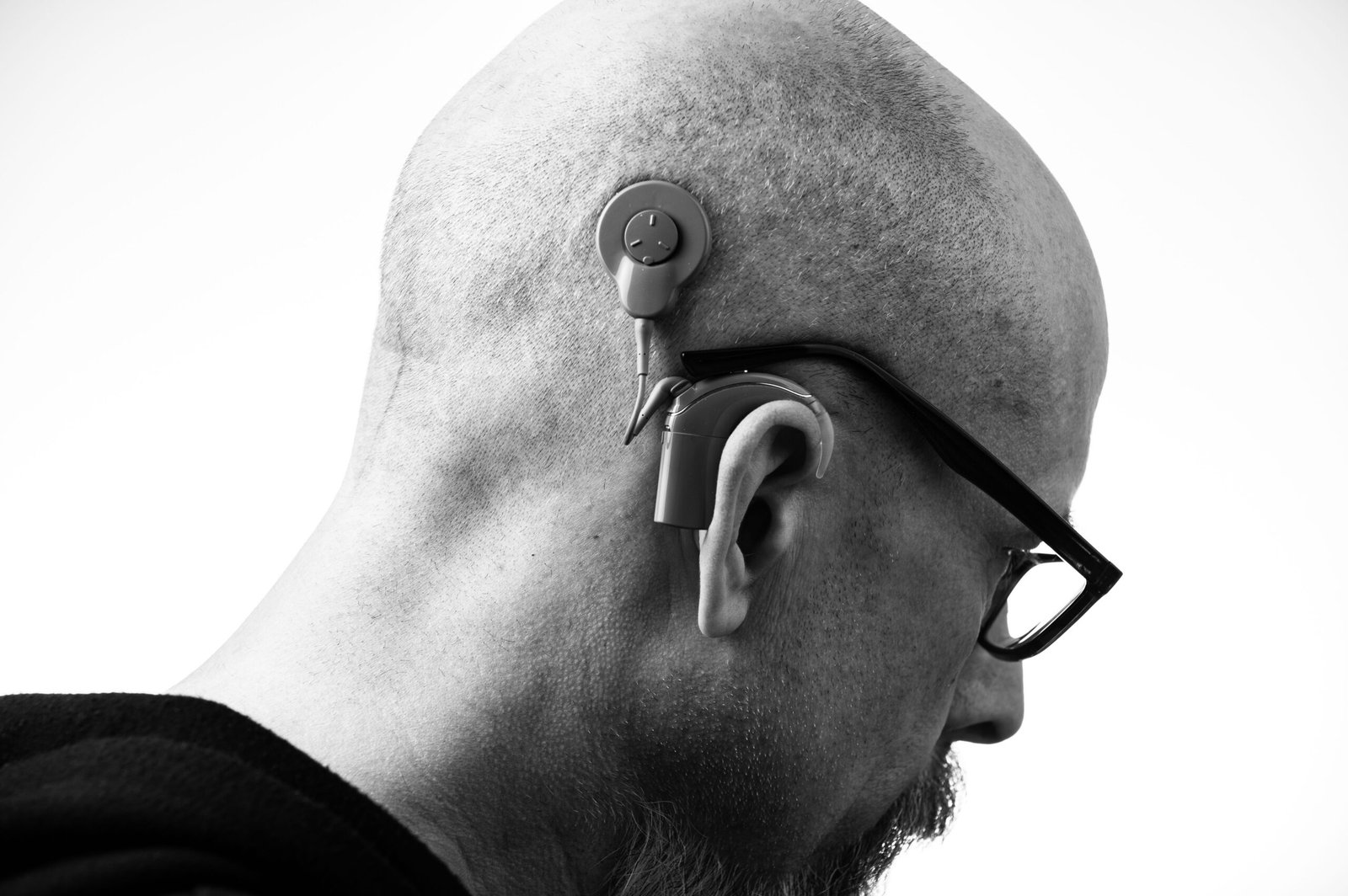
Deciding between an over-the-counter device and a prescription model is one of the biggest decisions in this process. OTC devices are generally less expensive and can be bought online or at a pharmacy without an appointment. They are only intended for adults 18 and older with mild-to-moderate hearing loss. Prescription models involve a professional fitting and more advanced customization. They are typically recommended for more significant or complex cases.
If you are unsure which category fits your situation, an audiologist can test your hearing. They can tell you whether an OTC device is appropriate or whether you would be better served by a prescription model. Buying the wrong category can mean paying for features you do not need. Worse, it can mean under-treating something more serious.
Features to Consider
Once you know your style and category, focus on features next. These are central to how to select a hearing aid that fits your daily routine.
Rechargeable Battery
A rechargeable model saves you the hassle of buying and swapping tiny disposable batteries every week or two.
Moisture Resistance
A moisture-resistant design protects the device from sweat and humidity, which matters if you are active or live somewhere humid. Not every model is fully waterproof, so check the rating before assuming it can handle a swim.
Wireless Connectivity
Many digital hearing aids can connect directly to a smartphone. This lets you stream calls, music, or podcasts and adjust settings from an app instead of a tiny physical button.
Telecoil
This older but still valuable feature improves sound clarity on the phone. It also helps in venues equipped with hearing loops, such as some theaters and places of worship.
Directional Microphones
Directional microphones focus on sound coming from in front of you while dampening background noise. This makes a noticeable difference in restaurants and other crowded spaces.
Number of Channels and Programs
More channels allow finer adjustment of different frequency ranges. Multiple programs let you switch between settings for quiet rooms, noisy environments, or music.
Watch: What to Know Before You Buy a Hearing Aid
This audiologist-led video walks through the key questions to ask before purchasing one, OTC or prescription.

Notice how much emphasis is placed on getting an accurate hearing test before you commit to a specific device.
How Much Do Hearing Aids Cost?
Basic OTC devices can cost well under $100 per pair. More advanced OTC models with app controls and rechargeable batteries often run a few hundred dollars. Prescription models typically cost between $1,000 and several thousand dollars per device. This usually includes the audiologist’s fitting, follow-up adjustments, and sometimes a service package. Some U.S. health plans and the Department of Veterans Affairs cover part or all of the cost for qualifying individuals. It is worth checking your coverage before you buy.
Trial Periods, Warranties, and Adjustments
A trial period matters more than almost any single feature, especially if this is your first hearing aid. Most sellers, whether OTC retailers or audiology practices, offer a trial window of 30 to 60 days. This lets you test comfort and performance in your real daily life before committing. Understanding return policies matters too. Knowing what happens if a device does not work out is just as much a part of how to select a hearing aid you will actually keep as the specs on the box.
Ask how many follow-up adjustments are included in the purchase price and what additional tune-ups cost afterward. Also confirm the warranty length and what it covers. These devices are a meaningful investment, and repairs can be expensive out of pocket.
Where to Buy a Hearing Aid
You can buy a hearing aid in person through an audiologist’s office or a hearing aid dispensing chain. This route allows for professional fitting and ongoing support. OTC devices are also sold online and in many U.S. pharmacies and big-box retailers, letting you compare models and prices from home. Whichever route you choose, confirm the seller offers a real trial period and a clear return policy before you buy.
Common Mistakes to Avoid
- Skipping a hearing evaluation because you assume you already know the cause of your hearing loss.
- Buying an OTC device when your hearing loss is actually severe and needs a prescription-level solution.
- Choosing the cheapest option without checking the return policy or warranty terms.
- Ignoring features like directional microphones if you spend a lot of time in noisy environments.
- Expecting a hearing aid to restore hearing completely rather than making sounds easier to perceive.
Related Hearing Health Guides
Once you know how to select a hearing aid, it helps to understand your degree of hearing loss first. Our guide on what level of hearing loss requires a hearing aid breaks down mild, moderate, and severe cases in plain terms. If you want to compare specific models, our roundup of advanced hearing aid reviews is a useful next stop.
After your purchase, two guides can help. Our guide on how to put a hearing aid in your ear correctly and our guide on how to clean a hearing aid earmold cover the details you need.
Frequently Asked Questions
What is the first step in how to select a hearing aid?
See a doctor or audiologist for a hearing evaluation before you buy, even if you are considering an over-the-counter option.
Can I buy a hearing aid without a prescription?
Yes. If you are an adult with mild-to-moderate hearing loss, the FDA’s OTC rule allows you to buy a hearing aid without a prescription or exam.
How do I know if I need OTC or prescription hearing aids?
A hearing test from an audiologist can confirm the degree of your hearing loss. It can also tell you which category is appropriate for your needs.
What style of hearing aid is best for seniors?
It depends on dexterity, degree of hearing loss, and personal preference. Many seniors prefer behind-the-ear or receiver-in-canal styles for easier handling and stronger amplification.
How long does it take to adjust to a new hearing aid?
Most people need several weeks of consistent daily wear before sounds feel natural. Follow-up adjustments often help during this period.
Do hearing aids restore normal hearing?
No. A hearing aid amplifies sound to make it easier to perceive, but it does not restore hearing to normal levels.
Is a trial period really necessary?
Yes. A trial period lets you test comfort, sound quality, and fit in your everyday life. This happens before you commit to a purchase you cannot easily return.
Does insurance cover hearing aids?
Coverage varies widely. Some private plans, Medicare Advantage plans, and the VA cover part or all of the cost for qualifying individuals. Check your specific policy for details.
Bottom Line
Now that you know how to select a hearing aid, the process should feel far less intimidating than it did at the start. Get a hearing evaluation and understand whether OTC or prescription fits your situation. Pick a comfortable style, and prioritize the features that match your daily life. Take advantage of trial periods, ask questions, and give yourself time to adjust. With the right device and a little patience, better hearing is well within reach.


Hi, I’m Mamon, the content creator behind this blog. I share my experience in blogging, WordPress, SEO, and affiliate marketing through honest product reviews, in-depth buying guides, and practical how-to articles. Every piece of content is thoroughly researched and written to help readers make informed decisions.