

The best back braces for seniors are light, easy to put on without help, and gentle on sensitive skin, while still giving the lower back enough support for walking, gardening, cooking, and errands. As we age, back pain becomes more common, and a well-chosen brace can make everyday movement feel steadier and more comfortable.
The numbers back this up. According to the CDC’s National Center for Health Statistics, 45.6% of U.S. adults aged 65 and over had back pain in the past three months, compared with 28.4% of adults aged 18 to 29. That makes older adults the age group most likely to deal with back pain.
The problem is that many popular braces are designed for young workers and gym-goers. They use stiff Velcro that is hard to pull with arthritic hands, they run in confusing sizes, or they press too hard on thin skin. This guide compares 8 back braces sold on Amazon in the U.S. that suit older adults, explains what makes each one senior-friendly, and covers sizing, safety, and Medicare coverage. If you want a wider range of styles, see our main guide to the best back braces. None of the braces below are repeated from that guide or from our lumbar belt roundup.

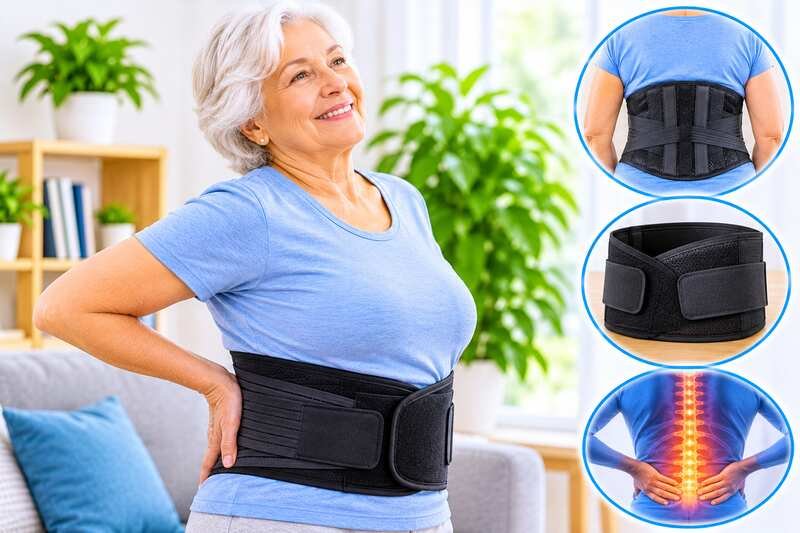
Best Back Braces for Seniors at a Glance
- Best overall: Aspen Lumbar Support Back Brace, with a 4:1 pulley system and independent top and bottom tightening
- Best for weak hands: MUELLER Green Adjustable Back & Abdominal Support, with a one-handed cinch
- Best low-profile pick: ACE Brand Deluxe Back Stabilizer with Lumbar Support, rated 4.4 stars from about 2,640 ratings
- Best metal-free brace: AVESTON Back Support, with 6 plastic ribs and no metal stays
- Best value: Modvel Lower Back Brace, rated 4.4 stars from about 5,290 ratings, with a lifetime replacement guarantee
- Best for heat and ice: ARRIS Hot and Cold Lower Back Brace, with an included gel ice pack
- Best premium brace: Bauerfeind LumboTrain, with a 26-nub massage pad
- Best posture trainer: PostureMedic Original, which works the upper back muscles
Back Braces for Seniors Comparison Table
| Model | Type | Senior-friendly feature | Fit range | Best for |
|---|---|---|---|---|
| Aspen Lumbar Support | Inelastic pulley | 4:1 pulley, little pulling force | M 31 to 36 in to XL 41 to 48 in | Firm support with easy tightening |
| MUELLER Green | Elastic + rigid panels | One-handed cinch | One size, 28 to 50 in | Arthritis in the hands |
| ACE Deluxe Back Stabilizer | Perforated neoprene | Low profile, light at 263 g | 32 to 48 in | Wearing under clothes |
| AVESTON Back Support | Elastic + plastic ribs | No metal stays | Multiple sizes | Medical visits and travel |
| Modvel Lower Back Brace | Elastic + stays | Lifetime replacement | Multiple sizes | Budget buyers |
| ARRIS Hot and Cold Back Brace | Neoprene + elastic bands | Hot/cold gel pack included | One size, up to 48 in | Stiff, achy mornings |
| Bauerfeind LumboTrain | Medical knit | Massage pad, soft knit | Sized by waist | Sensitive skin, long wear |
| PostureMedic Original | Elastic posture trainer | Light and strap-free | XS to XL | Rounded shoulders |
Ratings and review counts in this guide come from each product’s Amazon listing data at the time of writing. They change often, so check the current numbers before you buy.
1. Aspen Lumbar Support Back Brace with Pulley System


Photo amazon
The Aspen Lumbar Support Back Brace is ideal for seniors who need firm lower back support but do not have the hand strength to pull a tight elastic belt closed. It suits people with chronic low back pain, people with stiffness after a long day on their feet, and anyone whose doctor has suggested a firmer brace. It is our pick for the best back brace for seniors overall.
Pros:
- Patented 4:1 pulley system multiplies your pulling force, so it takes little effort to tighten
- Adjust the top and bottom separately for pressure exactly where you hurt
- Inelastic polyester panels hold their tension better than elastic
- Light at about 13 oz, and thin enough to wear under clothes
- Rated 4.4 stars from about 380 ratings
Cons:
- The listing warns that sizes run small, so size up if you are between sizes
- Costs more than basic elastic belts
Key specs: inelastic 100% polyester panels, hook-and-loop closure, 4:1 pulley, about 12.96 oz, six sizes including Medium (31 to 36 in), Large (36 to 42 in) and Extra-Large (41 to 48 in).
The pulley is what makes this brace so well suited to older adults. With a normal elastic belt, you have to pull both ends hard across your stomach and press the Velcro down while holding them in place. With the Aspen, you close the brace loosely, then pull the cords. The 4:1 ratio means a gentle tug turns into strong, even compression.
Being able to tighten the top and bottom on their own is useful, too. If your pain sits low near the tailbone, you can tighten the bottom and leave the top looser so it does not press on your ribs. Reviewers say it works best worn directly against the skin or over a thin shirt.
This is a lighter, simpler model than the Aspen QuikDraw PRO in our lumbar belt roundup. It skips the rigid front panel, which many older adults find more comfortable for sitting.
Who should skip it: If you want something very soft and stretchy for light support, the Bauerfeind below will feel gentler.
2. MUELLER Green Adjustable Back & Abdominal Support


Photo amazon
The MUELLER Green Adjustable Back & Abdominal Support is ideal for seniors with arthritis in their hands or limited shoulder movement. Its main feature is a one-handed cinch, so you can tighten or loosen it without using both hands. It also suits people on a budget.
Pros:
- One-handed cinch system for easy adjustments
- Rigid lumbar panels support weak lower back muscles
- One size fits 28 to 50 inch waists
- Very light at 8.8 oz
- Made partly from recycled materials, with a spandex binding that is 73% recycled
Cons:
- Rated 4.1 stars from about 540 ratings, a little lower than the top picks
- Some reviewers say the Velcro does not grip as well as they hoped
Key specs: blended fabric with rigid lumbar panels, Velcro closure, one-handed cinch, hand wash only, model 86741.
Target lists it at $39.99, which makes it one of the more affordable braces from a long-established sports medicine brand. It is also a different model from the MUELLER braces in our other guides.
The one-handed cinch is the reason it earns a place here. Once the belt is wrapped and closed, you pull a single tab to add compression. For someone with stiff fingers or a sore shoulder, that is much easier than wrestling with two straps at once. One reviewer who stands for eight-hour shifts said it reduced their lower back pain and helped them stand straighter.
Who should skip it: If you want a cushioned lumbar pad pressing into your back, the ACE or Modvel have one.
3. ACE Brand Deluxe Back Stabilizer with Lumbar Support


Photo amazon
The ACE Brand Deluxe Back Stabilizer is ideal for seniors who want a discreet brace they can wear under a sweater or blouse. It comes from ACE, a brand many people already know from the pharmacy aisle, and it suits daily wear for errands, church, or family visits.
Pros:
- Low-profile design fits under everyday clothing
- Repositionable lumbar pad lets you move support to where you need it
- Perforated neoprene helps keep skin cool and dry
- Light at about 263 g (9 oz)
- Rated 4.4 stars from about 2,640 ratings
Cons:
- Fits waists from 32 to 48 inches only
- Neoprene can feel warm in hot weather
Key specs: perforated neoprene, dual-strap system, rigid stays, repositionable lumbar pad, hook-and-loop closure, waist 32 to 48 in measured around the navel.
The repositionable pad is the standout feature. Most braces put the pad in one fixed spot. On the ACE, you can move it up or down, which helps if your pain is not right in the middle of your lower back. The dual straps then let you add a little extra pressure without retightening the whole belt.
It is one of the most reviewed braces in this guide, with a 4.4-star average from more than 2,600 ratings. Reviewers like that it does not show under clothes. Measure around your navel before buying, because the 32 to 48 inch range is narrower than some one-size braces.
Who should skip it: If your waist is over 48 inches, the MUELLER Green or a sized brace like the Aspen will fit better.
4. AVESTON Back Support Lower Back Brace

Photo amazon
The AVESTON Back Support is ideal for seniors who want firm support without any metal in the brace. Because it uses plastic ribs instead of metal stays, the maker says it is safe for airport security and MRI scans. That is handy for older adults who travel or have frequent medical appointments.
Pros:
- 6 wide plastic ribs give firm support with no metal stays
- The maker says it is MRI and airport friendly
- Covers the lumbar spine from T12 to S1
- Triple-layer elastic sides let you adjust compression
- Rated 4.4 stars from about 5,630 ratings, with a 1-year warranty
Cons:
- You must unfasten the side straps before wrapping, or the brace will not stretch fully
- Sizes are by belly measurement, so you need a tape measure
Key specs: stiff elastic orthopedic fabric, 6 reinforced plastic ribs, hook-and-loop closure, Large fits a 38 to 45 inch belly, 1-year manufacturer warranty.
The AVESTON has the largest review base in this guide, with about 5,600 ratings and a 4.4-star average. Reviewers often mention that it feels firm but thin. The maker describes the fabric as thin but strong, without extra layers on the belly, so it does not add bulk under a shirt.
The metal-free design is a practical bonus. You can wear it to the airport without setting off the scanner, and you may not need to take it off for some imaging tests. Always follow your imaging center’s instructions, though, because rules vary.
The maker advises measuring at the navel rather than going by pants size. Older adults often find their pants size has stayed the same while their belly measurement has changed, so this step matters.
Who should skip it: If you find straps fiddly, the one-handed MUELLER Green is simpler to put on.
5. Modvel Lower Back Brace

Photo amazon
The Modvel Lower Back Brace is ideal for seniors who want a well-reviewed everyday brace at a reasonable price. It suits mild to moderate lower back pain, posture support during chores, and people who like the security of a long warranty.
Pros:
- Rated 4.4 stars from about 5,290 ratings
- Lifetime replacement guarantee
- Listed as FSA/HSA eligible
- Adjustable compression pad for targeted lumbar support
- Vertical stays help stop the brace from rolling
Cons:
- Standard Velcro closure, so it needs two hands to tighten
- Neoprene can feel warm in summer
Key specs: EVA, neoprene, and silicone construction, vertical stays, adjustable compression pad, hook-and-loop closure, available in several sizes and colors.
The Modvel is a good all-rounder. It is light enough to wear for a few hours around the house, firm enough to help with bending and lifting, and backed by thousands of reviews. The lifetime replacement guarantee is a real plus for older adults on a fixed income who want a brace that will last.
If you have a flexible spending or health savings account, the FSA/HSA eligibility can lower your real cost. Check with your plan administrator to confirm.
Who should skip it: If you have weak or painful hands, choose a pulley or one-handed design instead.
6. ARRIS Hot and Cold Lower Back Brace with Gel Ice Pack

Photo amazon
The ARRIS Hot and Cold Lower Back Brace is ideal for seniors who use heat or ice for back pain. It comes with a reusable gel pack that you can chill or warm, so you get support and temperature therapy at the same time while you move around the house.
Pros:
- Gel pack included, and it is large enough to cover the lower back
- 3-in-1 use: cold therapy, heat therapy, and compression, or wear it without the pack as a regular lumbar belt
- Silicone lining and built-in stays help keep it from slipping
- Dual elastic bands let you adjust the compression
- Rated 4.5 stars from about 2,000 ratings
Cons:
- One size only (fits waists up to 48 in), so smaller or larger waists may not get a snug fit
- Neoprene blend is warmer than a mesh or knit brace on hot days
Key specs: neoprene blend with silicone lining, built-in support stays, dual elastic compression bands, reusable gel ice pack, one size for waists up to 48 in, backed by a 1-year replacement guarantee.
Many older adults find that warmth helps stiff morning backs, while cold helps after a flare-up from gardening or housework. With this brace, you can slip a warmed or chilled pack into place, fasten the belt, and keep doing light tasks instead of lying on a heating pad.
Because it is one size, measure your waist at the level of your belly button before you order. If you are well under or over the size range, one of the multi-size braces on this list will fit better.
Follow the maker’s heating and freezing directions, never put a pack that is too hot or too cold directly against your skin, and check your skin often. Older skin is thinner and can burn or get frostbite more easily.
Who should skip it: If you do not use heat or ice, the AVESTON or Modvel give similar support in a lighter, cooler brace.
7. Bauerfeind LumboTrain Back Support

Photo amazon
The Bauerfeind LumboTrain is ideal for seniors who will wear a brace for long periods and want the most comfortable, skin-friendly fabric. It is a premium German medical brace made from a soft, breathable knit, with a massage pad on the back.
Pros:
- Medical knit fabric is breathable and soft against the skin
- Massage pad with 26 nubs gives gentle pressure to ease tension
- Slim design is discreet under clothing
- The listing says it is clinically proven to reduce acute and chronic back pain
- Rated 4.2 stars from about 210 ratings
Cons:
- Much more expensive than the other braces here
- One reviewer found the small size runs very small
Key specs: stretch medical knit, 26-nub lumbar massage pad, unisex anatomical cut, about 0.51 kg (1.1 lb), sized by waist circumference (size 1 fits 70 to 80 cm, about 27.5 to 31.5 in).
Bauerfeind braces are often recommended by physical therapists, and the LumboTrain shows why. Instead of rigid stays, it relies on a close-fitting knit that compresses evenly, while the massage pad presses on the muscles beside the spine as you move. Many people find this more comfortable than neoprene for all-day wear.
The price is the main drawback. It costs several times as much as an elastic belt, so it makes the most sense if you plan to wear a brace most days.
Who should skip it: If you only need a brace now and then, the Modvel or ACE give good support for far less.
8. PostureMedic Original Posture Corrector


Photo amazon
The PostureMedic Original is ideal for seniors who are starting to round their shoulders forward and want to train better posture. Unlike the lumbar braces above, it targets the upper back. It uses elastic resistance to gently pull the shoulders back while you stand or sit.
Pros:
- Progressive resistance bands help strengthen upper back muscles and stretch tight chest muscles
- The listing says it is recommended by thousands of chiropractors and physical therapists
- Light and simple, with no hard parts
- Comes in sizes from XS to XL, plus a Plus version with more resistance
- Includes an exercise and stretch guide
Cons:
- Works best when combined with the exercises, not on its own
- Some people find the bands pull too hard at first
Key specs: elastic resistance tubing, figure-eight design, sizes XS to XL, Original and Plus resistance levels.
One reviewer explained that as they got older their torso got smaller, so a medium Original was a good starting brace. The Plus version uses stronger tubing, so most seniors should start with the Original.
Posture trainers are not a cure for a hunched back, especially if the curve comes from bone changes such as osteoporosis. They work best as a reminder to sit and stand tall, together with regular exercise. Our guide to upper back exercises for better posture has 10 moves to try.
Who should skip it: If your pain is in your lower back, choose one of the lumbar braces above instead.
How to Choose the Best Back Brace for Seniors
The best back brace for seniors depends on your hands, your skin, your size, and the kind of pain you have. Use these points to choose.
Can You Put It On by Yourself?
This is the most important question. If you have arthritis in your hands, a sore shoulder, or limited reach, avoid braces that need you to pull two tight straps across your body. Look instead for:
- Pulley systems, like the Aspen, which multiply your pulling force
- One-handed cinches, like the MUELLER Green
- Pull tabs or loops you can hook a finger through
Try the brace on while sitting in a chair. If you can fasten it without standing up or twisting, it will be much easier to use every day.
Choose the Right Level of Support
There are three main levels:
- Soft knit or elastic braces (Bauerfeind) give light, comfortable support for everyday aches.
- Elastic braces with stays or ribs (AVESTON, Modvel, ACE, MUELLER Green) give moderate support for chores and walking.
- Inelastic pulley braces (Aspen) give firm support for chronic pain or more active days.
Our guide to what a back brace does explains how each style supports the spine.
Measure Carefully
Most braces size by waist or belly measurement, not pants size. Wrap a soft tape measure around your body at the level of your belly button and compare it to the size chart. If you are between sizes, the Aspen and AVESTON listings both suggest going by the belly measurement and sizing up if needed.
Think About Your Skin
Older skin is thinner and more easily irritated. Wear a thin cotton shirt under the brace, check your skin for red marks each time you take it off, and choose breathable mesh or knit if you will wear it for more than an hour or two.
Keep It Light
A heavy brace is tiring to wear. Every brace in this guide weighs about a pound or less, and the MUELLER Green weighs just 8.8 oz.
Signs a Back Brace Does Not Fit You
Even the best back braces for seniors only help if they fit. Take the brace off and try a different size or style if you notice any of these signs:
- Red marks or dents in your skin that last more than about 20 minutes after you take it off
- Tingling or numbness in your legs or groin while wearing it
- Shortness of breath or a feeling that you cannot take a full breath
- The brace rides up toward your ribs or rolls over at the edges when you walk
- It digs into your hips every time you sit down
- New pain in your hips, ribs, or upper back after wearing it
Most of these problems come from the wrong size or from wearing the brace too tight. Loosen it first. If the problem continues, the brace is probably too tall or too narrow for your body. A shorter elastic brace like the ACE or Modvel often works better for people with a short torso, while a one-size design like the MUELLER Green suits people whose weight has changed.
If a brace still causes pain after you adjust it, stop wearing it and talk to your doctor or a physical therapist. They can check your fit and suggest a different type of support.
Does Medicare Cover Back Braces?
In some cases, yes. According to Medicare.gov, Medicare Part B covers back braces when they are medically necessary and a doctor or other health care provider orders them. After you meet the Part B deductible, you pay 20% of the Medicare-approved amount.
This usually applies to braces supplied through a doctor’s office or a medical equipment supplier that accepts Medicare, not to braces you buy yourself online. If you think you need a brace for a specific condition, ask your doctor whether a prescribed brace makes sense. For mild, everyday aches, an over-the-counter brace like the ones above is often the simpler option.
How to Wear a Back Brace Safely as a Senior

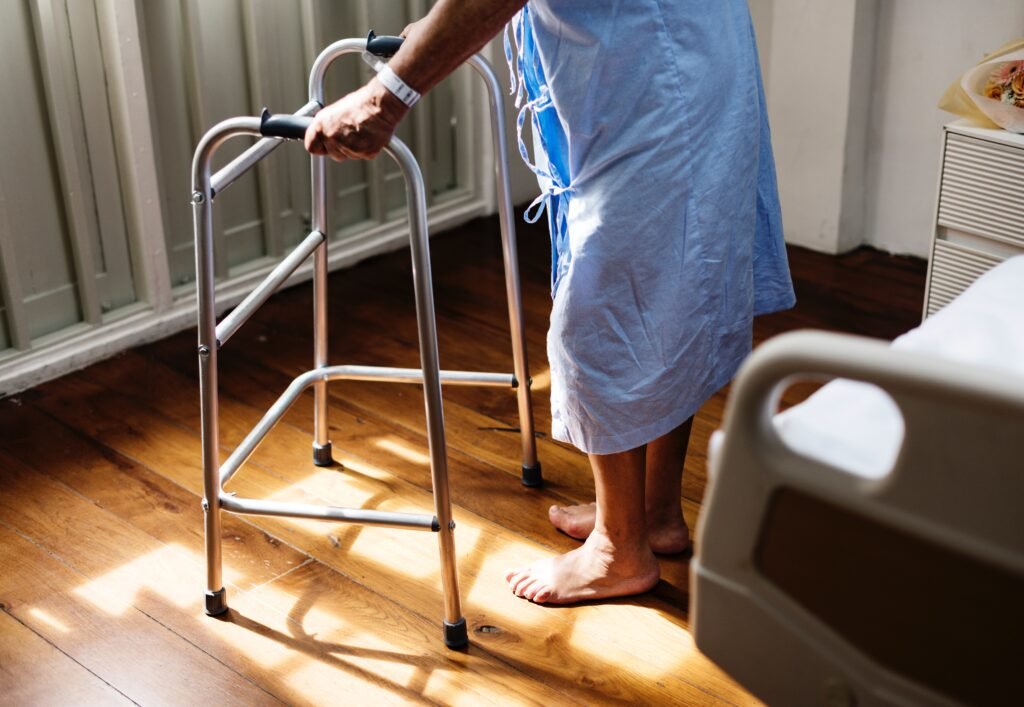
Photo: rawpixel.com, CC0, via Wikimedia Commons
A back brace can help you stay active, but it works best when used the right way. Follow these tips:
- Wear it for activities, not all day. Put it on for walking, housework, gardening, or long car rides, and take it off when resting.
- Keep it snug, not tight. You should be able to breathe deeply and slide a flat hand under the edge.
- Loosen it when you sit. Most braces dig in when you bend at the hips.
- Do not sleep in it unless your doctor tells you to.
- Keep moving and strengthening. Wearing a brace all the time can let your core muscles do less work, so pair it with gentle exercise.
For step-by-step help with fit, read our guide on how to properly wear a back brace. In the video below, two physical therapists explain which back braces are worth wearing and which are a waste of money.
A Brace Does Not Prevent Falls
A back brace supports your spine, but it does not improve balance. If you feel unsteady, talk to your doctor about balance exercises, a cane or walker, and a home safety check. Good shoes help too, so take a look at our picks for the best shoes for lower back pain.
When Seniors Should See a Doctor About Back Pain
Some back pain in older adults needs medical attention rather than a brace. See a doctor promptly if your back pain:
- Starts after a fall, even a small one, since bones can be more fragile with age
- Comes with numbness, tingling, or weakness in your legs
- Comes with loss of bladder or bowel control
- Comes with fever, chills, or unexplained weight loss
- Is worse at night or when lying down
- Has not improved after a few weeks
If you have osteoporosis or a history of spinal fractures, ask your doctor before using any brace. Some conditions need a specific, prescribed brace.
Frequently Asked Questions
What is the best back brace for seniors?
For most older adults, the Aspen Lumbar Support Back Brace is the best back brace for seniors. Its 4:1 pulley makes it easy to tighten, and you can adjust the top and bottom separately. If you have very weak hands, the MUELLER Green with its one-handed cinch is the easiest to use.
Are back braces safe for seniors?
Yes, for most people, when used for short periods during activity. Wear a thin shirt underneath, avoid over-tightening, and check your skin. Talk to your doctor first if you have osteoporosis, a heart or breathing condition, or a recent spine injury.
How many hours a day should a senior wear a back brace?
Most people do best wearing a brace during the activities that bring on pain, such as housework or walking, rather than all day. Follow your doctor’s advice if they have given you a schedule.
Can a back brace help with posture in older adults?
A lumbar brace can encourage you to sit and stand straighter, and an upper back trainer like the PostureMedic targets rounded shoulders. Neither replaces regular strengthening exercises.
Does Medicare pay for back braces?
Medicare Part B covers back braces when they are medically necessary and ordered by a doctor. You usually pay 20% of the Medicare-approved amount after the Part B deductible.
Can seniors wear a back brace while sitting?
Yes, but loosen it slightly first. Braces tend to dig into the hips and ribs when you sit, especially taller models.
Conclusion
The best back braces for seniors are easy to put on, light to wear, and kind to the skin. For most older adults, the Aspen Lumbar Support Back Brace is the best first choice thanks to its easy pulley system. If your hands are weak, the MUELLER Green with its one-handed cinch is the simplest to use. Seniors who want a discreet everyday brace will like the ACE Deluxe Back Stabilizer, while the Bauerfeind LumboTrain is worth the extra cost if you will wear it most days.
Whatever you choose, measure carefully, wear it for the activities that cause pain, and keep up gentle exercise. If you want more lumbar options, see our guide to the best lumbar support belt. For soothing sore muscles at home, try these lower back massage techniques. And if your pain is severe or getting worse, see your doctor.
Related Review Articles
- Best Back Braces Comparison and Reviews
- Best Lumbar Support Belt for Lower Back Pain
- Best Shoes for Lower Back Pain Reviews and Buyer’s Guide
- Best Handheld Back Massager Reviews and Buying Guide
- Hip Support Brace Comparison and Reviews


Hi, I’m Mamon, the content creator behind this blog. I share my experience in blogging, WordPress, SEO, and affiliate marketing through honest product reviews, in-depth buying guides, and practical how-to articles. Every piece of content is thoroughly researched and written to help readers make informed decisions.