A good foot scrub is the fastest way to turn rough, dry heels into soft, smooth feet. Whether you use a store-bought sugar scrub, a pumice stone, or a DIY mix from your kitchen, exfoliating removes the layer of dead skin that builds up on the soles, heels, and sides of your feet. Done right, it also helps your moisturizer soak in and keeps calluses from getting thick and painful.
The best time to use a foot scrub is right after a warm soak or foot spa session, when the skin is soft. This guide explains how to exfoliate your feet step by step, which types of scrubs work best, how often to scrub, three easy DIY recipes, and when to skip scrubbing and see a doctor instead.
Key Takeaways
- A foot scrub removes dead skin so feet look and feel smoother.
- Soak your feet in warm water for about 5 to 10 minutes first, as dermatologists recommend before filing calluses.
- Use gentle pressure and stop before the skin feels sore or raw.
- Scrub once or twice a week, then moisturize right away.
- People with diabetes, neuropathy, or poor circulation should ask a doctor before exfoliating.
What Is a Foot Scrub?
A foot scrub is any product or tool that exfoliates the skin on your feet. Exfoliation simply means removing dead skin cells from the surface.
The skin on your soles and heels is naturally thicker than skin elsewhere, because it handles your body weight every day. Pressure and friction from walking and shoes make it thicker still. When dead skin builds up faster than it sheds, feet start to feel rough, look dull, and may develop calluses or cracked heels.
There are two main types of foot scrubs:
| Type | How it works | Examples | Best for |
|---|---|---|---|
| Physical scrub | Rubs away dead skin by friction | Sugar or salt scrubs, pumice stone, foot file | Quick smoothing, calluses |
| Chemical exfoliant | Loosens dead skin with acids or urea | Lactic acid lotion, urea cream, foot peel masks | Very thick or cracked skin |
Many people use both: a physical foot scrub after a soak, then a moisturizer with a mild exfoliating ingredient.
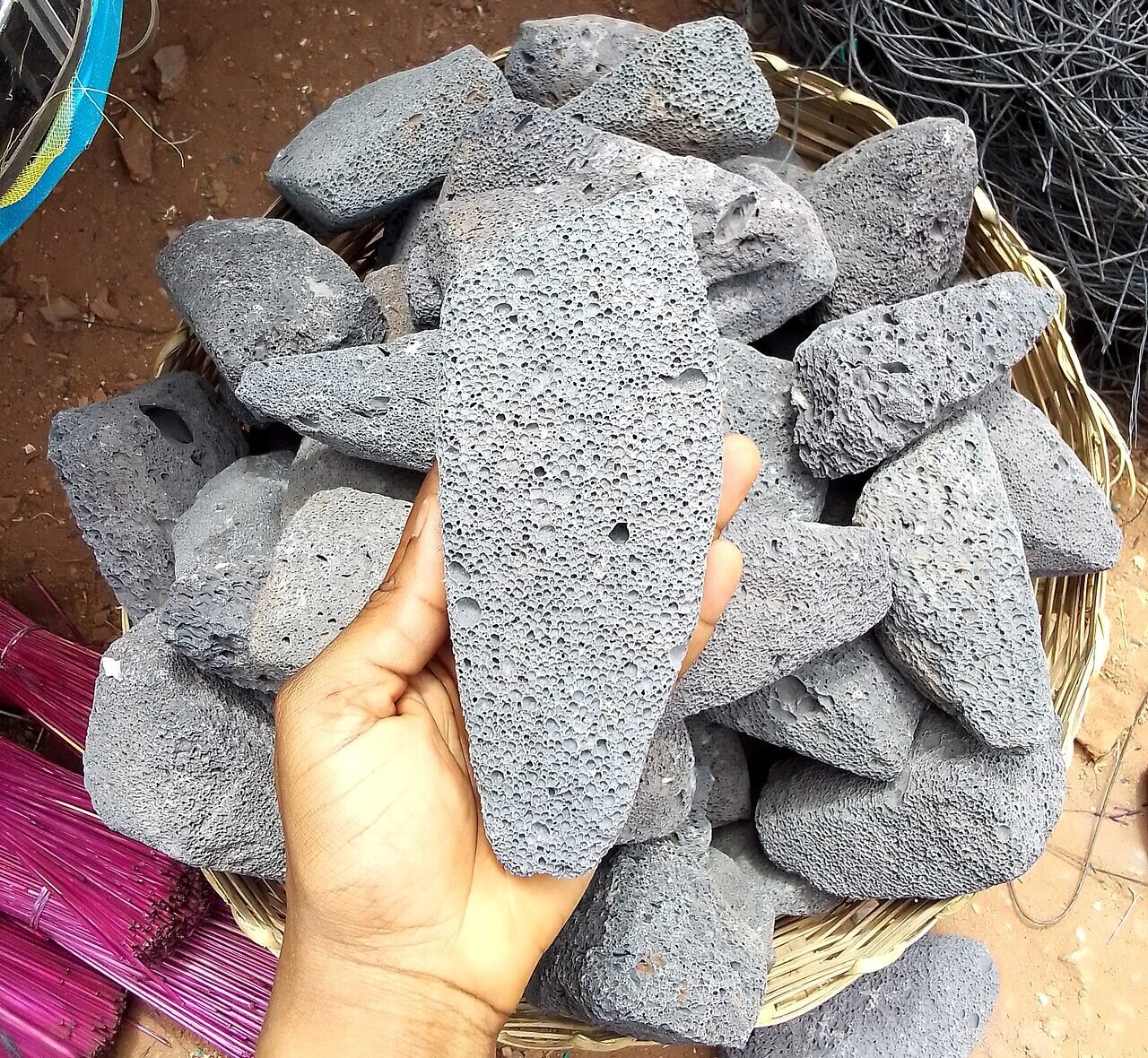
Photo: Ebiojo / Wikimedia Commons (CC BY-SA 4.0)
Benefits of Using a Foot Scrub
Regular exfoliation offers a few practical benefits:
- Smoother skin. Removing dead cells leaves soles and heels softer to the touch.
- Better moisturizer absorption. Lotion can reach fresh skin instead of sitting on a dry, flaky layer.
- Thinner calluses. Gentle, regular filing keeps calluses from building up and pressing on the foot.
- Fewer cracked heels. Thick, dry skin on the heels is more likely to split. Keeping it thinner and moisturized helps.
- A relaxing routine. A foot scrub after a soak is a simple way to unwind at the end of the day.
A foot scrub is a cosmetic and comfort habit, not a medical treatment. If you have painful corns, deep cracks, or signs of infection, see a podiatrist or dermatologist.
How to Use a Foot Scrub: Step by Step
Follow these steps for the best results and the least irritation.
Step 1: Soak Your Feet
Soaking softens dead skin so it comes off more easily. The American Academy of Dermatology recommends soaking a corn or callus in warm water for about five to 10 minutes, or until the skin softens, before gently filing it.
You can use a basin of warm water or a foot spa. A heated foot spa keeps the water warm throughout the soak. Compare models in our guide to the best heated foot spa.
Step 2: Apply the Scrub
Take a small handful of scrub and massage it into damp feet in small circles. Focus on the heels, the balls of the feet, and the outer edges, where dead skin builds up most. Use lighter pressure on the tops of the feet and between the toes.
Step 3: Use a Pumice Stone or Foot File for Tough Spots
For calluses, wet a pumice stone and rub it over the area using gentle circular or side-to-side motions. Don’t try to remove all of the hard skin in one session. Slow, steady progress is safer.
Step 4: Rinse and Pat Dry
Rinse away the scrub with warm water, then pat your feet dry with a clean towel. Dry carefully between your toes to help prevent fungal infections.
Step 5: Moisturize Right Away
Apply a thick foot cream or ointment while the skin is still slightly damp. This locks in moisture. For extra softness, put on cotton socks for an hour or overnight.
Types of Foot Scrubs Compared
Different scrubs suit different feet. Use this table to choose.
| Scrub type | Texture | Strength | Good for | Watch out for |
|---|---|---|---|---|
| Sugar scrub | Fine to medium grains | Gentle | Dry skin, regular use | Can be messy |
| Salt scrub | Coarse grains | Medium | Rough soles | Stings small cuts |
| Coffee scrub | Medium grains | Medium | Refreshing scent, rough skin | Can stain grout and towels |
| Pumice stone | Porous volcanic rock | Medium to strong | Calluses, heels | Too much pressure causes soreness |
| Foot file or rasp | Metal or glass surface | Strong | Thick calluses | Easy to overdo |
| Electric callus remover | Rotating roller | Strong | Very thick heels | Can remove too much skin quickly |
| Lactic acid or urea lotion | Cream | Gentle and gradual | Cracked, very dry skin | May sting broken skin |
| Foot peel mask | Gel-filled booties | Strong, delayed | Heavy buildup | Peeling lasts up to two weeks |
For most people, a sugar foot scrub once or twice a week, plus a pumice stone for heels, is plenty.
How Often Should You Use a Foot Scrub?
For most people, once or twice a week is enough. Scrubbing every day can irritate the skin, cause soreness, and even make calluses thicken as the skin tries to protect itself.
| Skin type | Suggested frequency |
|---|---|
| Normal feet | Once a week |
| Dry or rough feet | Twice a week |
| Thick calluses | Two to three times a week with gentle pressure |
| Sensitive skin | Once every one to two weeks |
If your feet look red, feel tender, or start to bleed, stop and give them a few days to recover.

Photo: Hyppolyte de Saint-Rambert / Wikimedia Commons (CC BY 4.0)
3 Easy DIY Foot Scrub Recipes
You can make a simple foot scrub with ingredients you already have. Mix each in a clean bowl and use it the same day.
1. Brown Sugar and Coconut Oil Scrub
- 1/2 cup brown sugar
- 1/4 cup coconut oil, softened
- A few drops of vanilla extract, optional
This is the gentlest option and works well for regular use. The oil leaves skin feeling soft.
2. Sea Salt and Olive Oil Scrub
- 1/2 cup fine sea salt
- 1/4 cup olive oil
- 1 teaspoon lemon zest, optional
Salt is a little rougher than sugar, so it suits rough soles. Skip it if you have small cuts, since salt stings.
3. Coffee and Sugar Scrub
- 1/4 cup used coffee grounds
- 1/4 cup white sugar
- 3 tablespoons coconut or almond oil
This scrub has a fresh scent and medium grit. Rinse your tub well afterward, since coffee grounds can clog drains and stain surfaces.
Tips for DIY scrubs:
- Patch-test on a small area first.
- Avoid essential oils if you have sensitive skin, or dilute them well.
- Oil makes the tub and floor slippery, so rinse carefully and sit down while scrubbing.
- Don’t use DIY scrubs inside a foot spa basin unless the manual allows oils and grains. They can clog jets. Learn more in our guide on how to clean a foot spa.
How to Use a Pumice Stone Safely
A pumice stone is one of the most effective foot scrub tools, but it is easy to overdo. Follow these tips:
- Always wet the stone and your skin first. A dry stone can scratch.
- Use light to medium pressure. Let the stone do the work.
- Limit each area to a minute or two. A Canadian health service, HealthLinkBC, suggests rubbing with light to medium pressure for about 2 to 3 minutes, and warns that going too deep can cause bleeding and infection.
- Rinse the stone after each use and let it dry fully to prevent bacteria.
- Replace it when it becomes smooth or starts to crumble.
Never use a razor, scissors, or blade to cut away calluses at home.
Foot Scrub After a Foot Spa: The Ideal Routine
A foot spa and a foot scrub work best together. Here is a simple 30-minute routine:
- Soak for 10 to 15 minutes in warm water, about 100 to 105°F, in a foot spa or basin.
- Scrub for 3 to 5 minutes with a sugar or salt foot scrub.
- File calluses for 1 to 2 minutes with a wet pumice stone.
- Rinse and dry thoroughly, including between the toes.
- Moisturize with a thick cream and put on cotton socks.
If you don’t have a foot spa yet, our main guide to the best home foot spa and our list of the best collapsible foot spa picks can help. For a full at-home routine, see our guide to a feet spa treatment at home.
Who Should Avoid Foot Scrubs?
Some people should check with a doctor before using a foot scrub:
- People with diabetes. Diabetes can reduce feeling in the feet and slow healing. A small scrape can turn into a serious wound. Many podiatrists advise people with diabetes not to file calluses themselves.
- People with neuropathy or poor circulation. You may not feel when you’ve scrubbed too hard.
- Anyone with open cuts, blisters, or cracked, bleeding heels. Let them heal first.
- People with athlete’s foot or other infections. Scrubbing can spread or irritate the infection.
- People with very sensitive skin or eczema on the feet.
If any of these apply, a podiatrist can safely trim calluses and recommend the right moisturizer.
Common Foot Scrub Mistakes
Avoid these mistakes to keep your feet healthy:
- Scrubbing dry skin. Always soak first or scrub in the shower.
- Pressing too hard. Redness and soreness mean you’ve gone too far.
- Scrubbing too often. More is not better. Stick to once or twice a week.
- Skipping moisturizer. Freshly exfoliated skin dries out fast.
- Using a dirty pumice stone or file. Clean and dry tools after each use.
- Ignoring the cause. Calluses often come from tight or poorly fitting shoes. If your shoes rub, the hard skin will come back. Read our tips on relieving toenail pain from shoes for shoe-fit advice.
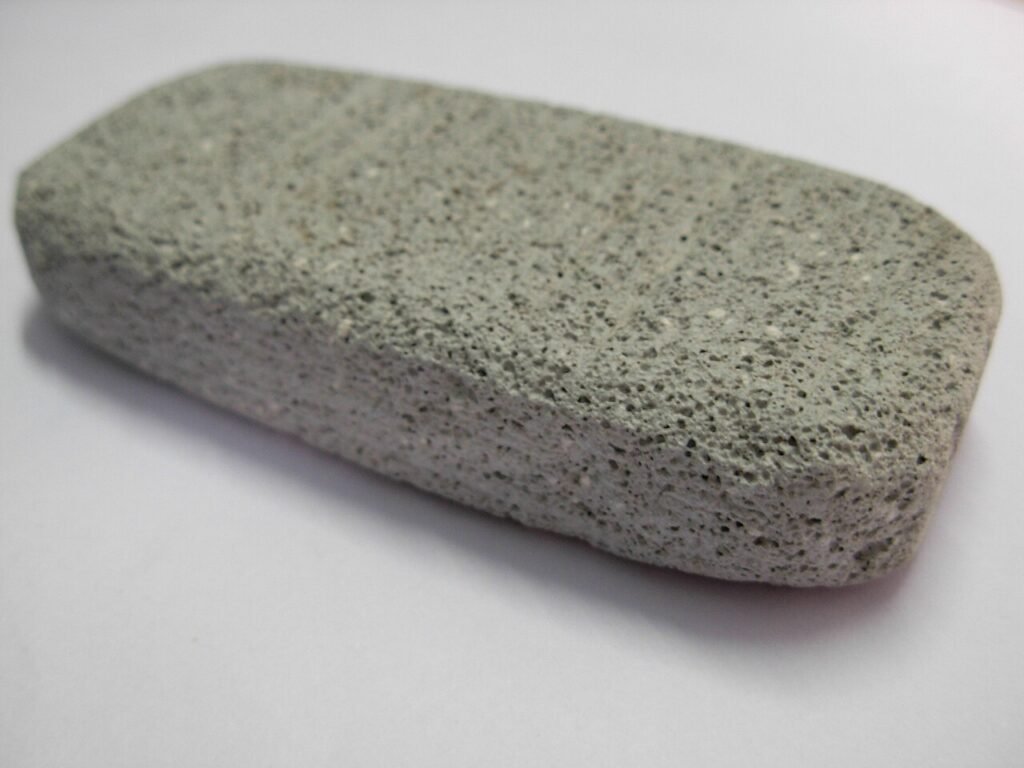
Photo: Ambuj Saxena / Wikimedia Commons (CC BY 2.0)
What to Look for in a Store-Bought Exfoliating Product
If you’d rather buy than mix your own, check the label for these features:
- Fine to medium grains for regular use, and coarser grains only for heels
- Moisturizing oils or butters, such as shea butter or jojoba oil
- Gentle exfoliating acids, like lactic acid, for very dry skin
- Urea, which softens thick, rough skin
- Fragrance-free formulas if your skin is sensitive
Avoid products with large, sharp particles such as crushed nut shells, which can scratch the skin.
Foot Scrub vs Foot Peel: Which Is Better?
Foot peel masks are gel-filled booties that use acids to loosen dead skin. Over the next one to two weeks, the skin peels off in sheets.
| Factor | Foot scrub | Foot peel mask |
|---|---|---|
| Results | Immediate, gradual | Dramatic, delayed |
| Time | 5 to 10 minutes | About an hour, then 1 to 2 weeks of peeling |
| Control | High | Low |
| Best for | Regular maintenance | Occasional deep reset |
| Risk | Soreness if overdone | Irritation, especially on sensitive skin |
A foot scrub is better for regular care. A foot peel can be a once-in-a-while treatment for heavy buildup, but avoid it if you have broken skin or diabetes.
Frequently Asked Questions
What is the best foot scrub for dry, cracked heels?
A gentle sugar scrub plus a wet pumice stone works well for most people. Follow up with a thick moisturizer containing urea or lactic acid. For deep, painful cracks, see a dermatologist or podiatrist.
Can I use a body scrub on my feet?
Yes. Most body scrubs work on feet. Coarser scrubs are better for the soles, while finer scrubs suit the tops of the feet.
Should I scrub my feet wet or dry?
Always wet. Soak your feet first so the dead skin softens and comes off gently.
How long does it take to see results from a foot scrub?
You’ll notice smoother skin after the first session. For thick calluses, it can take a few weeks of gentle, regular scrubbing.
Is it safe to use a foot scrub every day?
It isn’t recommended. Daily scrubbing can irritate the skin. Once or twice a week is enough for most people.
Can a foot scrub remove calluses completely?
It can thin them, but calluses form to protect areas under pressure. If the cause, often your shoes, stays the same, they will come back.
Conclusion
A foot scrub is a simple, low-cost way to keep your feet soft and smooth. Soak first, scrub gently once or twice a week, use a wet pumice stone on calluses, and moisturize right away. Choose a gentle sugar scrub for regular care and save stronger tools for tough spots.
Pair your foot scrub with a warm soak for the best results. To build a full routine, explore our guide to the best home foot spa, and learn how a relaxing massage can add to the experience in our guide to the benefits of massage.
Health note: This article is for general information only and is not medical advice. If you have diabetes, poor circulation, or painful foot problems, talk to your doctor or podiatrist before exfoliating.

Hi, I’m Mamon, the content creator behind this blog. I share my experience in blogging, WordPress, SEO, and affiliate marketing through honest product reviews, in-depth buying guides, and practical how-to articles. Every piece of content is thoroughly researched and written to help readers make informed decisions.
Leave a Reply