Water picks for teeth cleaning have moved from dental offices into millions of American bathrooms. If you have ever wondered whether a water pick can replace string floss, or how it actually cleans, you are in the right place. Gum health is worth the effort: NIDCR data from the national NHANES survey shows that 42.2% of U.S. adults aged 30 and older have periodontitis, and the rate rises to 53.1% among adults who do not floss regularly.
This guide explains what water picks for teeth cleaning are, how they work, their real benefits and limits, and how to use one safely for better dental hygiene at home.
Key Takeaways
- A water pick, also called a water flosser or oral irrigator, uses a pulsing stream of water to clean between teeth and along the gumline.
- Water picks for teeth cleaning are especially helpful for braces, implants, bridges, and limited hand strength.
- Research suggests water picks can reduce plaque and gum inflammation, though long-term studies are limited.
- Start on the lowest pressure setting and use the device once a day for about 60 seconds.
- A water pick supports brushing and dental checkups. It does not replace them.
What Is a Water Pick?
A water pick is a device that shoots a thin, pulsing stream of water into the spaces between your teeth and just under the gumline. The name comes from Waterpik, the Colorado brand that popularized the device in the 1960s. Today, people use “water pick,” “water flosser,” and “oral irrigator” to mean the same kind of tool.
Most water picks for teeth cleaning have three parts: a water tank, a small motor that creates pressure, and a handle with a replaceable tip. Countertop models keep the tank and motor in a base on your bathroom counter. Cordless models pack everything into one handheld unit.
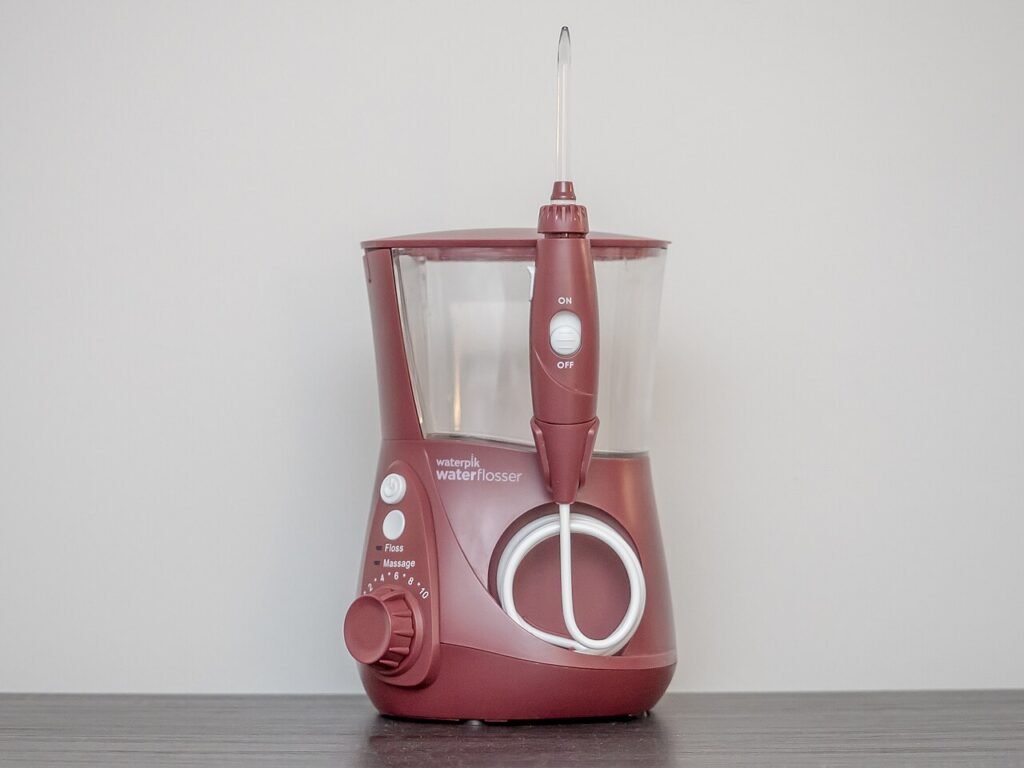
Photo: ajay_suresh / Wikimedia Commons (CC BY 2.0)
How Do Water Picks for Teeth Cleaning Work?
Water picks for teeth cleaning use two forces together: pressure and pulsation. The motor pushes water through a narrow tip at a set pressure. At the same time, the stream pulses on and off very quickly, often more than a thousand times per minute.
That pulsing action does two jobs:
- Compression and release. Each pulse pushes against the gum tissue and then releases. This helps flush out bacteria and debris from small pockets along the gumline.
- Flushing. The steady flow of water rinses loosened plaque and food particles out of the gaps between teeth.
Because water can bend around brackets, wires, and the edges of implants, a water pick reaches places that string floss struggles to reach. That is the main reason dentists often suggest water picks for teeth cleaning to patients with braces or dental work.
A Short History of the Water Pick
The water pick is not a new idea. Waterpik, based in Fort Collins, Colorado, brought the first home oral irrigator to market in the 1960s, and the device has been refined many times since. Modern water picks for teeth cleaning add quieter motors, more pressure settings, rechargeable batteries, and specialty tips for braces and implants. In 2017, the American Dental Association made the Waterpik water flosser the first powered interdental cleaner to earn its Seal of Acceptance, and other brands have since earned the seal too.
Benefits of Water Picks for Teeth Cleaning
Here are the main benefits people get from water picks for teeth cleaning, along with what the evidence says.
1. Plaque Removal Between Teeth
In a 2013 randomized trial of 70 adults, a water flosser plus a manual toothbrush reduced whole-mouth plaque by 74.4%, compared with 57.7% for string floss plus a toothbrush. The study was funded by Waterpik, so read it as helpful but not neutral evidence.
2. Healthier Gums
A 2019 Cochrane review of interdental cleaning found low-certainty evidence that oral irrigators may reduce gingivitis in the short term when added to toothbrushing. Many people also notice less bleeding after one to two weeks of daily use.
3. Easier to Use Than String Floss
You only need to hold the handle and guide the tip. That makes water picks for teeth cleaning a strong choice for people with arthritis, limited dexterity, or anyone who simply finds floss frustrating.
4. Ideal for Braces and Dental Work
Water flows around brackets, wires, bridges, and implants. Orthodontic and plaque-seeking tips add even more control. If you wear braces, see our guide to the best water flosser for braces.
5. Gentle on Sensitive Gums
Most devices have adjustable pressure. Starting low lets sensitive gums adjust without the sharp feeling that snapping floss can cause.
6. Fresher Breath
Flushing out trapped food helps reduce the bacteria that cause bad breath. It is not a cure for chronic bad breath, but it often helps.
Water Picks for Teeth Cleaning vs String Floss
Many readers want to know whether water picks for teeth cleaning beat string floss. Each tool has strengths.
| Factor | Water pick | String floss |
|---|---|---|
| Plaque removal | Strong, especially at the gumline | Strong when used correctly |
| Braces and implants | Excellent | Slow and difficult |
| Tight contacts | Fair | Excellent |
| Ease of use | Easy after about a week | Hard for many people |
| Comfort | Gentle on low settings | Can cut gums if snapped |
| Cost | Higher upfront | Very low |
Many dentists suggest using a water pick daily and string floss on very tight spots a few times a week. For a deeper comparison, read our guide to water flosser vs floss.
Who Should Use Water Picks for Teeth Cleaning?
Almost anyone can benefit from water picks for teeth cleaning, but some groups gain the most:
- People with braces or aligner attachments. Water reaches around brackets in a fraction of the time it takes to thread floss.
- People with implants, crowns, or bridges. Specialty tips clean the margins where plaque builds up.
- People with early gum disease. Daily use can help calm bleeding and inflammation alongside professional care.
- Older adults and people with arthritis. No finger wrapping or fine motor control is needed.
- People who skip flossing. A tool that feels easier is more likely to become a habit.
If you are not sure, ask your dentist or hygienist at your next visit. They can suggest the right tip and pressure for your mouth.
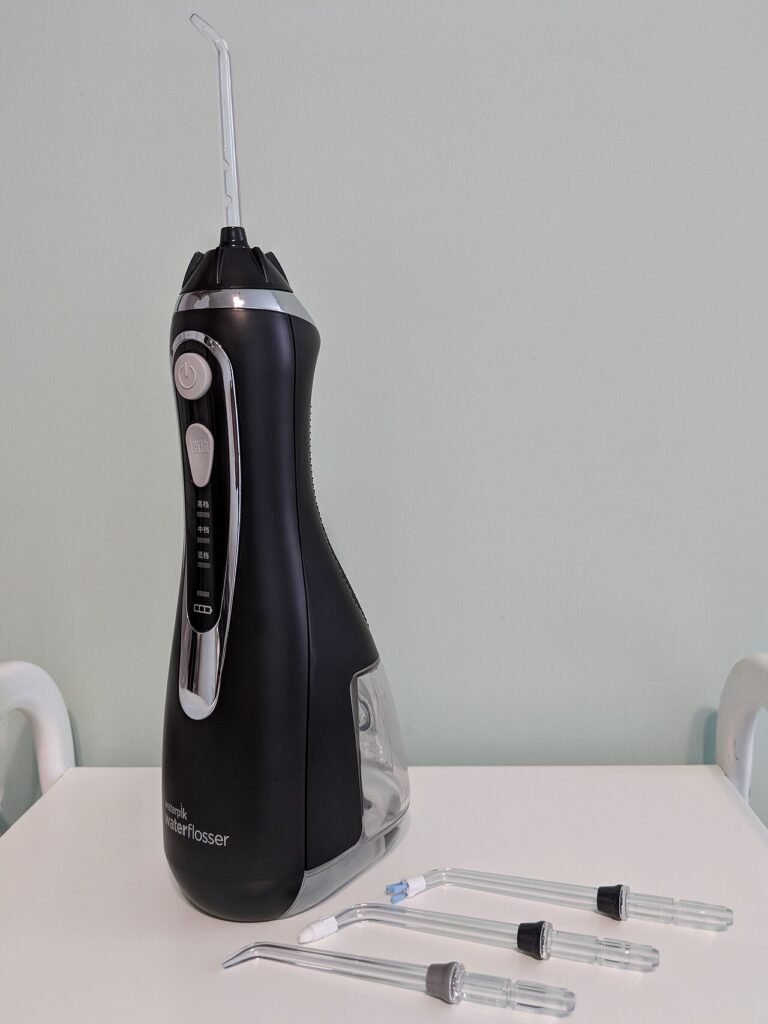
Photo: Hal 0005 / Wikimedia Commons (CC BY-SA 4.0)
Types of Water Picks for Teeth
There are two main types of water picks for teeth cleaning, plus a few hybrid options.
Countertop Water Picks
Countertop models plug into the wall and hold a large tank, often enough for 90 seconds or more. They usually offer around 10 pressure settings and several tips. They are the best fit for braces, implants, and households where more than one person floss. Compare proven models in our guide to water flossers recommended by dentists.
Cordless Water Picks
Cordless models are rechargeable and portable. Many are waterproof enough to use in the shower. Tanks are smaller and settings are fewer, but they are perfect for travel and small bathrooms. See our picks for the best water flosser cordless models.
Toothbrush and Water Pick Combos
Some devices combine an electric toothbrush with a water pick, either in one handle or on one shared base. They save time and counter space. Learn more in our guide to electric toothbrush and water flosser combos.
How to Use Water Picks for Teeth Cleaning
Follow these steps to get the most from water picks for teeth cleaning.
- Fill the tank with lukewarm water. Cold water can feel sharp on sensitive teeth.
- Choose a tip. Use a standard jet tip unless you have braces, implants, or pockets that need a specialty tip.
- Set the lowest pressure for your first week, then increase slowly.
- Lean over the sink and place the tip in your mouth before turning it on.
- Close your lips slightly to reduce splashing, and let water drain into the sink.
- Aim the stream at the gumline at a 90-degree angle, starting with your back teeth.
- Pause briefly between teeth, tracing the gumline on both the outside and inside.
- Turn it off before removing it from your mouth.
Most people need about 60 seconds. For more detail, read our step-by-step guide on how to use a water flosser.
Choosing the Right Tip
Tips make a big difference with water picks for teeth cleaning. Here are the most common options:
| Tip | Best for |
|---|---|
| Standard jet tip | Everyday cleaning for most people |
| Orthodontic tip | Braces and brackets |
| Plaque-seeking tip | Implants, crowns, and bridges |
| Pocket or periodontal tip | Deeper gum pockets, if your dentist suggests it |
| Toothbrush tip | Brushing and flossing together |
| Tongue cleaner | Freshening breath |
Replace tips every three to six months, or sooner if they look worn or discolored.
What Results Can You Expect, and How Fast?
Most people notice changes from water picks for teeth cleaning within a few weeks of daily use. Here is a realistic timeline, though everyone is different:
| Timeframe | What you may notice |
|---|---|
| Days 1 to 7 | Some light bleeding as you learn the technique and your gums adjust |
| Weeks 2 to 3 | Less bleeding, a cleaner feel along the gumline, fresher breath |
| Weeks 4 to 6 | Gums may look firmer and less puffy; flossing feels routine |
| Next checkup | Your hygienist may see less plaque and bleeding between teeth |
If bleeding continues past two weeks, or your gums feel sore, see your dentist. Ongoing bleeding can be a sign of gum disease that needs professional care.
Countertop vs Cordless Water Picks at a Glance
| Feature | Countertop | Cordless |
|---|---|---|
| Pressure settings | Usually about 10 | Usually 2 to 5 |
| Water per fill | 90 seconds or more | About 30 to 60 seconds |
| Shower use | No | Many models, yes |
| Travel | Bulky | Easy to pack |
| Best for | Braces, implants, families | Small bathrooms, travel, quick routines |
How Much Do Water Picks for Teeth Cleaning Cost?
Prices change often, so check current listings. As a general guide, basic cordless water picks for teeth cleaning are the most affordable, brand-name cordless and entry countertop models sit in the middle, and premium countertop or toothbrush combo systems cost the most. Plan for replacement tips every three to six months as an ongoing cost. Over a year or two, a water pick can cost less than buying single-use floss picks every month, and it may last for years with good care.
Safety Tips and Who Should Talk to a Dentist First
Water picks for teeth cleaning are safe for most people when used as directed. Still, keep these points in mind:
- Start on low pressure, especially if your gums bleed or feel tender.
- Do not aim the stream directly into deep gum pockets at high pressure.
- Talk to your dentist first if you have recently had oral surgery, an extraction, or gum treatment.
- If bleeding continues for more than two weeks, book a dental visit.
- Children should use a water pick with adult supervision.
The American Dental Association has granted its Seal of Acceptance to several water flosser lines after reviewing safety and effectiveness data. You can see one example on the ADA Seal listing for Waterpik cordless water flossers.
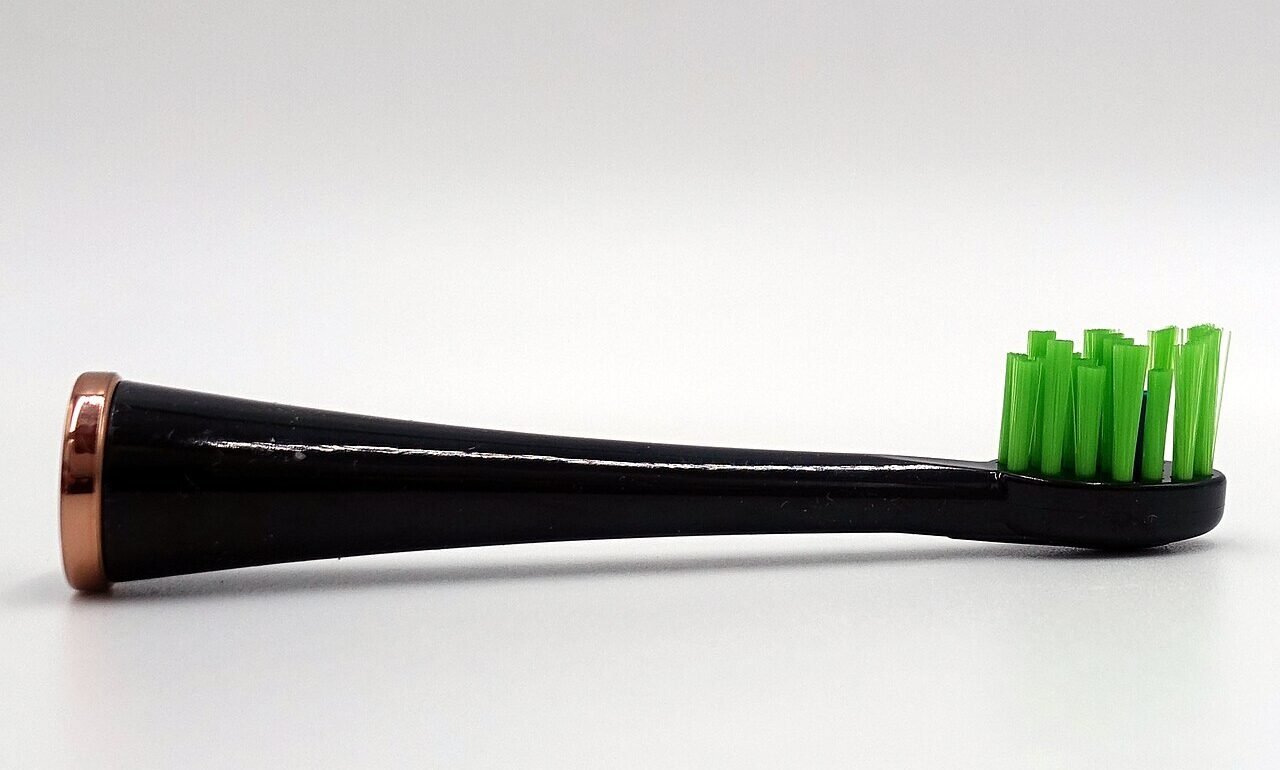
Photo: electricteeth / Wikimedia Commons (CC BY 2.0)
How to Clean Your Water Pick
A clean device is a hygienic device. Follow these simple habits:
- Empty the tank after every use and leave the lid open to air-dry.
- Run plain water through the device if you used mouthwash.
- Wash the tank weekly with warm, soapy water, or on the top rack of the dishwasher if allowed.
- Descale monthly with a mix of warm water and white vinegar if you have hard water.
- Wipe the handle and base to prevent residue and mold.
Common Myths About Water Picks for Teeth Cleaning
Let us clear up a few myths:
- Myth: Water picks are only for people with braces. In fact, they help anyone who wants an easier way to clean between teeth.
- Myth: Higher pressure is always better. Too much pressure can irritate gums. Comfortable and consistent beats strong and occasional.
- Myth: A water pick replaces brushing. It cleans between teeth. You still need to brush twice a day.
- Myth: Bleeding means you should stop. Light bleeding often fades after one to two weeks of daily use as gums get healthier.
For more on protecting your gums, see how to prevent gum disease naturally.
Frequently Asked Questions
Are water picks for teeth cleaning better than floss?
For many people, yes, because they are easier to use every day and work well around braces and implants. String floss can still be better for very tight contacts. The best tool is the one you use daily.
How often should I use a water pick?
Once a day is enough for most people. Pick a consistent time, such as before bed.
Can a water pick damage gums?
It can irritate gums if you use very high pressure or aim into deep pockets. Start low and increase slowly.
What is the difference between a water pick and a water flosser?
There is no real difference. “Water pick” comes from the Waterpik brand name, while “water flosser” and “oral irrigator” are general terms.
Can I put mouthwash in a water pick?
Some brands allow diluted mouthwash. Check your manual first, and rinse with plain water afterward. Learn more in our guide on using mouthwash in a water flosser.
Conclusion
Water picks for teeth cleaning offer an easy, gentle way to remove plaque and food from between your teeth and along the gumline. They shine for braces, implants, bridges, and anyone who struggles with string floss. Research supports their role in reducing plaque and gum inflammation, especially when used daily alongside brushing.
Start on a low setting, use the right tip, and keep your regular dental visits. When you are ready to buy, compare our picks for water flossers recommended by dentists or explore other flossers for teeth.
Health note: This article is for general information only and is not medical advice. Talk to your dentist about whether water picks for teeth cleaning suit your needs.

Hi, I’m Mamon, the content creator behind this blog. I share my experience in blogging, WordPress, SEO, and affiliate marketing through honest product reviews, in-depth buying guides, and practical how-to articles. Every piece of content is thoroughly researched and written to help readers make informed decisions.
Leave a Reply