

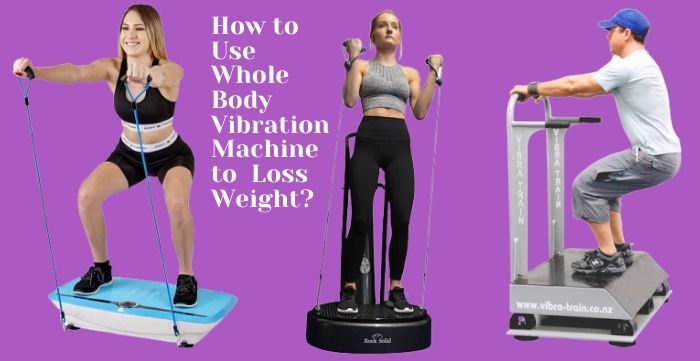

How to use a whole body vibration machine comes down to five things: correct posture, a beginner-appropriate frequency, active exercises rather than passive standing, session length that builds up gradually, and consistency over weeks rather than days. Get those right and the machine does what it’s designed to do; skip them and you’ll either see little benefit or risk straining a joint.
Whole-body vibration machines have a platform that oscillates rapidly, and when you stand on it, your muscles contract and relax reflexively to keep you stable. That reflex, called the tonic vibration reflex, is the entire mechanism behind the workout. This guide walks through exactly how to use one properly, from your first session through building a routine, along with what the research actually supports and who should check with a doctor first.
Key Takeaways
- Bend your knees, keep your core engaged, and never lock your joints while the plate is vibrating; a locked knee sends vibration force straight up into the joint instead of absorbing it.
- Beginners should start with 30 to 60 second sessions, two to three times a week, and build toward 15 minutes total, never exceeding that in a single session.
- Standing passively burns modest calories; active movements like squats and lunges significantly increase the demand, according to WebMD.
- Pregnant women, people with pacemakers or other implanted devices, and anyone with uncontrolled cardiovascular disease should get medical clearance before using one.
Setting Up Your Machine the First Time
Before your first workout, a few setup details make a real difference in how safe and effective your sessions are:
- Place it on a flat, stable surface. Avoid thick carpet, which can reduce stability and increase noise and wobble. A hard floor or a thin mat works best.
- Leave clearance around the machine. Give yourself roughly three feet of space around and above the plate so you have room to move without bumping into furniture or walls.
- Check the weight capacity and plug it in securely. Confirm the stated weight limit fits your needs, and make sure the power connection is stable before your first session.
- Read the manual for your specific model. Frequency ranges, program names, and recommended footwear vary between brands, so a few minutes with the manual saves confusion later.
How Does a Whole Body Vibration Machine Work?
A whole-body vibration machine is workout equipment with a platform that vibrates rapidly, typically 25 to 50 times a second. When the plate moves, your muscles are forced to contract and relax reflexively to help you keep your balance, which is the tonic vibration reflex mentioned above. The harder your core and stabilizing muscles work to maintain position, the more energy your body expends during the session.
This matters for how you use the machine: standing still on a vibrating plate produces a real but modest effect. To get meaningfully more out of a session, you need to be actively moving, not just standing there and letting the machine do the work.
How to Use a Whole Body Vibration Machine: Step-by-Step
1. Warm Up First
Spend a couple of minutes on light movement, such as a few bodyweight squats or gentle stretching, before you step onto the plate. This gets blood flowing to the muscles you’re about to work and reduces the chance of straining a cold muscle.
2. Start Low and Short
If you’re new to vibration training, begin with 30 to 60 second sessions, two to three times a week, at the lowest frequency setting. Gradually build up your session length over several weeks. Most guidance caps a single session at around 15 minutes total, even for experienced users.
3. Get Your Stance Right
Stand with your feet shoulder-width apart and bend your knees slightly, roughly a 30-degree angle. Keep your core braced. Never lock your knees or elbows while the plate is vibrating; a locked joint transmits the vibration force straight up your leg or arm instead of letting your muscles absorb it.
4. Add Active Movements
Once you’re comfortable simply standing on the plate, add exercises that don’t require you to move around, since the platform itself is doing that work. Isometric squats, split squats, calf raises, and modified push-ups (with hands on the plate) are common choices. Hold each position as long as you comfortably can, without exceeding the 15-minute session cap.
5. Use the Machine’s Programs
Most whole-body vibration machines come with several pre-programmed routines and adjustable speeds. Rotating through different programs over the course of a week helps target different muscle groups and keeps the routine from feeling repetitive.
6. Cool Down and Rest
Step off carefully, since your legs may feel briefly different after the vibration stops. Give yourself rest days between higher-intensity sessions, especially as you build up frequency and duration.

Important Things to Consider Before You Start
A few practical points make a real difference in how safely and effectively you use a whole-body vibration machine:
- Talk to your doctor first if you have a chronic condition. If you’re managing diabetes, high blood pressure, or another long-term condition, get medical clearance before adding vibration training to your routine.
- Diet still matters. A vibration machine can support weight loss, but you’ll only see meaningful results if your overall calorie intake is in line with what your body needs. The machine adds to your activity level; it doesn’t replace attention to what you eat.
- Pair it with other low-impact movement. Combining vibration sessions with walking, light resistance training, or other low-impact exercise tends to tone the body faster than relying on the machine alone.
- Footwear matters. Supportive athletic shoes grip the platform better than bare feet or socks in most cases, though some machines are designed for barefoot use, so check your manual.
What the Research Actually Says
It’s worth separating realistic expectations from marketing claims. According to WebMD, standing on a vibration plate burns roughly the same number of calories as walking at a slow 2.2 miles per hour, while performing weighted half-squats on the plate has been compared to running at around 6.5 miles per hour in terms of muscle demand. That gap is exactly why active movement matters so much more than passive standing.
On the broader question of whether vibration training rivals traditional exercise, the Mayo Clinic notes that whole-body vibration may offer some fitness and health benefits, but comprehensive research is still limited, and it’s not clear whether it matches the benefits of exercise you actively engage in, like walking, biking, or swimming. The honest takeaway: used correctly, with active movement and consistent sessions, a vibration machine is a legitimate supplement to a fitness routine, not a shortcut that replaces one.
Who Should Be Cautious
Vibration machines are generally safe for healthy adults, but certain groups should get medical clearance first, or avoid them entirely:
- Pregnant women, since there isn’t enough safety data on whole-body vibration during pregnancy
- Anyone with a pacemaker or other implanted medical device, since vibration may interfere with how the device functions
- People with uncontrolled cardiovascular disease, recent heart attack or stroke, or blood clotting disorders
- Anyone who has had recent surgery, especially joint replacement or spinal procedures
- People with severe osteoporosis or a recent fall or balance issue
If you fall into a gray area, such as a past clotting issue or moderate osteoporosis, get sign-off from a physician before your first session.
Benefits of Whole-Body Vibration Machines
Used consistently and correctly, whole-body vibration training is associated with several benefits:
- Improved balance and coordination. The constant small corrections your body makes to stay stable on a vibrating surface can carry over into everyday balance, which is one reason vibration training is sometimes used with older adults under supervision.
- Increased blood circulation. The rapid muscle contractions triggered by the plate can temporarily boost blood flow to the limbs during a session.
- Stronger bones and muscles when combined with weight-bearing exercise. Vibration training paired with active movement provides more mechanical loading than standing still, which matters for bone and muscle adaptation over time.
- Enhanced neuromuscular control around the knees and ankles. The instability of the platform forces your stabilizing muscles to fire more frequently than they would on solid ground.
- Greater flexibility. Many users find that regular sessions help loosen tightness that builds up from long periods of sitting or inactivity.
- Support for weight management goals when paired with a calorie-appropriate diet. The machine adds to your activity level and calorie expenditure; it works best as part of a broader plan rather than a standalone fix.
- Muscle strength gains over time with consistent, active sessions. Isometric holds and active exercises performed on the plate can build strength gradually, similar to other forms of resistance-based training.
Frequently Asked Questions
How long should a beginner use a vibration machine?
Start with 30 to 60 seconds, two to three times a week, and build up gradually. Cap any single session at around 15 minutes, even once you’re experienced.
Can standing still on the machine help me lose weight?
It burns some calories, roughly comparable to a slow walk, but you’ll get far more benefit from active exercises like squats and lunges performed on the platform.
What should I wear when using a vibration machine?
Supportive athletic shoes work well for most machines, though some are designed for barefoot use. Check your specific machine’s manual.
Is it safe to use a vibration machine every day?
Many people use one several times a week without issue, but give yourself rest days as you build up intensity, and stop immediately if you feel pain, dizziness, or unusual discomfort.
Do I need a specific type of vibration machine to get started?
No, most beginner routines work on any standard whole-body vibration machine. If you’re still deciding which one to buy, our guide to choosing a whole body vibration machine covers the specs that matter most.
Conclusion
Knowing how to use a whole body vibration machine properly, correct posture, a gradual buildup in frequency and duration, and active movement rather than passive standing, is what actually determines whether you see results. Combine consistent sessions with a reasonable diet and some other low-impact exercise, and the machine becomes a genuinely useful tool for weight management, muscle tone, and balance. For more on getting the most from your sessions, see our breakdown of whole body vibration machine benefits and effective workouts, our core exercises for a vibration plate, or browse our full vibration machines category for more guides.


Hi, I’m Mamon, the content creator behind this blog. I share my experience in blogging, WordPress, SEO, and affiliate marketing through honest product reviews, in-depth buying guides, and practical how-to articles. Every piece of content is thoroughly researched and written to help readers make informed decisions.