

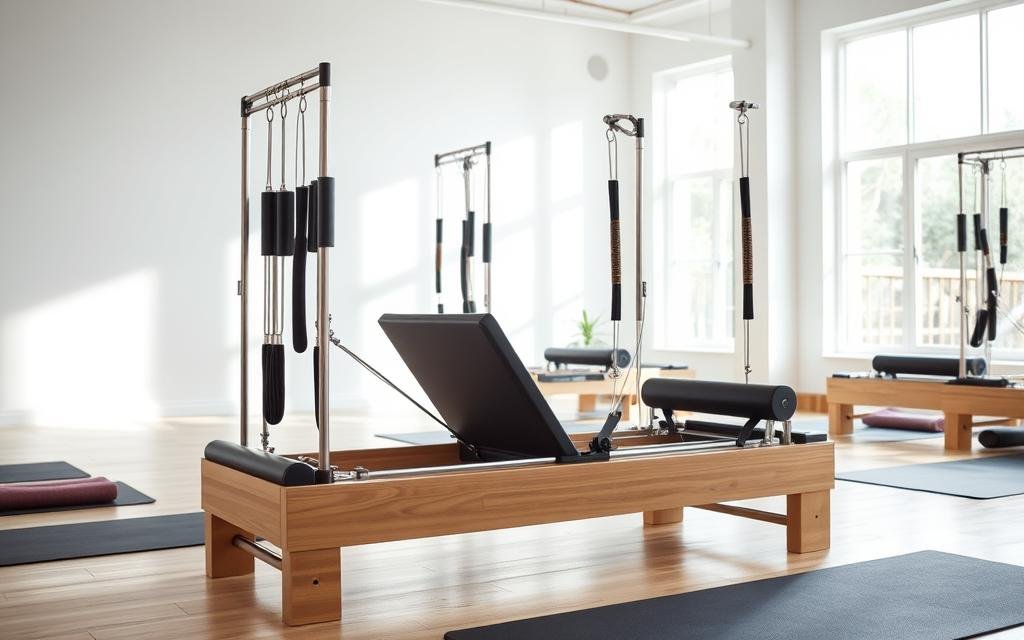
Looking to get stronger and more toned? The Aeropilates reformer is a genuinely versatile tool for it, and learning how to increase strength using Aeropilates reformer workouts starts with understanding why the machine works so well. Aeropilates makes this brand of reformer with a built-in Cardio Rebounder, and the combination replaces roughly 27 separate gym machines according to the manufacturer. This low-impact machine works your whole body in as little as 20 minutes a day.
It’s a favorite among athletes and fitness enthusiasts for good reason: it helps straighten your spine, boosts your energy, and loosens tight muscles. Most adult body types, roughly 4’6″ to 6’5″, can use it comfortably.

Key Takeaways
- The Aeropilates reformer is a versatile workout tool the manufacturer says can replace around 27 conventional gym machines.
- It offers a low-impact, full-body conditioning routine that supports posture, energy levels, and stress reduction.
- The reformer is a popular choice among athletes and fitness professionals for its ability to support spinal alignment and build strength without bulk.
- The Aeropilates reformer accommodates most adult body types, roughly 4’6″ to 6’5″ tall.
- Learning how to increase strength using Aeropilates reformer workouts comes down to resistance, consistency, and proper form.
Understanding Aeropilates and Its Benefits
Understanding how to increase strength using Aeropilates reformer training starts with Aeropilates itself, a fitness system that blends Pilates with cardio through a low-impact reformer machine that works the whole body, improving strength, endurance, flexibility, and heart health.
What is Aeropilates?
Aeropilates combines Pilates with aerobic exercise through a reformer machine that includes a Cardio Rebounder, letting you do a wide range of joint-friendly exercises.
The reformer’s springs, combined with the cardio moves, help build lean muscle while burning fat.
Key Benefits for Strength Training
- Dozens of exercises can be performed on the Aeropilates reformer, targeting all major muscle groups.
- The lightweight resistance of the reformer promotes lean muscle development without bulking up.
- The Cardio Rebounder enables higher-intensity cardio with less impact than equipment like treadmills or ellipticals.
- Consistent Aeropilates practice can meaningfully improve flexibility, core strength, and stability.
- Adjustable resistance levels let users of every fitness level benefit from Aeropilates workouts.
The Science Behind Strength Building
Using the Aeropilates reformer for resistance training is an effective way to get stronger and more toned. It works by leveraging how muscles actually grow and why resistance matters, helping you target specific muscles to get stronger over time.
How Muscles Grow
Muscle growth happens when muscles face stress and resistance. Resistance training on the Aeropilates reformer creates tiny amounts of stress in the muscle fibers, and your body responds by repairing and building them back stronger. According to Mayo Clinic’s guide to strength training, this process depends just as much on good nutrition, rest, and recovery as it does on the workout itself.
Role of Resistance in Strength Training
The Aeropilates reformer offers adjustable resistance so you can customize each workout. Its springs and pulleys provide constant resistance that starts the muscle-building process, and increasing that resistance over time leads to greater strength and toning. This guide to adjusting resistance on a reformer walks through spring setup for different goals.
The reformer also works many muscles at once, with a strong focus on the core, improving muscle tone, balance, and overall strength.
Getting Started with Aeropilates
Starting your journey with Aeropilates is exciting, and part of learning how to increase strength using Aeropilates reformer training is picking the right reformer and setting up your space well.
Choosing the Right Reformer
Look for an Aeropilates reformer with adjustable resistance and comfortable padding. Models like the AeroPilates Home Studio Reformer 393, Pro Reformer 5104, and Pro Series Reformer 565 are all solid choices. If space is tight, look at foldable options. This guide to choosing the best home reformer model compares them in more detail.
Setting Up Your Space
Choose a clean area in your home with enough room to move and fully extend during exercises. Good lighting and a smooth, level surface matter too, and adding a mirror can help you keep proper form.
| Reformer Model | Resistance Range | Price Tier | Foldable |
|---|---|---|---|
| AeroPilates Home Studio Reformer 393 | 4 Levels | Budget-friendly | Yes |
| AeroPilates Pro Reformer 5104 | 6 Levels | Mid-range | No |
| AeroPilates Pro Series Reformer 565 | 8 Levels | Premium | No |
Basic Aeropilates Exercises for Beginners
Starting your Aeropilates journey? Begin with these basic exercises to build a solid foundation.
The Hundred
This classic Pilates move strengthens your core and boosts stability. Lie on the reformer, engage your abs, and pump your arms as you breathe deeply, working up to 100 counts.
Footwork
Footwork on the Aeropilates reformer builds leg and foot strength. Push and flex your feet in time with your breath. It challenges your lower body and improves balance.
Leg Circles
Leg circles improve hip mobility and strengthen the legs. Extend one leg and make large circles in both directions to open the hips and work the thighs and calves.
Always focus on proper form with these exercises. Start with light resistance and increase it as you get stronger and more confident.
Intermediate Aeropilates Exercises
Once the basics feel comfortable, intermediate Aeropilates exercises focus on upper body strength, core control, and more advanced leg work. The reformer’s resistance helps build real strength as you progress.
Upper Body Strengthening
Work your arms, shoulders, and back with a range of exercises on the reformer. The Hundred remains a key move for the core, and Leg Circles also engage the upper body as you balance.
Core Control Workouts
Build core strength and stability with more challenging variations. The Hundred can be intensified on the reformer, and Side Teaser and Advanced Plank Series both target the core directly.
Advanced Leg Exercises
These exercises are great for strengthening the lower body. Try Single Leg Bridge and Bridge with Hip Abduction for the glutes and hamstrings, and Leg Lowers, Elephant, and Church Stretch to build flexibility.
Adding these intermediate exercises pushes your body in new ways, building real strength and muscle tone over time.
| Exercise | Primary Muscle Groups Targeted | Benefits |
|---|---|---|
| The Hundred | Core, Abdominals | Enhances rhythmic breathing, strengthens core muscles |
| Side Teaser | Obliques, Core | Challenges balance and targets oblique muscles |
| Advanced Plank Series | Core, Shoulders, Arms | Improves overall core strength and stability |
| Single Leg Bridge | Glutes, Hamstrings | Strengthens glutes and hamstrings, challenges balance |
| Leg Lowers | Hamstrings, Lower Back | Stretches and elongates the hamstring and lower back muscles |
Advanced Techniques on the Reformer
Once you’re comfortable with the basics, the Aeropilates reformer offers advanced techniques like plyometric exercises and dynamic combinations to build strength, balance, and coordination further.
Plyometric Exercises
Plyometric moves on the reformer are explosive and build power quickly. Jump squats, plyo pushups, and box jumps all raise the challenge and use the reformer’s springs to add intensity.
Combinations for Full-Body Conditioning
Get more out of each session by mixing upper body, lower body, and core work together. The Teaser with Leg Circles or the Plank with Knee Tucks are good examples of combinations that challenge several muscle groups at once.
Exploring the reformer’s versatility this way is really the answer to how to increase strength using Aeropilates reformer training at a more advanced level, since plyometric work and creative combinations push both strength and conditioning further than isolated moves alone.
Incorporating Resistance Bands and Accessories
Reformer work pairs well with a few extra tools that add intensity and variety to low-impact strength training.
Benefits of Adding Resistance
Equipment like a tower or chair attachment offers different resistance levels, which builds stronger muscles, better flexibility, and more range of motion. Resistance bands and Pilates rings work multiple muscles at once and improve coordination and stability.
Key Accessories to Consider
- Resistance Bands: Versatile and portable, available in various resistance levels to target specific muscle groups like glutes, thighs, arms, and core.
- Stability Balls: Also known as Pilates balls or Swiss balls, these create an unstable surface that challenges balance and core stability during exercises.
- Foam Rollers: Improve flexibility, support posture, and release muscle tension through self-myofascial release.
- Magic Circles: Pilates rings that add resistance and help tone the upper body, lower body, and core.
- Pilates Blocks: Useful for modifying exercises, adding support, and improving alignment during your routine.
Creating a Balanced Workout Routine
Getting the best strength and fitness results takes a balanced plan. Your Aeropilates routine should mix strength training, flexibility work, and cardio to target all the major muscle groups and keep your body challenged.
Structuring Your Weekly Schedule
Aim for 3-5 Aeropilates sessions a week, which gives your muscles time to recover and grow between sessions. As you improve, add more intensity and more complex moves to keep progressing.
Key Components of a Strength-Building Routine
- Resistance Training: Use the reformer for exercises that strengthen your legs, core, and upper body.
- Flexibility Work: Add stretching and mobility exercises to keep your joints healthy and flexible.
- Cardiovascular Activity: Mix in cardio, like the reformer’s Cardio Rebounder, to boost your heart rate and overall fitness.
Tips for Proper Form and Technique
Proper form and technique are central to how to increase strength using Aeropilates reformer training safely. Keeping your body aligned and engaging the right muscles helps you get more from every workout while protecting you from injury.
Importance of Alignment
Keep your spine neutral and your core engaged during reformer exercises. Your shoulders should stay down and back rather than slouching, and your limbs should move smoothly and with control.
Cueing for Optimal Performance
An instructor’s visual and verbal cues are genuinely useful for getting form right. Watch closely, listen to their guidance, and adjust as needed to keep your body properly positioned.
Focus on doing each move correctly for better, safer results.
Monitoring Your Progress Over Time
Tracking your progress matters as you work on how to increase strength using Aeropilates reformer training. A workout journal, recording exercises, resistance levels, and how hard each set felt, helps you see where you’re improving.
Keeping a Workout Journal
Write down your exercises, reps, resistance levels, and perceived effort each session. Over time, you’ll notice you can handle more resistance, do more reps, and hold positions longer.
Signs of Increased Strength
- Improved endurance during your reformer workouts
- Ability to use higher resistance levels on exercises
- Better balance and coordination during movements
- Visible muscle definition and tone
Nutrition Tips to Support Strength Training
Fueling your body with the right nutrients matters just as much as the workout itself when you’re building lean muscle with the Aeropilates reformer.
Importance of Protein Intake
Protein is the building block your muscles use to repair and grow after training. Include a variety of high-quality sources in your diet, like lean meats, fish, eggs, dairy, legumes, and plant-based proteins.
The old advice to eat protein within 30 minutes of a workout has been largely revised. A review in the Journal of Orthopaedic & Sports Physical Therapy found the effective window for protein intake likely spans several hours around training, and that total daily protein intake matters more than precise timing.
Hydration and Muscle Recovery
Staying well-hydrated supports strength-building goals. A commonly cited general guideline is around 8 cups (64 ounces) of water daily, adjusted for your activity level, though individual needs vary. Hydrating foods like cucumbers, watermelon, and strawberries can help too.
| Nutrient | Importance for Strength Training | Best Sources |
|---|---|---|
| Carbohydrates | Primary fuel source for reformer sessions | Whole grains, fruits, vegetables |
| Protein | Supports muscle repair and growth | Lean meats, fish, eggs, dairy, legumes, plant-based proteins |
| Healthy Fats | Supports brain function and reduces inflammation | Avocados, nuts, olive oil |
| Vitamins and Minerals | Support immune function, energy metabolism, and muscle function | Fruits, vegetables, whole grains |

Making Aeropilates a Part of Your Lifestyle
Adding the Aeropilates reformer to your routine can genuinely change how your body feels day to day. Start with goals you can actually reach, and keep yourself excited about the process.
Setting Achievable Goals
Start with clear, reachable goals, whether that’s improving a specific exercise, using more resistance, or working toward a broader fitness target. Breaking big goals into smaller steps makes it easier to see progress and stay motivated.
Staying Motivated and Committed
Being consistent is what actually drives lasting strength gains. Join online Aeropilates communities to share progress, get support, and pick up new ideas.
Conclusion
Learning how to increase strength using Aeropilates reformer training really comes down to a few fundamentals: consistent resistance work, proper form, enough recovery, and nutrition that supports muscle repair. The reformer’s adjustable springs make it easy to keep challenging your muscles as you improve, whether you’re just starting with the basics or working through plyometric combinations.
Start with the fundamentals, track your progress, and give your body a few consistent weeks. Real strength gains, better posture, and a workout you actually look forward to tend to follow from there.


Hi, I’m Mamon, the content creator behind this blog. I share my experience in blogging, WordPress, SEO, and affiliate marketing through honest product reviews, in-depth buying guides, and practical how-to articles. Every piece of content is thoroughly researched and written to help readers make informed decisions.