

Changing your toothbrush head regularly is not just about keeping it looking good. It’s also about keeping your teeth and gums healthy. If you’re wondering how often to change electric toothbrush head, the American Dental Association (ADA) recommends replacing it every three to four months, or sooner if the bristles are frayed. This simple habit keeps your teeth cleaner and helps protect your gums.
Your toothbrush head is a key part of your daily oral care routine. Like any tool, it wears out over time. Bristles fray and splay, and a worn head can’t clean as well as a fresh one. Knowing when to replace it is a small habit that makes a real difference in your oral health.
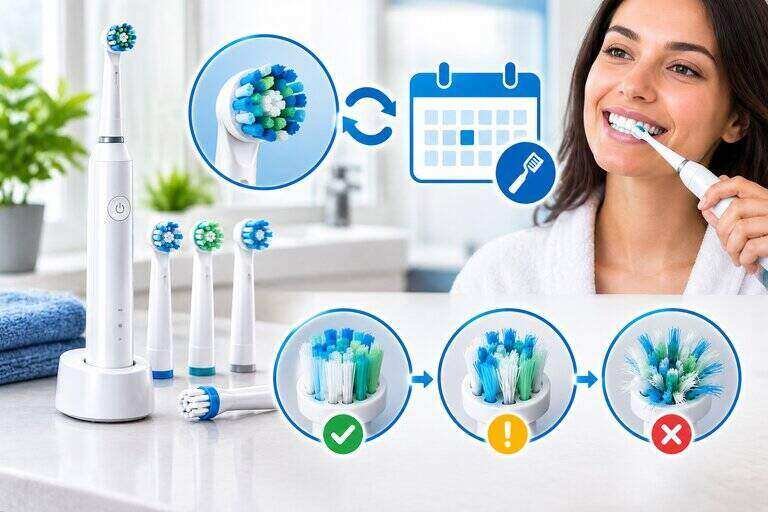

Key Takeaways
- Replace electric toothbrush heads every 3-4 months
- Worn bristles clean less effectively and can irritate gums
- Check your toothbrush head regularly for visible signs of wear
- Proper rinsing and storage can help a head last its full lifespan
- Replace right away after an illness to avoid reinfection
How Often to Change Electric Toothbrush Head: Expert Guidelines
Knowing when to swap out your electric toothbrush head is key to good oral hygiene. Dentists and the ADA agree on a simple timeline that keeps your teeth clean and stops bacteria from building up on worn bristles.
The ADA’s own guidance is clear: replace your toothbrush, or your electric toothbrush head, every three to four months, or sooner if the bristles look frayed. This keeps your brush working at its best.
General Replacement Timeline
- Replace the toothbrush head every 3-4 months
- Check bristles for fraying or splaying on a regular basis
- Dispose of any head with bent, frayed, or discolored bristles right away
A Cochrane systematic review of powered toothbrushes found that, over three or more months of use, powered brushes removed about 21% more plaque and reduced gingivitis by about 11% compared with manual brushing. Those benefits depend on the brush head staying in good condition, which is exactly why regular replacement matters.
Special Circumstances for Earlier Replacement
- After recovering from a cold, flu, or other illness
- As soon as bristles show visible damage
- For people managing gum disease or other dental conditions, on a dentist’s advice
| Replacement Factor | Recommended Action |
|---|---|
| Standard Usage | Replace every 3-4 months |
| After Illness | Replace immediately |
| Bristle Condition | Replace as soon as frayed or worn |
Sticking to this timeline keeps your electric toothbrush working the way it’s designed to, so it can keep doing its job of removing plaque and protecting your gums.
What Happens If You Don’t Replace Your Toothbrush Head on Time
Skipping a replacement or two might seem harmless, but a worn electric toothbrush head loses its cleaning power gradually rather than all at once. That makes it easy to miss until plaque starts building up along the gumline.
A few things tend to happen when a head stays in service too long:
- Splayed bristles glide over plaque instead of lifting it away
- Bacteria and toothpaste residue can collect at the base of the bristles
- Frayed edges can scrape gum tissue, leading to soreness or minor bleeding
- Reduced bristle stiffness means less effective interdental cleaning
None of these effects require a microscope to notice over time, but they build up quietly. That’s part of why knowing how often to change electric toothbrush head is worth tracking on a calendar rather than waiting for obvious damage.
Electric vs. Manual Toothbrush Heads: Does the Replacement Rule Change?
It’s a common question: does an electric toothbrush head wear out faster or slower than a manual toothbrush? The honest answer is that the ADA’s three-to-four-month guideline applies to both. The bristles themselves, not the motor or handle, are what wears down with daily brushing.
Where electric heads differ is in how they clean while they’re fresh. Because the Cochrane review cited above found a meaningful plaque and gingivitis benefit from powered brushing over several months, letting a head go past its useful life gives some of that advantage back. Staying on top of how often to change electric toothbrush head is part of what makes an electric toothbrush worth the investment in the first place.
Clear Signs Your Electric Toothbrush Head Needs Replacing
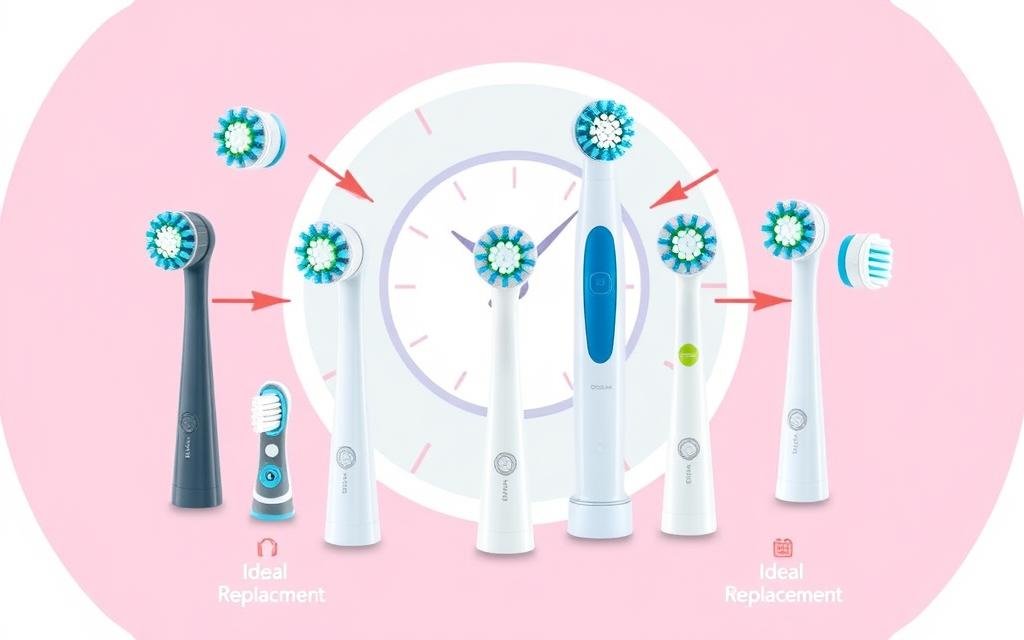

Your electric toothbrush head is central to good oral hygiene. Knowing when to replace it keeps your brush working well and your mouth clean, even between the standard three-to-four-month checkpoints.
Here are the clearest signs it’s time for a new head:
- Frayed or Splayed Bristles: Once bristles start looking worn or spread apart, their cleaning effectiveness drops noticeably
- Discoloration or Fading: Color changes in the bristles usually signal that the material is starting to break down
- Reduced Cleaning Performance: If your teeth feel less clean after brushing than they used to, the bristles may be past their prime
- Gum Irritation: Worn, splayed bristles can scrape gum tissue rather than clean gently along the gumline
Research on toothbrush wear consistently shows that frayed bristles remove less plaque than fresh ones, which is part of why dentists recommend replacing electric toothbrush heads every three to four months regardless of how they look on the surface. If you notice any of the signs above sooner than that, it’s worth replacing the head early rather than waiting out the calendar.
For a closer look at how long a head typically lasts under normal use, our guide to how long an electric toothbrush lasts breaks down the factors that speed up or slow down wear.
| Sign | Potential Impact |
|---|---|
| Frayed Bristles | Reduced plaque removal |
| Discoloration | Decreased cleaning effectiveness |
| Gum Irritation | Possible oral health risk |
Watching for these signs helps you keep your oral hygiene on track and get the most out of every toothbrush head. A fresh head means cleaner teeth and a healthier mouth.
Proper Maintenance to Extend Toothbrush Head Life

Keeping your electric toothbrush head in good shape matters for oral health. It’s not just about brushing correctly; how you rinse, store, and care for the head between uses plays a role too.
Daily Care Routine
Your electric toothbrush head benefits from a bit of daily care. Here’s what to do after every use:
- Rinse thoroughly to remove toothpaste and debris
- Shake off excess water to cut down on moisture buildup
- Store upright in a well-ventilated spot
- Keep it away from other brushes and bathroom clutter
Maintenance Best Practices
A few extra habits can help your toothbrush head last its full three to four months in good condition:
| Practice | Benefit |
|---|---|
| Deep clean weekly | Helps remove bacterial buildup |
| Soak in a diluted hydrogen peroxide solution occasionally | Helps disinfect the brush head |
| Avoid sharing toothbrushes | Prevents cross-contamination |
| Replace after illness | Prevents reinfection |
Good care habits help a toothbrush head hold up well, but they aren’t a substitute for replacing it on schedule. Even a well-maintained head wears down mechanically after months of daily use, so the three-to-four-month guideline still applies.
For more on keeping the whole brush, not just the head, in good shape between replacements, see our guide on how to keep an electric toothbrush clean and fresh.
Understanding Different Electric Toothbrush Head Types
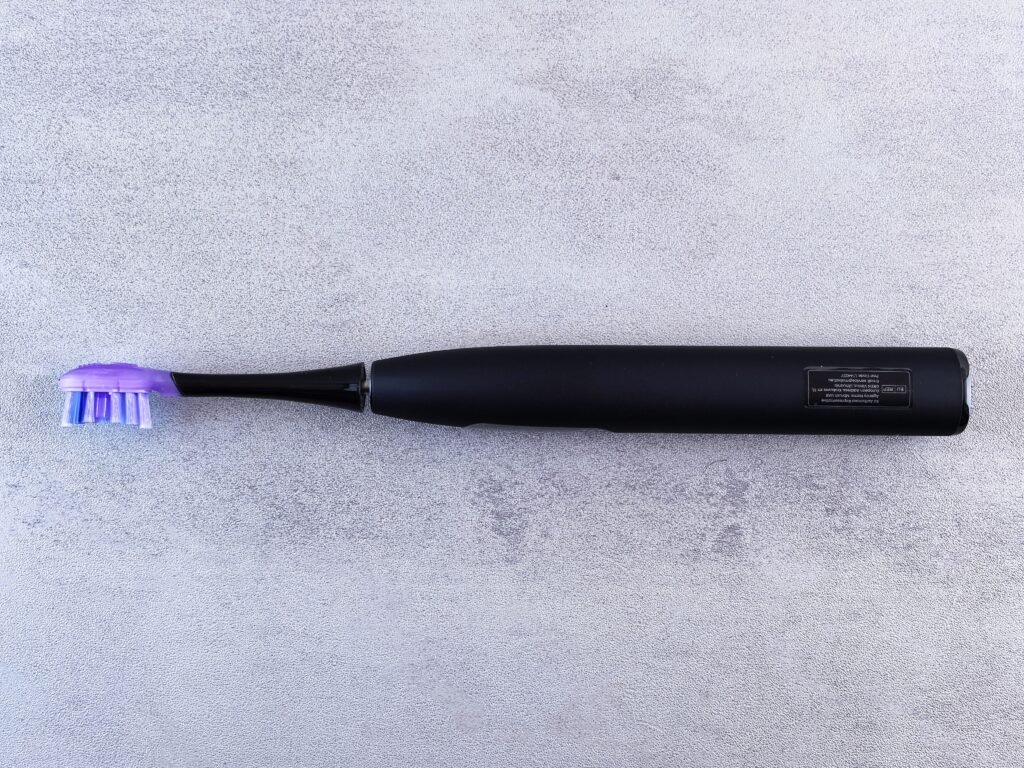

Electric toothbrush heads come in several designs built for specific oral health needs. Compared with manual brushing, electric heads generally offer more consistent cleaning motion and targeted options for different concerns.
Choosing the right head matters as much as replacing it on time. Common types include:
- Standard heads: Good all-around choice for everyday cleaning
- Cross-action heads: Angled bristles aimed at improving plaque removal
- Sensitive heads: Softer bristles for people with sensitive gums or enamel
- Whitening heads: Designed to help polish away surface stains
- Floss action heads: Built to reach a bit further between teeth
Whichever type you use, the benefits only hold up if the head is replaced on schedule. Worn bristles lose their shape and effectiveness no matter how well-designed the head was to begin with, and they can harbor bacteria that a fresh head won’t.
| Head Type | Best For |
|---|---|
| Standard | General everyday cleaning |
| Cross-Action | Extra plaque removal |
| Sensitive | Gentler cleaning for sensitive gums |
| Whitening | Surface stain removal |
Always choose a replacement head that’s compatible with your specific electric toothbrush model. If you’re still deciding on a brush, our electric toothbrush reviews and buyer’s guide covers options across budgets and needs, and our explainer on how an electric toothbrush works is a useful primer if you’re new to powered brushing.
Why This Habit Is Worth Building Into Your Routine
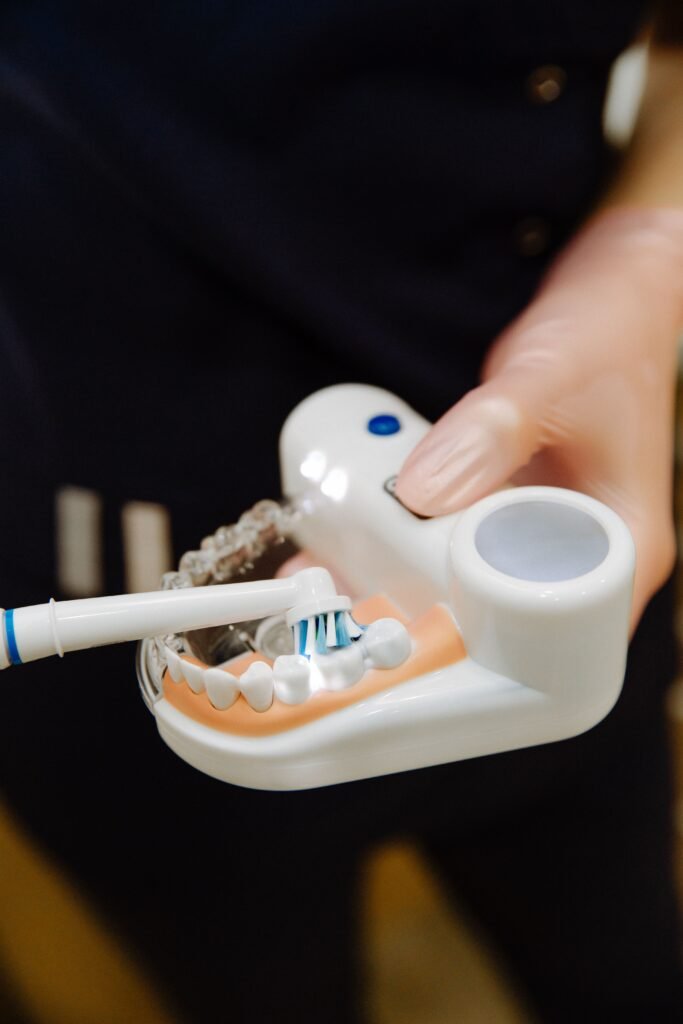

Replacing your toothbrush head is a small, low-cost habit with an outsized effect on daily oral care. It’s easy to forget how often to change electric toothbrush head when it still looks fine on the surface, but bristles break down mechanically well before that becomes obvious to the eye.
Pairing regular head replacement with good technique matters just as much as the hardware itself. If you want a broader refresher on daily habits that support a healthy mouth, our guide on preventing gum disease covers the basics that work alongside a fresh toothbrush head.
Setting a reminder, whether it’s a calendar alert or simply tying it to the change of seasons, takes the guesswork out of remembering. Some electric toothbrush models even include a built-in reminder that signals when it’s time for a new head, which takes the guesswork out of tracking the three-to-four-month window by hand.
It also helps to buy replacement heads in advance. Keeping a spare on hand means you’re not tempted to stretch a worn head another few weeks just because a new one isn’t within reach.
FAQs:
Q1: How often to change electric toothbrush head exactly?
A: The ADA recommends replacing your electric toothbrush head every three to four months, or sooner if the bristles look frayed, splayed, or discolored.
Q2: Can I wait longer than 4 months if the head still looks okay?
A: It’s not recommended. Bristles lose stiffness and cleaning effectiveness before visible damage appears, so relying on appearance alone can mean brushing with a head that’s already underperforming.
Q3: Do all electric toothbrush brands use the same replacement schedule?
A: Yes. The three-to-four-month guideline applies across brands, including Oral-B and Philips Sonicare, since it’s based on how quickly bristles wear down rather than any single manufacturer’s design.
Q4: Should I replace my toothbrush head after being sick?
A: Yes, it’s a good idea to replace the head after a cold, flu, or other illness to reduce the chance of reinfecting yourself with the same germs.
Q5: Does brushing harder make a toothbrush head wear out faster?
A: It can. Pressing too hard tends to splay bristles sooner than gentle brushing does, which is one more reason to check your head for wear rather than relying on the calendar alone.
Q6: Are all replacement heads compatible with every electric toothbrush handle?
A: No. Replacement heads are typically brand- and often model-specific, so it’s worth confirming compatibility with your exact toothbrush handle before buying a multi-pack.
Q7: What’s the easiest way to remember to change the head?
A: Many people tie it to a recurring date, like the start of each season, or set a phone reminder. Some electric toothbrush models also include a built-in bristle-wear indicator or app reminder.
Conclusion
Keeping track of how often to change electric toothbrush head is a small habit with a real payoff for your oral health. Replacing it regularly is not just about cleaning power. It’s also about protecting your gums and avoiding the bacterial buildup that comes with worn bristles.
The ADA recommends changing your toothbrush head every three to four months. This keeps the bristles able to remove plaque and food debris effectively, and it lowers the chance of gum irritation and oral health problems along the way.
Changing your toothbrush head on schedule shows you’re serious about your oral health, whether you use a Philips Sonicare, Oral-B, or another brand. The habit that matters most is replacing the head regularly to keep your mouth healthy.
Your oral health routine is worth revisiting from time to time. Talking with your dentist about your specific needs can help you fine-tune your habits and keep a healthy, confident smile for years to come.


Hi, I’m Mamon, the content creator behind this blog. I share my experience in blogging, WordPress, SEO, and affiliate marketing through honest product reviews, in-depth buying guides, and practical how-to articles. Every piece of content is thoroughly researched and written to help readers make informed decisions.